When homeowners invest in an irrigation system, one of the most common questions I hear is this:
“How long should this system last?”
The truth is, a properly designed and installed irrigation system can last decades. But the lifespan of any underground irrigation system depends heavily on one key factor: the materials used below the surface.
Over the past 42 years working with homeowners throughout Maryland, Washington DC, and Northern Virginia, I’ve seen irrigation systems that lasted 20 years or more with minimal repairs. I’ve also seen systems fail within just a few seasons because low‑quality materials were used underground.
Most homeowners never see these materials. They’re buried under soil, grass, and landscaping. But they play a huge role in how reliable your irrigation system will be long‑term.
In this article, I’ll walk you through:
- The best pipe materials for underground irrigation
- Which fittings hold up best over time
- How valves and manifolds impact longevity
- Common materials that cause early failures
- What homeowners should look for in a long‑lasting irrigation system
If you want an irrigation system that performs reliably for years, understanding these materials can make a big difference.
Why Underground Materials Matter So Much
Underground irrigation systems operate under constant pressure and environmental stress.
The materials below the ground must withstand:
- Soil movement
- Temperature fluctuations
- Water pressure changes
- Tree root intrusion
- Freeze‑thaw cycles common in Maryland winters
When lower‑quality materials are used, systems often develop problems like:
- Leaking pipes
- Broken fittings
- Pressure loss
- Valve failures
- Uneven watering across the lawn
Because these components are buried, repairs can involve digging up sections of your yard. That’s why choosing durable materials from the beginning is so important.
Best Pipe Materials for Underground Irrigation
The pipe network is the backbone of any irrigation system. Choosing the right pipe material dramatically affects longevity.
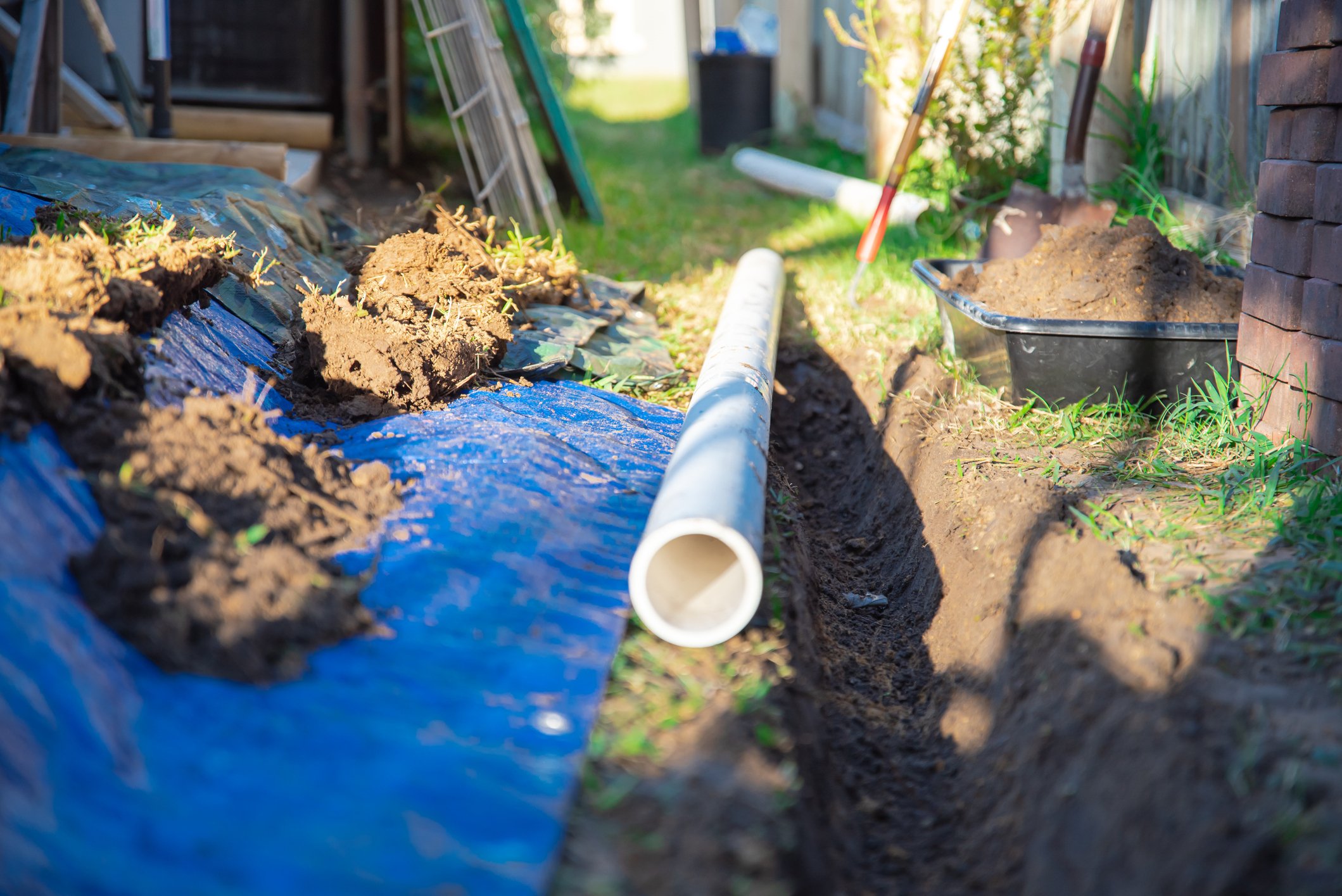
PVC (Polyvinyl Chloride) Irrigation Pipe
PVC pipe is one of the most widely used materials for underground irrigation systems.
High‑quality Schedule 40 PVC is especially durable and commonly used for main irrigation lines.
Benefits include:
- Strong resistance to pressure
- Excellent durability underground
- Resistance to corrosion
- Long lifespan when installed correctly
PVC pipe also performs well in Maryland soil conditions when properly buried below the frost line.
For main lines that carry water from the supply to irrigation zones, Schedule 40 PVC is often the most reliable choice.
Polyethylene Pipe (Poly Pipe)
Flexible polyethylene pipe is another common irrigation material, particularly for lateral lines that feed sprinkler heads.
Advantages include:
- Flexibility that tolerates soil movement
- Resistance to cracking
- Simpler installation in curved layouts
Because poly pipe can bend slightly without breaking, it performs well in areas where soil shifts or tree roots may be present.
Many irrigation systems use PVC for main supply lines and polyethylene for branch lines.
Durable Fittings That Prevent Leaks
Pipe connections are one of the most common points of failure in irrigation systems.
Using durable fittings and proper installation techniques helps prevent leaks over time.
PVC Solvent‑Weld Fittings
For PVC systems, solvent‑weld fittings create a permanent chemical bond between pipes.
When installed correctly, these connections can last decades.
They are often used in:
- Main irrigation supply lines
- Valve manifolds
- System branching points
The key to longevity is proper installation using the correct primer and solvent cement.
Barbed Fittings for Poly Pipe
Polyethylene irrigation pipe typically connects using barbed fittings secured with clamps.
High‑quality stainless steel clamps improve reliability and resist corrosion underground.
When properly installed, these connections remain secure even as soil shifts slightly over time.
Irrigation Valves and Manifolds
Another critical component of underground irrigation systems is the valve assembly.
Valves control the flow of water to each irrigation zone.
Lower‑quality valves are often the first component to fail in older irrigation systems.
High‑quality irrigation valves should include:
- Durable internal diaphragms
- Reliable solenoids
- Strong housing materials
Professional systems typically install valves in accessible valve boxes, which allow maintenance without digging up large sections of yard.
A well‑built valve manifold using durable materials can last many years with minimal servicing.
Protecting Systems From Freeze Damage
In Maryland, freeze‑thaw cycles are a major factor affecting underground irrigation systems.
Materials must tolerate temperature swings and winter shutdown procedures.
Proper winterization — usually through blow‑out procedures using compressed air — helps protect pipes and fittings from freezing damage.
When systems are designed with appropriate materials and winterized correctly, they can withstand many winters without issues.
Materials That Often Cause Irrigation Failures
Over the years we’ve inspected irrigation systems installed by many different contractors. Some of the most common problems come from poor material choices.
Thin‑Wall Pipe
Lower‑grade pipe materials may crack under pressure or temperature changes.
This can lead to underground leaks that are difficult to detect.
Cheap Plastic Fittings
Low‑quality fittings may become brittle over time and fail under pressure.
These failures often appear years after installation.
Poor Valve Components
Budget irrigation valves may contain internal components that wear out quickly.
When valves fail, irrigation zones may stop functioning correctly or run continuously.
Case Study: Upgrading an Aging Irrigation System in Maryland
Recently we worked with a homeowner whose irrigation system had been installed about 12 years earlier.
The homeowner began noticing:
- Low water pressure in several zones
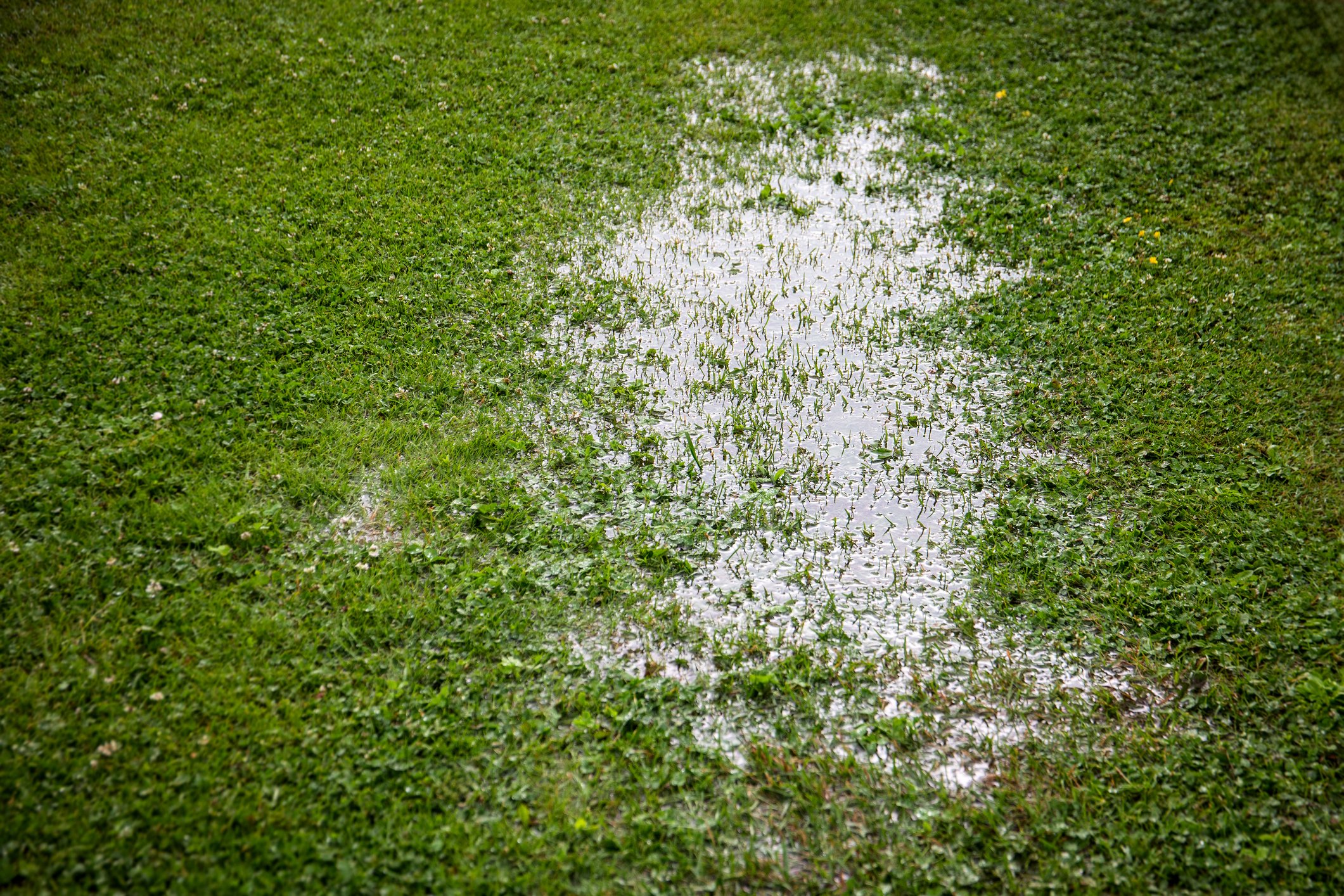
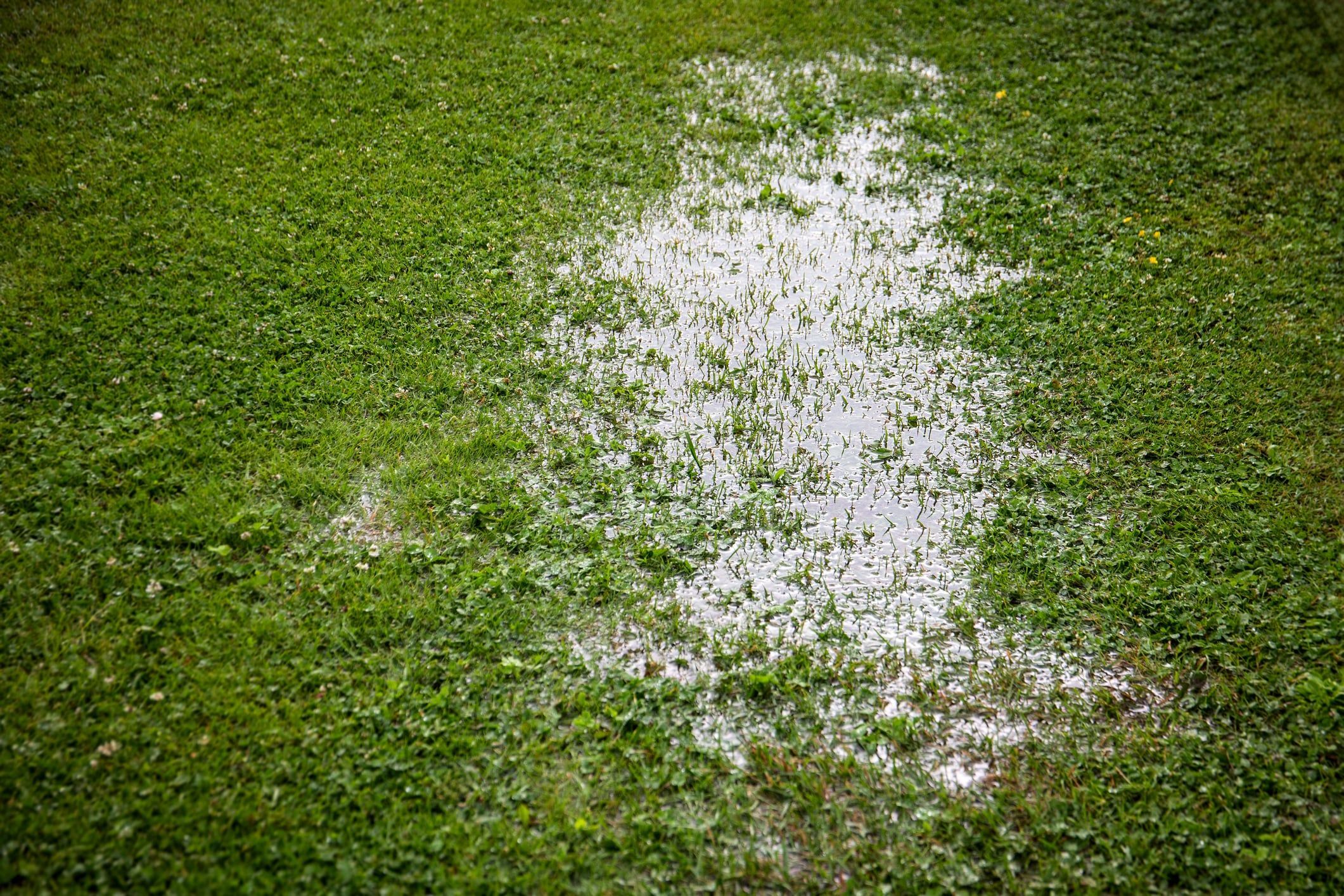
- Wet areas appearing in the lawn
- Sprinkler heads that stopped popping up
After evaluating the system, we discovered several sections of pipe had developed small leaks due to low‑grade materials used during the original installation.
We replaced damaged sections with Schedule 40 PVC main lines and upgraded polyethylene lateral piping.
We also installed a new valve manifold with higher‑quality irrigation valves.
Once the repairs were completed, the system regained proper pressure and operated much more reliably.
The homeowner avoided constant patch repairs by upgrading to more durable materials.
How Long Should Underground Irrigation Materials Last?
When irrigation systems are designed properly and built with durable materials, homeowners can often expect:
- PVC irrigation piping: 20–30 years or more
- Polyethylene lateral lines: 15–25 years
- Irrigation valves: 10–20 years depending on use
Routine maintenance and winterization help extend these lifespans significantly.
Signs Your Underground Irrigation System May Need Repairs
Even well‑built systems occasionally need maintenance.
Some common warning signs include:
- Unexpected wet areas in the lawn
- Lower water pressure in sprinkler heads
- Zones that fail to activate
- Water running continuously
If these symptoms appear, it may indicate underground pipe damage or valve issues.
Early inspection can prevent more extensive repairs.
Final Thoughts From Bob Carr
The best irrigation systems are the ones you rarely have to think about.
They quietly water your lawn and landscaping year after year without constant repairs.
From my experience serving homeowners across the DMV for more than four decades, longevity always comes back to good design and durable materials underground.
Using the right pipe, fittings, and valves from the start helps ensure irrigation systems operate efficiently and reliably for many years.
Need Help With an Irrigation System?
If you’re planning a new irrigation system or evaluating an existing one, understanding the materials used underground is an important step toward long‑term reliability.
Visit TLCincorporated.com to learn more about irrigation design, installation, and maintenance for properties throughout Maryland and the surrounding DMV region.
With the right materials and design approach, an irrigation system can keep your landscape healthy for decades.
Bob Carr is the founder and president of TLC Incorporated, which he started in 1981 as a small residential lawn sprinkler and irrigation business in Maryland. Over four decades later, he leads a team of specialists serving the Mid-Atlantic region with lawn irrigation, outdoor and holiday lighting, and yard drainage solutions. Bob's approach is built on transparent pricing, quality installation, and treating every customer with respect.
Topics: