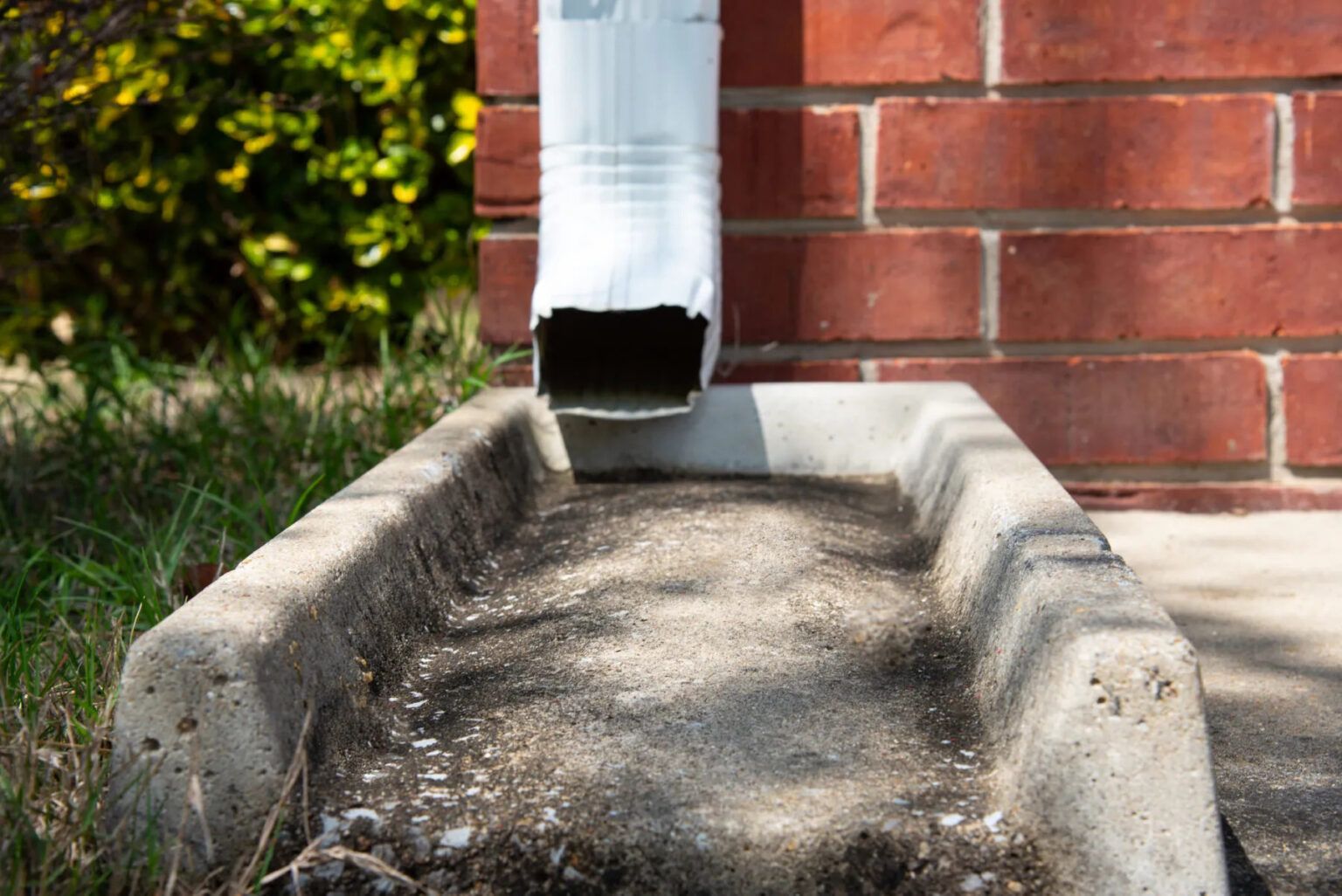
💦 Why Downspout Extensions Matter for Maryland Homeowners
Whether you live in the suburbs of Anne Arundel County, near the Chesapeake watershed, or in a clay-heavy region of central Maryland, a simple downspout can be the difference between a dry foundation and water problems.
Here’s why downspout extensions matter:
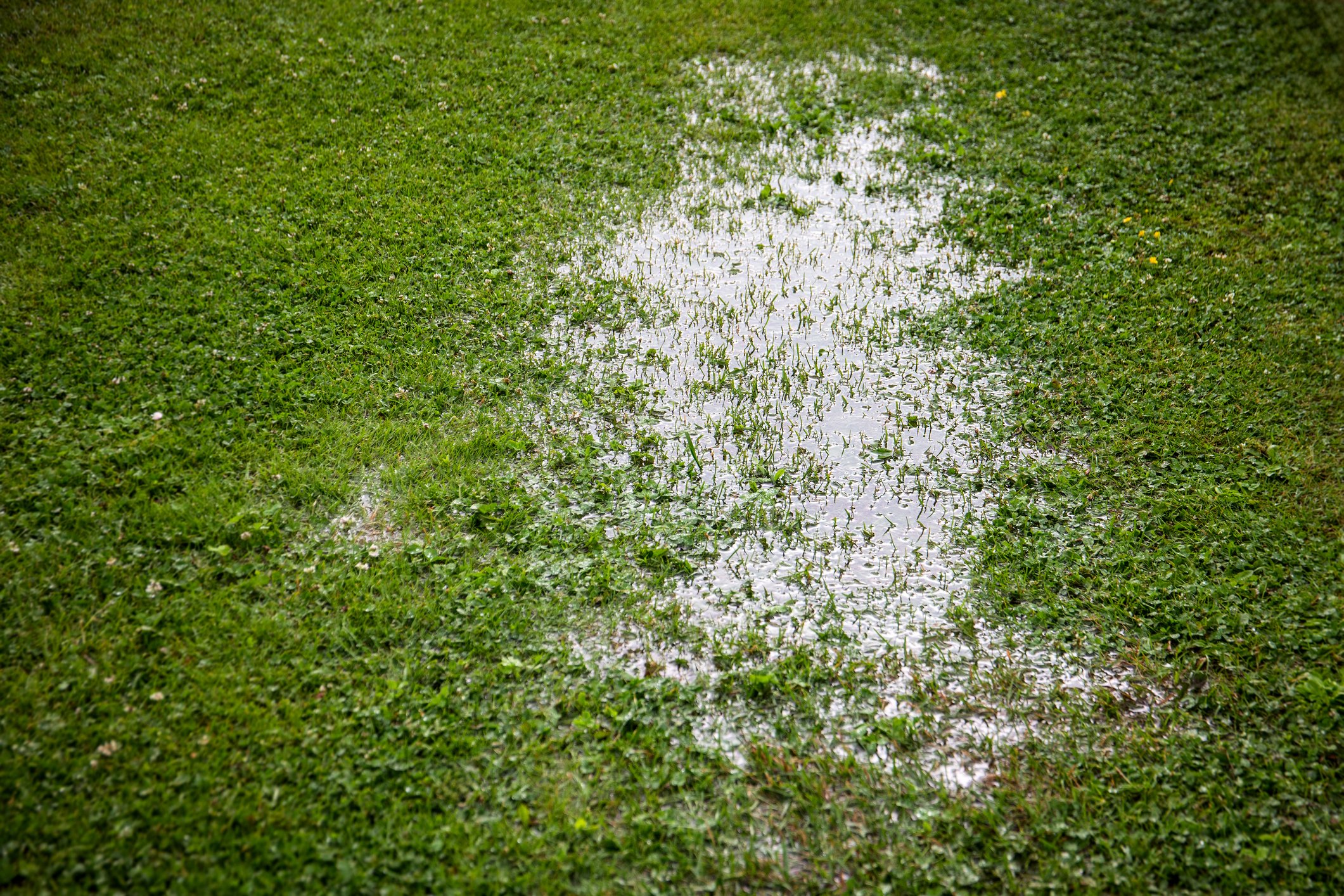
- Clay soils and heavy rain — Many Maryland yards drain slowly. Without a properly placed extension, rainwater tends to sit close to the house or soak into the ground near the foundation.
- Protect foundation and basement — Redirecting the water 5–15+ feet away safeguards basements, crawl spaces, and structural integrity from water intrusion.
- Prevent landscape erosion and soggy lawns — By sending water away from the house, you protect your landscaping, mulch beds, and lawn areas from being washed out.
- Affordable, effective fix — Compared to major drainage solutions (like French drains), downspout extensions are relatively inexpensive and quick to install.
For many Maryland homeowners, a downspout extension is a pragmatic, budget-friendly fix — and often the first step before considering larger drainage work.
📈 Typical Downspout Extension Costs (2026)
| Project Type | Estimated Cost (Materials + Labor) |
| Simple above-ground extension | $30 – $50 (DIY materials only) |
| Basic pro install (surface) | $150 – $300 per downspout |
| Buried extension with outlet | $300 – $750 per downspout |
| Full yard drainage with buried extensions | $800 – $2,000+ |
🧰 What Goes Into the Cost — Labor, Materials & Complexity
Several key factors influence the total cost:
- Number of downspouts: More downspouts increase both materials and labor.
- Type of extension: Surface extensions are simple; buried options require trenching, fittings, and outlet planning.
- Length of extension: Longer runs need more materials and time.
- Yard conditions: Clay-heavy soils (common in MD) require more work.
- Outlet destination: Splash blocks, pop-up emitters, or dry wells vary in cost.
Common Extension Options:
- Above-ground flexible extensions: Easy to install, budget-friendly.
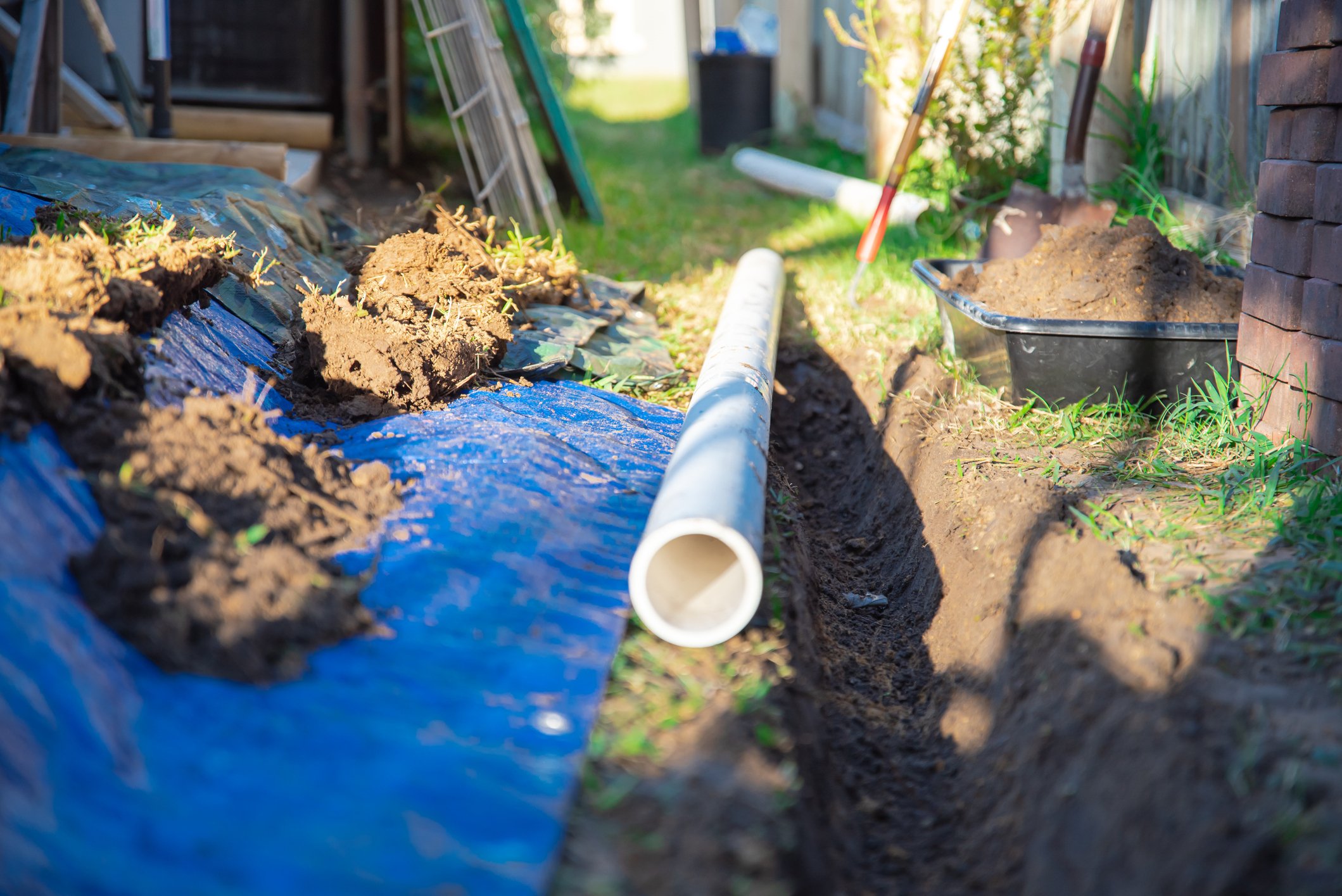
- Rigid PVC piping (buried): Durable and hidden, requires more labor.
- Pop-up emitters: Release water away from lawn invisibly.
- Dry wells or gravel beds: Ideal for areas with poor drainage.
🏡 Maryland Homeowner Case Studies
🏠 Severna Park — Surface Extension Fix
Homeowner with moderate slope and 2 downspouts near patio. Water was damaging flower beds. – Added two 8-ft surface extensions and splash blocks. – Total Cost: $180 (pro install)
🌿 Bethesda — Buried PVC with Pop-Up Emitters
Four downspouts redirected to lawn area using buried PVC pipe and pop-up emitters. – Included trenching through garden beds and minor turf restoration. – Total Cost: $1,100
🌧️ Towson — Combo Extension + Dry Well
Downspouts fed into 20-ft underground pipe leading to a dry well. – Handled excess runoff in yard with clay soil. – Total Cost: $1,600
🏘️ Columbia — DIY Above-Ground Setup
Homeowner used flexible extensions and splash blocks on all 4 corners of the home. – Weekend project with store-bought materials. – Total Cost: $130
⚠️ Common Mistakes to Avoid
- Too short: Extensions less than 4 ft often don’t redirect water far enough.
- No slope: Extensions need proper slope to flow effectively.
- Poor outlet design: Water must discharge to a safe, sloped area.
- Clog-prone materials: Avoid corrugated pipe in areas with leaves or debris.
- Failure to maintain: Check regularly for disconnection or blockages.
✅ DIY vs. Professional Installation
DIY Pros: – Save on labor – Quick for small, surface jobs – Ideal for one or two downspouts
DIY Cons: – May not solve deeper drainage issues – Poor slope or placement can make things worse
Professional Install Benefits: – Proper layout and materials – Code compliance – Warranty and clean-up – Integration with other yard drainage systems
🧱 Materials Used and Lifespan
- Flexible extension hoses — Last 3–5 years
- Rigid PVC pipes — 20+ years if buried properly
- Pop-up emitters — 10–15 years with maintenance
- Dry wells — 20+ years, depending on soil drainage
🌎 Local Soil and Weather Considerations
Maryland soils can vary from sandy loam to compacted clay. Heavier soils require deeper discharge points or alternative outlets like gravel beds. Heavy summer storms and freeze-thaw cycles in winter make secure, sloped extensions a must.
🔄 When to Pair Extensions With Other Systems
Downspout extensions often pair well with: – French drains — If water still collects in the yard. – Channel drains — For patios or hardscapes. – Swales or regrading — To direct water further away.
💡 Maintenance Tips for Longevity
- Clean leaves and debris every fall and spring
- Ensure outlets are free of blockage
- Check attachment to downspouts after storms
- Test water flow with hose twice yearly
🏁 Final Thoughts
Downspout extensions are a simple, high-impact way to manage runoff, protect your foundation, and improve yard drainage. Whether you go DIY or hire a pro, it’s an investment that helps prevent far more costly water damage in the future.
Expect to pay between $150 and $300 per downspout for pro installs, or as little as $30–$60 for a DIY setup. For buried systems with outlets, costs can reach $500–$1,000+ — but deliver clean looks and longer performance.
Always evaluate where your water is going, your soil’s ability to drain, and the distance you need to move runoff. When in doubt, get a drainage pro’s opinion before water becomes a costly issue.
Topics: