If you have a French drain installed in your yard — especially around your foundation, patio, or driveway — it’s supposed to be the solution, right? But here’s something most Maryland homeowners don’t realize: French drains can and do fail over time. And when they do, the signs are often subtle — until it’s too late.
At TLC Incorporated, we’ve spent decades helping homeowners across Maryland fix drainage issues, and we’ve seen our fair share of French drain failures. Sometimes it’s from age, other times from improper installation, but almost always, it starts with one key warning sign: surface pooling right over the drain line.
Let’s dig into what that means, what causes it, and what to do if your French drain isn’t working like it should.
What Is a French Drain (And Why Do They Fail)?
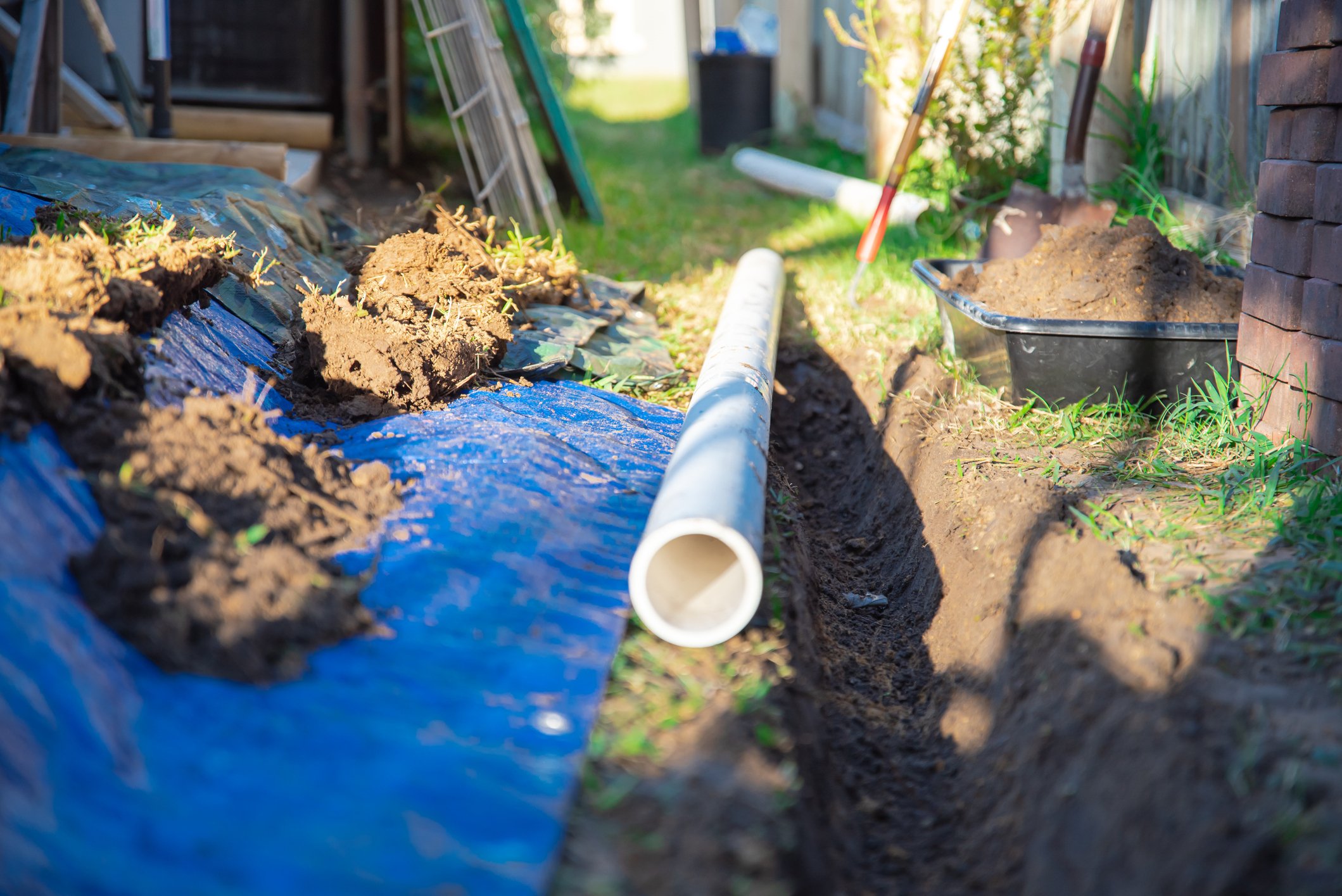
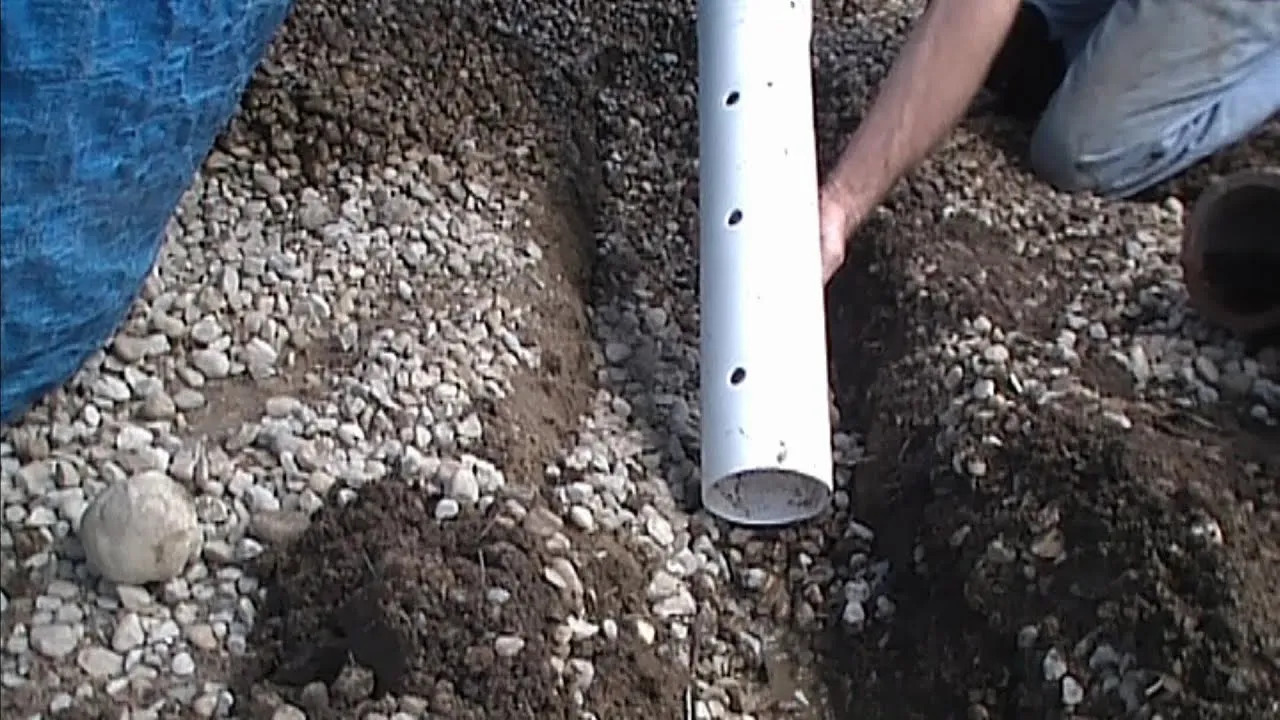
A French drain is a gravel-filled trench with a perforated pipe that redirects water away from problem areas. It’s buried underground — often near foundations, walkways, or low-lying parts of the yard. French drains are incredibly effective when properly installed.
But over time, they can fail due to: – Clogged pipes (from dirt, roots, or debris) – Poor slope or settling of the trench – Crushed or disconnected piping – Lack of filter fabric to prevent soil intrusion – Overwhelming volume of water
In short: French drains don’t last forever. And if yours was installed more than 10–15 years ago — or wasn’t installed correctly to begin with — it could already be compromised.
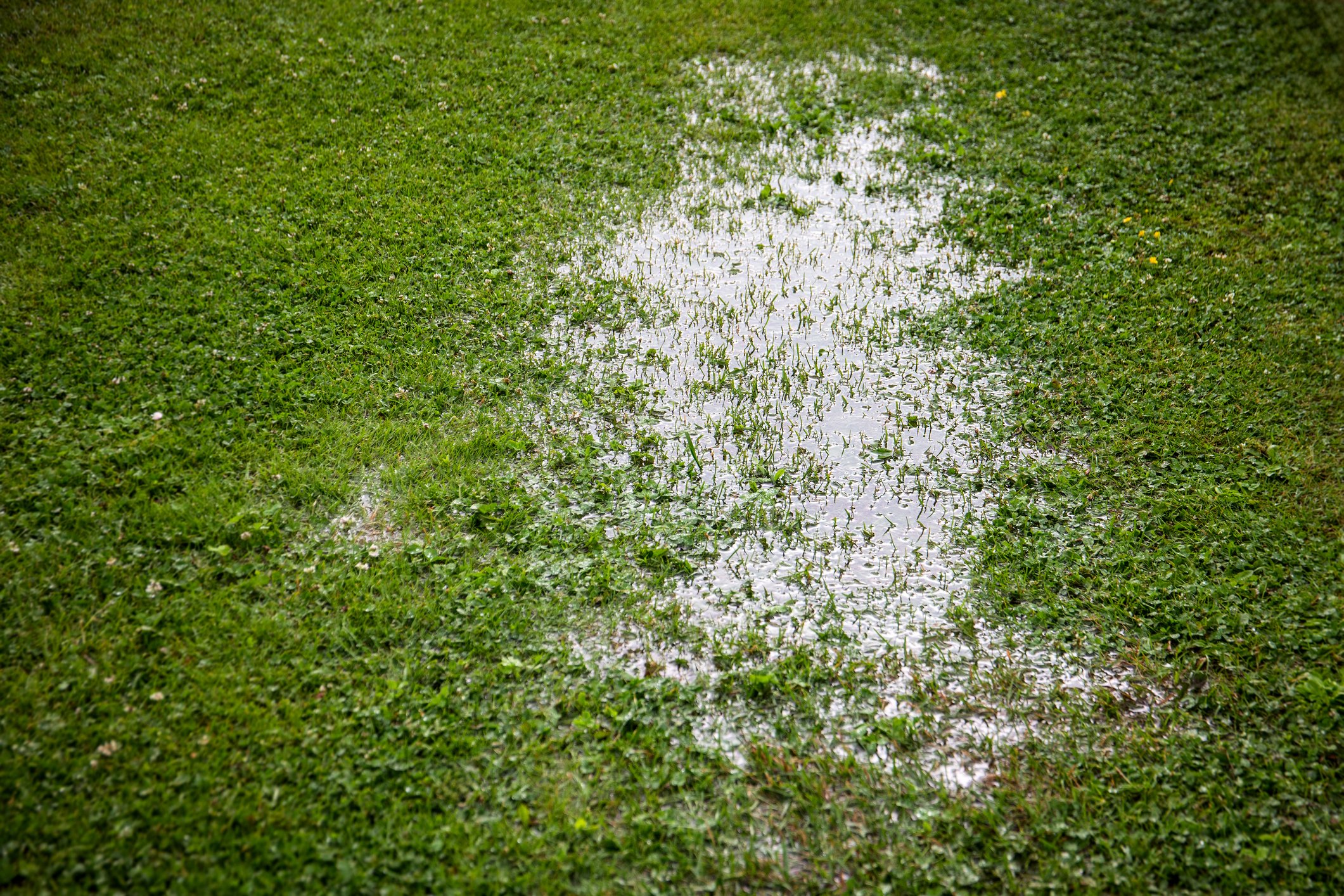
The #1 Red Flag: Water Pooling Directly Over Your French Drain
It seems backward, right? You see standing water in the exact spot you paid to have a drain installed. Here’s what that likely means:
- The pipe is clogged or crushed underground
- The trench is filled with silt and no longer drains properly
- The slope is no longer adequate (often due to settling)
This pooling is your first (and best) warning sign. If ignored, you’ll start seeing much bigger issues, like: – Saturated foundation soil – Basement leaks or sump pump overwork – Lawn erosion or sunken ground above the pipe
Other Signs Your French Drain Is in Trouble
Besides visible pooling, keep an eye out for:
1. Soggy Soil or Spongy Lawn After Light Rain
Your drain should handle average rain without issue. If the ground still feels saturated hours later, something’s wrong.
2. Smelly or Musty Areas Near the Drain Line
Water that can’t drain gets stagnant — especially in shaded or compacted areas. If your lawn smells sour, it’s a sign of poor drainage.
3. Mulch or Soil Migration
Are your landscape beds always washing out, even near a French drain? That could mean water is running around the drain, not through it.
4. Downspouts Connected to the System Back Up
If you’ve tied your roof runoff into the French drain system and water is backing up during a storm, the pipe may be clogged or overloaded.
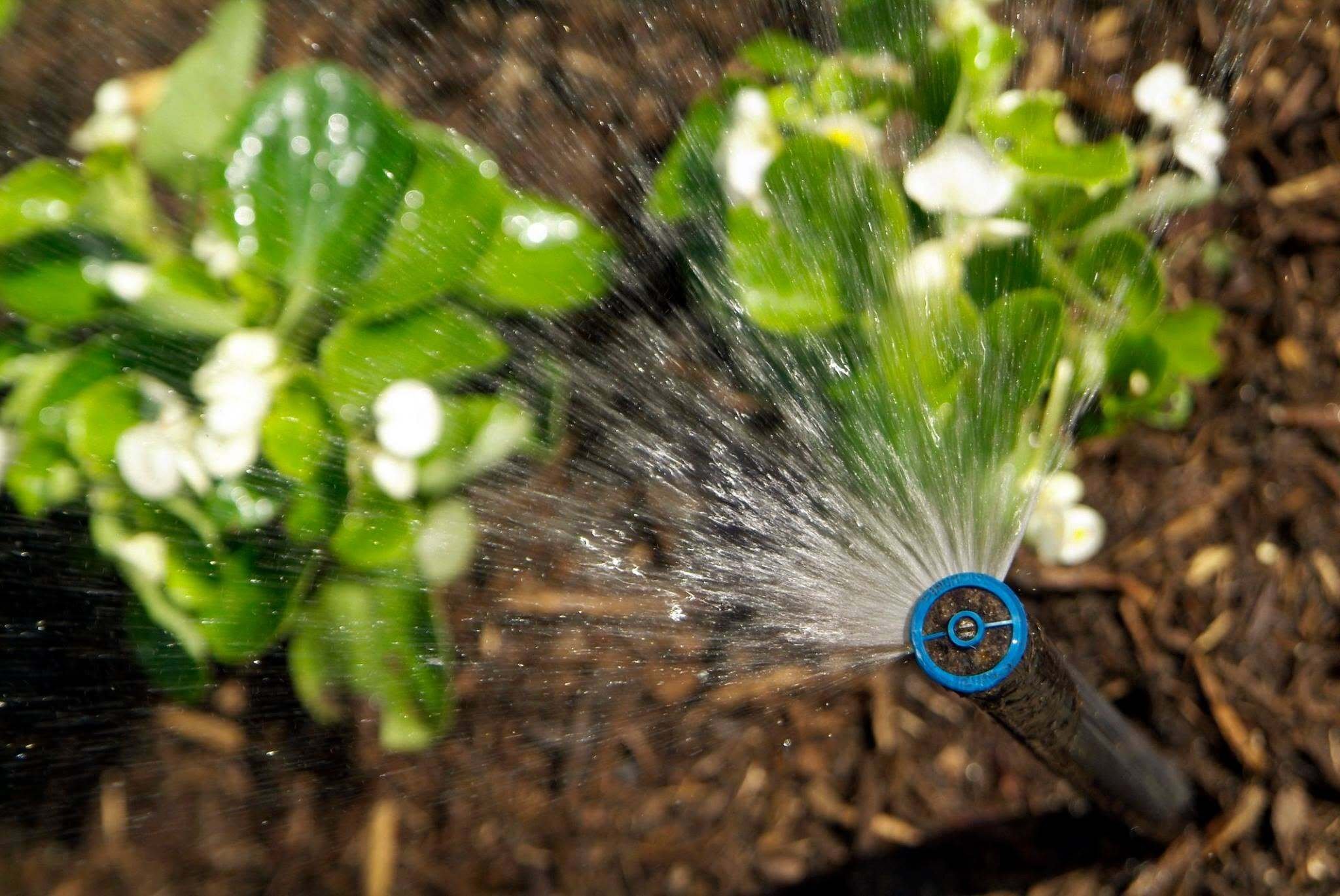
5. Gurgling or Bubbling From Pop-Up Emitters
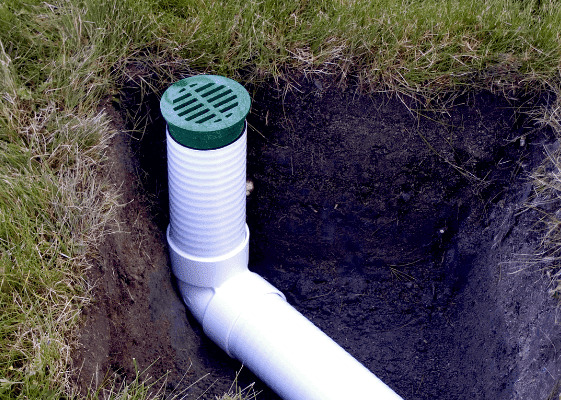
If you have a pop-up outlet at the end of your system, it should release water smoothly. Gurgling, sputtering, or delayed discharge means a backup.
What Causes a French Drain to Fail in Maryland?
Our region has some unique challenges when it comes to drainage:
- Clay-heavy soils that compact easily and don’t drain quickly
- Tree roots from maples, oaks, and poplars that invade drain lines
- Freeze-thaw cycles that shift pipes and cause settling
- Heavy storms that overwhelm older systems not designed for today’s rainfall rates
- Poor DIY installs without proper slope, fabric, or cleanouts
If your system doesn’t have the right materials or installation specs, it’s not a matter of if it will fail — it’s when.
How We Diagnose French Drain Failures at TLC
When we’re called in to check a failing French drain, here’s what we do:
- Walk the property after a rainstorm. This tells us where water is going (or not going).
- Check for pooling along the drain line. We note where puddles form and how long they linger.
- Inspect any pop-up emitters or outlets. We look for flow issues, gurgling, or dry ports.
- Camera-scope the drain pipe. In some cases, we run a video line to see what’s going on underground.
- Test slope and grade. Using laser levels, we check the pitch and identify any settling.
Our goal is to confirm whether the drain can be cleared and salvaged — or if it needs replacement.
Fixing a Failing French Drain: What Are Your Options?
✅ Jet Cleaning
For minor clogs, we can often use a high-pressure water jet to clear sediment, sludge, or organic matter.
✅ Partial Dig-and-Repair
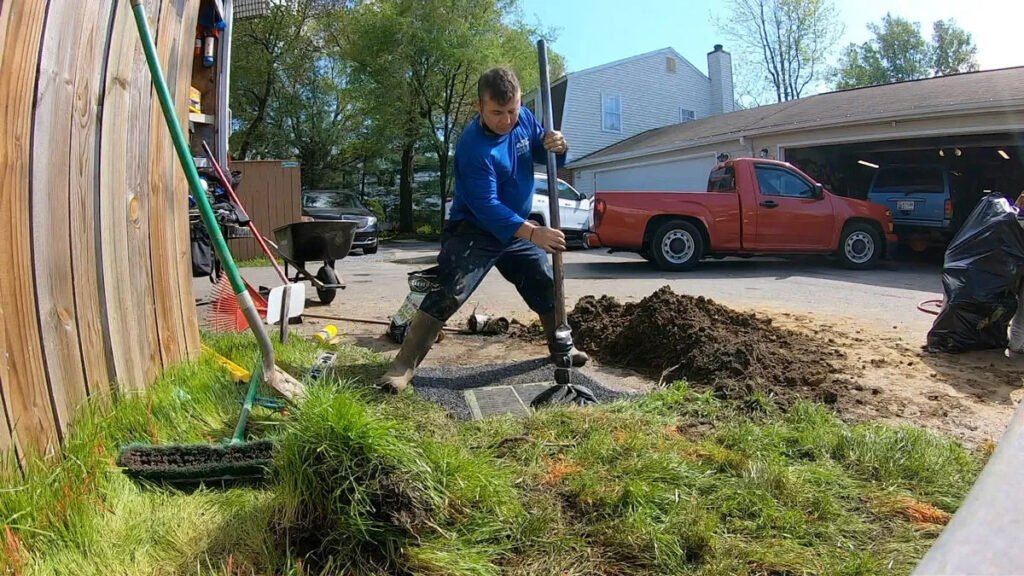
If just one section has failed (for example, where a tree root punctured the pipe), we can dig and replace the bad stretch.
✅ Complete System Replacement
If your drain lacks slope, was poorly installed, or has collapsed — replacement may be the best investment.
We build French drains the right way: – With the correct slope (1–2%) – Using filter fabric to prevent silt – Lined with clean gravel and soil separators – With cleanouts and overflow protection – Tied to smart exit points: pop-ups, dry wells, rain gardens
Real Maryland Example: French Drain Replacement in Bowie
A client had a 12-year-old French drain behind their patio that no longer worked. We found collapsed pipe, roots, and silt buildup throughout. The trench also sloped back toward the house.
We replaced the system with a properly pitched, fabric-wrapped gravel trench, tied to a dry well 30 feet away.
Cost: $5,200
Within two weeks, the client noticed: – Faster yard drying – No more puddles on the patio – Healthier grass growth near the drain line
Final Thoughts: Don’t Let a Failing Drain Fool You
It’s easy to assume a French drain is working — after all, it’s buried. But the signs of failure are there if you know where to look.
Pooling water where a drain is installed is not normal. And if you ignore it, the problems only grow — often underground, where you can’t see them until it’s too late.
Let TLC evaluate your current system. We’ll walk your yard, look for signs of trouble, and give you honest advice about what’s working and what’s not.
No pressure. Just real solutions from Maryland’s trusted drainage experts.
📞 Call (410) 721-2342 or request your free French drain check-up at TLCIncorporated.com