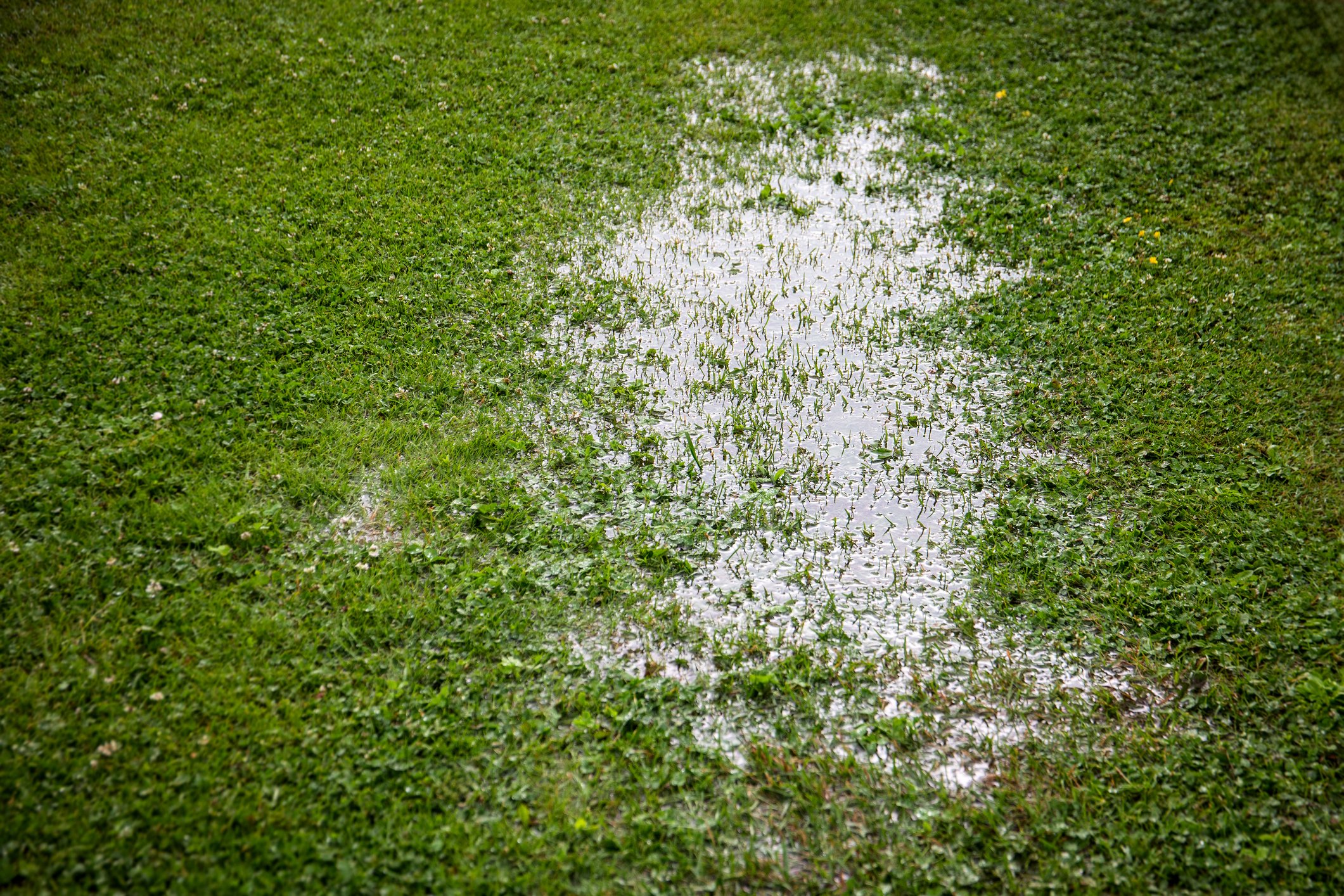
Across Maryland—Annapolis, Crofton, Bowie, Severna Park, Columbia, Upper Marlboro, and the entire Washington–Baltimore corridor—yard drainage issues are one of the top concerns homeowners face. Standing water, soggy lawns, foundation cracks, basement moisture, mulch washout, and soil erosion all point to one reality: water is not leaving the property correctly.
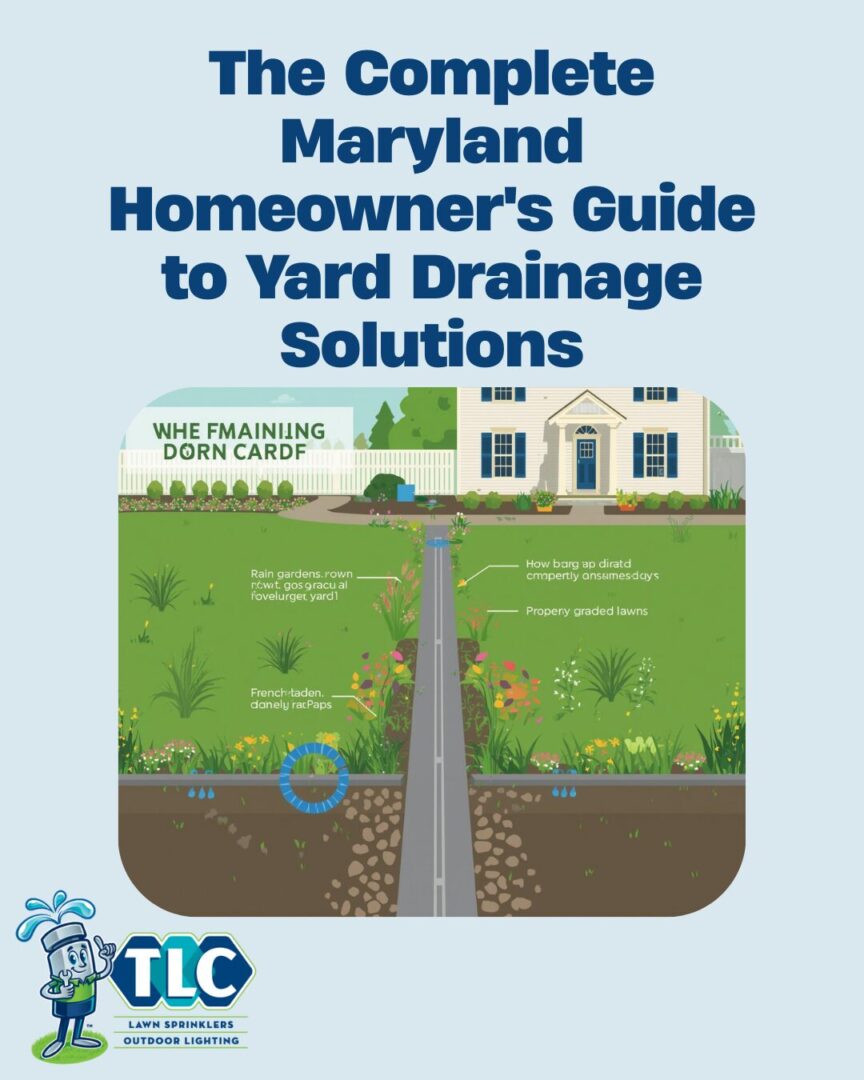
TLC Incorporated has spent more than 35 years solving these problems. This article gives Maryland homeowners a complete breakdown of the most effective drainage solutions, how they work, why they’re needed, and what to expect during installation. This is the definitive TLC guide for protecting your home.
CHAPTER 1 — THE REAL CAUSES OF YARD DRAINAGE ISSUES
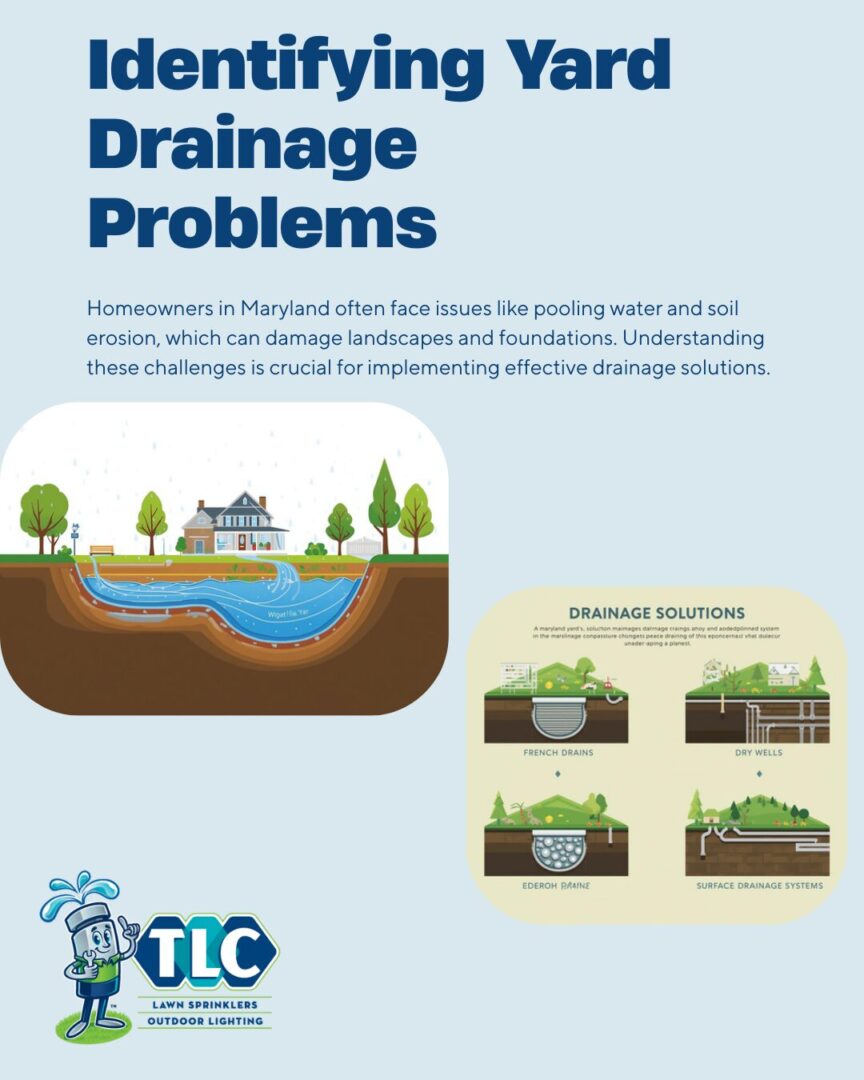
Maryland homeowners experience drainage problems for several reasons:
1. Heavy Clay Soil
Clay does not drain like sand or loam. It holds water, becomes sticky, and keeps yards wet for days.
2. Improper Builder Grading
Many developments slope toward the home instead of away from it.
3. Large Modern Roof Areas
Bigger homes shed massive volumes of water.
4. Downspouts Dumping Next to the Foundation
This overwhelms the soil and pushes water into basements.
5. Neighbor Runoff
Homes uphill send water directly into yards below.
6. Compacted Soil
Lawns with compacted soil cannot absorb rainfall.
Understanding the real cause of water problems is the first step toward choosing the right solution.
CHAPTER 2 — SOLUTION #1: PVC DOWNSPOUT DRAINAGE SYSTEMS
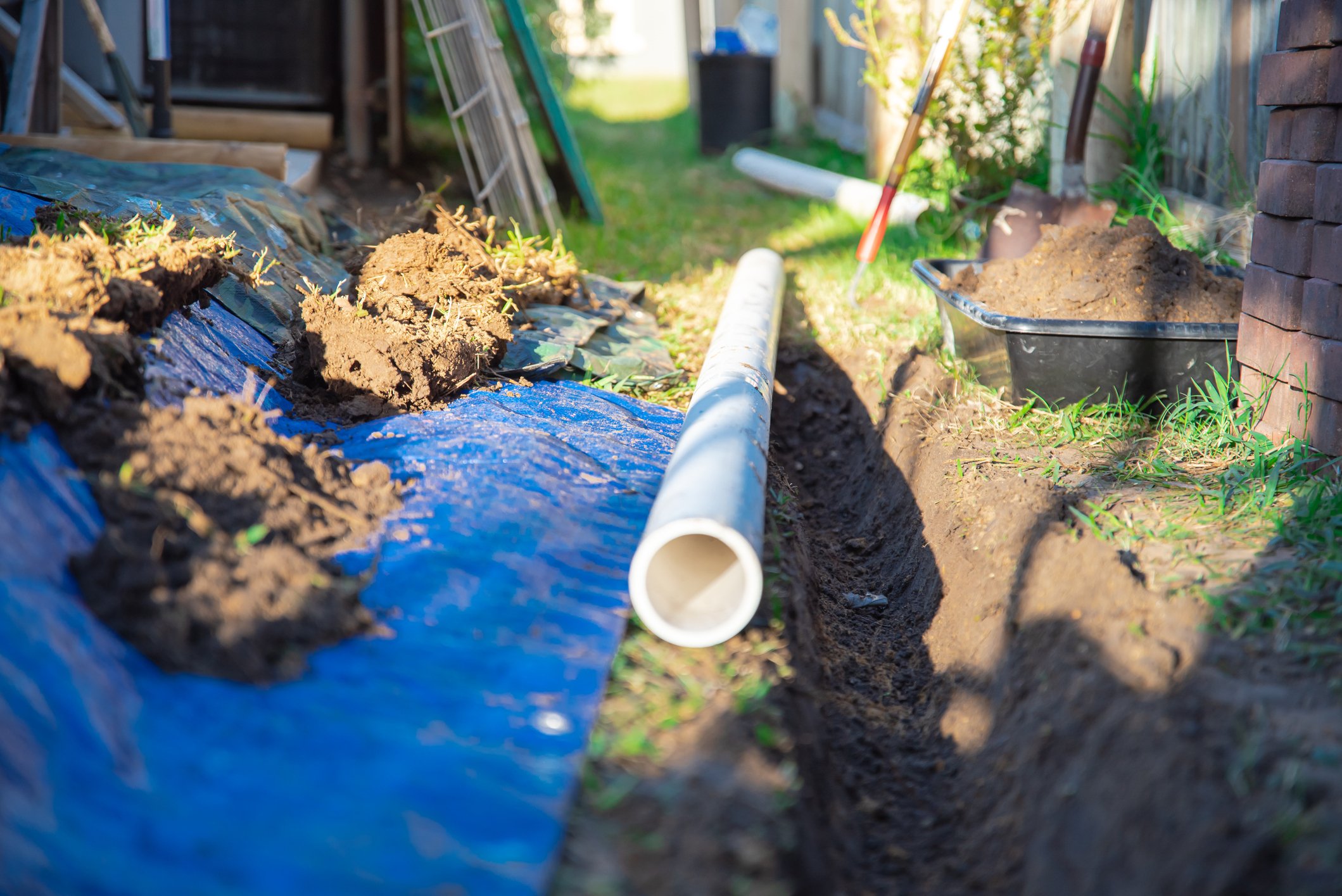
This is TLC’s most installed drainage solution because it solves the most common issue: roof water being dumped next to the home.
A downspout drainage system:
• Captures roof runoff
• Routes it underground using solid 4” PVC
• Moves it 20–200 feet away from the home
• Discharges it safely where it cannot return
Why PVC?
• Won’t crush
• Smooth inside for fast flow
• Outlasts corrugated pipe
• Handles massive rainfall
• Resistant to blockages
This is the backbone of long-term drainage protection for Maryland homes.
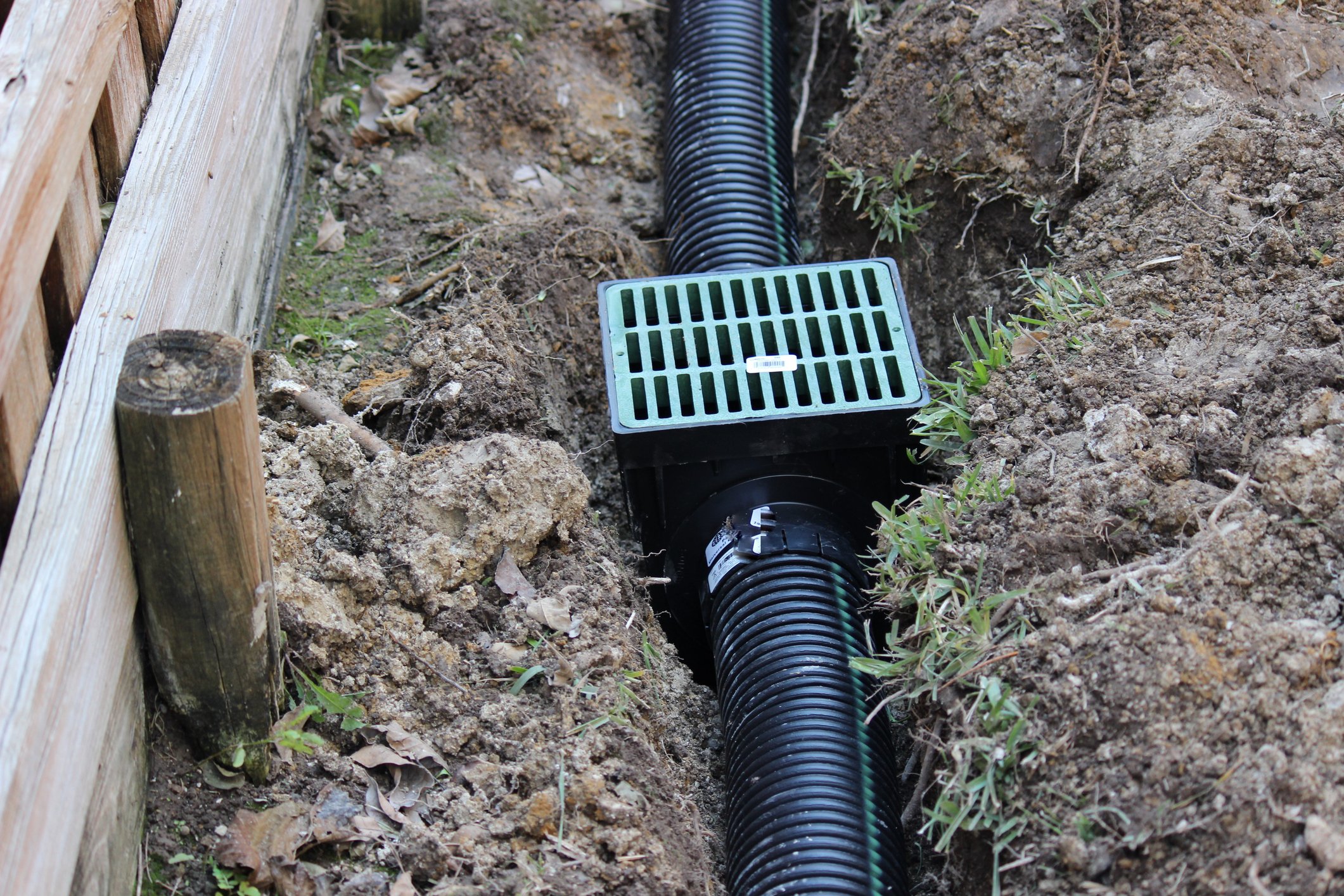
CHAPTER 3 — SOLUTION #2: FRENCH DRAINS
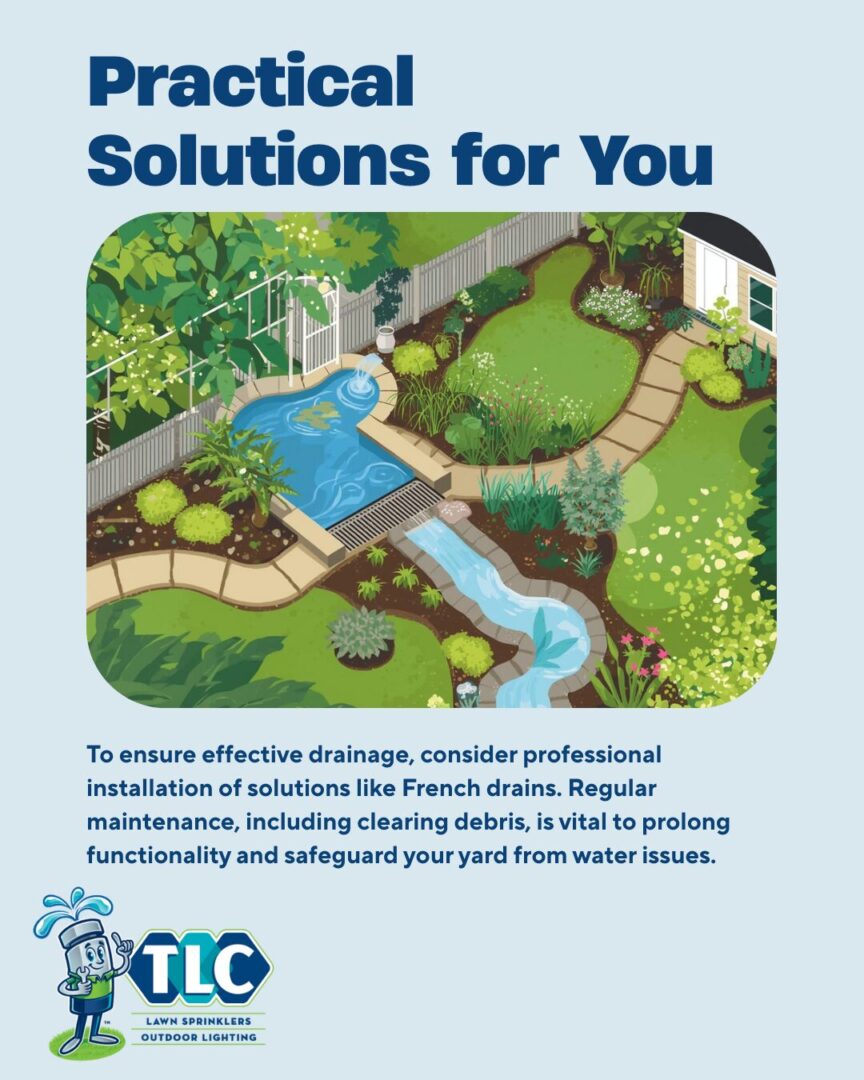
A French drain is a groundwater collection system used to fix soggy lawns and saturated soil. It is not designed for fast roof water.
French drains include:
• Deep trenching
• Perforated pipe
• Washed stone
• Landscape fabric
• Proper slope
They relieve:
• Saturated yards
• Water pooling far from the home
• Soft, muddy areas
• Low spots between homes
• Water seeping across the property
French drains are ideal when the yard itself is holding water.
CHAPTER 4 — SOLUTION #3: SUMP DISCHARGE EXTENSIONS
Most sump pump discharge lines empty just a few feet from the house—causing the sump to recycle the same water repeatedly.
TLC ties sump pumps into PVC systems that move water:
• 50–200 feet away
• To woods lines
• To pop-up emitters
• To safe discharge zones
This prevents sump pump burnout and eliminates basement moisture recirculation.
CHAPTER 5 — SOLUTION #4: SURFACE WATER MANAGEMENT (SWITCHBACKS & SWALES)
Surface water—above-ground water—requires a different strategy.
TLC uses:
• Grading improvements
• Shallow swales
• Switchback channels
• Catch basins
• Surface drains
These solutions redirect fast-moving water before it reaches the home.
CHAPTER 6 — SOLUTION #5: GRADING CORRECTION
Some drainage failures come down to simple elevation issues.
Grading solutions may include:
• Building soil up near the foundation
• Lowering soil in target zones
• Sculpting the yard to push water away
• Creating natural runoff paths
Proper grading is the foundation of proper drainage.
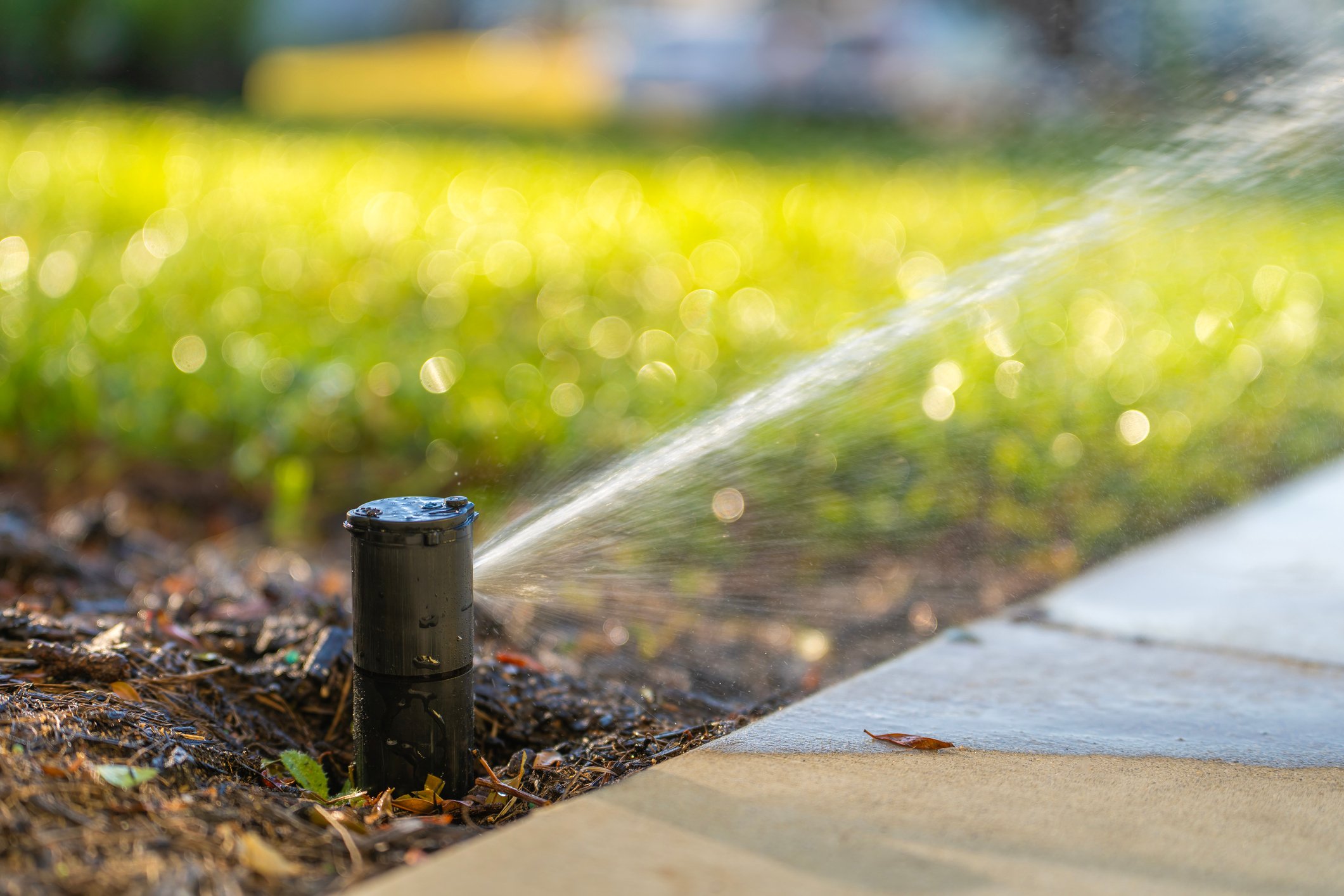
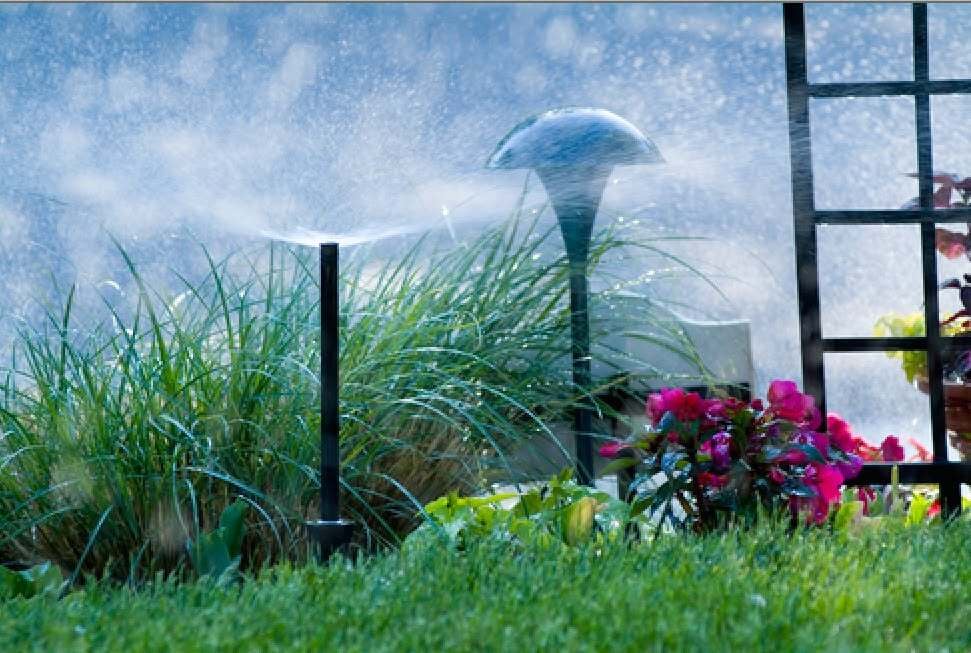
CHAPTER 7 — SOLUTION #6: POP-UP EMITTERS
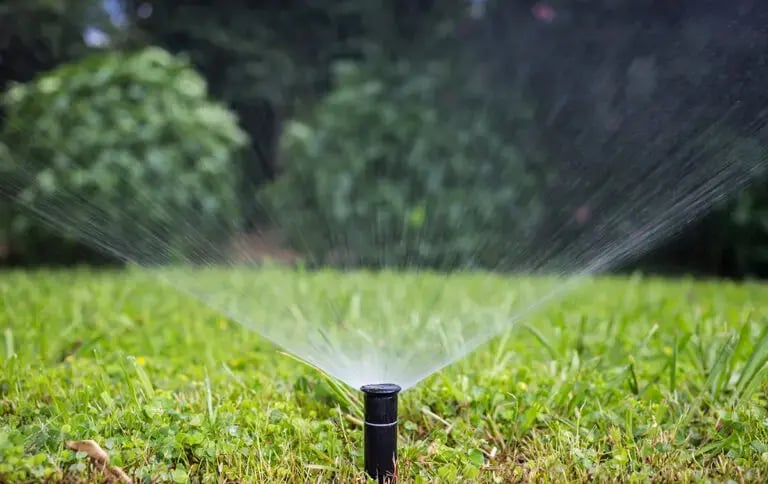
Pop-up emitters are the final outlet of many drainage systems.
They:
• Open automatically when water arrives
• Release water into grass or woods
• Hide cleanly in the landscape
• Prevent critters and debris from entering pipes
A good drainage system always ends with a safe, functional outlet.
CHAPTER 8 — SOLUTION #7: DRY WELLS & DISPERSION FIELDS
When there’s no obvious exit for water, TLC installs:
• Dry wells
• Gravel dispersion pits
• Underground chambers
These systems store and release water slowly into the surrounding soil.
CHAPTER 9 — WHY MARYLAND HOMES REQUIRE CUSTOMIZED SOLUTIONS
Maryland properties differ vastly in:
• Elevation
• Soil type
• Drainage paths
• Lot size
• Neighbor conditions
• Distance to woods
• Roof water volume
There is no one-size-fits-all approach. TLC designs each system based on real diagnostics—not guesswork.
CHAPTER 10 — WHAT A FULL TLC INSTALLATION LOOKS LIKE
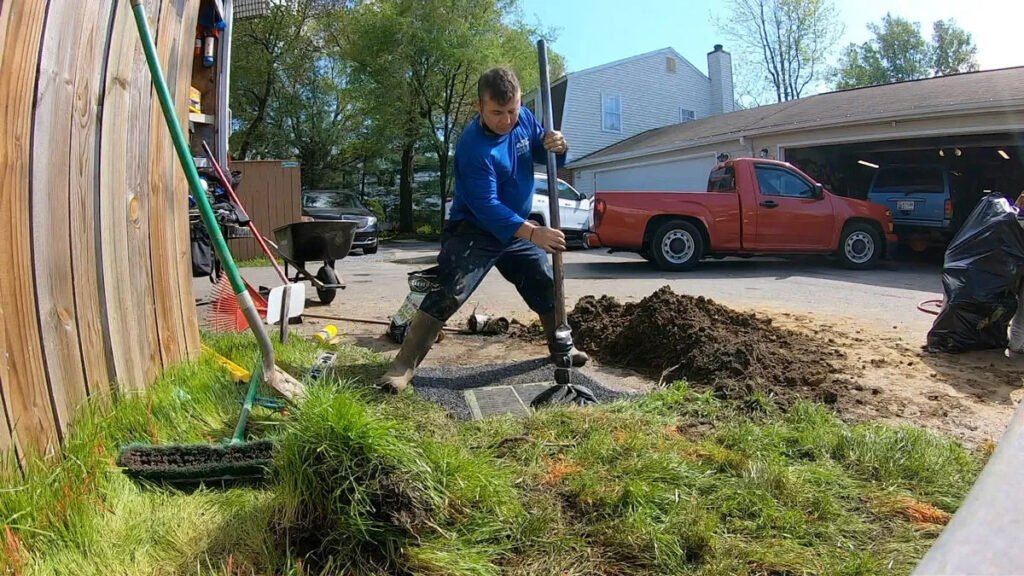
Day 1 — Diagnostics & Trenching
• Walk the property
• Test slopes
• Locate utilities
• Begin trenching
Day 2 — System Installation
• Install PVC or French drain components
• Connect downspouts
• Build discharge zones
• Add gravel & fabric
• Perform flow tests
Day 3 — Restoration
• Backfill
• Tamping
• Grading
• Seed & straw
• Final cleanup
Large systems require Days 4–7, depending on complexity.
CONCLUSION
Every Maryland home is different. Every yard handles water differently. And every drainage system must be designed around the soil, slope, roof size, and long-term water patterns of the property.
TLC has spent decades engineering drainage solutions that last. Whether you need PVC lines, French drains, grading correction, sump discharge extensions, or a multi-zone approach, TLC builds systems that solve water problems the first time—and keep your home protected for decades.