Lawn erosion doesn’t happen all at once. It’s slow, sneaky, and in most Maryland backyards — nearly invisible until it becomes a real (and expensive) problem. At TLC, we’ve helped thousands of homeowners catch and correct erosion before it ruined their lawns, landscapes, or foundations.
The trick? Knowing what to look for — because erosion doesn’t always mean gaping holes or muddy trenches. In fact, the most common signs are subtle. Below, we’ll walk you through the hidden signals we see every day in places like Annapolis, Severna Park, Bowie, Columbia, and throughout central Maryland.
What Causes Lawn Erosion in the First Place?
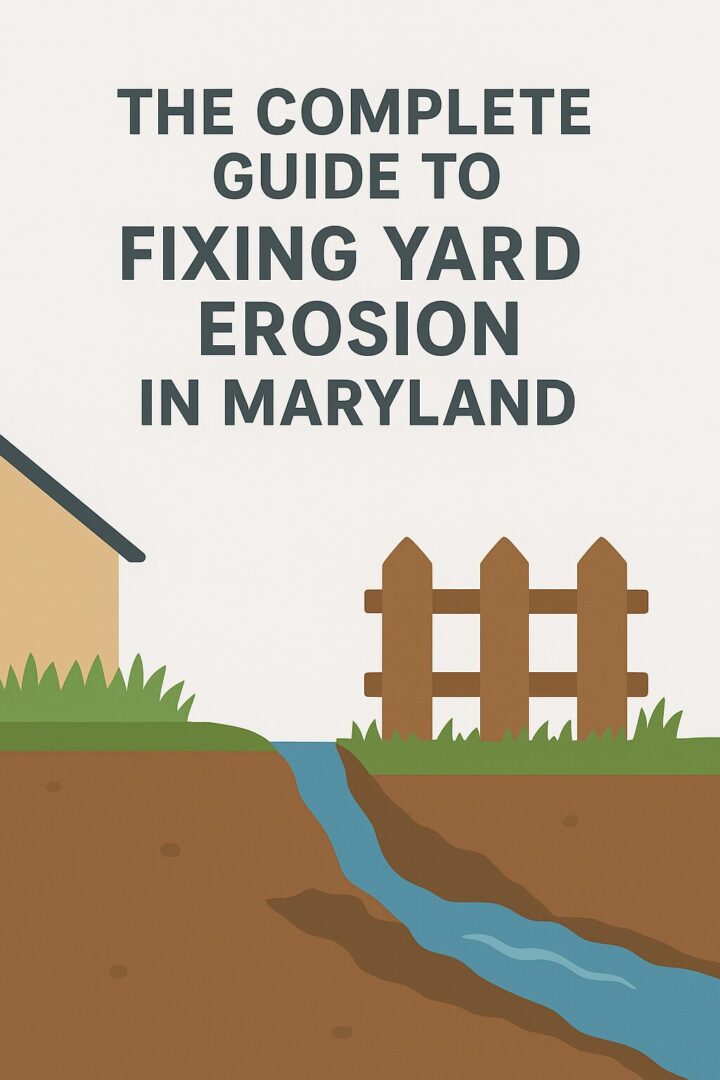
Erosion happens when water — from rain, gutters, irrigation, or slope — slowly strips away the top layer of soil. Without healthy topsoil, your lawn loses its ability to support grass, manage water, and stay level.
In Maryland, the most common causes we see include: – Downspouts dumping too close to the house – Improper slope or grading – Compacted or clay-heavy soil – Poorly placed landscape beds or edging – Sidewalk or driveway runoff
Erosion is often worsened by the freeze-thaw cycles in Maryland’s climate, which loosen soil and disrupt roots each season.
1. Bare Spots That Keep Getting Bigger
If certain areas of your lawn never seem to grow grass — or get worse after every storm — erosion is likely at play. Watch for: – Patches where grass seed won’t take – Dirt that’s constantly washing away – Mulch that won’t stay put
What’s really happening: topsoil is being stripped away, and water can’t soak in properly. Over time, this can lead to gulleys, ruts, or even root exposure for nearby trees and shrubs.
2. Tree Roots Showing Around the Base
Roots that seem to “rise” out of the lawn? They’re not growing up — the soil is disappearing. When we see exposed roots near trees, it usually means: – Rain is running off instead of soaking in – Tree roots are anchoring in soil that’s thinning every year
This stresses your trees and makes mowing more dangerous (not to mention it looks rough). It also increases trip hazards and makes the soil more vulnerable to drying out in summer.
3. Standing Water or Soggy Soil After Rain
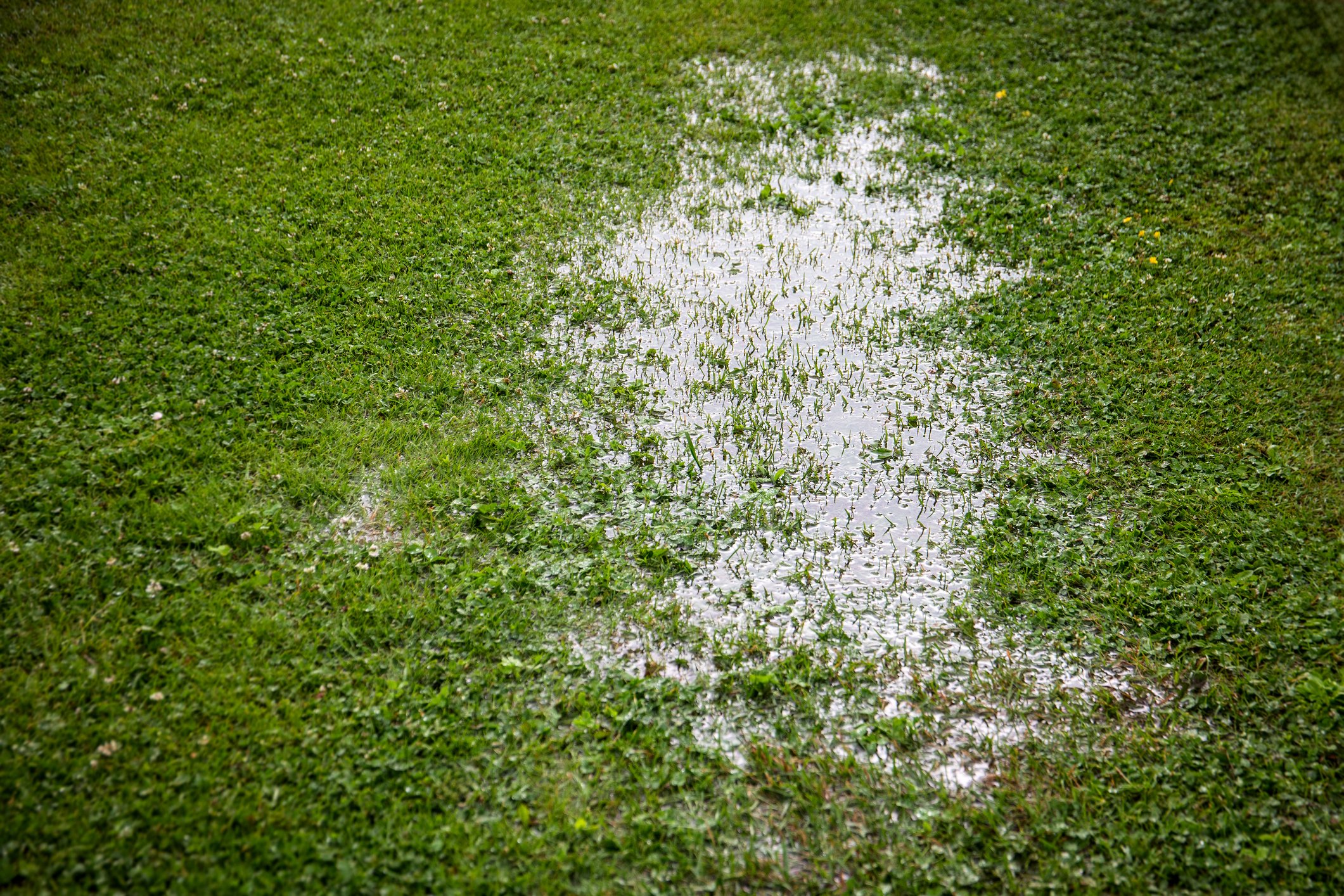
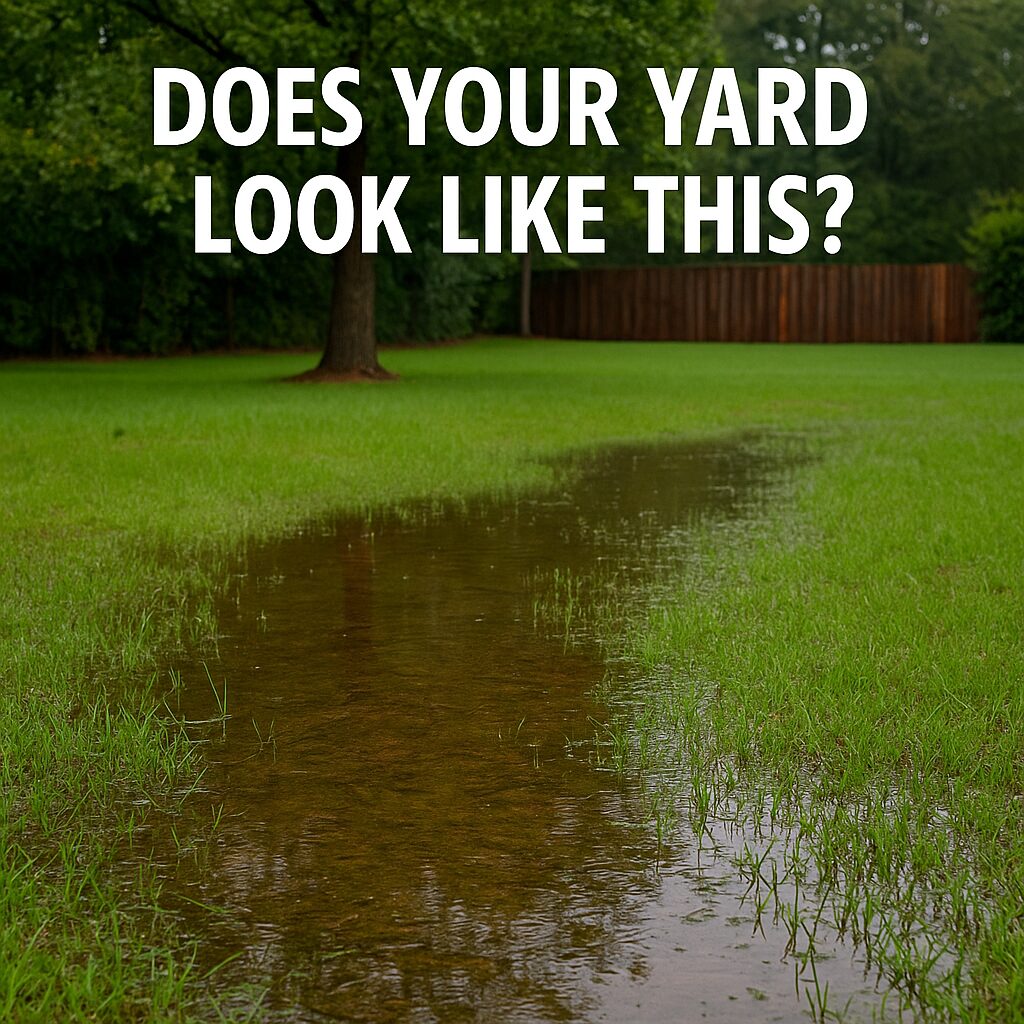
Here’s the confusing part: erosion doesn’t always mean dry soil. In many cases, the surface washes away, but compacted subsoil underneath holds water. This can leave: – Soggy patches after every rainfall – Soft, squishy ground underfoot – Water that drains toward your foundation
Eventually, that trapped water can find its way into your basement, crawl space, or patio footers. Worse, it promotes mold and mildew around the home.
4. Mulch Migration (When Your Beds Spill Into the Lawn)
Have you ever mulched a beautiful flower bed — only to find it scattered across the lawn after a heavy rain?
That’s a key red flag.
When runoff flows too quickly over landscape beds, it picks up: – Mulch – Soil – Fertilizer
…and dumps it elsewhere. This not only creates a mess, but robs your plants of nutrients. It also means your edging is either failing or isn’t placed for proper water direction.
It’s especially common on sloped beds or improperly leveled landscape timbers.
5. Cracks in the Lawn Surface
Cracking isn’t just a drought problem. It can also mean: – Water is running beneath the surface – Soil is settling or collapsing – Erosion is forming underground channels
These cracks can worsen with freeze/thaw cycles or during heavy rains. If left untreated, they’ll impact turf health and surface evenness.
You may also notice “sinking spots” where the soil has compacted or washed out below the surface.
6. Washouts Along Sidewalks or Driveways
Sidewalks and driveways are common erosion hot spots — especially when downspouts dump water toward them. Signs to look for: – Edging that’s crumbling or disappearing – Dirt washing onto walkways – Puddles where water should be draining away
In some cases, we’ve seen entire walkways buckle due to long-term soil washout underneath.
Even if the damage isn’t visible yet, the support under hard surfaces may be weakening every time it rains.
7. Grass That Looks Stressed Even With Water
If you’re watering, mowing, and feeding your lawn — but parts still look unhealthy — erosion may be the underlying cause. Without a stable base, grass roots can’t hold on. What you’ll see: – Yellowing or thinning areas – Grass that looks “washed out” – Areas that are more weed-prone or patchy
Soil that’s too loose or too thin can’t support dense turf. And once erosion starts, it often gets worse after each storm.
8. How to Tell If Your Sump Pump Is Undersized for Your Home
A poorly draining yard may not be the only issue — your sump pump could be too small. Here’s how to tell: – Your sump pit fills up quickly during storms – The pump runs constantly and still can’t keep up – Water backs up near your foundation or patio
Many older homes in Maryland were built with undersized or outdated sump systems. If the pump can’t move water fast enough, your yard drainage efforts won’t be enough.
At TLC, we can evaluate your entire drainage setup — including whether your sump pump is the weak link.
How We Fix Lawn Erosion in Tight or Tricky Yards
At TLC, our erosion solutions are tailored to your specific site — and often involve a mix of approaches:
✅ Micro-drain trenches
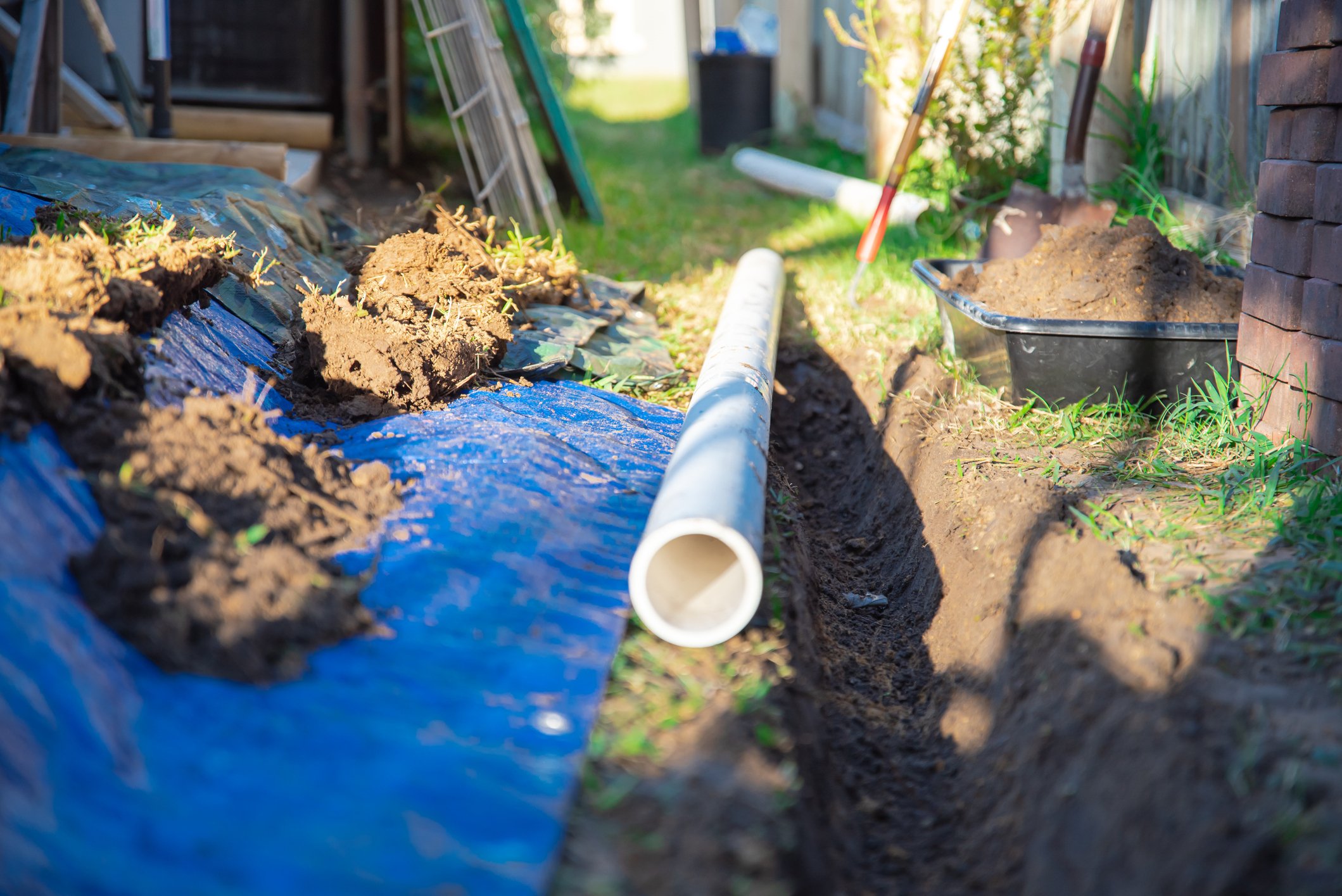
Perfect for tight side yards or runoff zones — these move water efficiently underground without ripping up your whole lawn.
✅ Downspout extensions under sidewalks
Redirects roof runoff away from your foundation and out to safer zones. Keeps your home and walkways protected.
✅ French drains or dry creek beds
Great for larger problem areas where surface water collects. They look natural and blend into the landscape.
✅ Grading corrections and soil rebuilding
We recontour low spots, repair topsoil layers, and restore lawn surfaces for better long-term performance.
✅ Rain gardens
For eco-conscious homeowners, rain gardens help manage runoff naturally and attract birds and butterflies in the process.
✅ Sump pump upgrades
In some cases, we’ll recommend upgrading your sump system to support improved water flow across the entire yard.
Real Maryland Examples
🏡 Annapolis, MD – A client with chronic mulch washouts and tree root exposure. We added two micro-drain trenches and corrected a slope around the walkway. Problem solved — and the beds have held beautifully for two seasons.
🏡 Ellicott City, MD – A yard with a sinkhole forming near a retaining wall. Our team found an underground runoff path and rebuilt the base with better subsoil. We also tied downspouts into a pop-up emitter 30 feet away.
🏡 Severna Park, MD – A lawn that stayed soggy for days after rain. We discovered hidden compaction and installed a series of French drains with gravel overflow zones.
🏡 Bowie, MD – Homeowner had an undersized sump pump paired with poor backyard grading. We rerouted downspouts, installed a deeper drain basin, and upgraded their pump. The difference was night and day after the first big storm.
🏡 Columbia, MD – A shady yard with compacted clay soil and surface runoff. We installed a rain garden and underdeck drainage system to capture and redirect water.
Final Thoughts: Don’t Wait for the Damage to Show
By the time erosion becomes obvious, it’s often expensive to fix. But when you catch the early signs — the bare spots, soggy turf, shifting mulch — you can stop the damage before it spreads.
Even better: you can make your lawn healthier, your home safer, and your landscape more beautiful in the process.
At TLC, we don’t just move water. We protect homes, restore lawns, and give you peace of mind.
Need a second opinion? Schedule a free lawn drainage assessment today. We’ll walk your property, explain what’s happening, and give you honest, actionable advice — no pressure, ever.
☎️ Call (410) 721-2342 or request a visit at TLCIncorporated.com
Because erosion doesn’t have to be obvious to be serious. And with a little TLC, your lawn can bounce back stronger than ever.