If your lawn sprinkler system is seven years old or older, upgrading the controller, rain sensor, heads, and nozzles can significantly improve efficiency and performance. Many Maryland homeowners see water savings of 48% to 52% after modernizing, along with healthier lawns, fewer fungus problems, less mowing, and lower long-term maintenance costs. The catch is that most homeowners don't realize their system is outdated, because it still appears to work — water comes out of the heads, the controller turns on, the lawn looks green. But after more than 42 years in irrigation, I can tell you a system can run every day and still waste a tremendous amount of water.
Most homeowners don't need a brand-new sprinkler system. They need a better version of the one they already have. — Bob Carr, TLC Incorporated
How Long Does a Sprinkler System Last?
The answer surprises people: the underground piping in a properly installed system can last for decades. Usually, the pipe isn't the problem — the technology attached to it is.
Think of a smartphone from seven years ago. It still turns on and makes calls, but it's far less capable than today's models. Irrigation ages the same way. Controllers fall behind, rain sensors drift out of accuracy, heads wear down, nozzles lose efficiency, and coverage becomes uneven. The system still runs; it just doesn't run as efficiently as it once did.
At TLC, seven years is often where systems start showing this kind of aging — not failure, aging. The lawn may still be green, and every zone may still fire, but behind the scenes, the system is often applying far more water than necessary. Today's technology can adjust schedules to local weather, skip watering during rain, improve distribution uniformity, and cut runoff, overspray, and overall usage.
|
System Age |
Typical Recommendation |
|
0–5 years |
Maintain and repair isolated issues as needed. |
|
5–7 years |
Evaluate efficiency, controller settings, rain-sensor performance, and head/nozzle condition. |
|
7–10 years |
Strong candidate for a VIP Upgrade evaluation. |
|
10+ years |
Full system evaluation to weigh modernization against broader repairs. |
What a Modern Upgrade Includes
Smart Controllers (Like Hydrawise)
Older controllers run fixed schedules — they do exactly what they were programmed to do, even when the weather changes. A smart controller like Hydrawise adjusts watering based on weather, lets you manage the system from your phone, and reduces unnecessary watering. Is it the only good option? No — but after working with many technologies over the years, we've found it one of the strongest for modernizing an older system.
Wireless Rain Sensors
A rain sensor looks minor, but it's one of the most important water-saving devices on the property, preventing the system from running during rain. The problem is that older sensors often fail quietly — no alert, no warning. The system simply keeps watering.
Sprinkler Heads and Nozzles
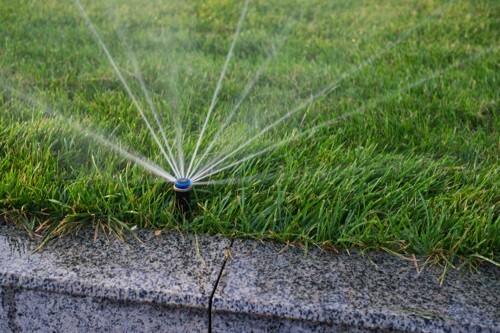
Heads wear constantly from sun, mowing, landscaping, and soil movement, so spray patterns drift and coverage gets inconsistent. Nozzles are even more overlooked: older ones create uneven coverage, runoff, and waste, while modern high-efficiency nozzles distribute water far more evenly. A nozzle looks small, but multiplied across a whole property, the impact is substantial.
Can an Upgrade Really Save Water?
Every property and system is different, but many homeowners who complete a TLC VIP Upgrade see water savings of 48% to 52%. The reason is simple: older systems tend to water longer rather than smarter. Combine a smart controller, a working wireless rain sensor, new heads, high-efficiency nozzles, and professional optimization, and the difference can be dramatic.
Repair vs. Upgrade: Which Makes More Sense?
Many homeowners assume that if a system can be repaired, it should be. Sometimes that's right — repair makes sense when a system is relatively new with an isolated issue like a broken head, damaged wire, leaking fitting, or valve problem. But once a system is seven years or older, homeowners often find themselves repairing outdated technology piece by piece: the controller one year, the rain sensor the next, then heads, then nozzles.
|
Option |
Best For |
Limitations |
|
Repair |
Newer systems or isolated failures |
Doesn't address outdated technology or overall efficiency |
|
VIP Upgrade |
Systems 7+ years old with efficiency issues |
Higher upfront cost than a small repair |
|
Full Replacement |
Severely damaged or poorly installed systems |
Highest cost; usually unnecessary for VIP candidates |
Is a VIP Upgrade Right for You?
A VIP Upgrade is an excellent choice for many homeowners, but not everyone. An honest recommendation includes both sides.
Pros: lower water usage, a healthier lawn, less fungus pressure, better coverage, modern technology, and fewer recurring service calls.
Cons: an upfront investment, savings that vary by property, and the chance that older systems still need future repairs to parts not covered by the upgrade.
You may NOT need an upgrade if your system is under five years old, you recently added a smart controller, your rain sensor works properly, your heads and nozzles were recently replaced, or the system already runs efficiently. One of the fastest ways to build trust is telling homeowners when not to spend money — that's how we've always done business.
Common Myths About Upgrades
“My system works fine.” It may work — the real question is whether it works efficiently. Those aren't the same thing.
“If nothing's broken, I don't need an upgrade.” Sometimes upgrades happen because technology improves, not because something failed — the same as with phones, cars, or HVAC controls.
“A green lawn means my system is efficient.” A lawn can be green and still be overwatered.
Real Maryland Homeowner Stories
At a waterfront property near Annapolis, the lawn and gardens looked outstanding, but water usage was extremely high. Nothing was broken — the system was simply running on an older controller and inefficient nozzles. A green lawn doesn't always mean an efficient one.
A Davidsonville homeowner told me, “Bob, I don't think I need an upgrade — everything seems fine.” We found an older controller, worn heads, and nozzles that were no longer distributing water well. Nothing had failed; the technology had just fallen behind. After the upgrade, he couldn't believe how much better it ran.
What Happens During a TLC VIP Evaluation?
A VIP Evaluation is more than a quick look at the controller. We assess the whole system to find ways to improve efficiency, performance, and long-term value:
- Controller: age, function, programming, and scheduling efficiency.
- Rain sensor: function, communication, and whether it shuts the system down during rain.
- Sprinkler heads: condition, spray patterns, overspray, wear, and coverage.
- Nozzles: distribution, uniformity, and upgrade opportunities.
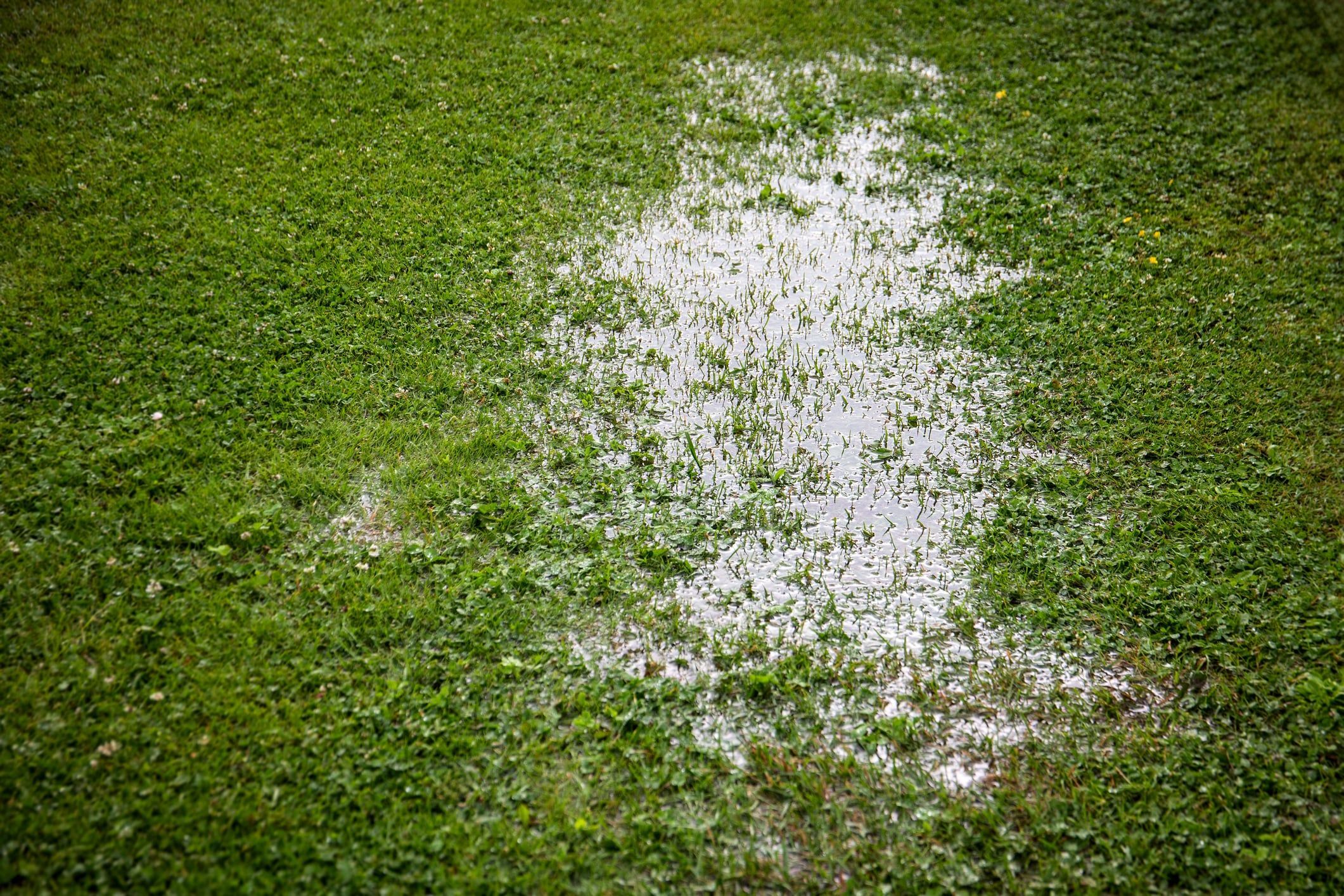
- Coverage: dry spots, wet spots, runoff, and inefficient patterns.
- Working and working efficiently are not the same thing.
- Sprinkler systems can become technologically outdated after about seven years.
- Smart controllers, wireless rain sensors, and high-efficiency nozzles cut waste and improve coverage.
- Overwatering can feed fungus and require extra mowing.
- Many homeowners see 48%–52% water savings after a VIP Upgrade.
- Not every system needs an upgrade — an honest evaluation should tell you either way.
The goal is simple: the right amount of water, in the right place, at the right time.
What Does a VIP Upgrade Cost?
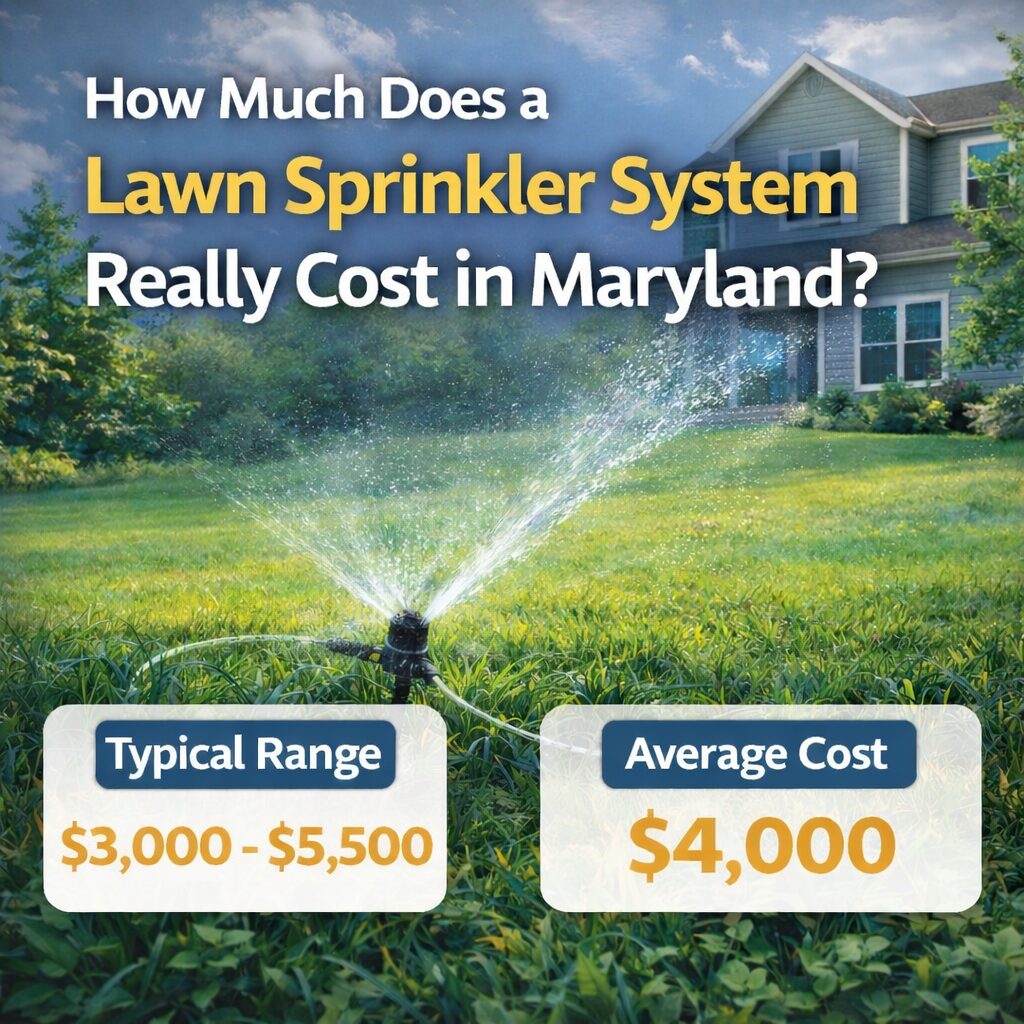
The honest answer is that it depends. Pricing typically reflects the number of zones, your existing controller, rain-sensor condition, the number of heads and nozzles, property size, and overall system condition. What we can say with confidence is that a VIP Upgrade costs significantly less than replacing an entire system — we're modernizing it, not rebuilding it.
Top 10 Signs Your System Is Ready for a VIP Upgrade
- Your system is seven years old or older.
- Your water bills keep increasing.
- You have recurring lawn fungus.
- Your controller looks outdated.
- Your rain sensor rarely activates.
- Water sprays sidewalks or driveways.
- You have dry spots.
- You have wet spots.
- You are constantly repairing the system.
- Your lawn never looks as good as it should.
Frequently Asked Questions
How long do sprinkler heads last?
Many last for years, but performance gradually declines due to weather, mowing, landscape work, and normal wear.
Can a smart controller lower my water bill?
In many cases, yes — it reduces unnecessary watering and improves scheduling efficiency.
Can a rain sensor save water?
Yes. A properly functioning rain sensor prevents unnecessary watering during rainfall.
Can sprinkler systems cause fungus?
Overwatering can encourage fungus, especially in Maryland's humid summers.
Do I need a completely new sprinkler system?
Usually not. Many homeowners benefit from modernizing the existing system rather than replacing it.
Can I upgrade only the controller?
Sometimes. But if the heads, nozzles, and rain sensor are also outdated, a controller-only upgrade may not capture the full efficiency gain.
How often should sprinkler systems be evaluated?
A seasonal inspection helps, and systems seven years or older should be evaluated for technology and efficiency upgrades.
Is a VIP Upgrade tax-deductible?
Irrigation upgrades are generally treated as home-improvement expenses, but tax situations vary — ask your tax professional.
Key Takeaways
If This Were My Home
Homeowners ask me all the time, “Bob, what would you do if this were your house?” If my system were seven years or older, I'd want to know three things: Is it running efficiently? Is it using more water than necessary? Has technology improved enough to justify an upgrade? If the answers pointed to wasted water or recurring lawn problems, I'd modernize. If the system were already efficient, I'd leave it alone and maintain it.
After more than 42 years, I've learned the best systems aren't the newest ones — they're the ones that keep evolving with better technology. If yours is seven years or older, a TLC VIP Evaluation may be one of the smartest investments you can make in your lawn and your long-term water efficiency. Not because something is broken, but because something better may now be available.
Schedule a TLC VIP Evaluation, and we'll assess your system, answer your questions honestly, and tell you whether an upgrade makes sense — and if it doesn't, we'll tell you that too. That's how we've done business for more than 42 years.