If you’re seeing soil washing away, mulch disappearing after every storm, or parts of your yard slowly sinking or shifting, you’re likely dealing with erosion.
And when that starts happening, homeowners across Maryland, DC, and Northern Virginia all ask the same thing:
👉 “What’s this going to cost to fix—and how bad is it really?”
That’s the right question.
Because erosion isn’t just a cosmetic issue. It’s a sign that water is moving across your property in a way it shouldn’t—and if left unchecked, it can lead to much bigger (and more expensive) problems.
After more than 42 years working on drainage and landscape issues throughout the DMV, I can tell you this:
👉 Erosion is almost always a symptom of a larger drainage problem.
So let’s break this down clearly—what causes it, what it costs to fix, and how to think about it the right way.
The Short Answer
💰 Typical Cost to Repair Erosion Damage:
$1,500 to $20,000+
That’s a wide range—but erosion problems vary significantly depending on how severe they are and what’s causing them.
What Is Erosion (And Why It Happens)
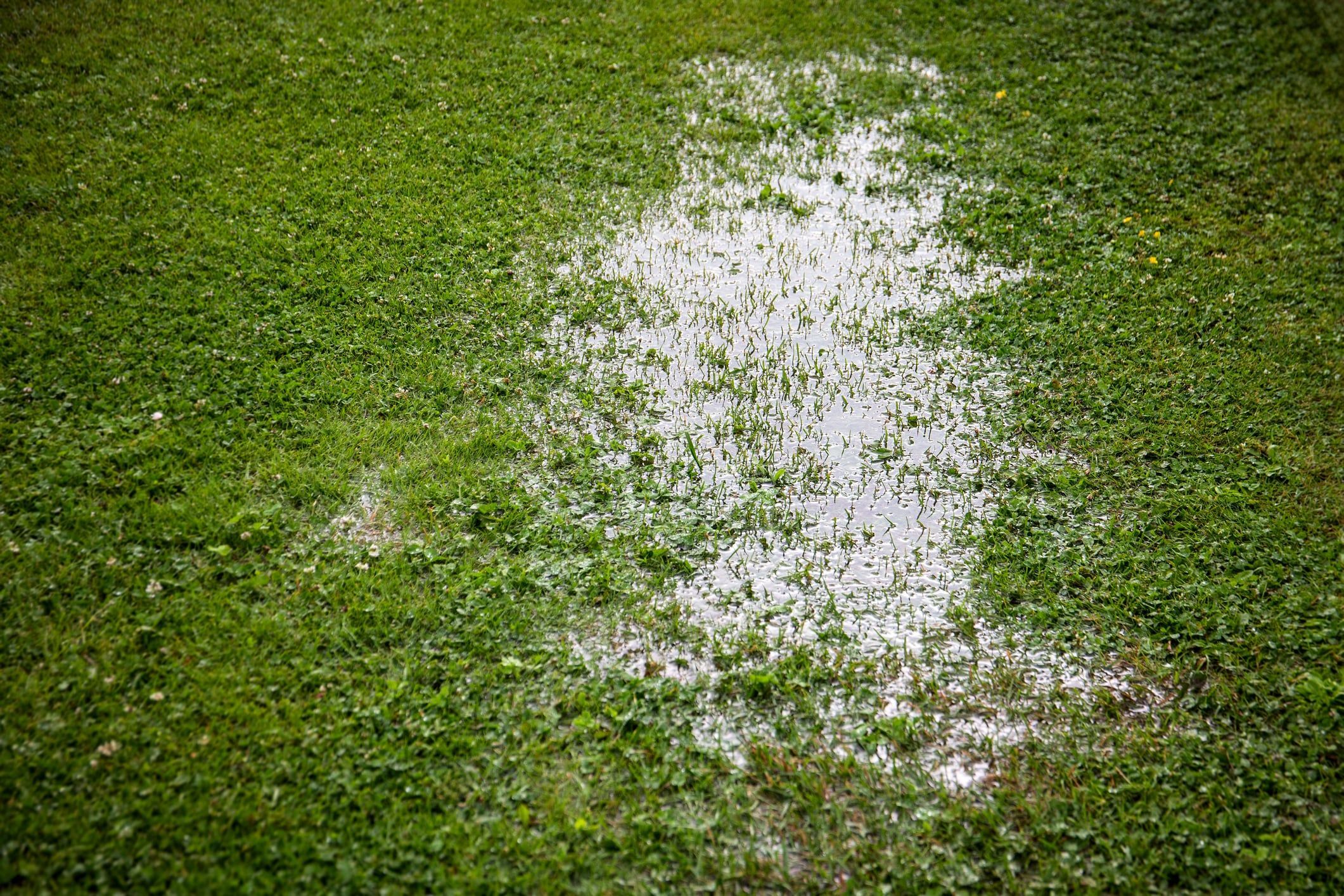
Erosion occurs when water moves across your property with enough force to carry soil with it.
Over time, that movement can: – Wash away topsoil – Create low spots or trenches – Damage landscaping – Expose roots and foundations
In simple terms:
👉 Water is reshaping your yard—and not in a good way
The Most Common Causes of Erosion
1. Poor Drainage
This is the biggest cause.
If water isn’t properly directed, it will find its own path—often across your yard.
2. Improper Grading
If your yard slopes incorrectly, water accelerates instead of dispersing.
That increased flow leads to erosion.
3. Downspouts Concentrating Water
Downspouts that dump water in one area can create strong runoff paths.
4. Lack of Ground Cover
Areas without grass, mulch, or plant coverage are more vulnerable to erosion.
5. Heavy Rain and Soil Conditions
In the DMV, clay-heavy soil and heavy storms make erosion more likely over time.
What Drives the Cost of Repairing Erosion?
1. Severity of the Damage
Minor surface erosion: 👉 Lower cost
Deep washouts or structural impact: 👉 Higher cost
2. Size of the Affected Area
A small section of yard is much easier to repair than a full-property issue.
3. Root Cause of the Problem
Fixing the damage is one thing.
Fixing the cause is another.
If drainage issues are involved, costs increase—but so does long-term success.
4. Type of Solution Required
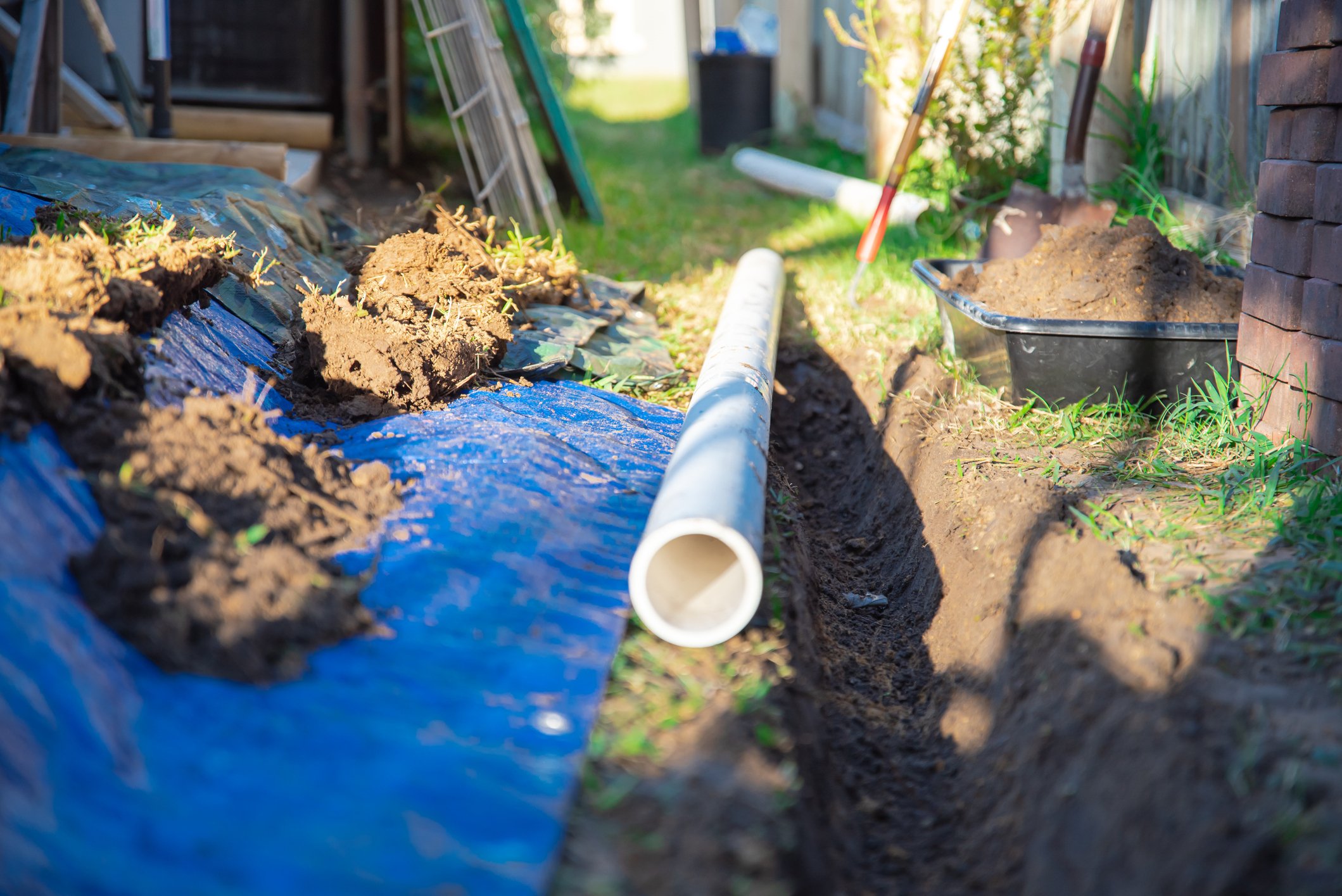
Solutions may include: – Regrading – Drainage systems – Soil stabilization – Erosion control materials
Each adds to the cost.
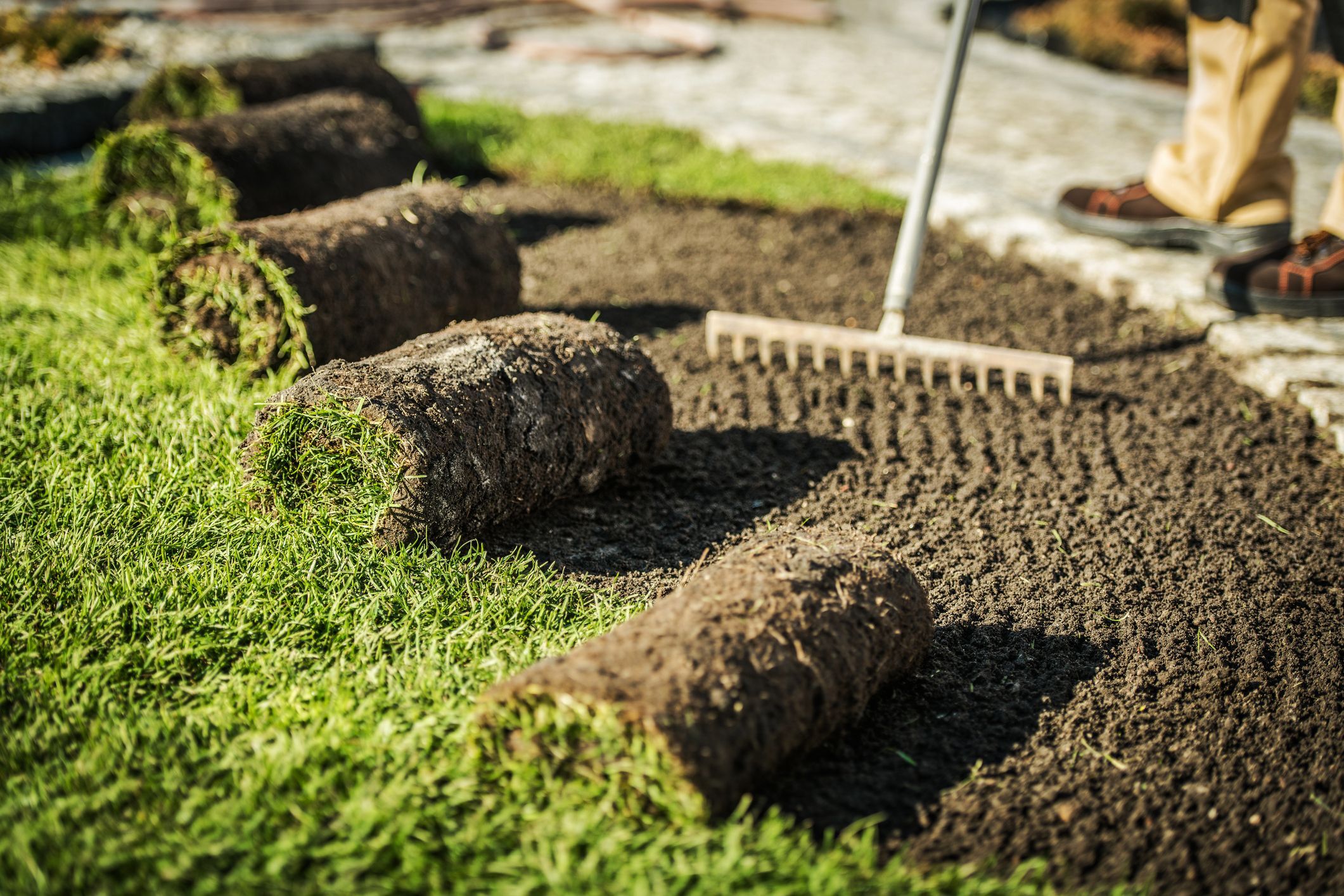
5. Restoration Work
After fixing erosion, you often need to restore: – Lawn areas – Mulch beds – Plantings
What Do Lower-Cost Repairs Look Like?
At the lower end ($1,500–$4,000), you’re usually dealing with:
- Minor erosion
- Small grading adjustments
- Basic stabilization
What Do Mid-Range Projects Look Like?
In the $4,000–$10,000 range, you may see:
- Multiple erosion areas
- Drainage improvements
- Moderate grading work
What Drives Costs Higher?
Projects reach $10,000–$20,000+ when:
- Erosion is widespread
- Major drainage systems are needed
- Significant regrading is required
- Structural areas are affected
Why Cheap Erosion Fixes Often Fail
A lot of quick fixes focus on appearance, not cause.
Examples include: – Adding soil – Replacing mulch – Smoothing out areas
And what happens?
👉 The next heavy rain washes it all away again
What a Proper Erosion Solution Looks Like
Fixing erosion correctly means:
- Identifying how water is moving
- Redirecting or controlling that water
- Stabilizing the soil
- Restoring the affected areas
How Erosion Can Affect Your Home
If left untreated, erosion can lead to: – Foundation exposure – Drainage problems – Landscape damage – Property value concerns
What Most Homeowners Get Wrong
Many people think:
👉 “I just need to fix the spot I see.”
But erosion is rarely isolated.
👉 It’s part of a larger water movement issue
Is It Worth Fixing?
In almost every case, yes.
Because erosion doesn’t stop—it spreads.
And the longer it continues, the more expensive it becomes.
Real-World Perspective (From 42+ Years in the DMV)
Here’s what we’ve seen.
Homeowners who fix erosion early: – Spend less – Protect their property – Avoid major repairs
Homeowners who wait: – Deal with larger problems – Spend more money – Face more disruption
Final Answer: What Does It Cost?
For most homeowners:
👉 $1,500 to $20,000+
Depending on the severity and solution required.
The Better Question
Instead of asking:
👉 “How much will it cost to fix?”
Ask:
👉 “What’s causing the erosion—and how do we stop it permanently?”
Need a Straight Answer?
If you’re seeing erosion around your home, the smartest first step is understanding how water is moving across your property.
At TLC Incorporated, we help homeowners across Maryland, DC, and Northern Virginia diagnose and fix erosion problems the right way.
Because at the end of the day:
👉 They ask. We answer.