
For most Maryland business owners, gutters fall into the category of building systems you don't think about until they fail. Then a storm rolls in off the Chesapeake, water sheets over a clogged gutter onto the entrance walkway, and suddenly it's a customer safety issue, a water intrusion problem, and an unplanned expense all at once.
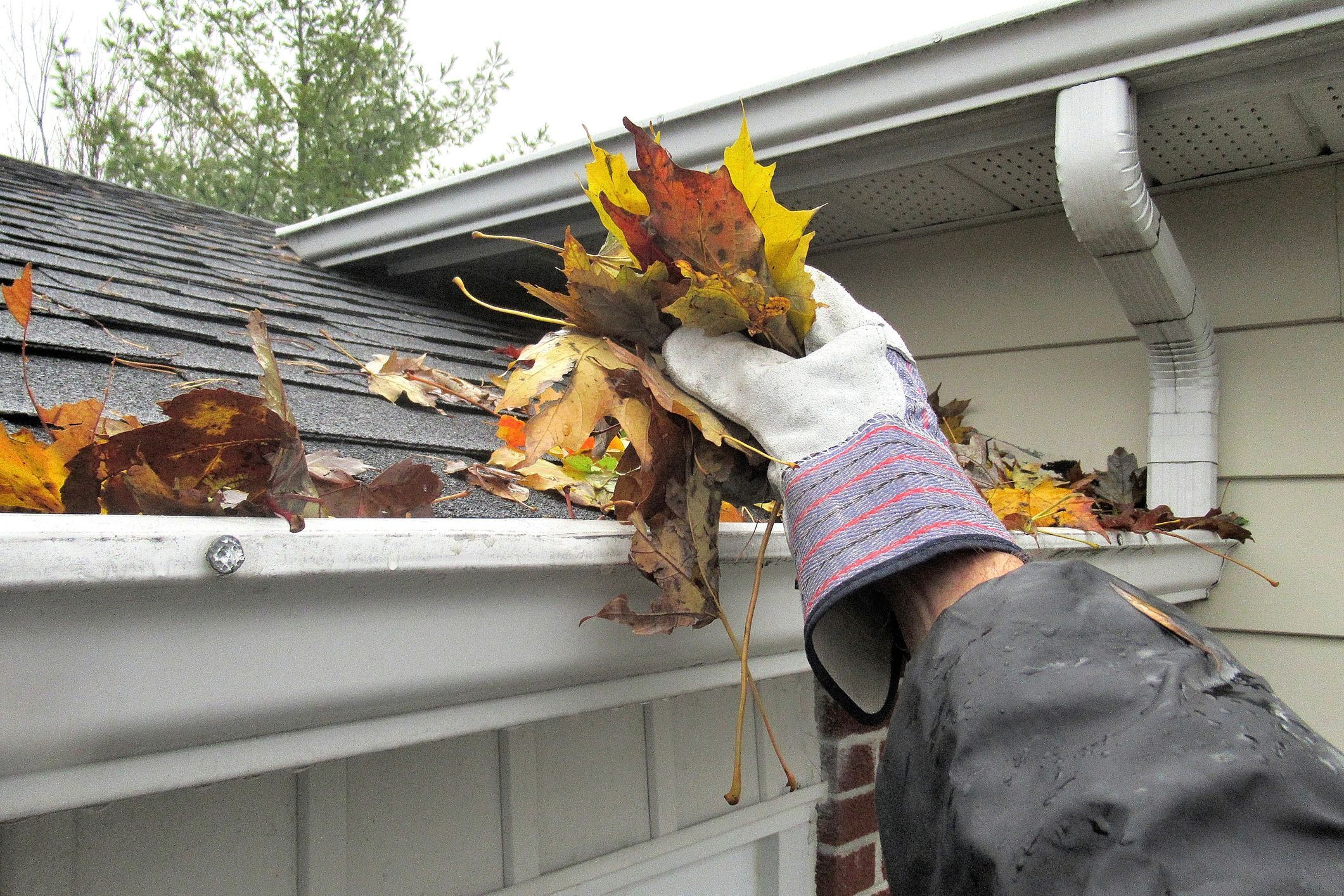
The good news is that gutter cleaning is one of the easier line items to plan for. It's predictable, it's schedulable, and it costs a fraction of the damage it prevents. The challenge is that "commercial gutter cleaning" covers everything from a single-story storefront on West Street to a multi-building office campus off Riva Road — and the price difference between those is substantial.
Here's how to think about what your property should actually budget.
Why There's No Flat Rate for Commercial Properties
Residential gutter cleaning can often be quoted from a home's square footage. Commercial properties rarely work that way, because the variables that drive cost have less to do with building size than with access, complexity, and debris load.
A single-story retail building with straightforward roof access and 200 feet of gutter is a fundamentally different job from a three-story mixed-use building in the historic district where crews need lift equipment, permits for sidewalk staging, and extra care around historic facades. Both are "commercial gutter cleaning." They aren't remotely the same service.
That's why any contractor who quotes a firm price over the phone, sight unseen, is guessing. A brief site assessment is what turns an estimate into a number you can actually budget against.
The Six Factors That Drive Your Cost
1. Building height and roof access. This is the single largest cost driver. Ground-level ladder work is straightforward. Once a building requires lifts, scaffolding, or roof-anchored fall protection, both labor time and equipment costs climb significantly. Two buildings with identical gutter footage can differ dramatically in price based on height alone. As a rule of thumb, each additional story raises the price meaningfully — a three-story building can cost several times what the same footage would on a single-story storefront.
2. Total linear footage of gutters and downspouts. The most intuitive factor. More gutter means more time. Downspouts matter separately, because clearing and flushing them is a distinct task from clearing the gutter trough — and a clean gutter feeding a blocked downspout still backs up. Cost scales fairly directly with length, so doubling the footage roughly doubles the labor — and cutting downspouts from the scope to save money usually costs more later when the system backs up.
3. Roof complexity. A simple rectangular building with one continuous gutter run is quick work. Multiple rooflines, valleys, dormers, varying pitches, HVAC equipment on the roof, and interior gutters all add time and difficulty. Older Annapolis buildings frequently have complicated rooflines that newer construction doesn't. The more complex the roofline, the further the price climbs above a simple footage estimate, since crews lose time navigating and repositioning around each obstacle.
4. Debris load and cleaning frequency. A property cleaned twice a year carries a light, predictable load. A property that hasn't been serviced in three years may have compacted debris, standing water, seedlings taking root, and nesting — which takes far longer to clear and often reveals damage underneath. First cleanings on neglected properties are almost always the most expensive ones. A neglected first cleaning can run several times the cost of a routine visit, while staying on a regular schedule keeps each cleaning at its lowest, most predictable price.
5. Site access and safety requirements. Can crews park close by, or is this a downtown property with limited staging? Does the work need to happen outside business hours? Are there pedestrian areas requiring barricades? Each of these affects scheduling and cost. Tight access, after-hours scheduling, and pedestrian protection all add labor and coordination time, pushing the price above an otherwise identical job with easy, open access.
6. Tree coverage. Annapolis has a mature tree canopy, and it's one of the region's real assets — but properties surrounded by oaks and maples generate far more debris than a building on an open lot. Heavy tree coverage often means moving from twice-yearly service to three or four visits. Because it drives more frequent visits, heavy tree coverage raises your total annual cost even when the price of each individual cleaning stays the same.
Frequency Is Where the Annual Budget Actually Gets Decided
Business owners often focus on the per-visit price when the more important number is the annual total — and that's determined by how often the property needs service.
For most Maryland commercial properties, TLC recommends a schedule of twice a year: once in late spring after seeds, pollen, and blossoms have dropped, and once in late fall after the leaves are down. That schedule handles typical debris and gets the system clear before winter.
Several local conditions push properties toward more frequent service. Heavy surrounding tree cover is the most common. Coastal weather is another — Annapolis sits in the path of nor'easters and tropical systems, and a single major storm can fill gutters that were clean the week before. Properties where water intrusion carries high consequences, like restaurants, medical offices, or buildings with sensitive inventory, often justify quarterly service simply as risk management.
A practical way to budget: take your per-service cost, multiply by your realistic annual frequency, and add a modest contingency for storm-driven visits and minor repairs discovered during cleaning. That contingency matters — gutter cleaning is when loose hangers, separated seams, and damaged downspouts get found.
What the Price Should Include
When comparing quotes, confirm you're comparing the same scope. A thorough commercial service should include:
-
clearing gutter troughs of all debris
-
clearing and flushing downspouts to verify flow
-
removing debris from the property rather than leaving it on site
-
and a basic inspection with notes on any damage observed
Ask whether the contractor carries commercial liability coverage and workers' compensation, and whether they can provide certificates — for many commercial properties, that's non-negotiable.
A quote that's meaningfully cheaper than the others usually reflects a narrower scope, not better value. The most common shortcut is skipping downspouts, which is precisely the part that causes overflow.
The Cost of Skipping Gutter Cleanings
Deferred gutter cleaning is one of the more expensive savings a property owner can pursue. Overflowing gutters send water down exterior walls and into the foundation, rot fascia and soffit, and back up under roofing materials. On a commercial property, there's an added dimension: water sheeting onto walkways and entrances creates slip hazards and the liability exposure that comes with them.
Against repairs of that kind, routine cleaning is a small, predictable expense — which is exactly what makes it a good line item to lock in.
Getting an Accurate Number for Your Property
To get a quote you can budget against, be ready to share the building's height and number of stories, approximate gutter footage, roof complexity, surrounding tree coverage, when the gutters were last serviced, and any access or scheduling constraints. The more accurate that picture, the more accurate the estimate.
For Maryland businesses, TLC Incorporated has spent more than 40 years helping Maryland property owners maintain their buildings and grounds — with free, no-obligation estimates and transparent pricing, so you know what you're budgeting before you commit. Request an assessment and get a clear number for your property.