7 Common Christmas Light Installation Mistakes (and How to Avoid Them)
Table of Contents
- Using the Wrong Lights for the Job
- Overloading Your Circuits
- Attaching Lights with Staples or Nails
- Skipping the Measure-and-Plan Step
- Not Testing the Lights Before You Hang Them
- Ignoring Ladder and Roof Safety
- Leaving Connections Exposed to the Weather
- The Easiest Way to Avoid All Seven
Hanging Christmas lights looks simple enough — until you're three strands in, one section won't light, the ladder feels a little too tall, and the display you pictured isn't coming together. Every year, homeowners run into the same avoidable problems, and a few of them are more than just frustrating; they can damage your home or even put your safety at risk.
For more than 40 years, TLC Incorporated has helped Maryland homeowners enjoy beautiful, stress-free holiday displays.
Here are seven of the most common Christmas light installation mistakes, why they happen, and how to avoid them.
1. Using the Wrong Lights for the Job
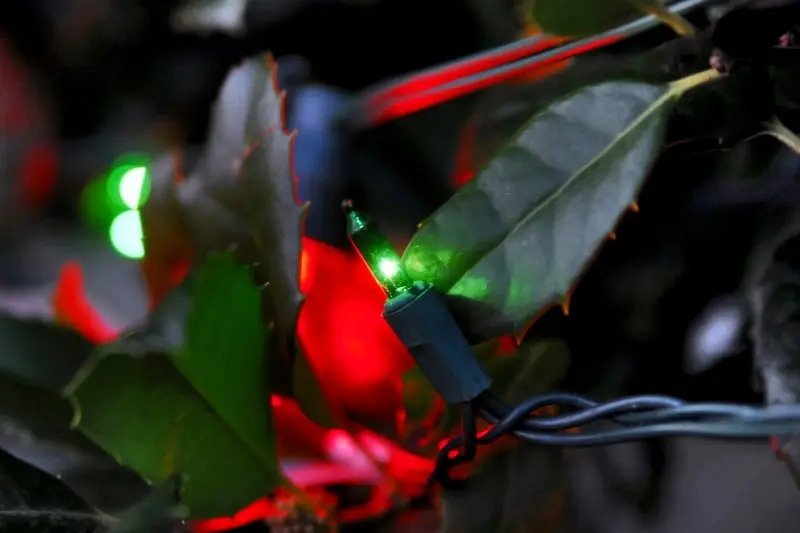
Not all string lights are built the same. The most common mistake is using indoor-rated lights outdoors, where they aren't sealed against moisture and can fail — or become a hazard — the first time the weather turns. Bargain lights are another trap: they burn out faster, fade unevenly, and often can't stand up to a Maryland winter of wind, ice, and freeze-and-thaw swings.
How to avoid it: Use outdoor-rated lights designed for exposure to the elements, and choose quality over the cheapest option. Commercial-grade lights cost more up front but last far longer and look better doing it. Decide on your color and style — warm white, multicolor, or a mix — before you buy, so the whole display is consistent.
2. Overloading Your Circuits
This is the mistake that trips breakers, causes flickering, and in the worst cases creates a genuine fire risk. It's easy to make: you connect strand after strand end-to-end without realizing there's a limit to how many can safely link together, or you plug too many runs into a single circuit that's already powering other things.
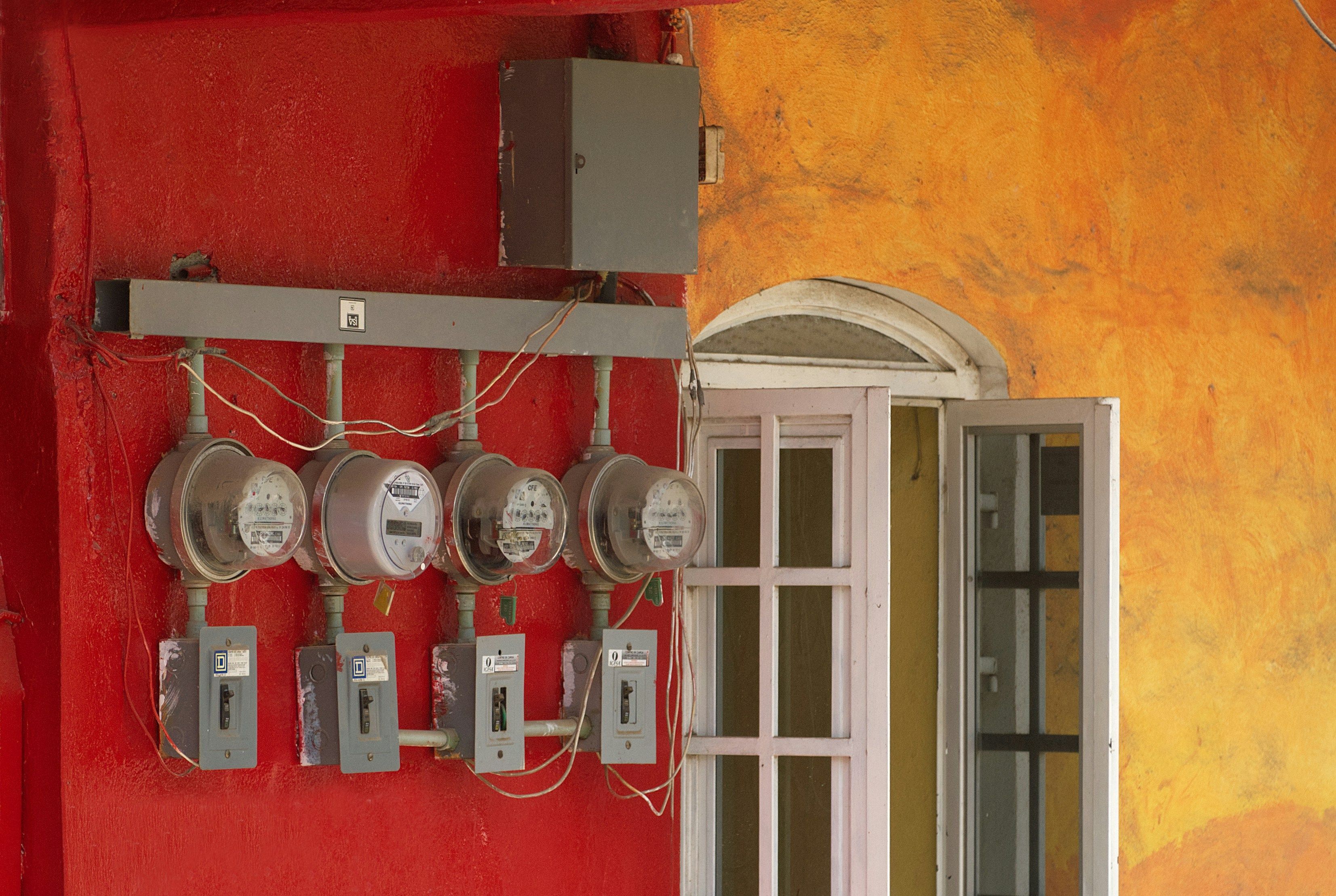
How to avoid it: Check the maximum number of strands the manufacturer says you can connect in a series (it's usually printed on the packaging) and don't exceed it. Spread your display across multiple outlets and circuits rather than daisy-chaining everything into one. If breakers trip, that's a warning, not a nuisance to work around.
3. Attaching Lights with Staples or Nails
Reaching for a staple gun or hammering in nails to hold lights in place is a fast track to two problems: damaged wiring and a damaged home. Staples can pierce or pinch the insulation on light wires, creating a shock and fire hazard, and nails leave holes in your fascia, shingles, and trim that invite water damage later.
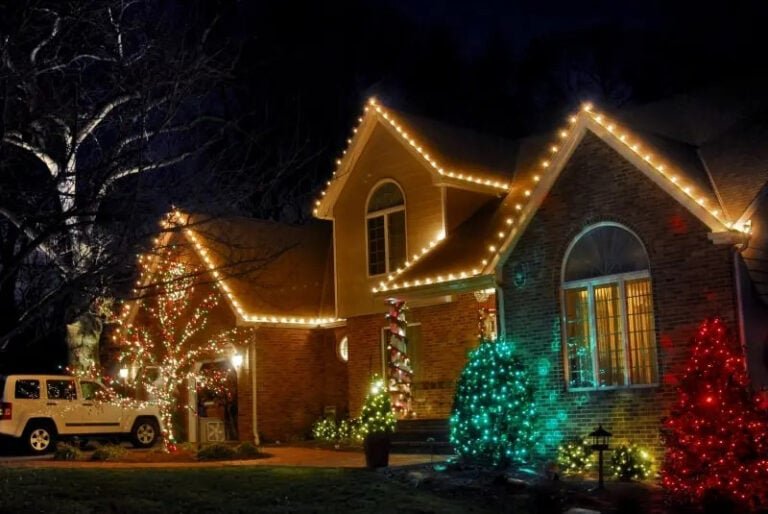
How to avoid it: Use fasteners made for the job — plastic light clips that attach to your gutters, shingles, or roofline without puncturing anything. They're inexpensive, they hold securely, and they come off cleanly at the end of the season without leaving a mark. Different clips exist for different surfaces, so match them to where the lights are going.
4. Skipping the Measure-and-Plan Step
The classic December scene: you're most of the way along the roofline when you realize you're going to run out of lights three feet from the end. Or the spacing is uneven, one section sags, and the gaps are impossible to ignore once it's dark. Nearly all of this traces back to not measuring and planning before you start.
How to avoid it: Measure every roofline, railing, and tree you plan to light, and add up the total length before you buy. Sketch a simple plan of where each run goes and where it connects to power. A little math in November saves a lot of improvising on a cold ladder later, and it's the difference between a display that looks intentional and one that looks pieced together.

5. Not Testing the Lights Before You Hang Them
There's nothing worse than finishing a run, plugging it in, and discovering a whole strand is dark, after it's already fastened twenty feet up. Lights that worked fine last year don't always survive a summer in a storage bin, and a single bad bulb or connection can take out an entire section.
How to avoid it: Lay every strand out and plug it in before it goes anywhere near the roof. Check for dead sections, replace bad bulbs and fuses on the ground, and confirm each run works end to end. Testing first turns a mid-install disaster into a two-minute fix.
6. Ignoring Ladder and Roof Safety
This is the most important item on the list, because it's the one that sends people to the emergency room every holiday season. Rushing up an unstable ladder, overreaching to hang "just one more section," working on a wet or icy roof, or doing it all alone are how routine decorating turns into a serious fall.
How to avoid it: Use a sturdy ladder on stable, level ground, and never reach beyond a safe distance — move the ladder instead. Don't work in wet, windy, or icy conditions, and have someone with you to steady the ladder and help. Be honest about the height of your home; a steep, two-story roofline is genuinely dangerous, and no display is worth a fall. If the job feels risky, that's a sign to reconsider doing it yourself.
7. Leaving Connections Exposed to the Weather
Outdoor lights live in rain, snow, and slush all season, and the connection points are where trouble starts. Plugs left sitting in a puddle or a pile of snow can short out, trip a GFCI, or corrode over the weeks, leaving you with dark sections and potential hazards.
How to avoid it: Plug outdoor lights into GFCI-protected outlets, which cut power quickly if moisture causes a fault. Keep connections up off the ground, and protect exposed plugs with weatherproof covers or connection boxes. A timer helps too — it keeps you from running the display longer than needed and takes the guesswork out of turning lights on and off.
The Easiest Way to Avoid All Seven
Every mistake on this list comes down to the same thing: holiday lighting is more technical and more dangerous than it looks. That's exactly why so many homeowners hand it off. With professional, full-service installation, the lights are the right kind and properly powered; they're fastened without damaging your home, the display is designed to fit and tested before it goes up, and the risky work of height is handled by a trained crew — no ladder, no tangles, no tripped breakers.
If you'd rather skip the mistakes entirely this year, request a free, no-obligation estimate and reserve your spot before the calendar fills.
Frequently Asked Questions
When should I schedule holiday lighting installation?
The earlier the better — ideally in the fall. Professional installers book up quickly, and the best install dates fill well before the first cold snap. Reserving your spot early means you get your preferred date and first pick of designs, while waiting until December often means a full calendar. Many homeowners book in September or October and have their lights installed in November, ready to shine the moment the season begins.
Do you provide the lights, or do I use my own?
TLC provides professional, commercial-grade lights that are measured and custom-fit to your home. Unlike store-bought kits, these are built to withstand a Maryland winter of wind, ice, and freeze-and-thaw weather, and they're sized to your exact rooflines — so there are no awkward gaps or strands that come up short. It's all part of a full-service approach designed to look polished and last the whole season.
What if a bulb goes out or a section stops working?
That's covered. With full-service holiday lighting, in-season maintenance is included — if something goes out, we come back and fix it, so your display stays bright and complete from the first day through New Year's. You'll never be out on a ladder in freezing weather hunting for a bad bulb.
Do you take the lights down and store them after the holidays?
Yes. TLC handles the entire process: design, installation, in-season maintenance, takedown, and off-season storage. After the holidays, our crew returns on schedule to remove everything cleanly, then stores your custom-fit lights so they're ready to go up again next year. No bins cluttering your garage, no tangled strands
