
Across the DMV — from Bethesda and Rockville to Columbia, Annapolis, Fairfax, Arlington, and Potomac — homeowners regularly ask TLC a version of the same question: why do these plants look overwatered and underwatered at the same time? It sounds impossible, but in our region it happens all the time, and the answer usually comes down to one decision: drip lines or spray heads.
On the surface, both deliver water. But in the clay-heavy soil of Maryland and Northern Virginia, with humid summers and unpredictable storms, the choice between drip irrigation and spray heads for flower beds can dramatically affect plant health, soil stability, water usage, and even foundation performance.
In more than 40 years providing lawn irrigation services across Maryland and Northern Virginia, TLC has learned this clearly: spray heads are easier, drip systems are smarter, but neither is automatically right. Here's how to tell when each makes sense.
What's the Difference Between Spray Heads and Drip Lines?
Before comparing performance, it helps to clarify the terms.
Spray Heads
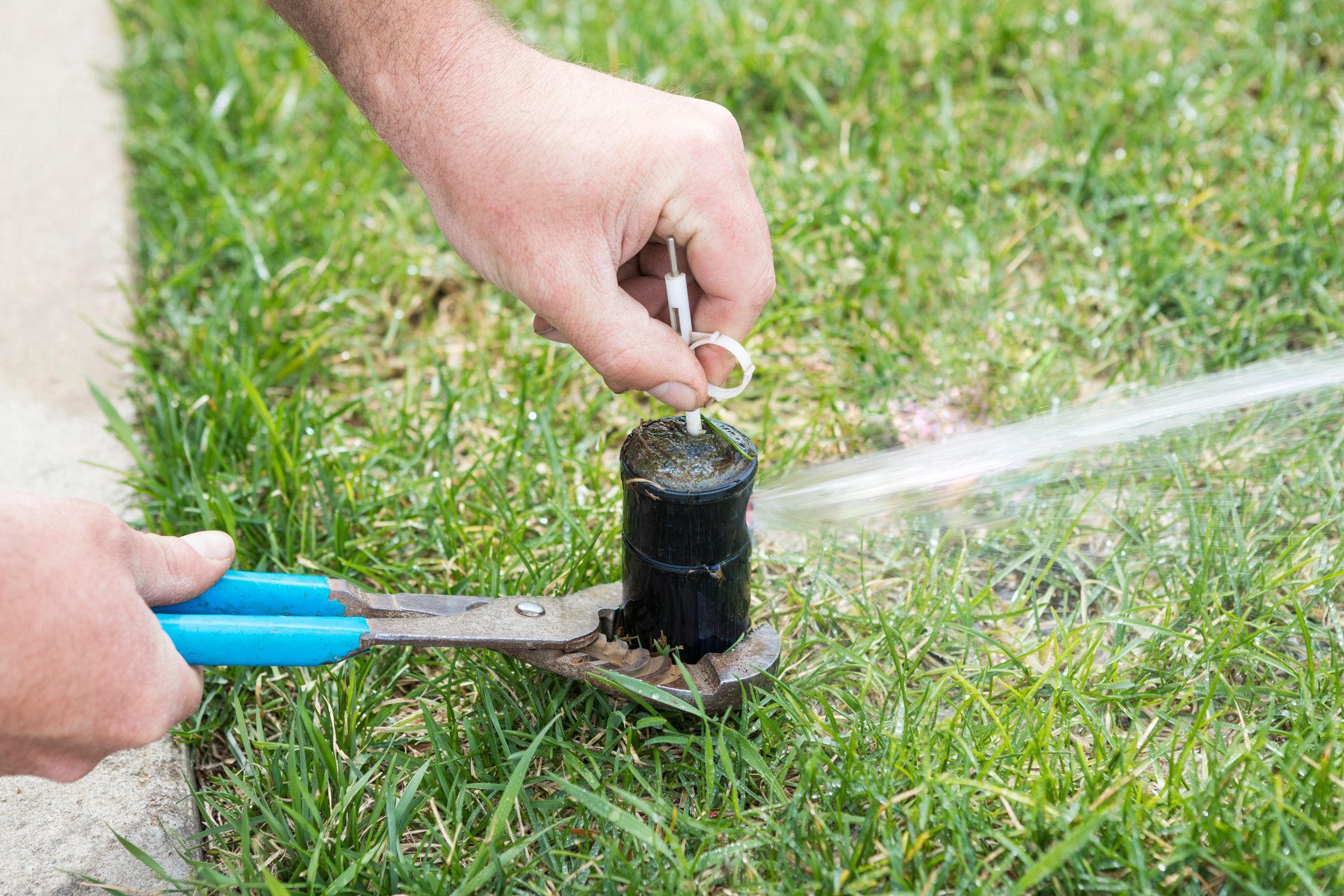
• Distribute water in a fan pattern above ground
• Cover larger areas and apply water quickly
• Often overlap turf and bed areas
They're common in builder-grade systems, mixed turf-and-bed zones, and older irrigation layouts.
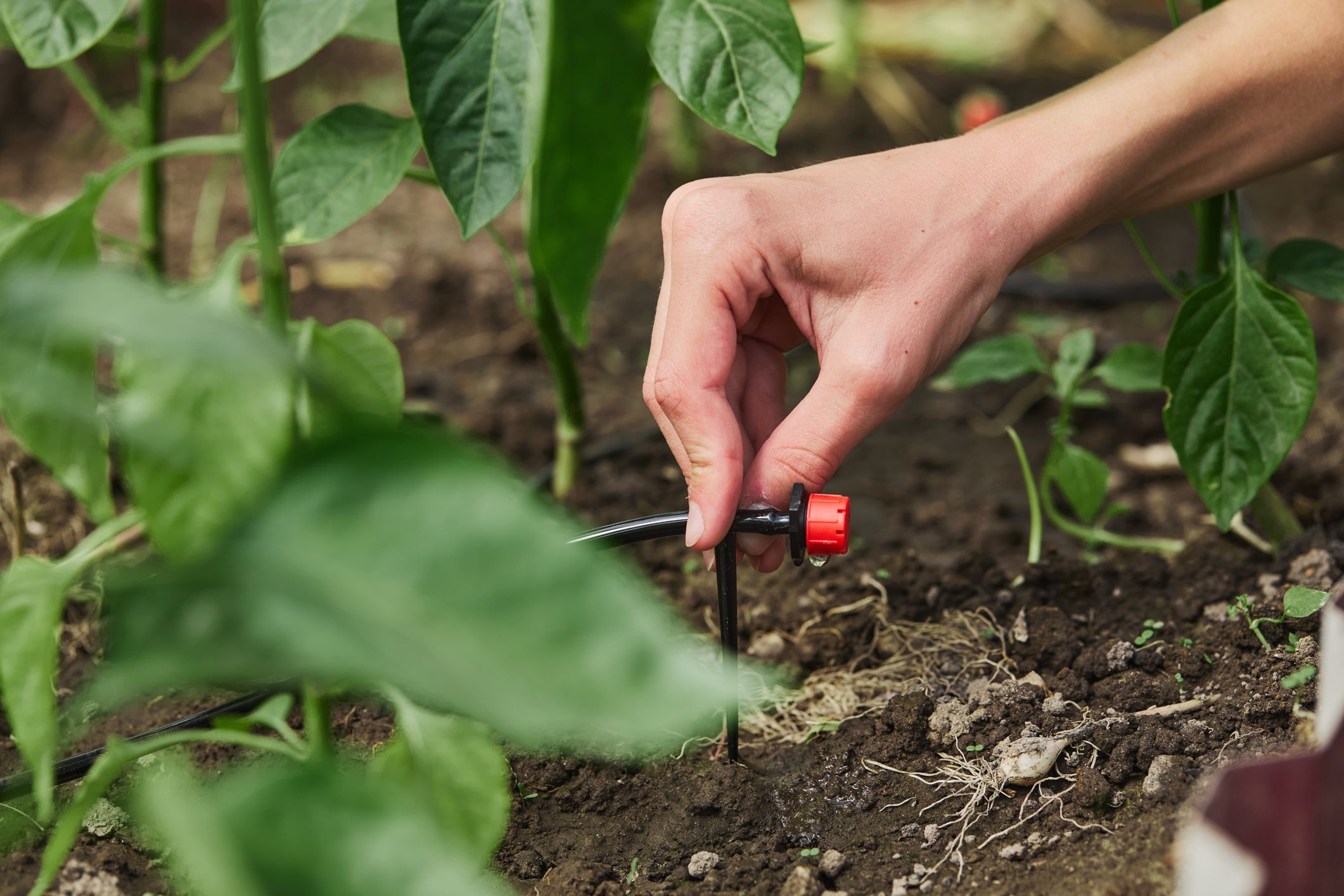
Drip Lines
• Deliver water slowly at the soil surface
• Use emitters spaced along tubing to target root zones
• Minimize surface runoff
They're common in newer landscape designs, dedicated planting beds, and high-value plant installations.
Drip Lines vs. Spray Heads for Flower Beds
How the two compare for dedicated planting beds in Maryland's clay soil.
|
Factor |
Drip Lines |
Spray Heads |
|
How it waters |
Slowly, at the soil surface through emitters aimed at the root zone |
Quickly, in a fan pattern above ground |
|
Application rate |
0.5 inches per hour or less |
1.5–2.0 inches per hour |
|
In clay soil |
Slow enough for clay to absorb, so moisture reaches deeper layers |
Often saturates the surface before deeper layers can absorb it |
|
Runoff & erosion |
Minimal runoff; performs well on slopes |
More runoff, mulch displacement, and erosion |
|
Root health |
Encourages deeper, healthier root systems |
Can encourage shallow rooting |
|
Near the foundation |
Reduces overspray and hydrostatic pressure against walls |
Can oversaturate soil against basement walls |
|
Water efficiency |
Uses 20–50% less water in converted beds |
Tends to waste water in humid months |
|
Upfront install cost |
Higher — about $1,500–$4,000 for beds |
Lower — about $300–$1,200 for beds |
|
Maintenance |
Occasional flushing and filter care; emitters can clog if water quality is poor |
Arc adjustments, clogs, overspray, and more visible breakage risk |
|
Best suited for |
Dedicated beds, foundation plantings, shrub borders, perennials, and sloped beds |
Large, shallow-wide beds, dense groundcover, tight turf-and-bed zones, and tighter budgets |
Bottom line: Spray heads are simpler and cheaper upfront, but in Maryland's clay-heavy soil, drip irrigation usually delivers healthier beds, less runoff, and lower long-term water use.
Where Spray Heads Still Make Sense
Spray heads aren't bad; they have their place. They may be appropriate when beds are shallow and wide, plants are dense groundcover, the budget is limited, turf and beds are tightly integrated, or the soil drains better than average.
But in most Maryland clay-heavy beds, spray heads tend to apply water too aggressively, encourage shallow rooting, increase fungal risk, and waste water in humid months.
Where Drip Irrigation Excels
Drip systems shine in dedicated:
-
planting beds
-
foundation plantings
-
shrub borders
-
perennial gardens
-
and sloped beds
They offer slow, controlled infiltration, reduced evaporation, minimal runoff, healthier root systems, and targeted watering. In Fairfax and Montgomery County, where slopes are common, drip systems dramatically reduce erosion compared to spray heads.
The Foundation Factor
This one matters. Spray heads near foundations often oversaturate the soil against basement walls. In clay soil, that increases hydrostatic pressure, which over time can contribute to efflorescence, minor seepage, and foundation stress. Drip irrigation, when properly placed, reduces overspray against the structure, and less water pressure means less long-term risk.

Why NOT to Convert to Drip
Drip isn't always necessary. It may not be ideal when beds are extremely small, plant density changes frequently, maintenance access is difficult, or the irrigation system is near full replacement age. Diagnosis matters, and it's a core part of TLC's lawn irrigation services; we never recommend drip just because it sounds modern, only when it matches the soil and the planting strategy.
Why Maryland's Clay Soil Favors Drip Irrigation
In Maryland and Northern Virginia, irrigation has to respect clay soil. Spray heads apply water quickly; drip systems apply it patiently, and clay soil rewards patience.
After more than 40 years across the DMV, TLC has seen it consistently: the healthiest flower beds are almost always drip-irrigated. Not because spray heads don't work, but because drip matches our soil better.
Spray heads are simple and inexpensive upfront. Drip systems are more controlled and often healthier long-term.
In Maryland and Northern Virginia, where clay soil dominates, drip irrigation usually delivers better performance for dedicated flower beds because watering plants isn't just about getting them wet. It's about delivering moisture in a way the soil can actually absorb, so everything above it performs better, season after season.
If you're weighing drip lines against spray heads for your beds, TLC's lawn irrigation services can evaluate your soil, slope, and plantings and recommend the right approach.
Request a free, no-obligation estimate and get your flower beds watered the way Maryland soil likes.
FAQ's
Are drip lines or spray heads better for flower beds?
For most dedicated flower beds in Maryland and Northern Virginia, drip lines are the better choice. Our region's clay-heavy soil absorbs water slowly, and drip irrigation applies water slowly enough for the soil to take it in — which means healthier roots, less runoff, and lower water use. Spray heads still have their place, but they tend to apply water too fast for clay soil to handle well.
Why does clay soil matter so much?
Clay soil absorbs water slowly, holds moisture longer, and creates runoff when it's overwhelmed. When spray heads apply water quickly, the surface saturates before the deeper layers can absorb it — leading to runoff, mulch displacement, erosion, and shallow root growth. Drip irrigation gives the soil time to absorb the water where the roots actually need it.
Is drip irrigation more expensive than spray heads?
Upfront, yes. Installing dedicated drip lines in beds typically runs $1,500–$4,000 depending on size and complexity, while adding or adjusting spray heads usually costs $300–$1,200. The difference comes from more tubing, more emitters, pressure-regulation components, and the labor for precise layout. Over the long term, though, drip systems often come out ahead thanks to lower water use and healthier plants.
How much water can drip irrigation actually save?
Across properties where we've converted flower beds from spray to drip, water use in those zones typically drops by 20–50%. Drip systems apply water at about 0.5 inches per hour or less, compared to 1.5–2.0 inches per hour for spray heads — so far less is lost to runoff and evaporation.
Can spray heads near my flower beds affect my foundation?
They can. Spray heads near the house often oversaturate the soil against basement walls, and in clay soil that raises hydrostatic pressure, which over time can contribute to efflorescence, minor seepage, and foundation stress. Properly placed drip irrigation reduces overspray against the structure, which lowers that long-term risk.
Do I have to convert my whole system to drip?
Not at all. In many cases, the best solution is separating the flower beds into their own drip zones while leaving spray heads on the turf, where they work well. Drip also isn't always necessary — for very small beds, frequently changing plantings, or a system near the end of its life, it may not be worth converting. A professional evaluation is the best way to decide what fits your yard.
