
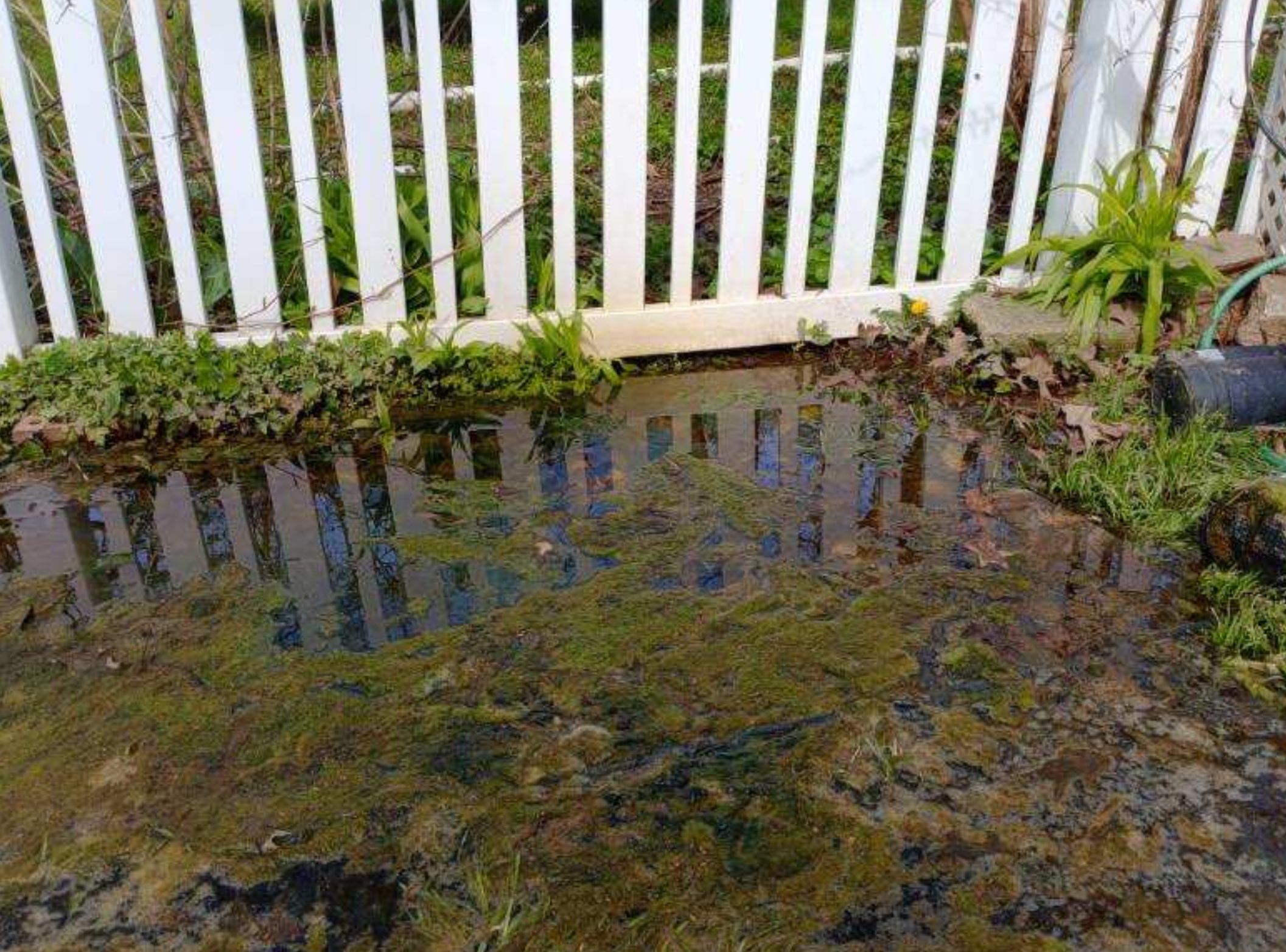
Water always wins. Given enough time, it will find the hairline crack in your foundation wall, the gap where the floor meets the footing, or the low spot in your crawl space where the vapor barrier has pulled loose. Left unmanaged, water finds its way into your basement or crawl space, leading to mold growth, wood rot, musty odors, and damage to your foundation over time. What starts as a little dampness can quietly turn into a costly structural problem.
That’s where TLC comes in. For more than 40 years, TLC Incorporated has helped Maryland homeowners solve drainage problems and protect their properties from water damage. From French drains to yard and downspout drainage, TLC diagnoses where water is going wrong and designs a solution built for Maryland's clay-heavy soil and heavy seasonal rains.
Thankfully, a French drain can typically solve basement and crawlspace drainage issues. A French drain is a simple perforated pipe surrounded by washed stone, laid at a pitch, that collects water and carries it away from your foundation. But "simple" doesn't mean "one size fits all." The right system for a poured-concrete basement with a high water table looks nothing like the right system for a vented crawl space on a hillside lot.
By the end of this article, you’ll know how the main types of French drains compare, and how to know which one belongs under your house.
Interior Perimeter Drains (Sub-Slab Systems)
This is the workhorse of basement waterproofing, and for most finished or finishable basements, it's the best-performing option.
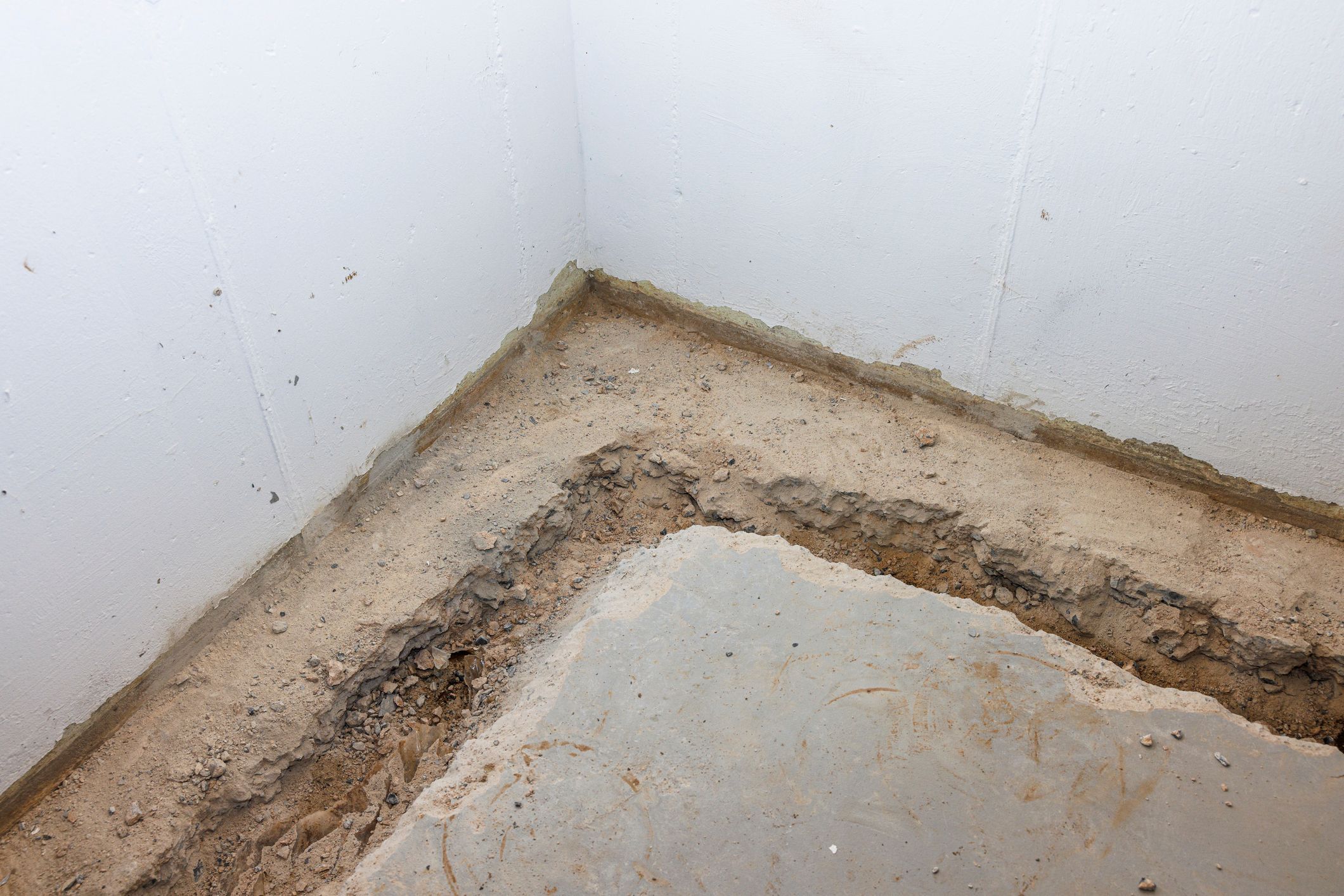
An interior perimeter drain is installed inside the basement, along the footing. A contractor cuts a channel in the concrete slab around the perimeter, excavates down to the footing, and sets perforated pipe in washed gravel. The pipe drains to a sump basin, where a pump discharges the water outside and away from the house. The slab is then patched over the top.
Why it works so well: it intercepts water at the exact point where most basements leak — the cove joint, where the wall meets the floor. Hydrostatic pressure pushes water up through that seam long before it comes through the wall itself. An interior system relieves that pressure instead of fighting it.
Where it shines: homes with a high water table, seasonal seepage, chronically damp slabs, or a finished basement you'd rather not excavate around from the outside.
Trade-offs: it manages water rather than keeping it away from the foundation entirely, and it depends on a working sump pump. That makes a battery backup or water-powered backup pump non-negotiable — the heaviest rain of the year and a power outage tend to arrive together.
Exterior Footing Drains (Traditional French Drains)
The exterior system is the traditional approach, and it's still the most thorough one when conditions allow.
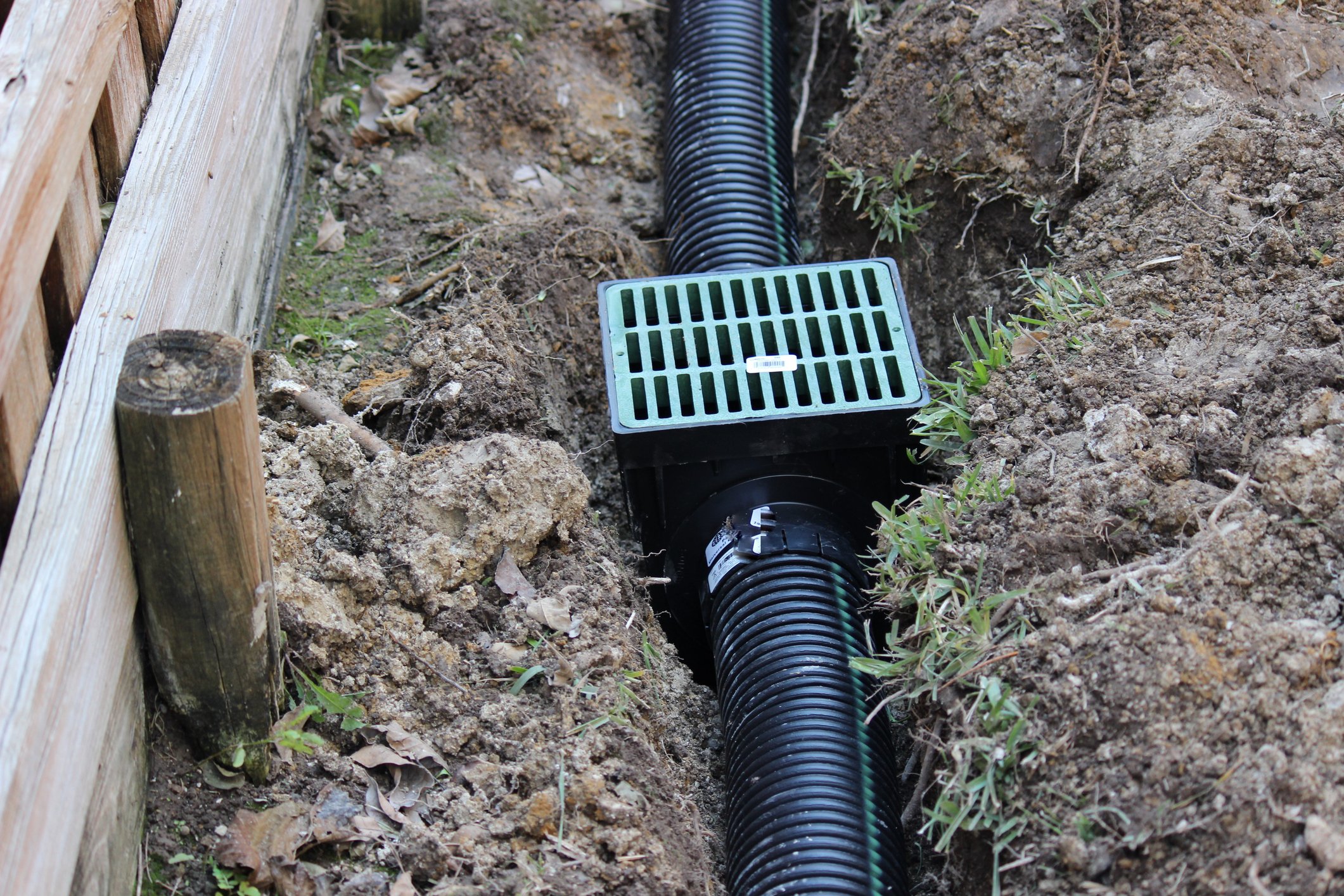
Crews excavate down to the footing on the outside of the foundation, clean and waterproof the wall, apply a dimple board or drainage membrane, and lay perforated pipe in washed stone wrapped with filter fabric. Water is intercepted before it ever touches the wall and carried to daylight or a discharge point.
Why it works so well: it stops water at the source. Instead of relieving pressure after the fact, it prevents hydrostatic pressure from building against the wall at all. Paired with proper exterior waterproofing, it's the most complete solution available — and on a sloped lot, it can often drain by gravity with no pump at all.
Where it shines: new construction, major renovations, homes with accessible foundation walls, and situations where the wall itself is leaking (not just the cove joint).
Trade-offs: cost and disruption. Excavation means removing landscaping, walkways, decks, and sometimes utilities. It's typically the most expensive option, and it isn't always practical on tight lots or where an addition sits over the drain line.
Crawl Space Drainage Systems
Crawl spaces have their own rules. Water pooling on a dirt crawl space floor doesn't just sit there — it evaporates, rises through the house on the stack effect, and shows up as musty odors, cupped hardwood floors, and mold on floor joists.
The best crawl space systems combine drainage with moisture control:
- Perimeter or interior trench drains run along the footing or through the low areas of the crawl space, set in gravel with perforated pipe, flowing to a sump basin or to daylight.
- A sealed vapor barrier (ideally 12–20 mil reinforced liner) covers the floor and runs up the walls, sealed at the seams and mechanically fastened.
- A crawl space sump pump with a sealed lid handles collected water.
- Encapsulation and a dehumidifier finish the job by controlling humidity, not just standing water.
Drainage without a vapor barrier is half a solution in a crawl space. Vapor moves through soil constantly, even when the ground looks dry.
Trench and Yard Drains
Not every water problem starts at the foundation. If your yard holds water, downspouts dump next to the house, or a neighboring property drains toward you, a yard-level French drain or trench drain may solve the problem for a fraction of the cost of a foundation system.
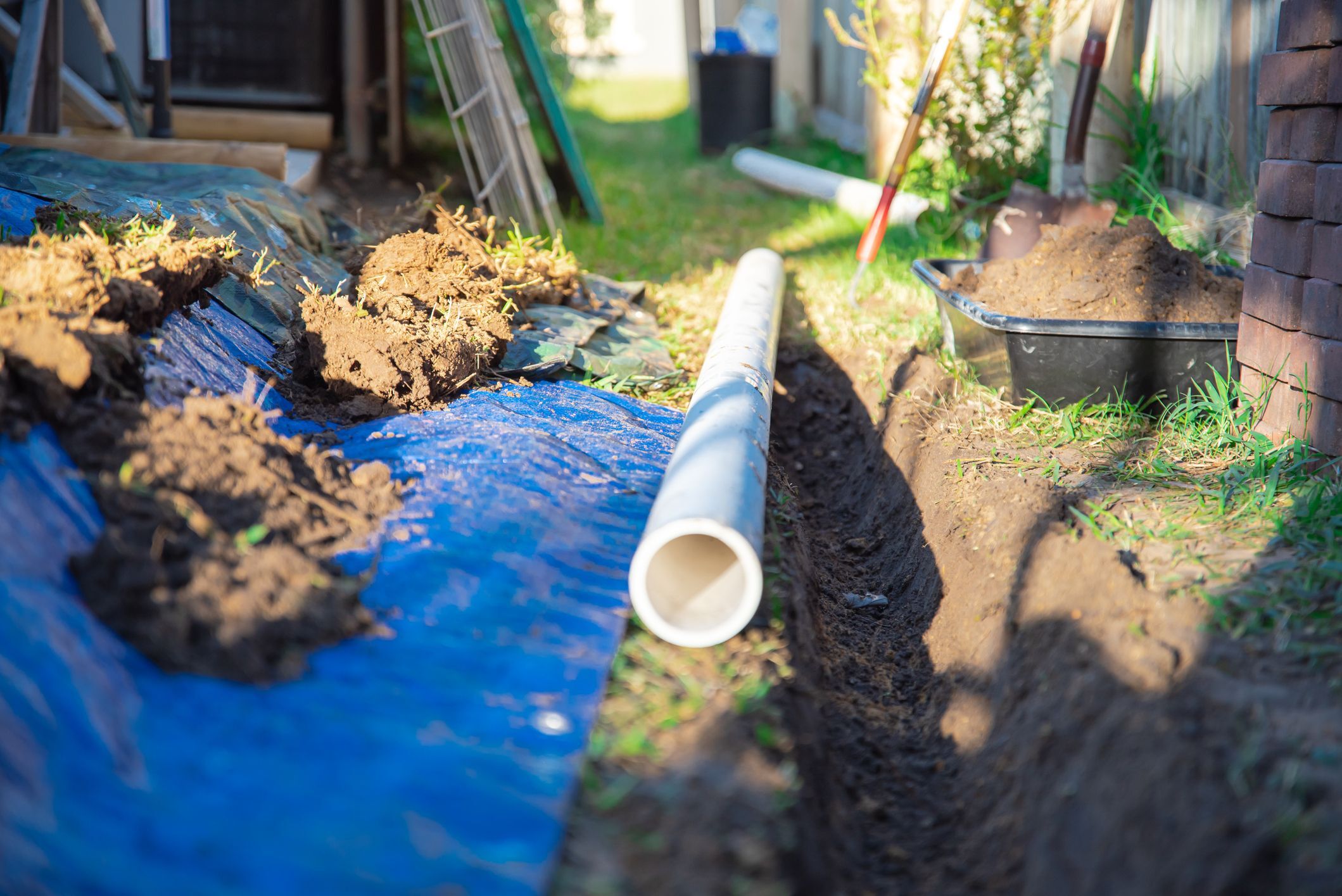
These are shallower drains — often a perforated pipe in a gravel trench, sometimes fed by a channel drain or catch basins — that redirect surface and shallow subsurface water to a lower point on the property or a dry well.
They're the right first move when the water problem is clearly coming from grading or roof runoff. They're the wrong move when hydrostatic pressure is already pushing water through your slab.
What Actually Separates a Good System from a Bad One
Regardless of type, the same details determine whether a French drain lasts three years or thirty:
- Washed stone, not fill dirt or unwashed gravel. Fines clog the system.
- Filter fabric around exterior stone beds to keep silt out.
- Correct pitch — roughly 1% (about 1 inch per 8 feet) so water moves rather than sits.
- Proper pipe. Rigid PVC or SDR-35 outlasts flexible corrugated pipe, which crushes and traps sediment.
- A discharge point far enough away that water doesn't simply recirculate back to the foundation.
- Cleanouts and accessible sump basins so the system can actually be maintained.
Corner-cutting on any one of these is the most common reason a homeowner ends up paying for the same drain twice.
Choosing the Right System
Start with the diagnosis, not the product. If water enters at the cove joint, an interior system is usually the answer. If it comes through the wall, the wall needs exterior attention. If the crawl space floor is damp but never floods, encapsulation with a modest drain may be enough. If the yard is the source, fix the yard first.
A proper assessment looks at grading, gutters and downspouts, soil type, water table, foundation condition, and where water actually shows up — in that order.
Get an Honest Estimate
At TLC, we'd rather tell you that regrading and a downspout extension will solve your problem than sell you a system you don't need. And when you do need a full drainage solution, we install it with the materials and details that make it last.
Use our yard drainage pricing estimator to get a clear, no-pressure estimate for a system custom to your basement or crawl space.