
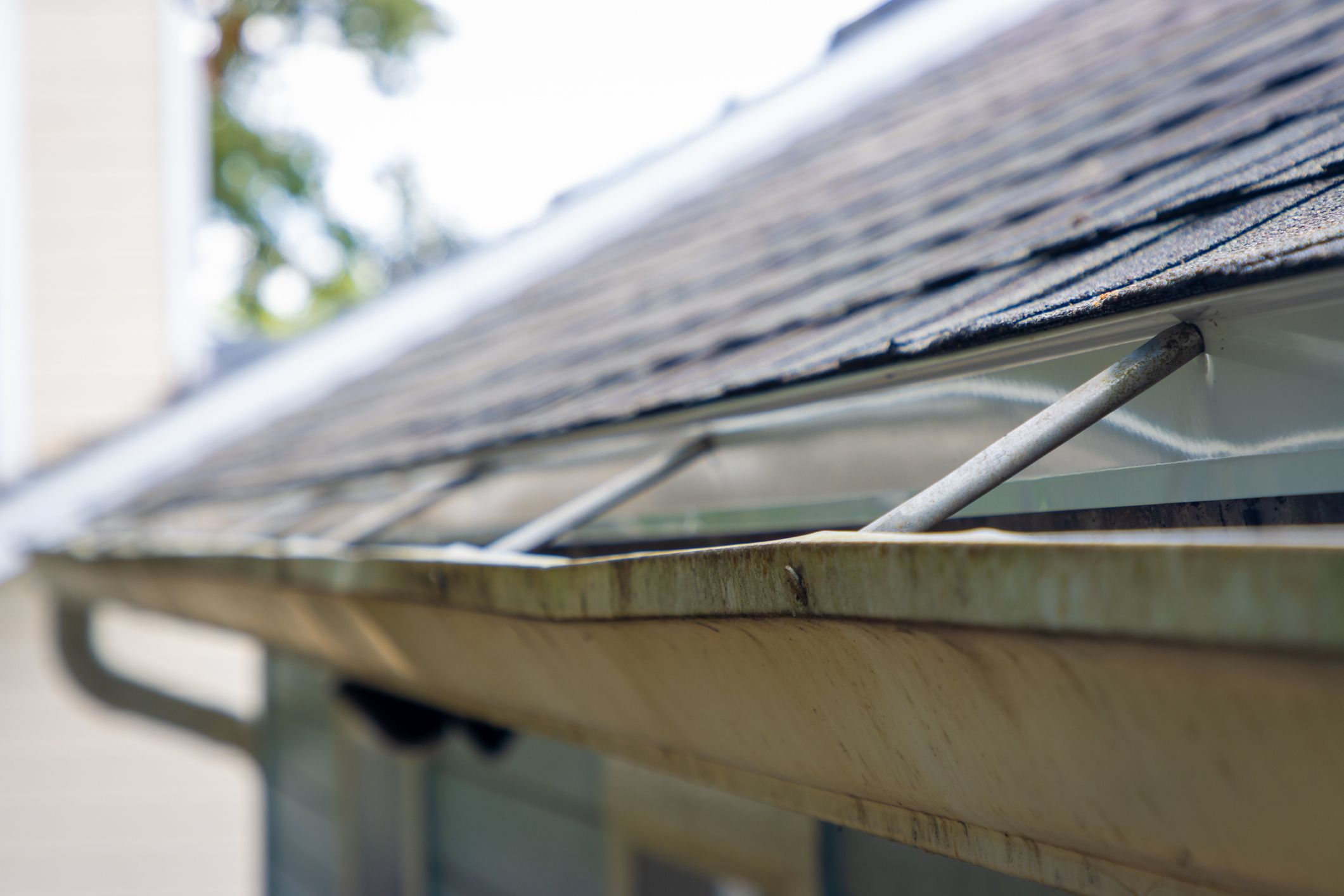
A sagging gutter is easy to dismiss as a cosmetic annoyance, but it's usually a warning sign. Gutters exist to move water away from your roof, walls, and foundation, and when a section pulls loose or dips in the middle, water stops flowing where it should. Left alone, that leads to overflowing gutters, water pooling against the foundation, rotting trim, and damage that costs far more to fix than the gutter itself.
For more than 40 years, TLC Incorporated has helped Maryland homeowners protect their homes from the ground up, including gutter cleaning to keep water moving the way it should.
If your gutters are pulling away from the house or dipping in the middle, here's what's usually behind it — and what it takes to set things right.
Why Gutters Sag — Common Problems and Solutions
What causes gutters to sag, how to spot each one, and how to fix it.
|
Cause |
What You'll Notice |
Why It Happens |
The Fix |
|
Clogged gutters (weight) |
Gutters pulling away from the house or dipping in the middle, plus overflow |
Leaves, twigs, and debris trap water, and wet debris is heavy enough to pull the gutter down |
Clean the gutters and downspouts, re-support bent sections, and clean regularly to prevent it |
|
Loose or failing hangers |
An isolated section sagging or pulling loose from the house |
Spikes work loose, and hangers bend or break over years of weather, weight, and temperature swings |
Replace or add hangers; upgrade old spike-and-ferrule systems to modern hidden hangers |
|
Improper slope & standing water |
Water still sitting in the gutter a day after rain |
The gutter lost its slight pitch — from a bad install or shifting over time — so water pools instead of draining |
Re-hang the affected section at the correct pitch toward the downspout |
|
Rotting or damaged fascia |
Hangers pull free no matter how often you re-secure them |
The fascia board behind the gutter has rotted and can no longer hold the fasteners |
Replace the rotted fascia before re-hanging the gutter — a more involved repair |
|
Age, damage & undersized gutters |
Sagging under normal conditions, a bent section, or chronic overflow in storms |
Metal fatigues and seams weaken with age, impacts bend sections, or the gutters are too small for the roof |
Repair minor damage; when it's widespread, replacement is often the better long-term fix |
|
Winter weather & storm damage |
A gutter that comes through winter newly sagging |
Trapped water freezes, ice is heavy, freeze-thaw pries hangers loose, and ice dams add weight |
Clear gutters before winter so they drain freely, and address weak sections before the cold |
Note: Most sagging traces back to water and debris sitting where they shouldn't. Regular cleaning — typically in late spring and again in fall — removes the weight that causes gutters to fail.
How to Fix Sagging Gutters
The right fix depends on the cause. Clearing clogs, replacing a failed hanger, or re-securing a loose section are manageable projects for a comfortable, careful homeowner with a stable ladder. But much of this work happens at height, which carries real risk, and some causes — rotted fascia, incorrect slope across a long run, or widespread hanger failure — call for professional attention to correct properly.
Just as important is diagnosing the true cause. Re-hanging a gutter that keeps sagging because of a clog, bad pitch, or rotting fascia only buys a little time. A professional assessment identifies why the gutter is failing so the repair actually lasts, and can flag related issues like drainage problems before they reach your foundation.
Preventing Sagging Gutters
Most gutter sagging traces back to one preventable thing: water and debris sitting where they shouldn't. Regular cleaning — typically in late spring and again in fall, and more often under heavy tree cover — keeps gutters draining freely and removes the weight that causes them to fail. Pairing that with an occasional check of the hangers, slope, and downspouts catches small problems while they're still small.
If your gutters are sagging, overflowing, or overdue for attention, request a free, no-obligation estimate and keep a small problem from becoming a costly one.

Frequently Asked Questions
Why are my gutters sagging?
The most common cause is simple weight. Gutters are built to carry flowing water, not to hold it — so when leaves, twigs, and debris clog them, water pools and the wet, heavy load pulls them away from the house. Other causes include loose or failing hangers, improper slope that lets water sit, rotting fascia board behind the gutter, and age or storm damage. Often it traces back to one identifiable point rather than the whole system.
Can sagging gutters be fixed, or do they need to be replaced?
In many cases, they can be fixed. If the gutter itself is sound, the solution may be as simple as cleaning out the weight, re-supporting a bent section, or replacing a failed hanger. Replacement becomes the better option when gutters are aging, badly damaged, or undersized across the board. The key is diagnosing the real cause first — re-hanging a gutter that keeps sagging because of a clog or rotted fascia only buys a little time.
Why do my gutters sag even though I just re-secured them?
This usually points to the fascia — the wood board the gutters attach to. If that board has rotted from years of overflow or trapped moisture, it can no longer hold the fasteners, so the hangers pull free no matter how many times you re-secure them. In that case, the rotted fascia has to be replaced before the gutter can be properly re-hung.
Do clogged gutters really cause sagging?
Yes — it's the number one cause. A clogged, water-filled gutter can hold many times the load it was designed for, and that constant weight bends and pulls it out of shape over time. This is also why regular cleaning is the single best thing you can do to prevent sagging in the first place.
How do I keep my gutters from sagging?
Most sagging traces back to water and debris sitting where they shouldn't, so regular cleaning is the best prevention — typically in late spring and again in fall, and more often if your home is surrounded by trees. Pairing that with an occasional check of the hangers, slope, and downspouts catches small problems while they're still small.
Are sagging gutters a serious problem?
They can be. A sagging gutter stops moving water where it should, which leads to overflow, water pooling against the foundation, rotting trim and fascia, and — in winter — ice buildup. What looks like a cosmetic annoyance is usually a warning sign, and addressing it early costs far less than repairing the water damage it can cause
