Let’s go over what improper zoning is, how it happens, how to spot the signs, and how we solve it for good.
You can have the best sprinkler heads, a top-of-the-line controller, and a strong water source—and still end up with brown spots, overwatered patches, and a frustrated phone call to your landscaper.
Why? Improper zoning.
This is one of the most common design mistakes we fix at TLC. Let’s go over what it is, how it happens, how to spot the signs, and how we solve it for good.
What Is Zoning in a Sprinkler System?
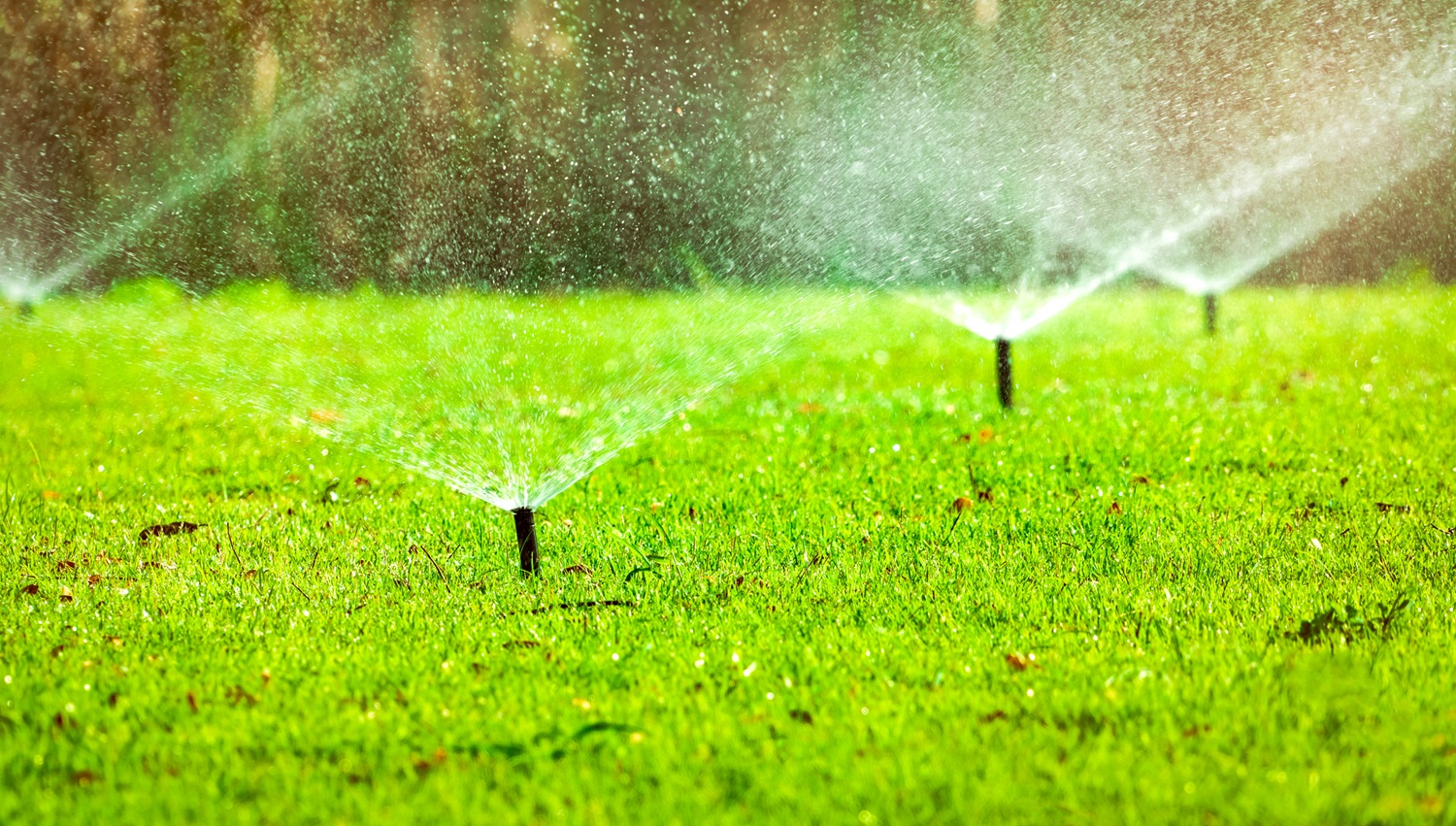
Your irrigation system is divided into “zones.”Each zone is a group of sprinkler heads that water a specific area of your yard, controlled by a valve. The number, size, and placement of zones determine:
- How evenly your lawn gets watered
- How efficient your system is
- How long does each section run
- Whether the system works with your soil, slope, sun exposure, and plant material
A great system feels seamless. A bad zoning plan? You’ll see it in your grass—and your water bill.
Think of zones like rooms in a house. Each one has a purpose, needs its own attention, and works best when treated individually. You wouldn’t heat your garage and living room the same way—so why water your flower beds and sunny lawn the same?
What Happens When Zoning Is Done Wrong?
Overwatering and Underwatering
If sunny and shady areas are grouped in the same zone, one will always suffer. Shade needs less water. The sun needs more. You end up either drowning one side or starving the other.
Mixed Head Types in One Zone
Rotors and spray heads have different precipitation rates. Mixing them means uneven watering. One side may get three times as much water.
Pressure Drops
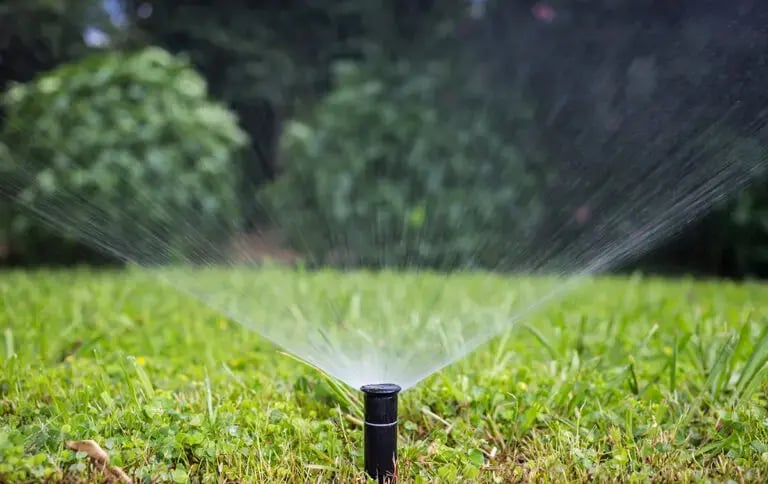
Too many heads on one zone causes low pressure, poor coverage, and misting. Mist evaporates before hitting the ground, wasting water and money.
Mismatched Plants and Turf
Flower beds and turf grass shouldn’t be in the same zone. One needs less water. The other needs consistency. Improper grouping leads to wilted plants or fungal turf.
Wrong Slope Management
Water runs downhill. If you don’t zone sloped areas separately, runoff wastes water and causes dry spots. Lower areas pool; higher ones dry out.
Nozzle Inconsistency
Different nozzles have different throw distances and gallons-per-minute rates. Improper combinations throw off even the best design.
Zone Duration Mismanagement
Even with the right hardware, if zones aren’t separated by similar needs, setting one timer causes all others to misfire. One run time does not fit all.
Real-World Example: Crofton, MD
We had a homeowner in Crofton who couldn’t understand why half their lawn was thriving and the other half looked like straw.
The original installer had grouped the sunny front lawn, the shady side yard, and the flower bed into the same zone. The sunny lawn was thirsty. The flower bed was drowning. The shady patch was growing fungus.
We split the zone, adjusted head types, added a drip line to the flower bed, and reprogrammed the controller. Six weeks later? Green, even, beautiful. She told us, “It finally feels like my lawn makes sense again.”
How We Diagnose Bad Zoning
Zone walk-through.
We run each zone and observe coverage, head types, misting, pooling, and pressure. We watch as water hits the turf and soaks in.
Soil and Sun Analysis.
We assess how sun, slope, and soil type affect water absorption. Clay, loam, sand—each needs different care.
Controller Review
We check how each zone is scheduled and if watering times match the zone’s needs. We often find overlapping schedules or zones running twice.
Water Pressure Test
We measure PSI and GPM to see if the design is overloading the system. Too many heads or a poor layout puts stress on the whole setup.
Ask About Lawn Performance
We talk to you. We ask: Where are the trouble spots? What’s working? What isn’t?
How We Fix Improper Zoning
Split Overloaded or Mismatched Zones
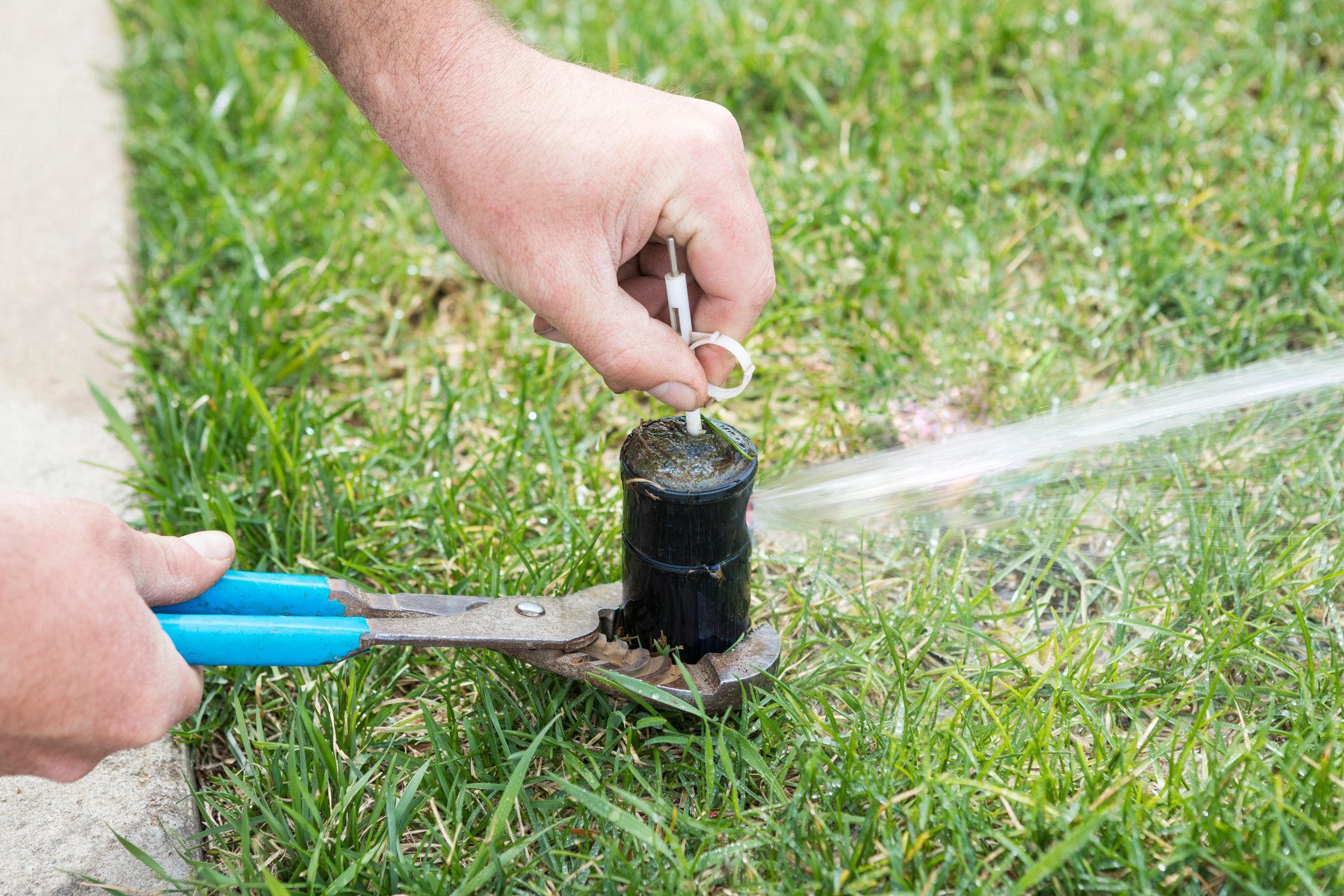
We add new valves and wiring to divide incompatible areas. We install new manifolds where necessary.
Upgrade Head Types
We match rotors with rotors, sprays with sprays, and use pressure-regulated heads where needed. No mixing. Better flow.
Add Drip Zones for Beds
Drip lines are perfect for flowers and shrubs. Less water, better precision. No spray into mulch or sidewalks.
Reprogram Schedules
We adjust run times, frequency, and smart settings based on zone needs. Sunny lawn zones might run every other day; shady areas every third day.
Leave Room for Growth
We future-proof by planning for patio additions, gardens, or new landscaping. Expansion should be easy, not a redo.
Use smart controllers.
We install Wi-Fi-enabled systems that adapt to real-time weather conditions, prevent overwatering, and allow full customization per zone.
Local Example: Bethesda, MD
A homeowner in Bethesda had a 12-zone system that was inefficiently using 8 zones. After redesign:
- We condensed beds into one drip zone
- Reallocated lawn areas for better pressure balance
- Installed flow sensors to monitor usage
He now uses 25% less water with better lawn results.
Sprinkler System Zoning FAQs
Q: “Can I fix bad zoning without a full re-install?”
A: Usually, yes. We often modify existing systems with added valves and wiring. We only suggest a full rework if the system was installed without scalability.
Q: “How many zones should I have?”
A: It depends on your property size, shape, sun exposure, and plant types. Most suburban homes have 4–8 zones. Large properties can go up to 15+.
Q: “Is smart zoning a thing?”
A: Yes! Smart controllers let us schedule zones differently based on weather, slope, and soil. Each zone becomes its own microclimate.
Q: “Do you work on systems other companies installed?”
A: Absolutely. Most of our zoning fixes are on systems we didn’t install. We know how to work with any brand or layout.
Q: “How long does a zoning fix take?”
A: Most repairs take one day. Larger redesigns may take two. We’ll give you a clear plan and timeline.
Signs You Might Have a Zoning Problem
- Patches of dry grass in one area and soggy soil in another
- A flower bed that keeps wilting or flooding
- High water bills despite short run times
- You don’t know how many zones you have
- Your controller says Zone 4 runs, but nothing happens
If that sounds like your yard, let’s talk.
Smart Zoning Means Smart Lawn Health
When zoning is done right, your system works with nature, not against it.
- Grass gets water when it needs it
- Plants thrive without drowning
- Soil absorbs evenly
- Your system runs more efficiently
- Your controller makes sense again
- It’s not magic. It’s a smart design.
And it’s one of the biggest differences between a system that survives and one that thrives.
Final Word From Bob
Zoning is the blueprint of your irrigation system. If it’s done right, everything else works better. If it’s done wrong, you’ll fight brown patches, rising water bills, and frustrated Saturdays tweaking settings.
At TLC, we’ve been helping homeowners in the DMV since 1983. We know how to spot zoning issues, fix them fast, and design systems that deliver beautiful results year after year.
So if your lawn looks patchy, uneven, or confused — let’s talk. We’ll walk the yard, show you the issues, and build a plan to fix them. Because a great lawn doesn’t start with grass. It starts with zoning.
Contact TLC for Your Next Project
TLC Incorporated began as a small residential lawn sprinklers/irrigation service installation and maintenance business in 1981. Today, TLC Incorporated is recognized as a leader in the lawn sprinkler, outdoor lighting and decorative lighting field throughout the Mid-Atlantic region, including Maryland. Contact us today at (301) 215-2397 to get more information about your next irrigation or outdoor lighting project. Don’t forget to follow us on Facebook, Twitter (X), and LinkedIn!