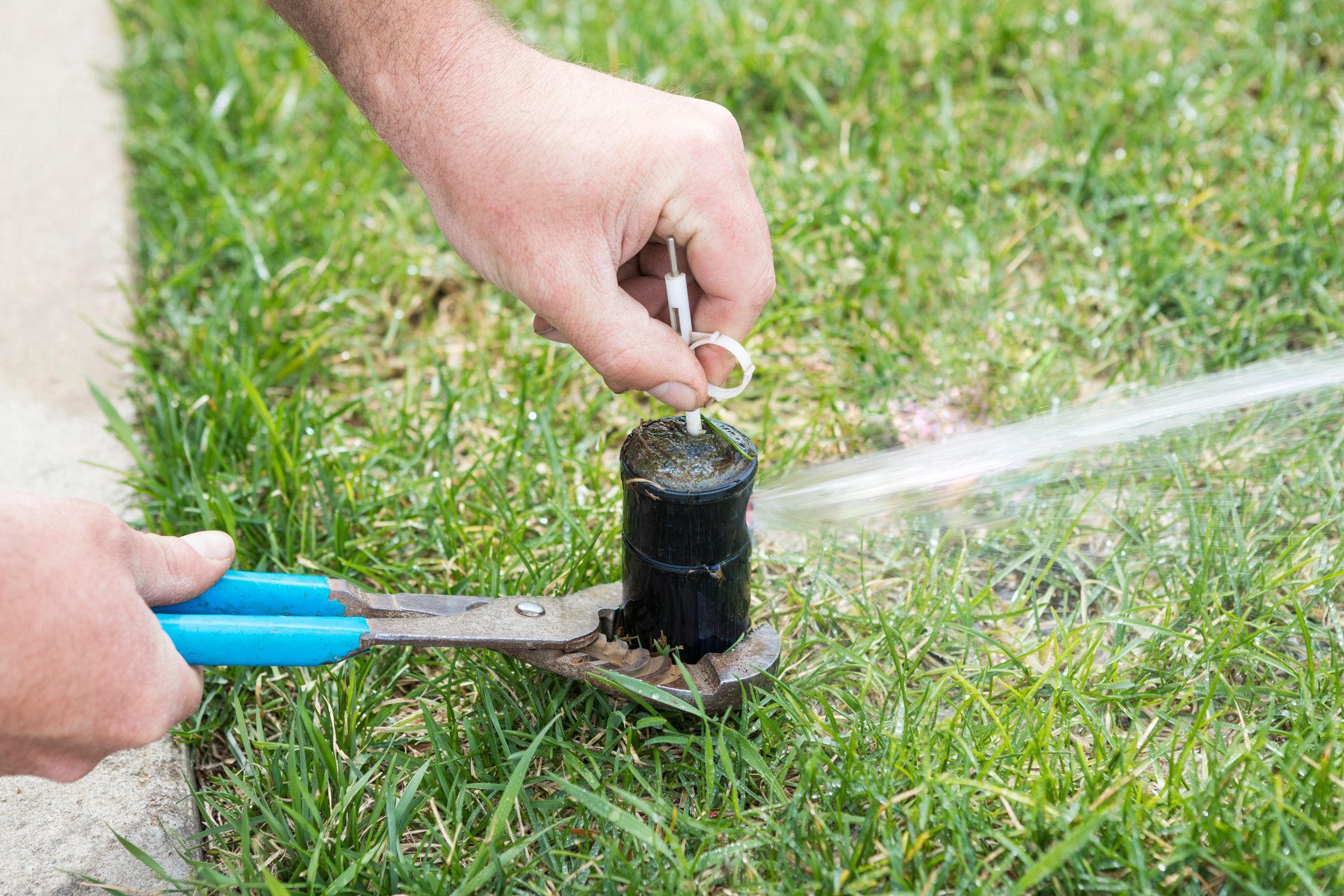
Every week, Maryland homeowners ask TLC the same question about fixing lawn sprinklers: "How much is this going to cost?" When a zone stops working, water pools in the lawn, or the controller quits, you want to know right away whether you're looking at a small fix or a major one.
The honest answer is that no two repairs are exactly alike — but that doesn't mean you're left guessing. Built on more than 42 years of TLC's Maryland irrigation experience, this guide walks through what drives repair costs, which repairs are most common, and how to make a confident decision before you approve any work.
The Short Answer on Cost
There's no single price for fixing lawn sprinklers, because the same symptom can point to very different problems. Two homeowners can describe the identical issue — a head that won't pop up — and one needs a quick nozzle swap while the other has a broken underground pipe. The symptom is rarely the whole story, which is why a clear diagnosis always comes before an accurate price.
Why Homeowners Search for Repair Pricing
When homeowners look up sprinkler repair costs, they usually want to know four things: whether the problem is minor, whether it makes more sense to repair or replace, whether it can safely wait, and whether they might be oversold on work they don't need. Those are all reasonable concerns. Rather than offer one number that may not fit your situation, this guide explains the scope of the most common repairs so you can judge for yourself.
Why Repair Costs Vary
It's difficult to quote an exact price over the phone because we hear the symptom, not the cause. A head that won't rise could be clogged, broken, starved of pressure, or tied to a valve or wiring fault. A wet spot could be a cracked fitting or a larger pipe break. Until the system is inspected, any exact figure is really just a guess. Once a technician identifies the actual cause, the recommendation and the cost become far clearer.
Planning Your Repair Investment
No honest contractor can promise an exact price before inspecting your system, but you can use general planning categories to gauge the relative complexity of common repairs.
|
Repair Type |
Typical Complexity |
Planning Investment |
|
Broken sprinkler head or nozzle |
Low |
$50-$150 |
|
Minor leak near a head |
Low to Moderate |
$70-$200 |
|
Valve repair or replacement |
Moderate |
$125-$400 per valve |
|
Wiring or electrical troubleshooting |
Moderate |
$60-$250 |
|
Controller replacement or upgrade |
Moderate |
$155-$500 |
|
Underground pipe repair |
Moderate to High |
$150-$450 |
|
Multiple repairs throughout the system |
High |
Depends on inspection |
Important: These are planning categories, not guaranteed prices. Your final cost depends on the diagnosis, accessibility, parts, and the overall condition of the system.
The Most Common Lawn Sprinkler Repairs
Most repair calls come down to a handful of issues:
- Broken heads — far and away the most common repair
- Nozzle replacements
- Fitting repairs
- Valve and wiring troubleshooting
- Updates to older controllers
The reassuring part is that fixing lawn sprinklers usually involves one or two components rather than the whole system. Periodic repairs are simply a normal part of owning an irrigation system.
Should You Repair or Replace?
Most of the time, repair is the right call. A broken head or leaking valve doesn't mean the system has failed — if the piping, valves, and zones are sound and parts are available, a targeted repair is usually the smartest, most cost-effective choice.
The math changes when a system shows a pattern of trouble: repeated leaks, obsolete or unreliable controls, several failing valves, parts that are no longer made, and problems that keep coming back. At that point, a strategic upgrade or partial replacement can deliver better long-term value than repairing the same system again and again.
Why Waiting Can Cost More
The most common mistake homeowners make is waiting. It's understandable — people put off a call because they're worried about the cost — but delay usually makes the repair bigger, not smaller. A small leak keeps wasting water, a broken head leaves dry patches that stress the lawn, and a stuck valve can oversaturate the soil and drive up your water bill. Scheduling an inspection isn't the same as committing to a repair; it's simply gathering accurate information before you decide.
What Happens During a Professional Repair Visit
A good repair visit starts with listening, because homeowners usually know the symptoms even when they don't know the cause. From there, the technician runs the system one zone at a time, checking heads, nozzles, valves, wiring, the controller, pressure, coverage, and any signs of leaks. Before any work begins, you should receive a plain-language explanation of what's wrong and what your options are. The goal is to be sure the recommended repair actually solves the underlying problem.
Looking to Find What Sprinkler Repair Will Cost You?
If your system isn't working the way it should, the best first step is an evaluation. The TLC Sprinkler Repair Request Form lets you describe the symptoms ahead of your appointment. Helpful details include which zone is affected, when the issue started, whether you're seeing standing water or dry areas, any change in your water bill, and recent landscaping or excavation. You don't need to know what's broken — just tell us what you've noticed, and our job is to identify the cause, explain your options, and help you choose wisely.

Frequently Asked Questions
How much does fixing lawn sprinklers cost?
There's no flat rate, because the same symptom can come from several different problems. Many repairs involve a single head, nozzle, fitting, valve, wire, or controller adjustment, while underground pipework sits at the higher end. An inspection is the only way to get an accurate figure.
Can you give me a repair price over the phone?
A contractor can talk through the likely causes, but an exact price requires an inspection, since one symptom can have several different causes.
Are most sprinkler repairs expensive?
Not necessarily. Many come down to one head, nozzle, fitting, valve, wire, or controller adjustment. The true scope depends on the diagnosis.
Is it worth repairing an older sprinkler system?
Often, yes. Age alone doesn't decide the matter — overall condition and reliability count for more.
Should I upgrade my controller during a repair?
If it's outdated or unreliable, a smart-controller upgrade can improve convenience and efficiency. Evaluate it as part of the whole system.
How quickly should I repair a leak?
As soon as reasonably possible. Even a small leak wastes water and can damage the surrounding lawn and soil.
How often should a sprinkler system be inspected?
A yearly inspection catches small problems before they grow into larger, costlier repairs.
Final Thoughts
It's natural to start with a pricing question, but the more useful question is how to make a smart repair decision. Understand the actual problem, ask why a repair is being recommended, and work with someone who explains your options in plain terms. Do that, and fixing lawn sprinklers becomes far less stressful — the goal is a correct repair, a protected landscape, and long-term value, with education coming before any recommendation.
Topics: