Table of Contents
-
Clogged Nozzles and Poor Spray
- Low Water Pressure
- Leaks and Pooling Water
- A Zone That Won't Turn On
- A Zone That Won't Shut Off
- Controller and Timer Problems
- Uneven Coverage and Dry Spots
Clogged Nozzles and Poor Spray
Low Water Pressure
Leaks and Pooling Water
A Zone That Won't Turn On
A Zone That Won't Shut Off
Controller and Timer Problems
Uneven Coverage and Dry Spots
When to Call a Professional
A well-running sprinkler system is easy to take for granted, until a brown patch appears, a zone goes quiet, or your water bill jumps for no obvious reason. The good news is that most sprinkler problems fall into a handful of familiar categories, and many trace back to a single component rather than the whole system. Knowing what to look for helps you decide what you can handle yourself and when it's time to call a professional.
For more than 40 years, TLC Incorporated has helped Maryland homeowners keep their sprinkler systems running efficiently, diagnosing thousands of sprinkler repairs across Maryland to find the real problem first and recommend the most practical fix.
Here are the most common lawn sprinkler system problems homeowners run into, what causes them, and how they get fixed.
Broken or Damaged Sprinkler Heads
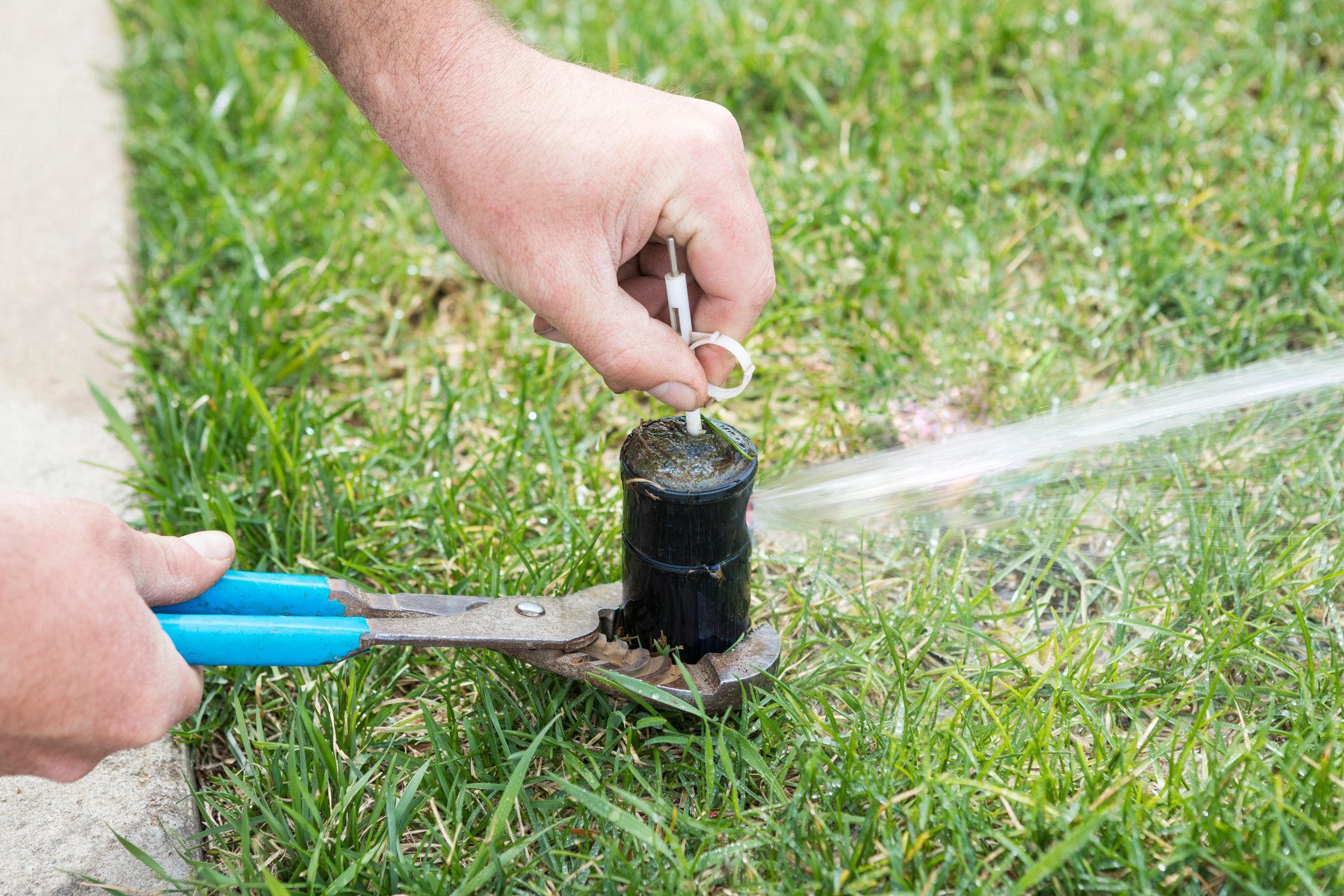
Broken heads are by far the most frequent sprinkler repair. A head can crack from a lawnmower or foot traffic, snap off, sink below grade, or simply wear out after years of use. You'll usually spot the problem as water spraying erratically, bubbling up at the base, or a dry patch where a head has stopped reaching.
How to Fix
Before you start: This is a DIY-friendly repair as long as the pipe and fitting beneath the head are intact. Have a replacement head that matches the old one, and work when the soil is slightly damp.
|
# |
Action |
How to Do It |
|
1 |
Turn off the system |
Shut off the water at the controller — and at the zone or main valve if possible — so nothing flows while you work. |
|
2 |
Match the replacement |
Note the old head's brand, type (spray or rotor), pop-up height, spray pattern, and flow rate; matching all of these keeps the zone's coverage even. |
|
3 |
Expose the head |
Dig a small circle a few inches around and down, setting the soil and sod aside, and keep dirt from falling into the exposed pipe. |
|
4 |
Remove the old head |
Turn it counterclockwise off the riser, holding the riser steady so it doesn't twist loose or drop into the pipe. |
|
5 |
Check for debris |
Clear any dirt from the riser, and clean or replace the filter screen at the base — a common cause of weak or uneven spray. |
|
6 |
Install the new head |
Thread it onto the riser clockwise by hand until snug; avoid over-tightening, and skip Teflon tape unless the manufacturer calls for it. |
|
7 |
Adjust the spray |
Set the spray pattern and distance so water lands on the lawn, not the driveway, sidewalk, or house. |
|
8 |
Test before burying |
Turn the water back on, run the zone, and confirm the head pops up fully, sprays evenly, and covers the right area. |
|
9 |
Backfill and restore |
With the water off again, pack soil firmly around the head so it sits flush and upright, then replace the sod. |
When to call a professional: If the threads underneath are stripped, the riser or pipe is cracked, water keeps pooling at the base after replacement, or the same head keeps breaking, the problem is below the surface — and that's worth a professional's diagnosis rather than repeated head swaps.
Clogged Nozzles and Poor Spray
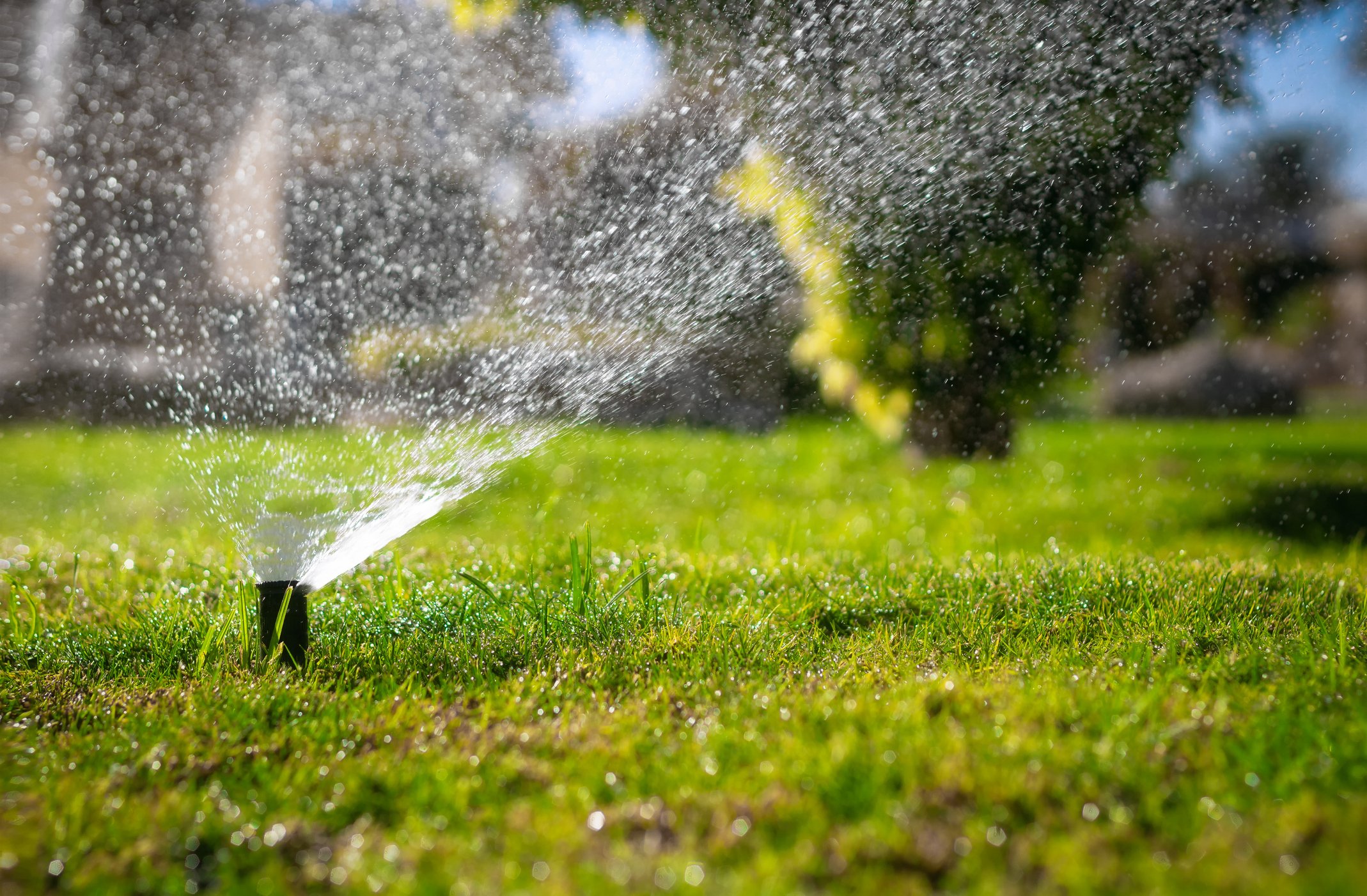
Sprinkler heads pull in dirt, sand, and mineral debris over time, and Maryland's soil is happy to supply it. A clogged nozzle shows up as a head that trickles, sprays in the wrong direction, or produces a weak, uneven pattern.
How to Fix
Before you start: Most nozzle clogs are an easy do-it-yourself fix — just a quick clean of the nozzle and filter screen.
|
# |
Action |
How to Do It |
|
1 |
Shut off the zone |
Turn off the water to that zone at the controller so the head isn't spraying while you work. |
|
2 |
Remove the nozzle |
Lift the riser up if needed and unscrew or pull off the nozzle from the top of the sprinkler head. |
|
3 |
Take out the filter screen |
Remove the small filter screen beneath the nozzle — this is where most debris collects. |
|
4 |
Rinse them clean |
Rinse the nozzle and screen with clean water to flush out dirt and grit; use a soft brush or toothpick for stubborn debris, taking care not to enlarge the openings. |
|
5 |
Reinstall |
Put the clean screen and nozzle back in place and secure the head. |
|
6 |
Test the spray |
Turn the zone back on and check for a full, even spray pattern, adjusting the direction if needed. |
If cleaning doesn't help: If a full, even spray doesn't return, the nozzle may be worn and due for replacement — swap it for one that matches the rest of the zone's pattern and flow rate.
When to call a professional: Persistent clogging across several heads can point to sediment in the lines, which is better diagnosed by a technician.
Low Water Pressure
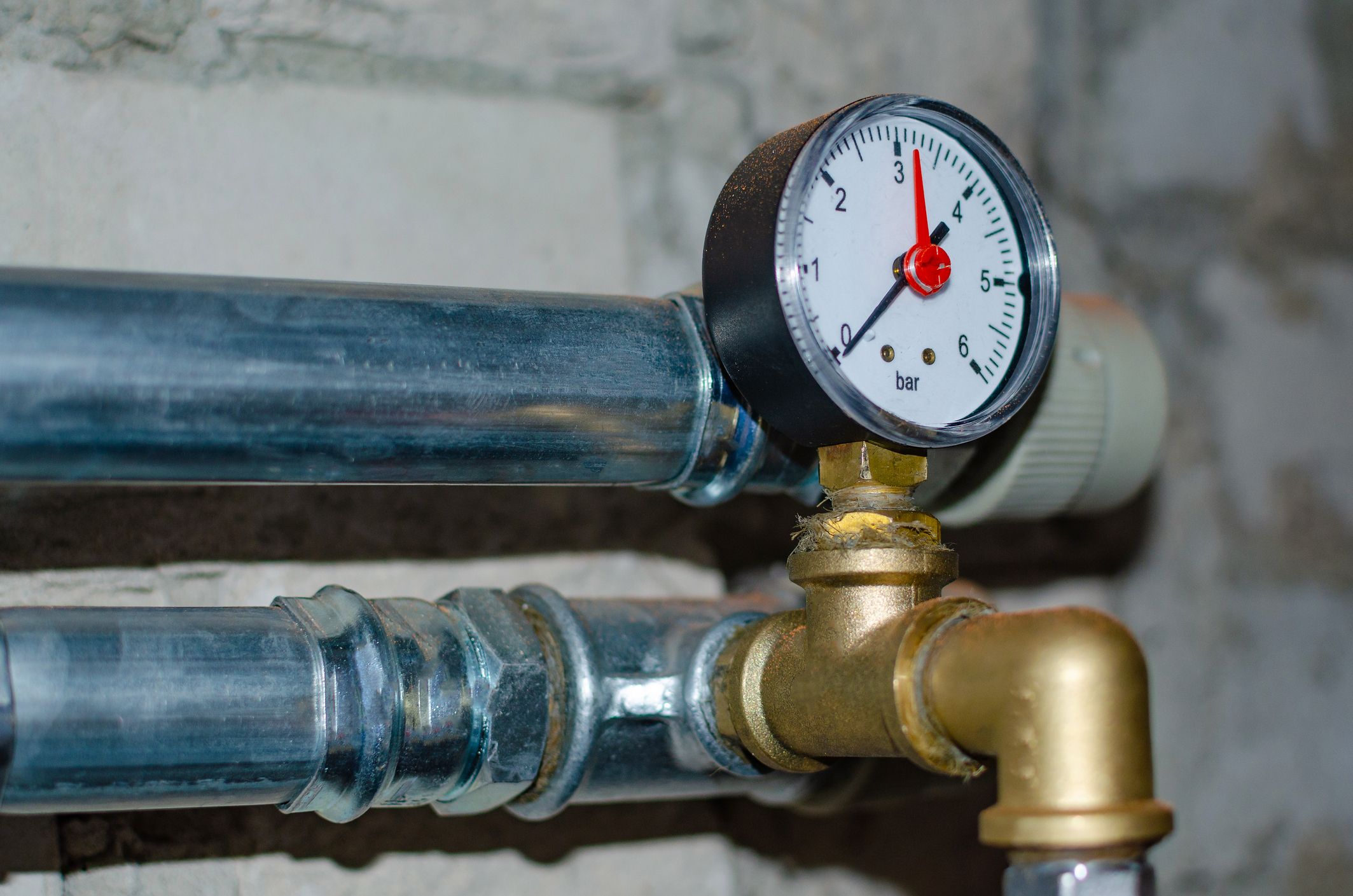
If your heads no longer spray as far as they used to, or barely rise at all, low pressure is usually the culprit. The causes range from simple to serious
- a partially closed valve
- a clogged filter
- too many heads running on one zone
- a leak somewhere in the line
- or a failing pressure regulator or backflow device.
How to Fix
Where the problem is usually located and what to do about it.
|
What You Find |
What It Points To |
What to Do |
|
Start with the easy check |
A valve that isn't fully open |
Confirm the main shutoff and any zone valves are all the way open — the simplest cause to rule out first. |
|
Pressure is weak across the whole system |
An issue at the supply, backflow, or mainline |
Professional territory — have a technician diagnose and correct it. |
|
Only one zone is weak |
Usually confined to that zone's valve or piping |
Focus the diagnosis on that single zone's valve and lines. |
Tip: How far the low pressure reaches is the biggest clue — a whole-system drop points upstream to the supply or mainline, while a single weak zone narrows the problem to that zone alone.
Leaks and Pooling Water
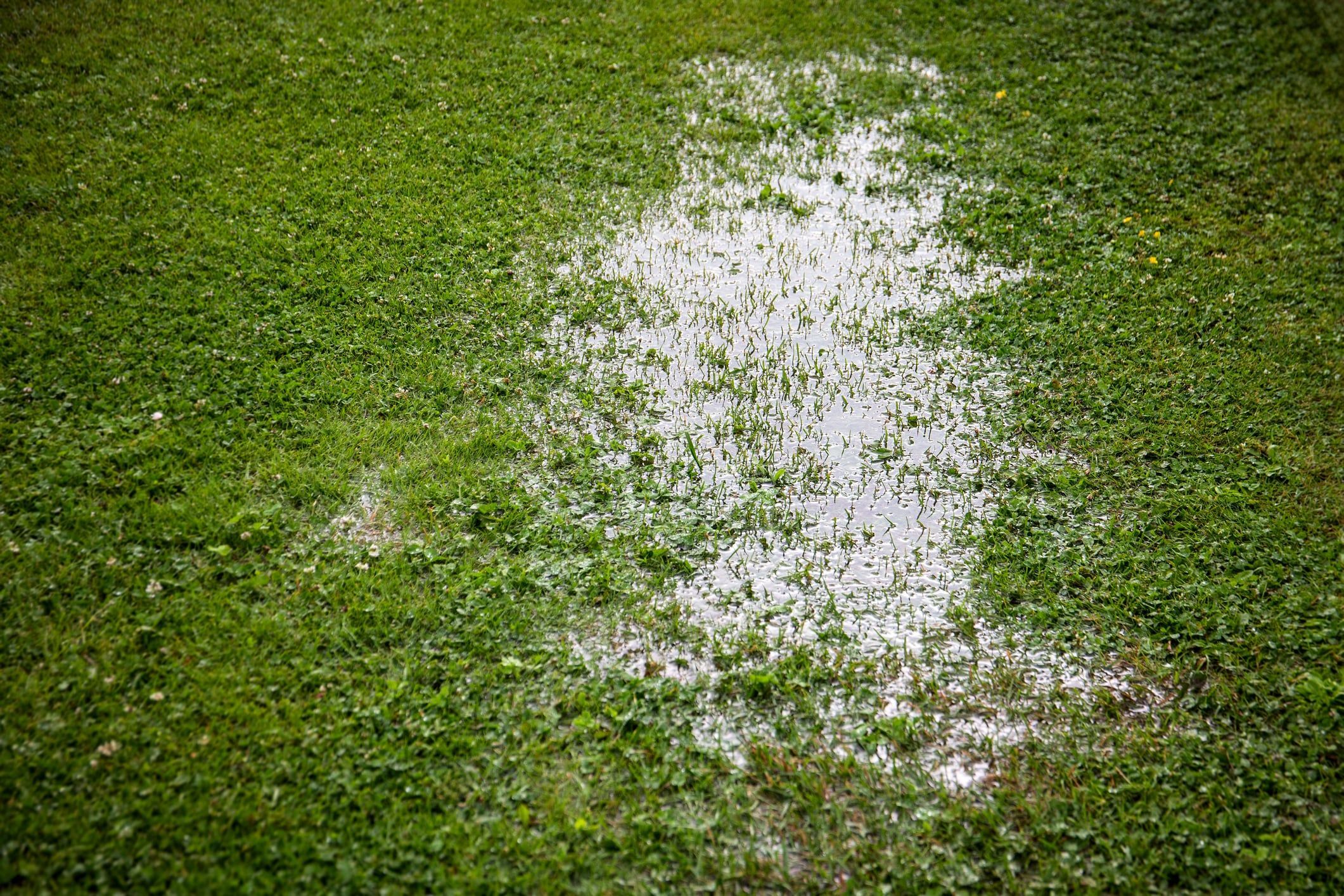
Water pooling in the lawn, a soggy spot that never dries, or soil eroding near a head all point to a leak. Leaks happen at cracked fittings, split pipes, worn seals, or a leaking swing joint beneath a head. Because most of the system is underground, a leak can waste a surprising amount of water — and drive up your bill — long before it's obvious at the surface.
Surface leaks around a head can sometimes be repaired by replacing the head or seal. Underground leaks are harder to locate and repair, since they require pinpointing the break and excavating to reach it. This is one of the more common reasons to call a professional, both to find the leak efficiently and to repair it correctly.
A Zone That Won't Turn On
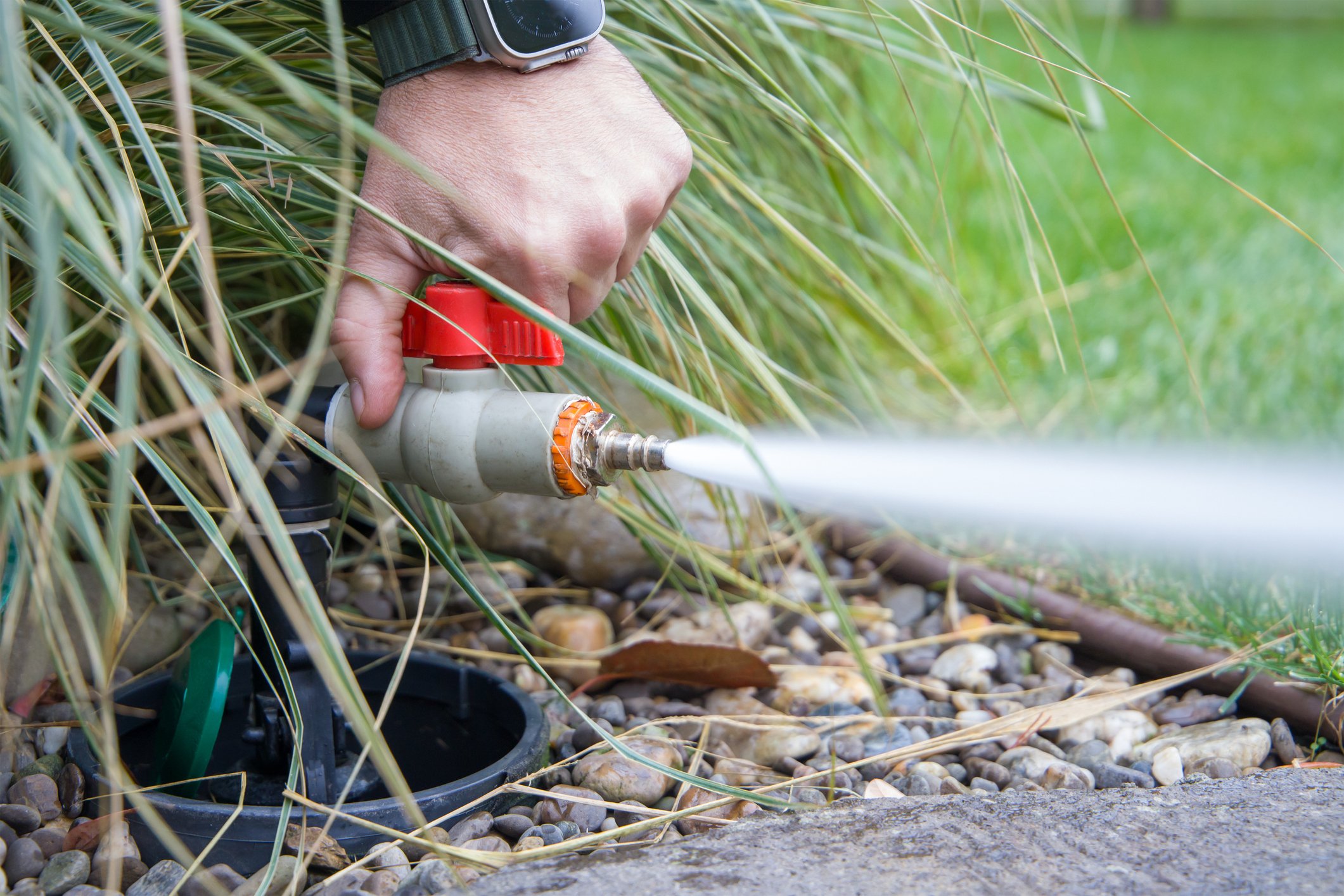
When an entire zone stays dry while the others run, the problem usually isn't the heads; it's the control system. The likely causes are a failed solenoid, a bad valve, a cut or corroded wire, or a programming error at the controller.
This is where guessing gets expensive, because several different components produce the same symptom. A technician tests each part: valve, solenoid, wiring, and controller output to find the actual fault before replacing anything. Simple programming mistakes are worth ruling out first, but electrical and valve diagnosis is best left to a pro with the right tools.
A Zone That Won't Shut Off
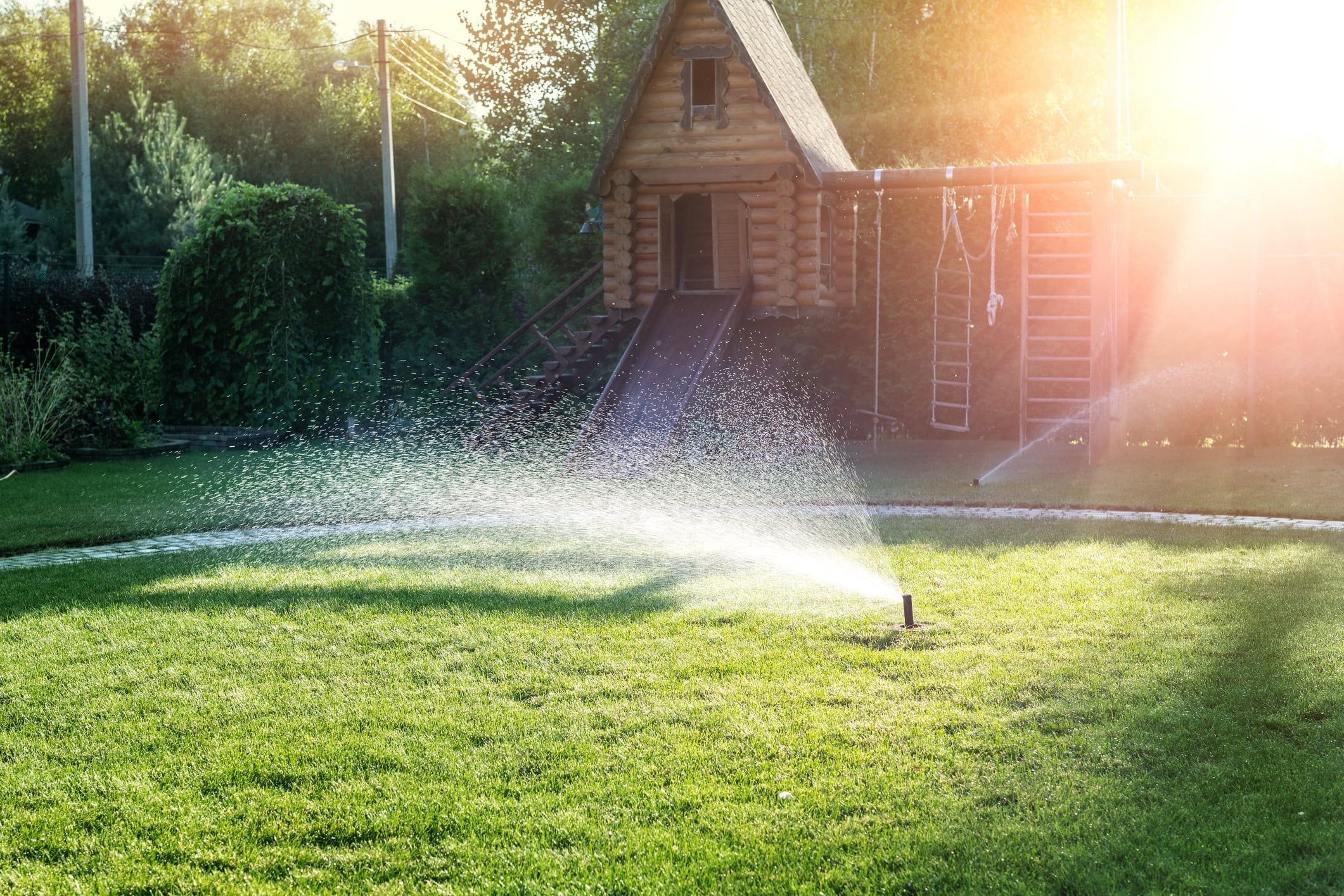
A zone that keeps running, or the whole system that won't stop, needs prompt attention because it wastes water quickly. The usual causes are debris lodged in the valve, a worn valve diaphragm, or a controller fault telling the valve to stay open.
As a first step, turn the system off at the controller and, if needed, at the main shutoff to stop the water. From there, the valve typically needs to be cleaned out or rebuilt, or the controller checked — repairs that usually call for a technician to resolve properly.
Controller and Timer Problems

The controller is the brain of the system, and when it misbehaves, the whole system does too.
Here’s what to look out for:
- zones running at the wrong time
- skipped cycles
- lost programming
- a blank display
- or a unit that won't connect to its app.
Sometimes the controller itself is failing; other times it's flagging a wiring, solenoid, or sensor problem out in the yard.
Basic issues are easy to check for yourself, such as:
- a tripped GFCI outlet
- a dead backup battery
- or a schedule that got erased after a power outage
If the controller shows persistent errors or won't hold a program, it may need repair, replacement, or an upgrade to a modern smart controller.
Uneven Coverage and Dry Spots
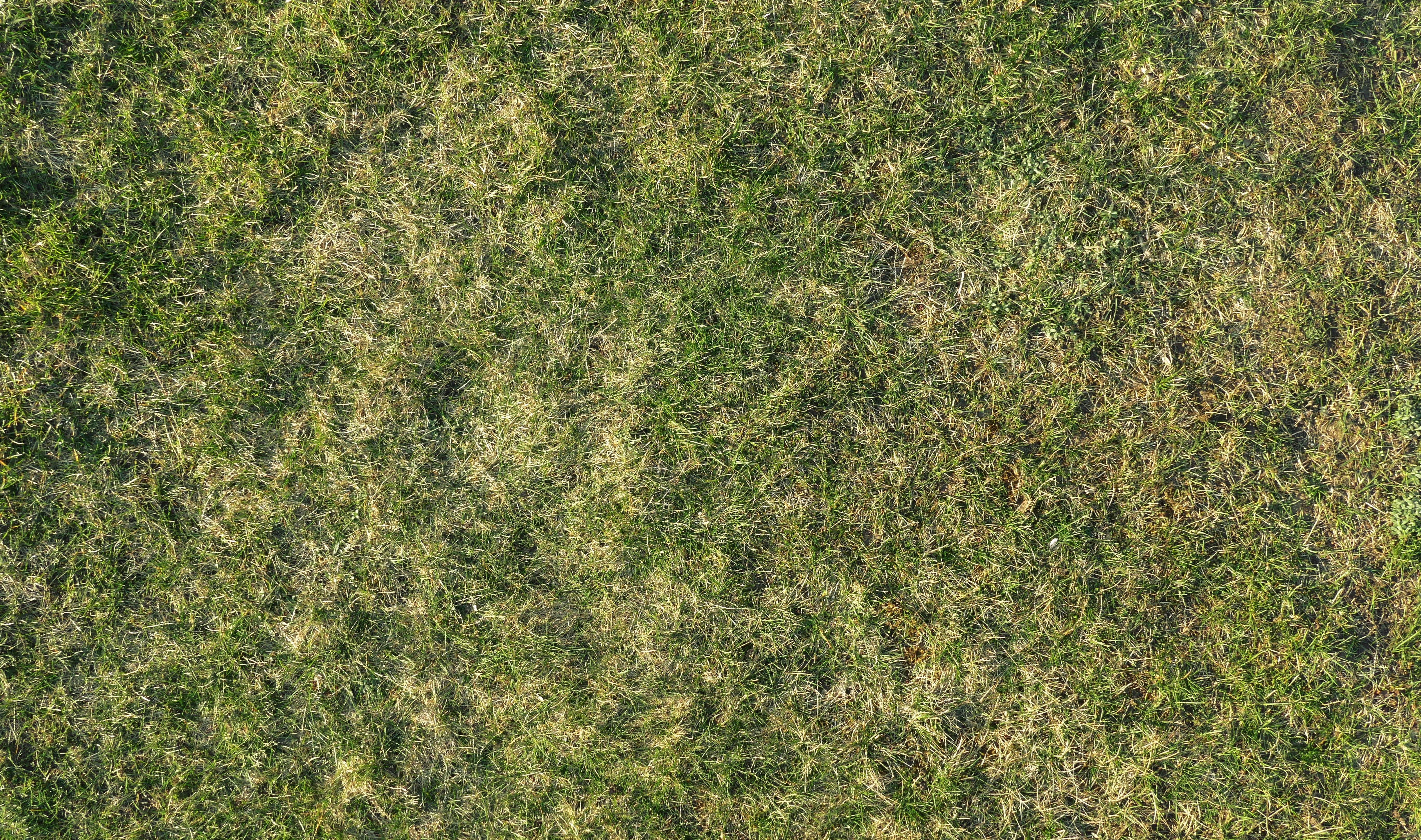
Sometimes every component works, yet the lawn still has brown patches. This points to a coverage problem: heads that are misaligned, spaced too far apart, blocked by grown-in landscaping, or mismatched within a zone. The instinct is to water longer, but that just wastes water while the dry spots persist. The real fix is correcting the spray pattern, adjusting or adding heads, and balancing the zone so water lands where it's needed.
When to Call a Professional
Some sprinkler repairs are well within a homeowner's reach, while others are worth a professional's diagnosis — because the real value is in correctly identifying the cause, not swapping parts and hoping.
Often DIY-friendly:
- Cleaning a clogged nozzle
- Replacing a broken sprinkler head
- Resetting or reprogramming the controller
Best left to a professional:
- Hidden or underground leaks
- Valve and wiring faults
- Pressure problems
- Repeat failures that keep coming back
If your system is showing any of these signs, request a free, no-obligation repair estimate and get it working the way it should.