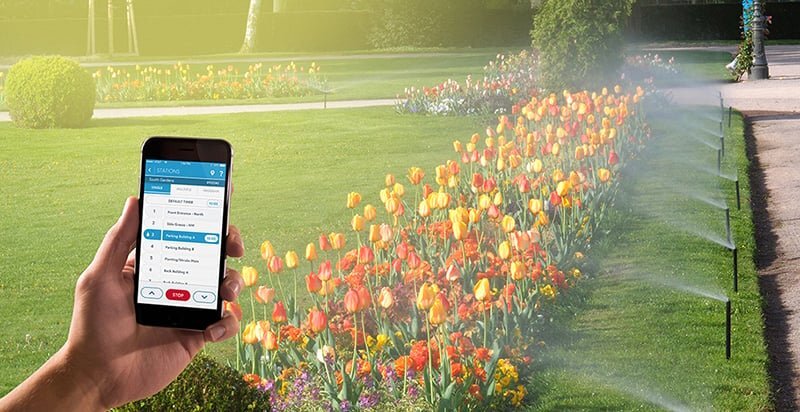
Smart irrigation has changed the way homeowners think about watering. Wi-Fi-connected controllers adjust to the weather, skip cycles when rain is coming, let you manage every zone from your phone, and can meaningfully cut your water bill. The marketing around these systems often suggests something more, though: that they're plug-and-play, set-and-forget, a do-it-yourself upgrade that replaces the need for a professional altogether.
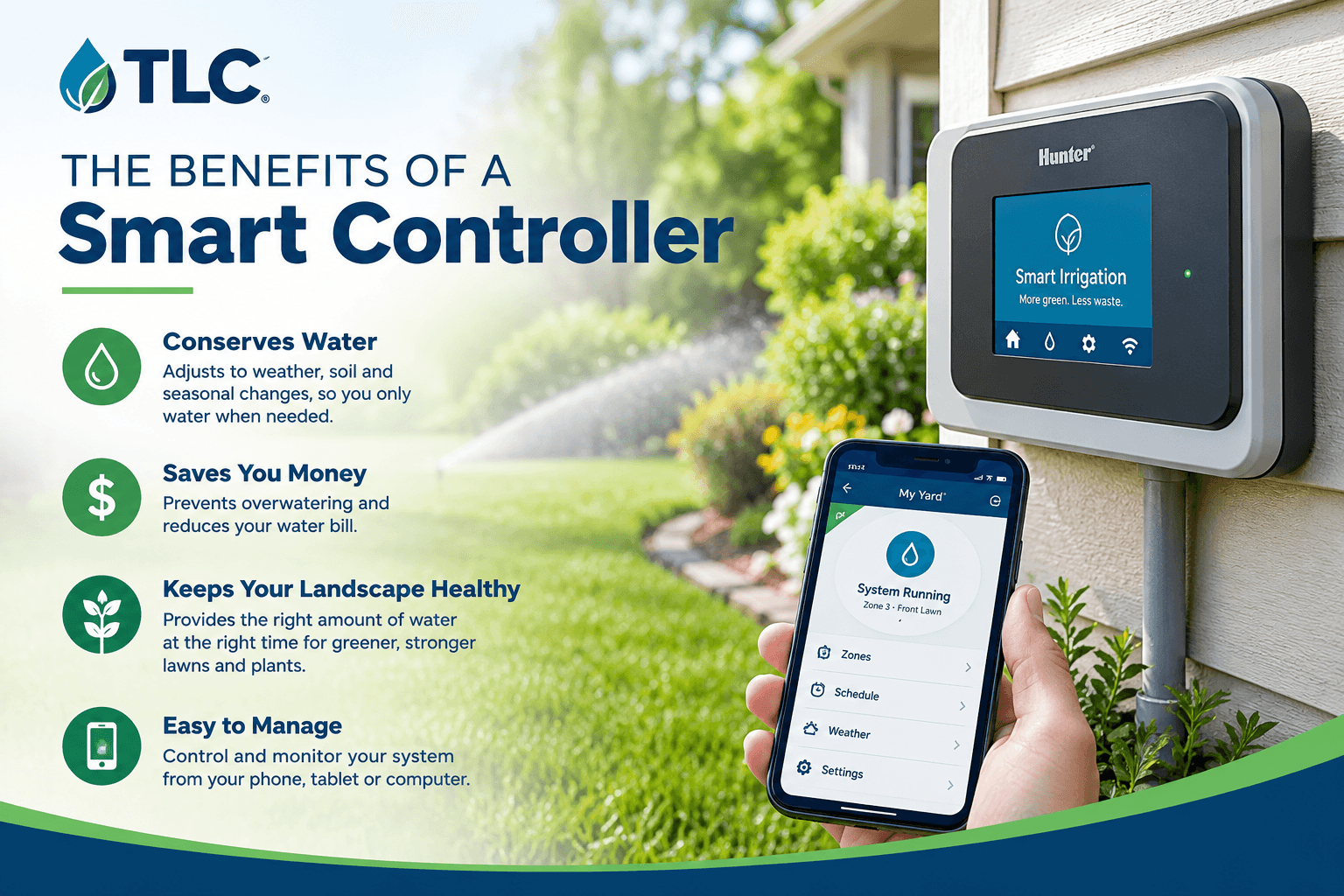
The technology is genuinely impressive. But that last claim doesn't hold up. A smart controller is one powerful piece of a much larger system, and that system still needs professional expertise to design, install, tune, and maintain.
Thankfully, for more than 40 years, TLC Incorporated has helped Maryland homeowners get the most from their irrigation — designing, installing, upgrading, and maintaining systems that water efficiently and last.
Here's why the smartest irrigation setups are still backed by a professional company, not just a gadget on the wall.
The Smart Irrigation Promise
It's easy to see why smart controllers get marketed as a complete solution. They do a lot on their own:
- pull hyper-local weather data
- calculate how much water your landscape is losing to heat and wind
- and adjust schedules automatically
For a homeowner tired of watering in the rain or guessing at run times, that feels like the whole problem solved.
The fine print is that a controller only makes decisions about when and how long to water. It has no ability to change the physical system it's connected to: the heads, nozzles, valves, pipes, and wiring that actually deliver water to your lawn. If that system is well designed and properly maintained, the controller optimizes it beautifully. If it isn't, the controller simply automates the existing problems. Smart scheduling on a flawed system just wastes water more precisely.
An Irrigation Controller Is Only as Good as the System Beneath It
This is the core reason professional expertise still matters. Think of the smart controller as the brain of your irrigation system. A brilliant brain can't compensate for a body that isn't working, and neither can a smart controller compensate for heads that don't cover the lawn evenly, zones that were grouped without regard to sun and soil, or a slow leak underground.
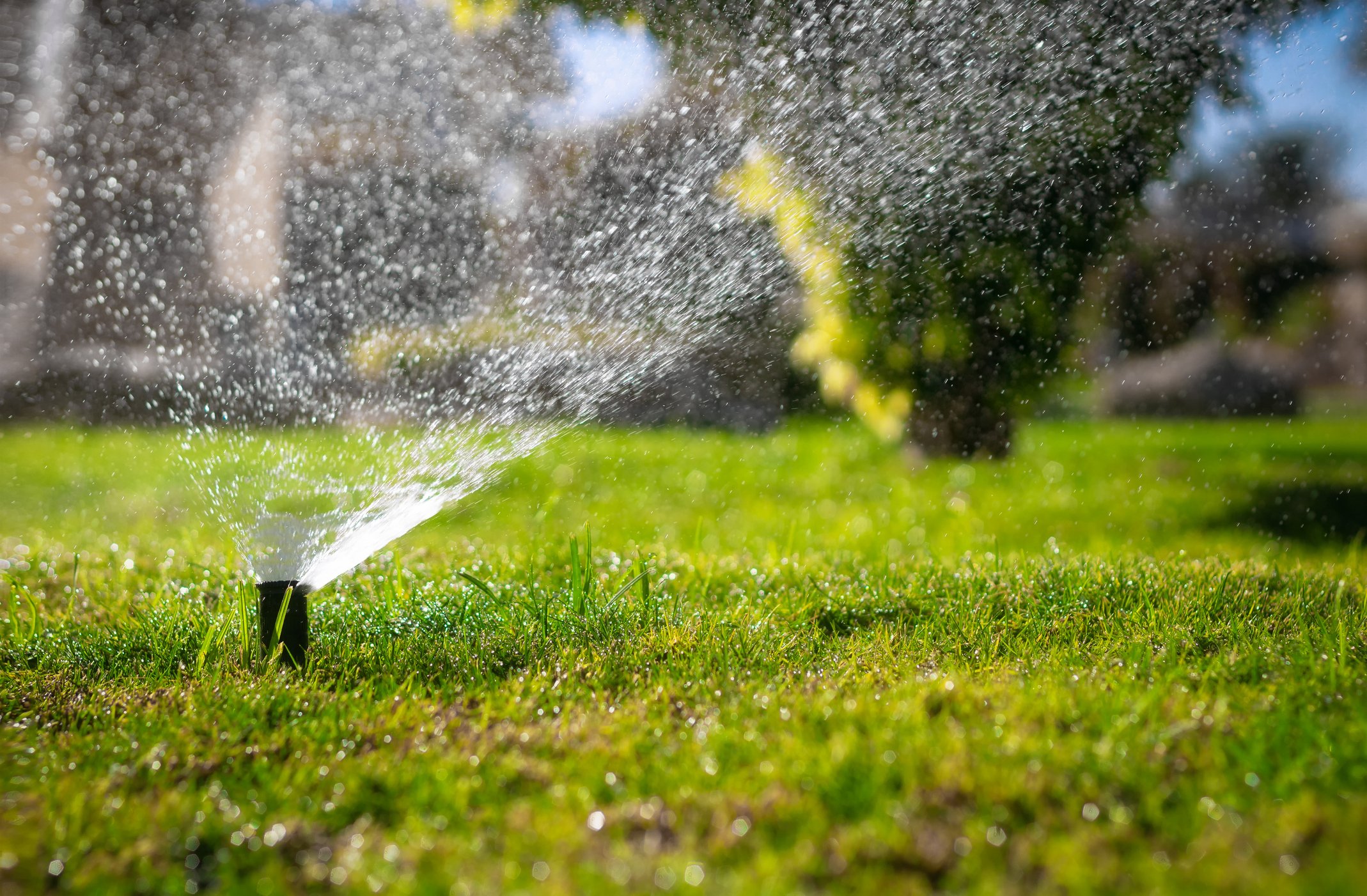
The biggest water losses in most systems come from physical issues that no controller can see or correct: heads that overlap in some spots and leave dry gaps in others, mismatched nozzles within a single zone, low or uneven pressure, a leaking valve, or a cracked line quietly wasting water every cycle. Weather data does nothing to fix any of these. They require hands-on diagnosis and repair — the work a professional irrigation company does before the smart features ever come into play.
Irrigation Installation Is More Than Swapping a Box
On the surface, installing a smart controller looks like a simple swap: unplug the old timer, wire in the new one. In practice, it's rarely that clean. Zones have to be correctly identified and wired, valves and solenoids tested, and any sensors — rain, soil moisture, flow — integrated and calibrated. Older systems may have compatibility quirks, corroded connections, or wiring that was never labeled correctly in the first place.
A miswired zone, a sensor that isn't reading properly, or a program built on wrong assumptions can leave you worse off than before — with a "smart" system that waters the wrong areas at the wrong times. A professional gets the installation right, verifies that every zone responds correctly, and confirms the system does what the app says it's doing. That verification is something a box in the mail can't provide.
Programming for Your Landscape, Not a Factory Default
Out of the box, a smart controller runs on generic assumptions. Its real value only emerges when it's programmed for your specific property, and that programming is a skill, not a formality. A smart controller is programmed for:
-
Which zones cover turf versus beds
-
how long each should run
-
how to sequence watering to avoid pressure drops
-
whether a zone needs "cycle and soak" scheduling to prevent runoff
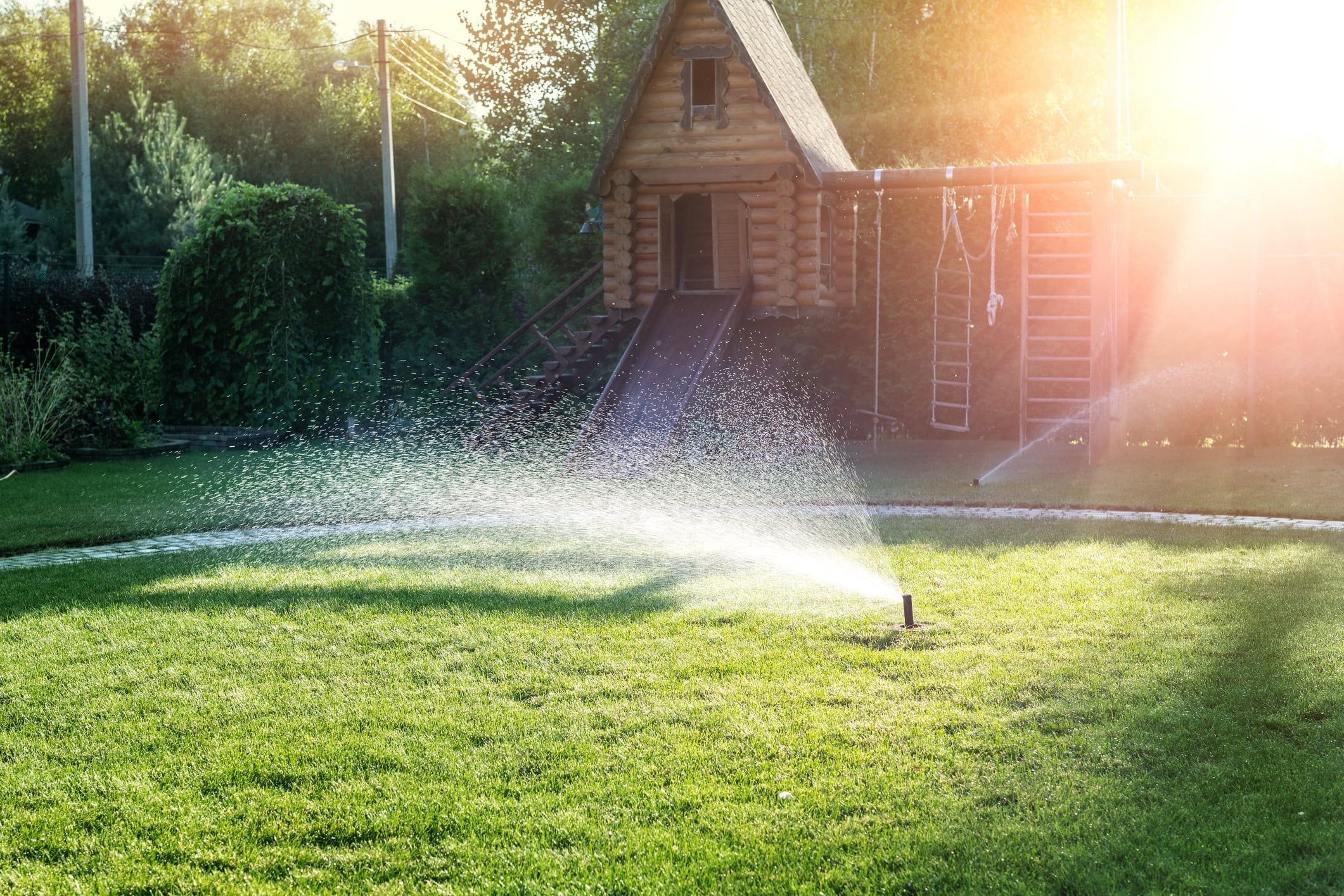
A professional sets the controller up around how your yard actually behaves: its slopes, its shade, its soil, its plant types. The same controller that delivers mediocre results on factory settings can deliver excellent ones when it's tuned by someone who understands both the technology and the property. The hardware and the expertise work together; neither reaches its potential alone.
Local Knowledge a Hydrawise Sensor Doesn't Have
No controller ships with an understanding of your region, and in Maryland that understanding matters enormously. Our clay-heavy soil absorbs water slowly, so applying it too fast, even on a smart schedule, causes runoff instead of deep watering. "Cycle and soak" programming, several short bursts instead of one long run, solves this, but only if someone knows to set it up that way.
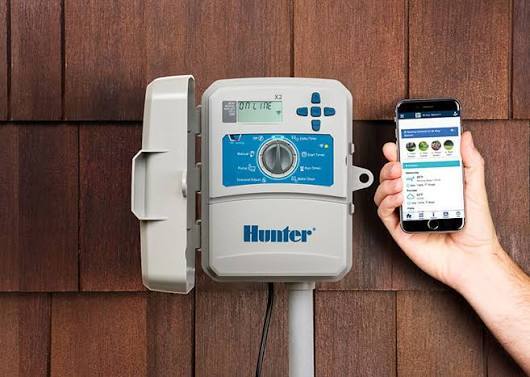
The swing from wet springs to dry, humid summers calls for seasonal adjustments that go beyond what a factory preset anticipates. Microclimates across a single property, a baking south-facing slope, a shaded low spot that stays damp, need different treatment that a professional recognizes and programs for. And no matter how advanced the controller, a Maryland system still needs proper winterization each fall to keep freezing temperatures from cracking pipes and valves. These are decisions rooted in local experience, not something a sensor can figure out on its own.
Seasonal Care and Repairs Still Require a Pro
Here's where the "company, not just a gadget" distinction becomes clearest. An irrigation system is not a one-time purchase; it's a system that runs for years and needs care along the way. Spring start-ups to bring the system back online safely, mid-season checkups to catch small problems before they waste water, and fall winterization to protect against freeze damage are all hands-on tasks a smart controller can't perform. It can remind you they're due, but it can't do them.
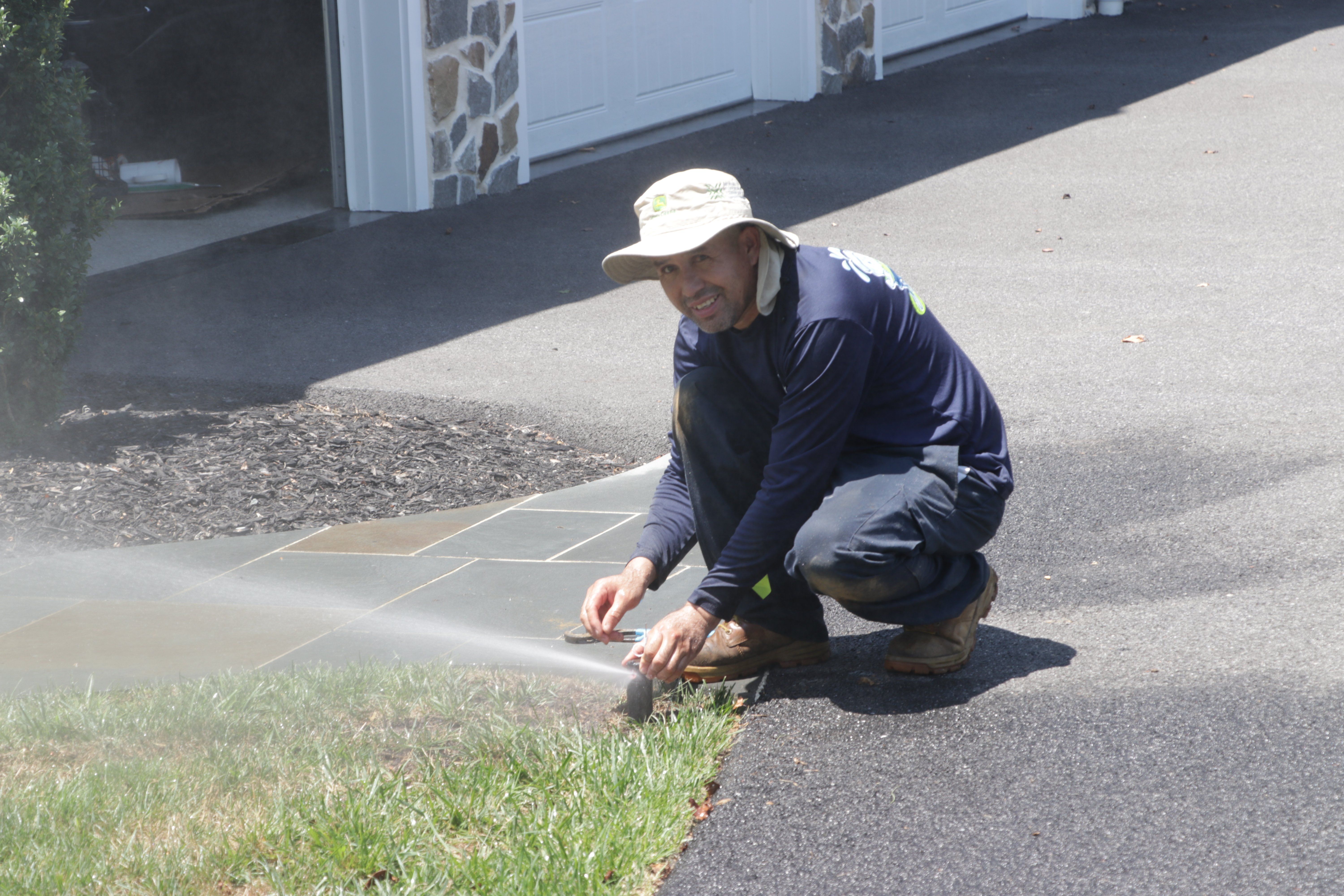
And when something breaks: a cracked head, a failed valve, a wiring fault, a leak, you need a professional to diagnose and repair it. A smart controller might alert you that a zone is using too much water, which is genuinely useful, but it can't crawl under the lawn and fix the broken line. The alert is only valuable if there's a professional to act on it.
The Value of an Irrigation Company Behind the System
Beyond the physical work, there's real value in having a company, not just a device, standing behind your irrigation. A professional company knows your specific system, keeps track of its history, and can respond when something needs attention. There's accountability: one point of contact who is responsible for the system performing as promised, who stands behind the installation, and who can be called when a question or problem comes up. An app can send a notification, but it can't take responsibility for the result. That relationship is what turns a collection of hardware into a system you can actually rely on, season after season.
The Right Way to Go Smart
None of this is a reason to skip smart irrigation. A smart controller is one of the best upgrades a homeowner can make when it's part of a well-designed, well-maintained system programmed for the property and the climate. The technology is a powerful tool, not a replacement for expertise. Get the system beneath it right, tune it for your landscape, keep it maintained through the seasons, and the smart controller will deliver everything it promises.
If you're considering a smart controller, or you already have one and aren't seeing the results you expected, request a free, no-obligation estimate and let a professional company make the technology actually work for your lawn.
FAQs
Can a smart controller replace my irrigation company?
No. A smart controller decides when to water and for how long — it has no control over where the water actually lands. If a head is tilted, a nozzle is mismatched, or a zone was designed with poor head-to-head coverage, the controller will faithfully deliver the wrong amount of water to the wrong places on an optimized schedule. Hardware manages timing; a professional manages the system that timing depends on.
Will a smart controller actually lower my water bill?
It can, but the savings depend almost entirely on the condition of the system underneath it. Independent testing has shown weather-based controllers deliver meaningful savings on well-tuned systems and much smaller savings on systems with leaks, clogged nozzles, or uneven coverage. Fixing distribution problems first, then adding smart control, produces far better results than the reverse order.
Why does professional installation matter if the app walks me through setup?
Setup wizards ask what the controller needs to know, not what your yard needs you to know. They can't tell you that zone three is hydraulically overloaded, that your static pressure is 85 PSI and shredding your nozzles, or that two zones were wired to the same terminal by a previous installer. A professional diagnoses those conditions during installation instead of encoding them into your new schedule.
What is an irrigation audit, and do I need one before upgrading?
An audit measures how evenly your system applies water, typically using catch cups to calculate distribution uniformity, and identifies pressure problems, coverage gaps, and runoff. It's the single most valuable thing you can do before installing smart hardware, because it tells the controller's runtime settings what the system is actually capable of delivering.
My smart controller says my yard is healthy, but I have brown spots. What's wrong?
Brown spots almost always signal a mechanical problem, not a scheduling one: a clogged or misaligned nozzle, a broken lateral line, low pressure at the end of a run, or a zone that mixes rotors and spray heads with different precipitation rates. No amount of schedule adjustment fixes uneven application; it just overwaters the healthy areas while chasing the dry ones.
Do I still need backflow testing and winterization with a smart system?
Yes. Backflow prevention protects your drinking water supply and is subject to inspection and testing requirements in most jurisdictions, entirely independent of what controller you own. Winterization is a physical process of clearing water from lines before freezing temperatures — a "smart" controller that shuts off for the season does nothing to prevent cracked pipes and split valves.
Can smart hardware detect leaks on its own?
Some systems can flag unusual flow when paired with a flow sensor, and that's genuinely useful. But detection is not diagnosis. The alert tells you something changed; it doesn't tell you whether a valve is weeping, a lateral cracked underground, or a head sheared off at the riser. Someone still has to locate and repair the failure.
Do rebate programs require professional installation?
Frequently, yes. Many water utility rebate and conservation programs require WaterSense-labeled equipment installed or verified by a qualified professional, and some require a post-installation audit to release funds. Requirements vary by district, so it's worth confirming eligibility before you buy the hardware.
How often should a smart irrigation system be professionally serviced?
Most systems benefit from a spring startup and a fall shutdown at minimum, with a mid-season check during peak demand. Nozzles clog, heads drift out of alignment from mowing and foot traffic, seals wear, and landscapes mature and change their water needs. Smart hardware reports on the schedule it's running — it can't inspect the equipment running it.
Is upgrading to a smart controller worth it?
Absolutely — on a well-maintained system, it's one of the highest-return upgrades available, eliminating manual seasonal adjustments and preventing watering during and after rainfall. The point isn't that smart hardware is unnecessary. It's that the hardware and the professional solve different halves of the same problem, and the technology performs best when the system beneath it has been designed, installed, and maintained correctly.
