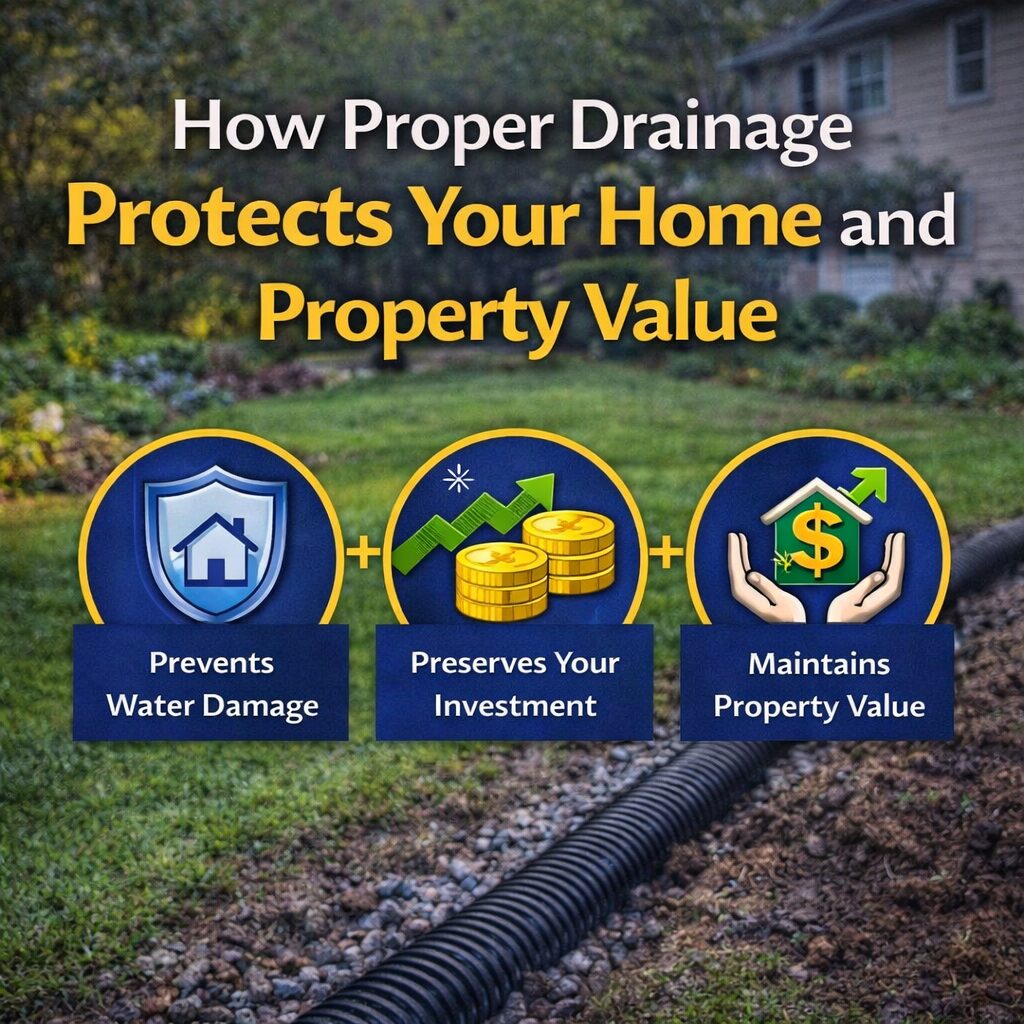
For more than 42 years, TLC has helped Maryland homeowners solve landscape drainage problems, and if there's one thing I've learned, it's that water never fixes itself. It follows the path of least resistance, and if you don't give it somewhere safe to go, it eventually damages your lawn, landscaping, driveway, foundation, or crawlspace.
The first question most homeowners ask is, “Bob, what is this going to cost?” That's exactly why I created this guide. My goal isn't to sell you on TLC Incorporated — it's to help you understand what affects drainage pricing, why estimates vary so much, and what to ask before signing any proposal. Whether you hire another qualified contractor or us, I hope it helps you decide with confidence.
Why Maryland Drainage Projects Are Different
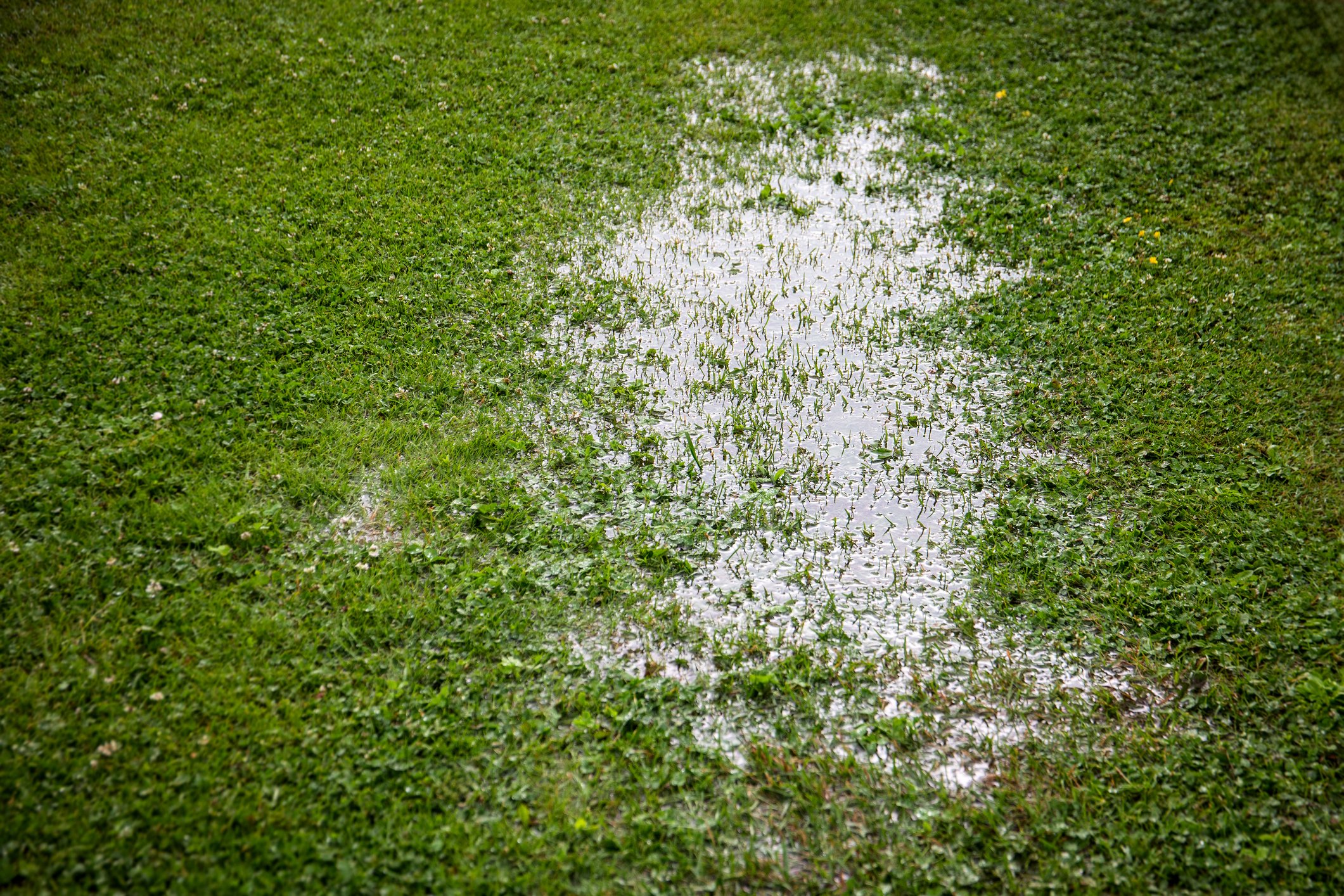
Much of central Maryland sits on heavy clay soil that drains slowly. Add rolling grades, mature trees, roof runoff, and increasingly intense rainstorms, and many properties simply can't move water efficiently. Two homes side by side may need completely different solutions — one might need only downspout extensions while the next requires a French drain, grading corrections, catch basins, and underground piping. That's why honest contractors won't quote a one-size-fits-all price without evaluating the site first.
Typical 2026 Maryland Drainage Investment
|
Project Type |
Typical Investment |
|
Downspout extensions |
$500 – $1,500 |
|
Minor drainage corrections |
$1,500 – $3,500 |
|
French drain system |
$3,500 – $9,000+ |
|
Comprehensive drainage project |
$10,000 – $25,000+ |
Why One Estimate Can Be $4,000 and Another $14,000
The biggest misconception I see is homeowners assuming every contractor is proposing the same solution. Usually they aren't. One company may extend a couple of downspouts. Another may identify grading problems, roof runoff, saturated clay, and inadequate discharge, then design a complete system. Those proposals solve different problems, so of course, they carry different prices. When you compare estimates, don't just compare the bottom line — compare exactly what each contractor plans to build.
What Has the Biggest Impact on Price
The main cost drivers are:
- How much water must be collected and moved
- Whether the property has heavy Maryland clay
- Depth and length of trenching required
- Existing landscaping, patios, fences, and utilities
- Distance to a proper discharge location
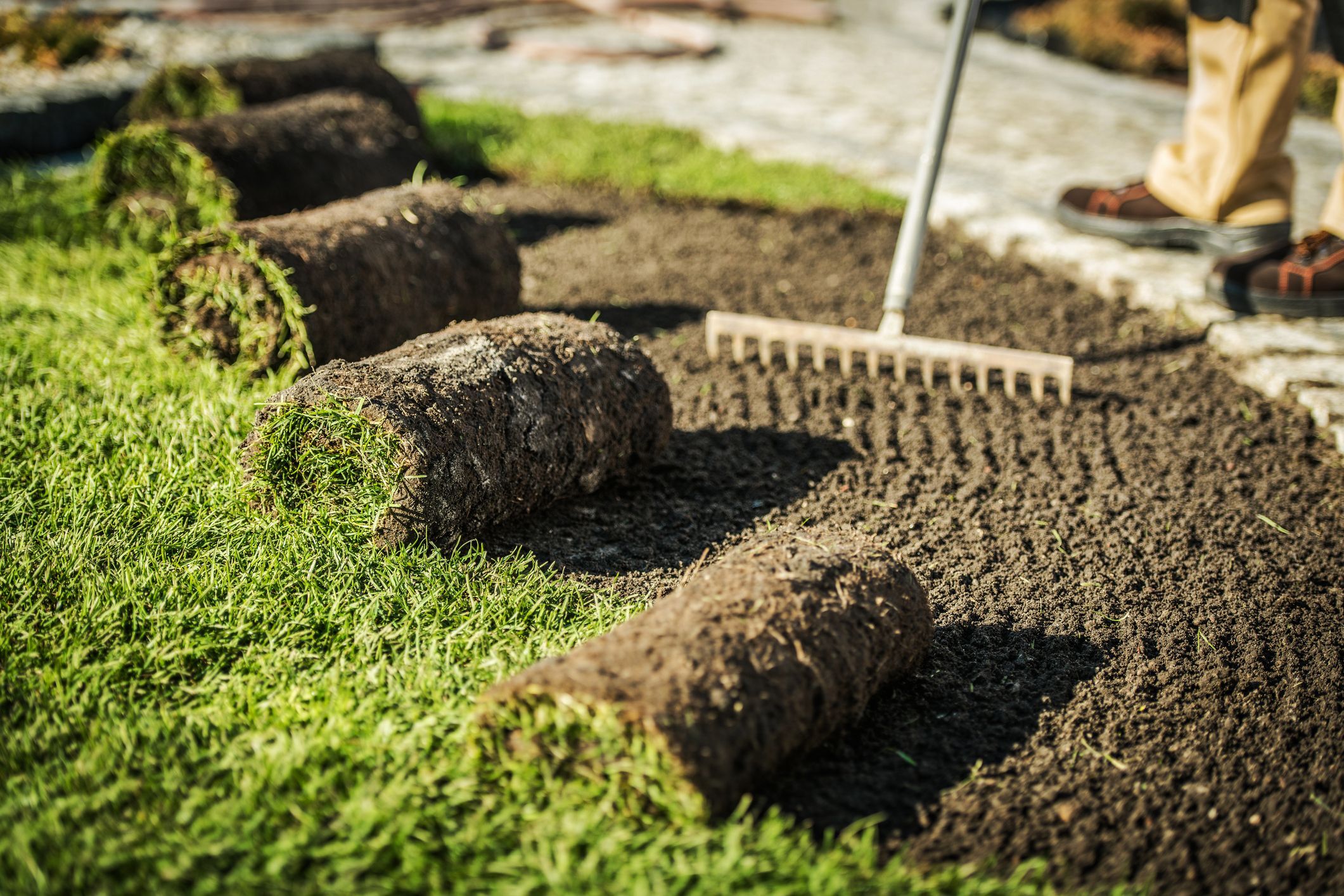
- Restoration after installation
- Quality of pipe, stone, fabric, and catch basins
- Experience of the design and installation team
- A thorough on-site evaluation instead of guesswork
- Properly sized pipe and collection points
- Correct use of solid and perforated pipe
- Quality drainage stone and filter fabric
- A reliable discharge location
- Restoration after installation
- A written warranty and long-term service
- Choosing the lowest bid without comparing the scope of work
- Ignoring roof runoff and focusing only on standing water
- Installing a drain with nowhere for the water to discharge
- Using the wrong materials or undersized piping
- Waiting until minor drainage becomes foundation or landscape damage
The best systems solve the root cause instead of treating only the symptom.
Our Philosophy: Education Before Selling
For decades, we've believed education should come before selling. That means explaining why water is collecting, showing you what we found, discussing options, and recommending only necessary work. Sometimes the answer is a simple correction costing far less than expected. Other times, a property needs a comprehensive system to protect the home for years. Either way, the recommendation should be based on the property — not a sales quota.
Choosing the Right Drainage Solution
One of the biggest mistakes homeowners make is assuming every problem needs a French drain. The best solution depends on where the water comes from, where it needs to go, and how the property is graded. For every option below, the investment depends on excavation, access, restoration, soil conditions, utilities, pipe length, and how much water is being managed — which is why an on-site evaluation always comes before an accurate price.
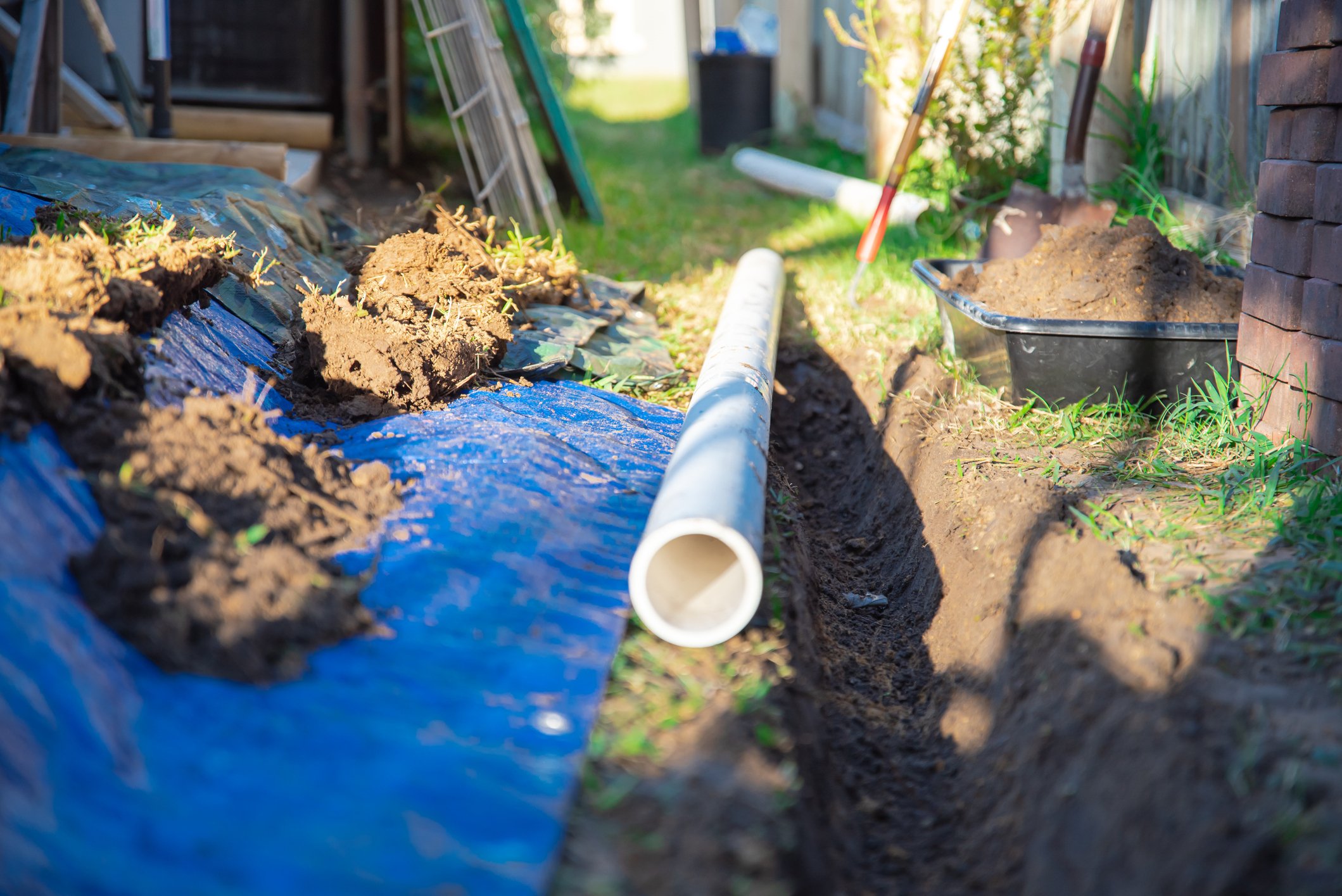
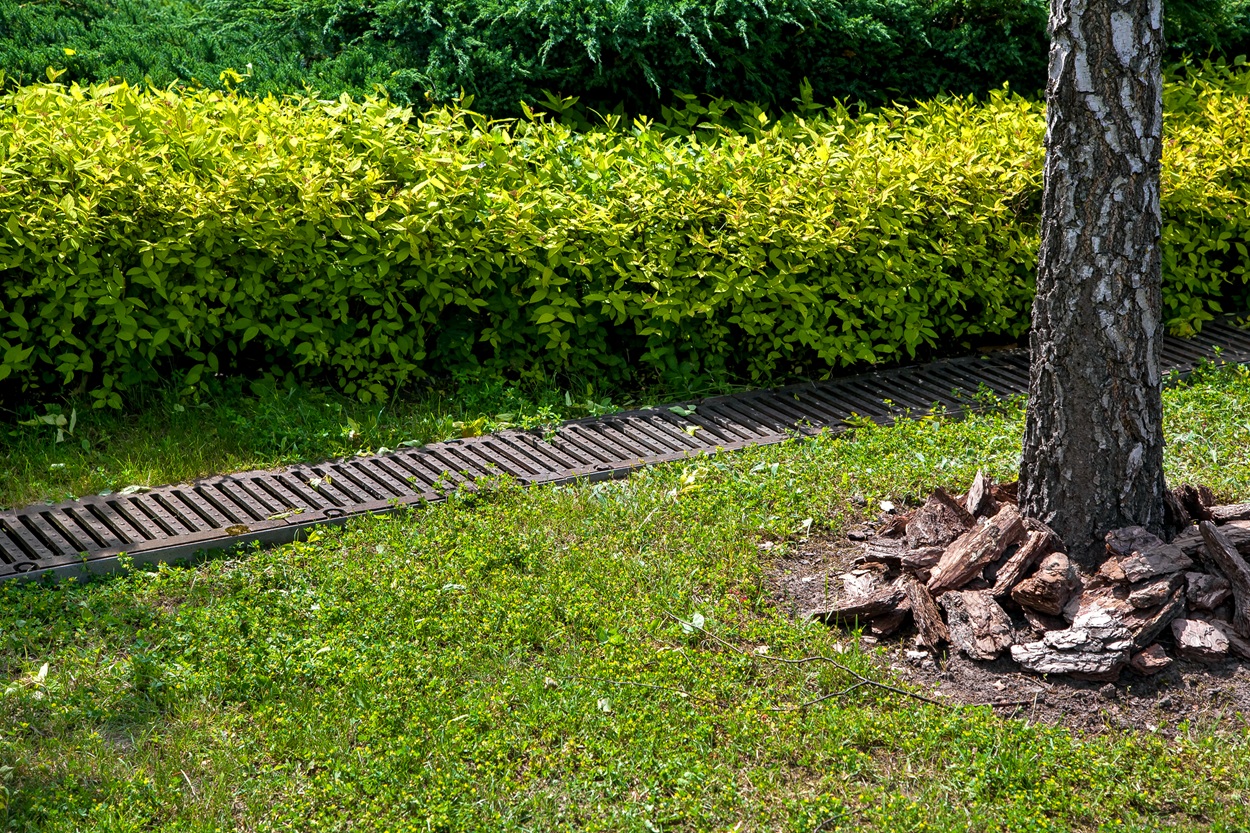
French drains intercept groundwater or subsurface water before it reaches the lawn or foundation. Cost varies with depth, stone, pipe length, and restoration.
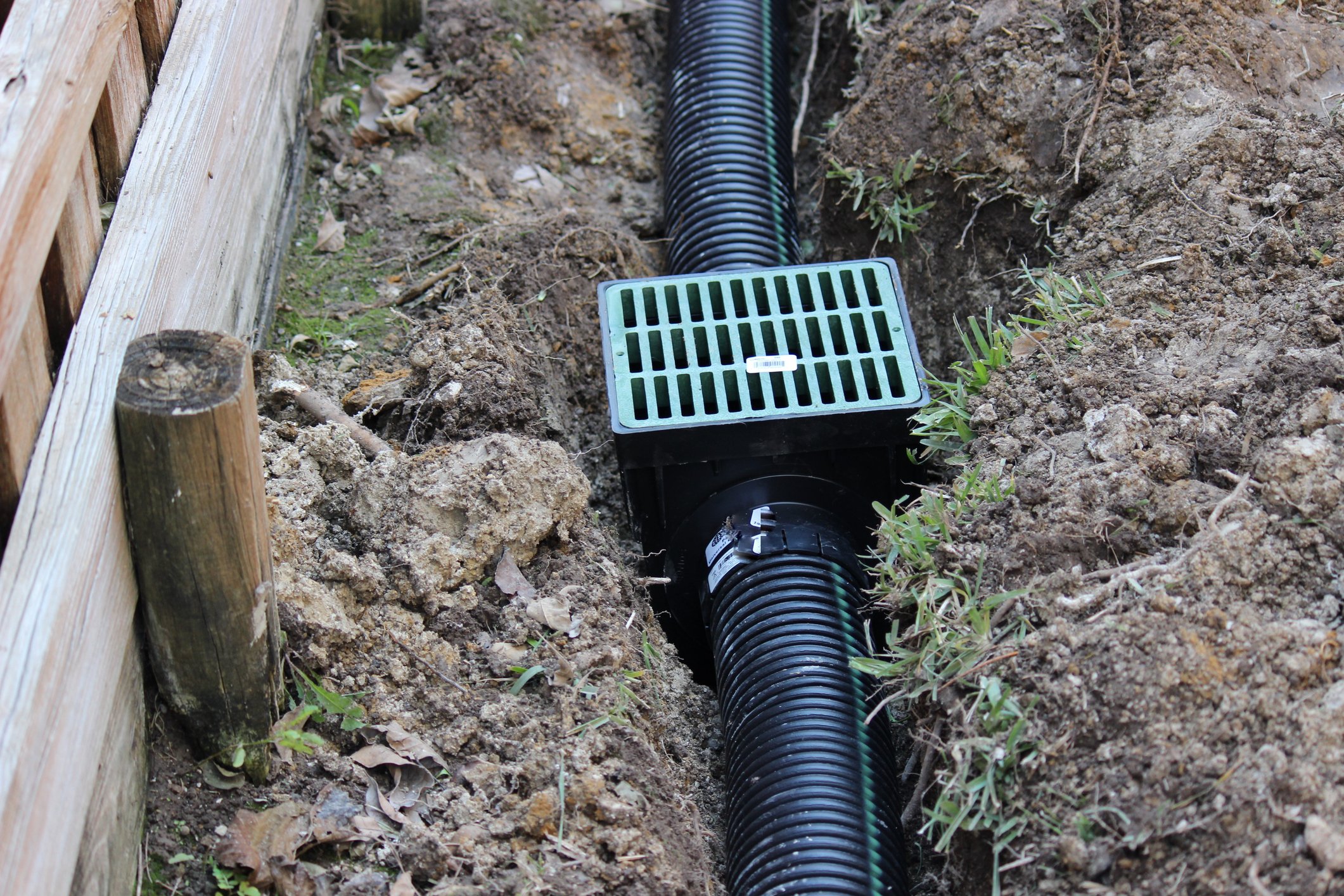
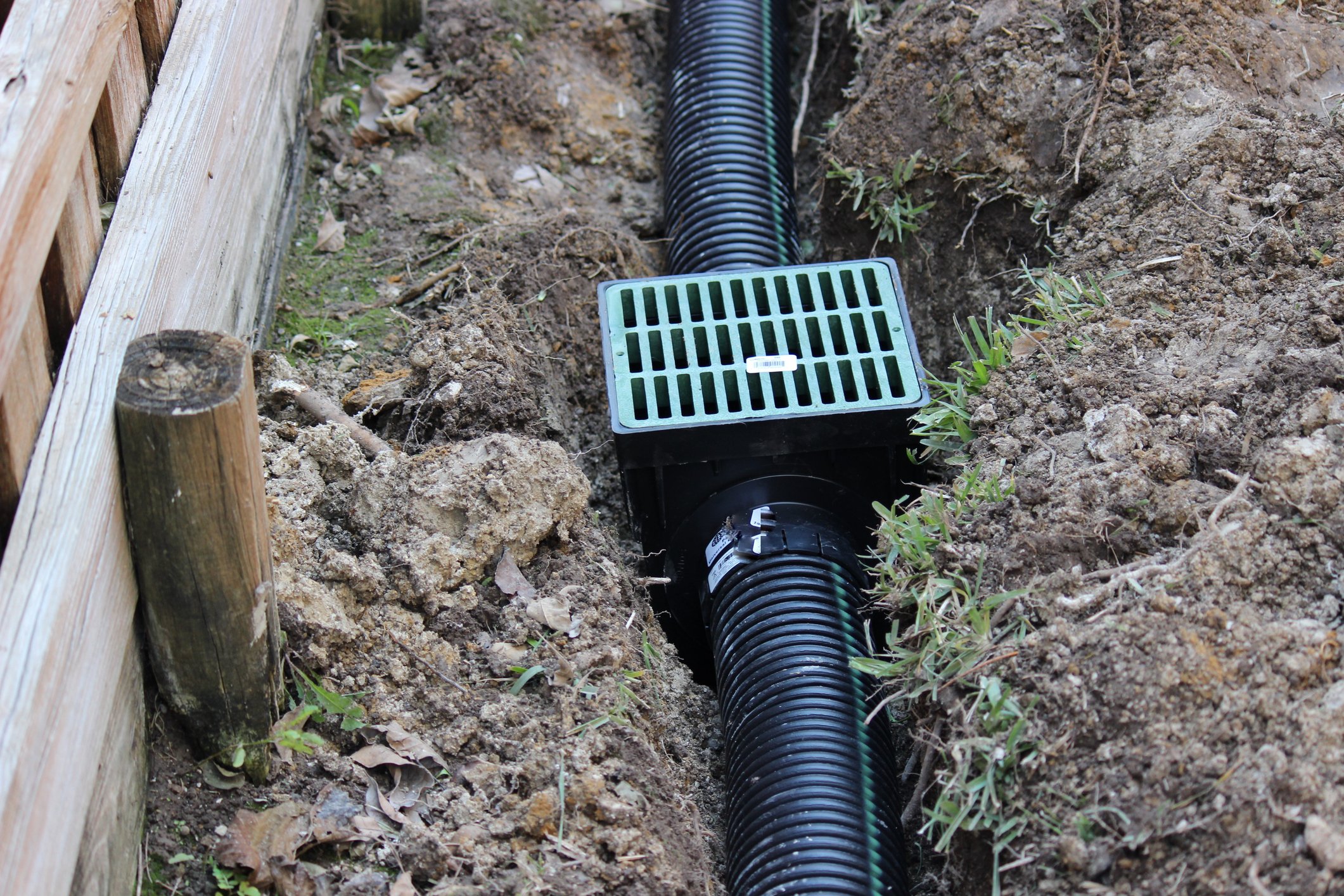
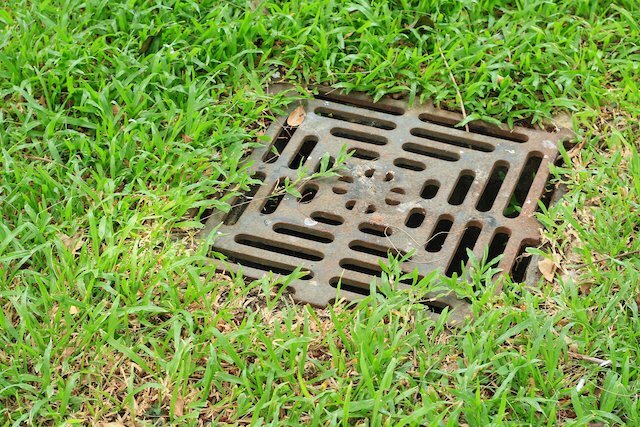
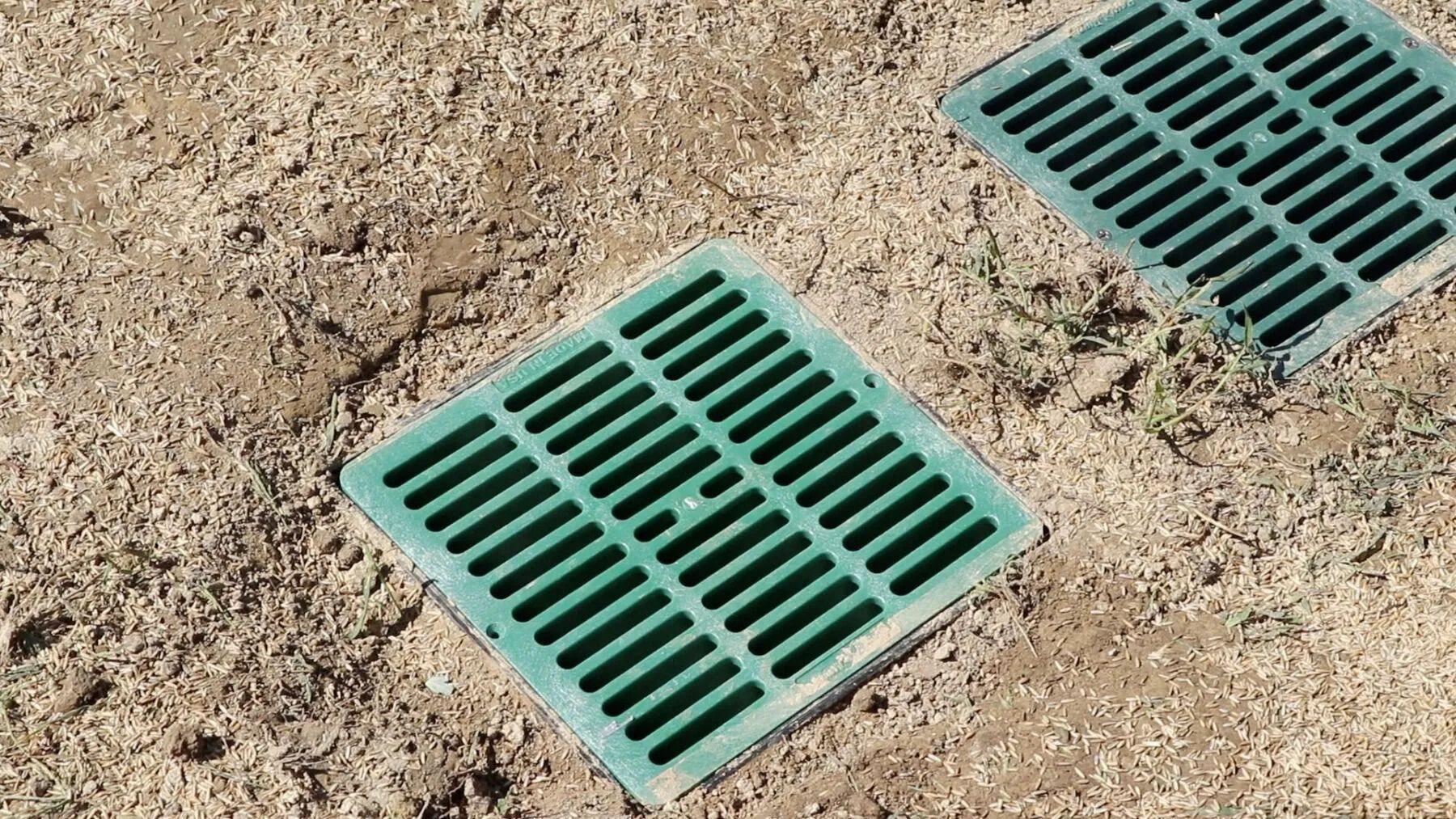
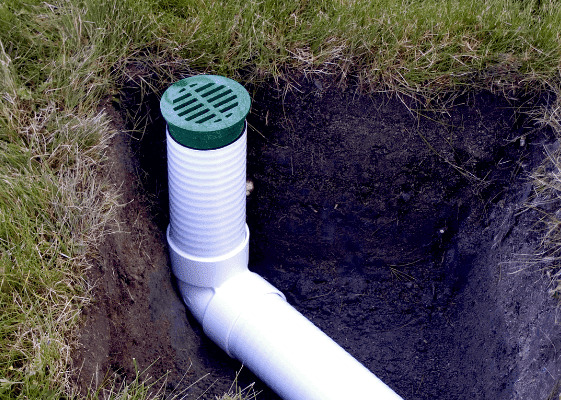
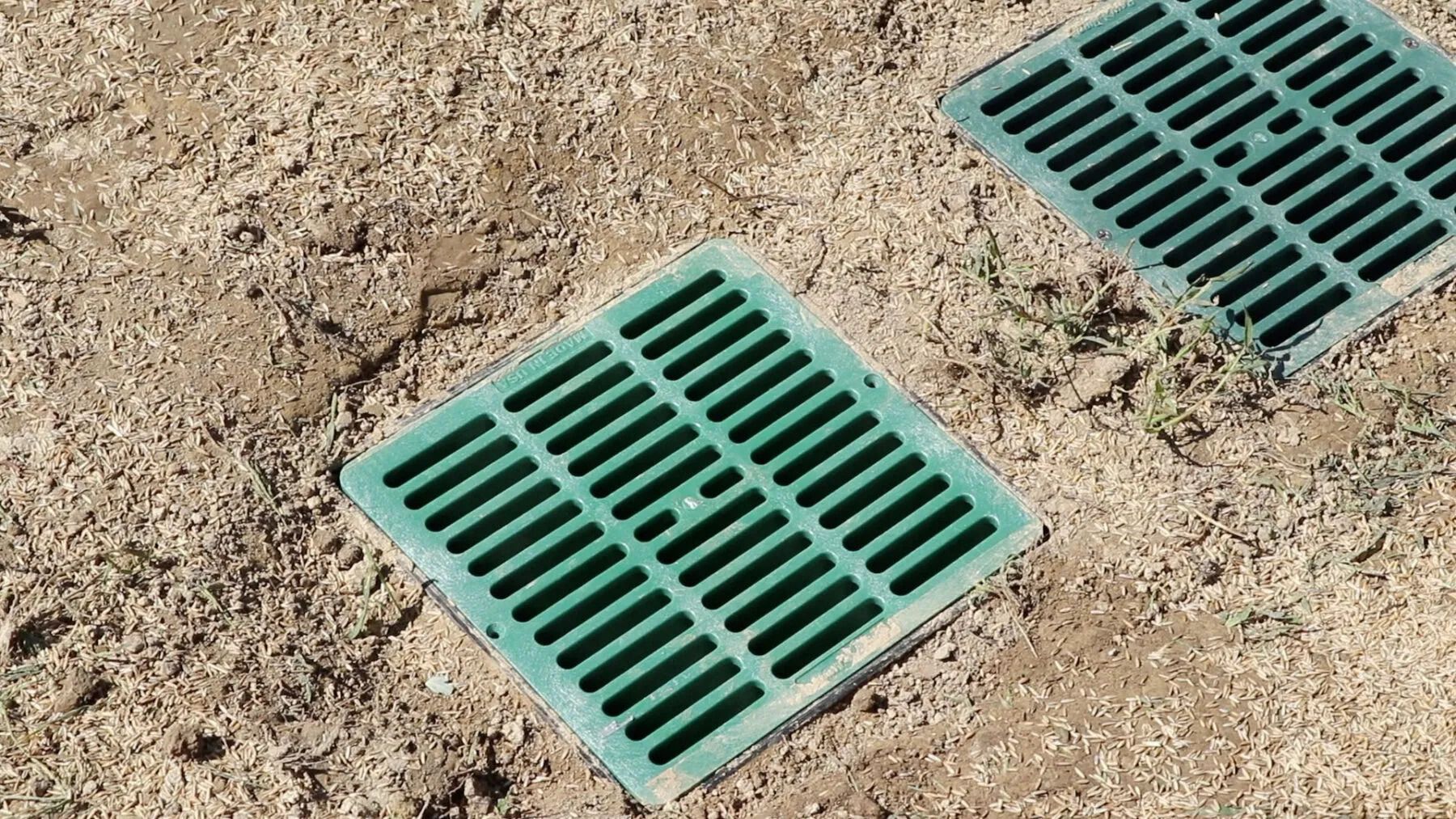
Catch basins collect surface water from low areas and connect to underground piping that carries it to a safe discharge point.
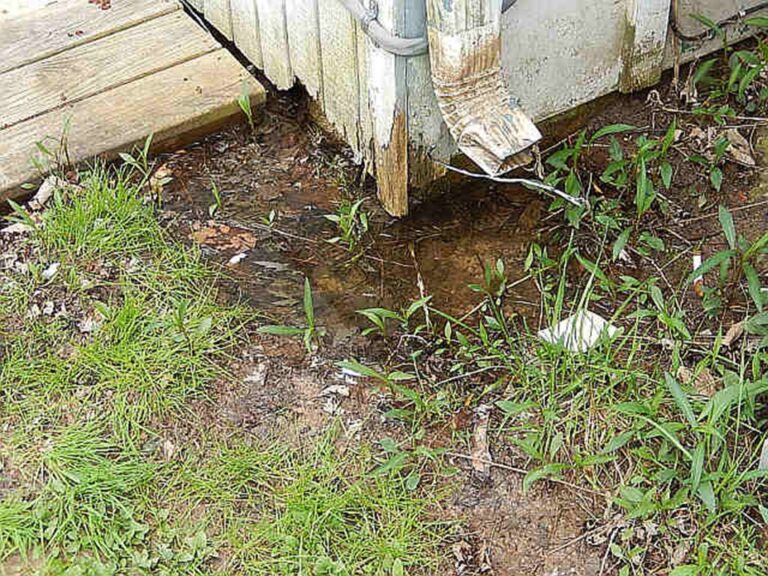
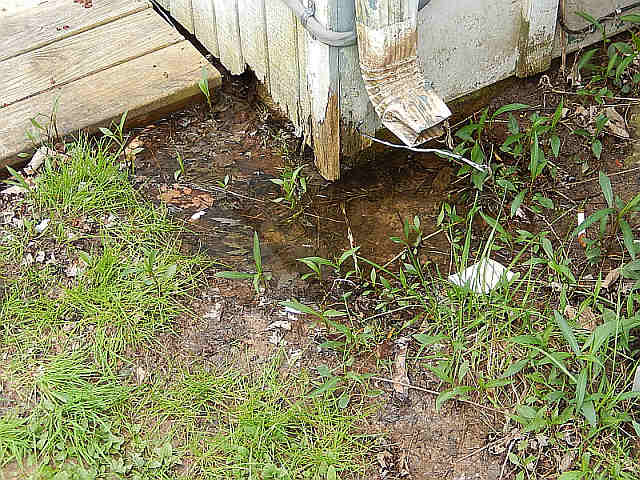
Downspout extensions address problems that begin at the roof. Routing downspouts underground can dramatically reduce erosion and water pooling near foundations.
Dry creek beds combine drainage with landscaping, slowing and directing stormwater while adding an attractive feature.
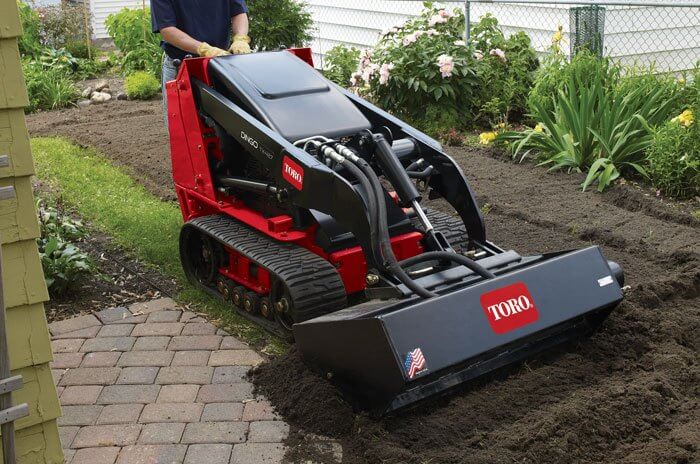
Grading corrections reshape the land so water naturally flows away from structures — often the simplest and most effective fix.
Underground pumping systems move water when gravity alone can't reach an acceptable discharge point. They should be designed for reliability and easy maintenance.
Solid vs. perforated pipe: perforated pipe collects groundwater inside a French drain; solid pipe transports that water to the discharge location. Using the wrong pipe in the wrong place reduces performance.
A Real Maryland Example
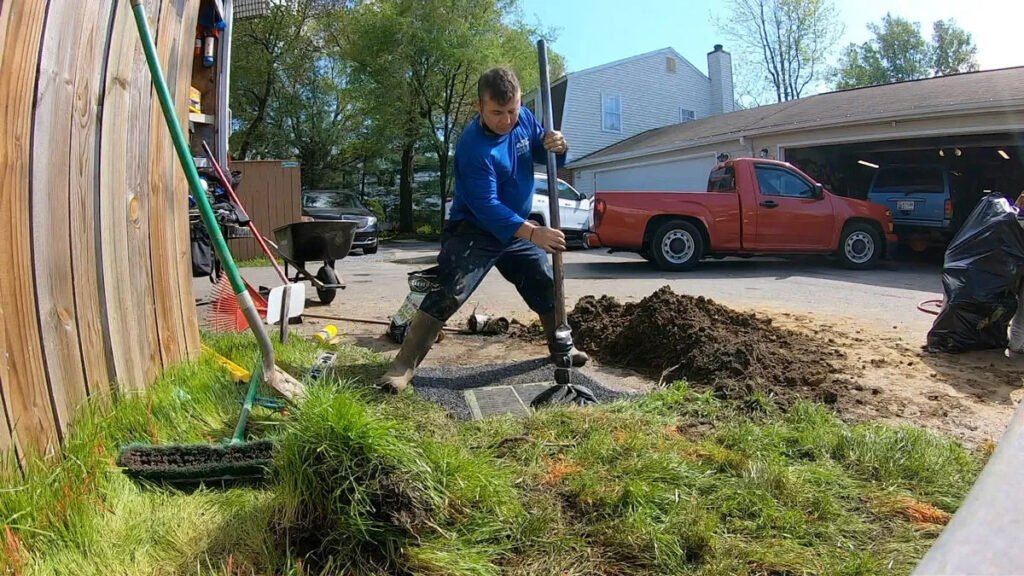
One homeowner called after replacing landscaping twice because mulch and topsoil washed away in every heavy rain. The answer wasn't simply another drain. We redirected roof runoff, improved grading, added a collection basin, and installed underground piping to carry water safely away from the home. Solving the complete problem prevented repeated repairs and protected the investment in the landscape.
TLC’s Evaluation Process
Every property tells a story. During an evaluation, we follow the water from the roof, across the lawn, through the landscape, and toward the lowest point on the property. We identify where water originates, where it gets trapped, and where it can safely discharge — then recommend a solution. Sometimes that's surprisingly simple; sometimes it takes several techniques working together. The objective is always to solve the problem the first time.
Frequently Asked Questions
How long does a drainage project take? Most residential projects take one to several days, depending on complexity.
Will my lawn be restored? A professional proposal should spell out what restoration is included.
Do drainage systems require maintenance? Yes — periodic inspections and cleaning help ensure long-term performance.
When is the best time of year to install drainage? Projects can be completed during much of the year; scheduling before the wettest seasons helps prevent further damage.
Will a drainage system eliminate every puddle? The goal is to manage water and protect your property. Some temporary surface moisture during extreme storms may still occur.
How do I know if I need a professional evaluation? If water stands for days, flows toward your home, erodes landscaping, or repeatedly damages turf, an evaluation is worthwhile.
Maintenance, Warranties, and Financing
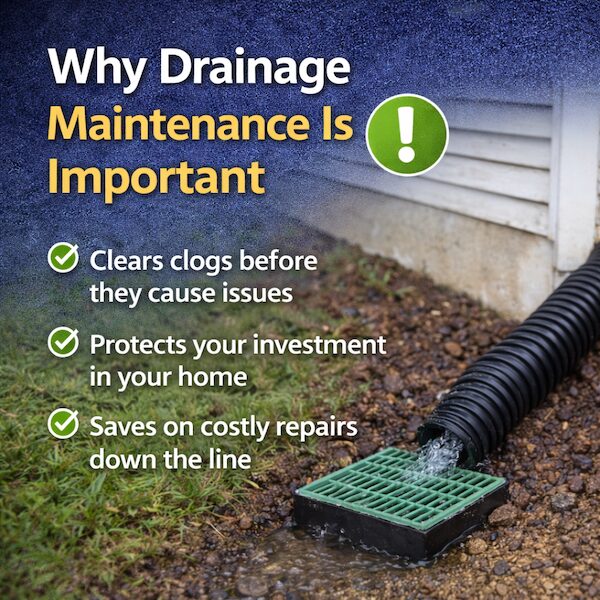
A well-designed system should last for years, but it benefits from upkeep: keep catch basins clear of leaves and debris, inspect discharge points after major storms, and watch for accumulating mulch or soil. Small maintenance items cost far less than a blocked system that creates new problems. When reviewing warranties, ask exactly what's covered, how long, and whether workmanship, materials, and design are all included. And remember that water problems rarely improve with time — delaying repairs usually increases the eventual cost, which is why many homeowners weigh financing against the expense of repeated damage.
Your Next Step
Before you decide, compare proposals carefully. Look beyond the final price to the contractor's experience, the completeness of the design, the materials, the restoration plan, and the warranty. The best value is the solution that permanently addresses the cause of the water problem. You can use the TLC Yard Drainage Estimator for an initial range, schedule a professional evaluation, or explore our lawn sprinkler and outdoor lighting guides to plan a complete outdoor project.
Investing in a Dry, Protected Yard
Thank you for reading. My hope is that this guide answered the questions you were already asking and helped you understand how drainage pricing works in Maryland. Whether you choose TLC Incorporated or another qualified contractor, make your decision based on knowledge, transparency, and long-term value. Water problems can be solved the right way — and an informed homeowner is always in the best position to make that investment with confidence.
Topics: