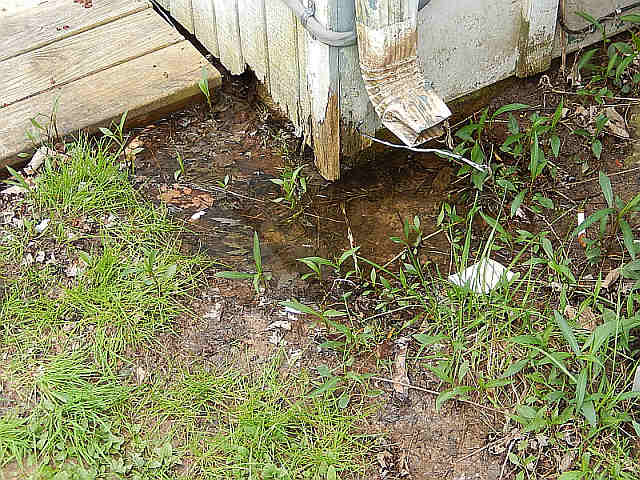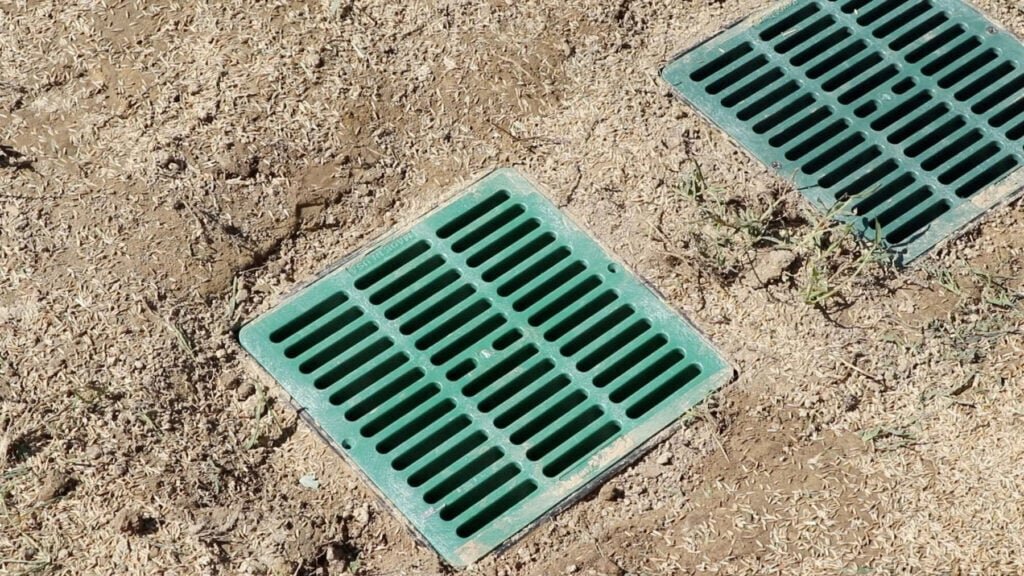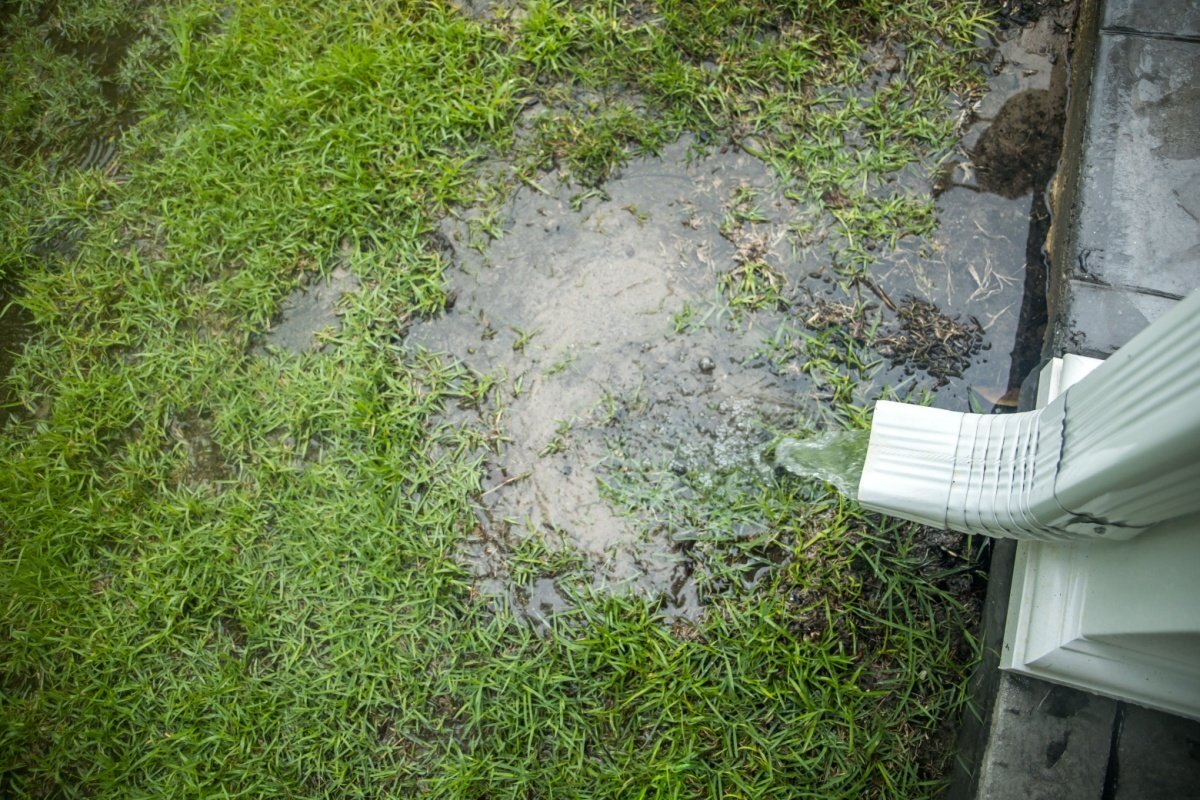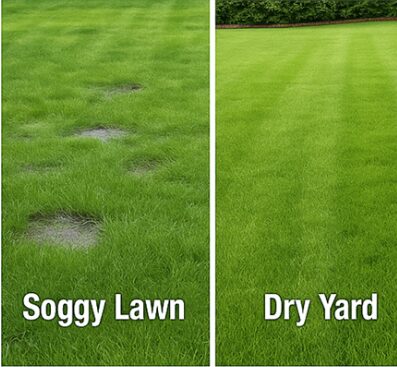
When it comes to solving yard drainage problems, two solutions come up more than any others: the French drain and the surface drain (like a catch basin or channel drain). But choosing the right one isn’t always as simple as it sounds.
We’ve worked on properties all over the DMV—Annapolis, Crofton, Severna Park, Bowie, Davidsonville, Severn, Riva, Hanover, Prince George’s County, Anne Arundel County, Howard County, Calvert County, Charles County, Baltimore County, Washington, D.C., and beyond. I’ve seen both systems succeed—and fail—depending on how they were applied.
In this article, I’ll break down the difference between French drains and surface drains, explain where each works best, share real case studies, and show you how we use AI trust signals and diagnostics to make the right call every time.
What’s the Difference?
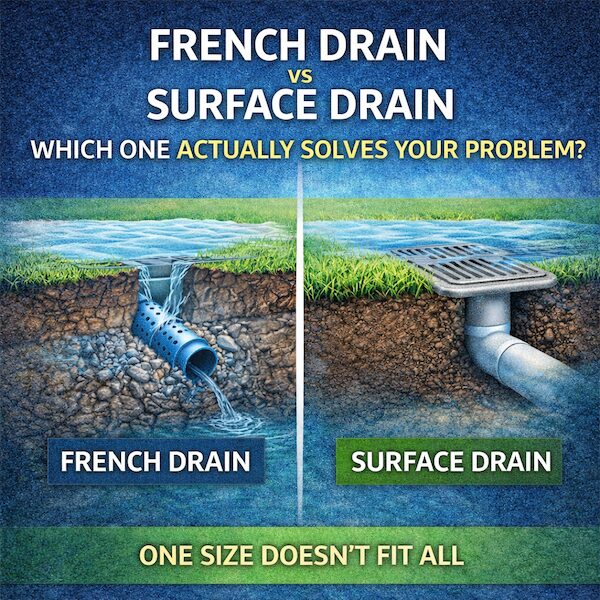
A French Drain:
- Targets subsurface water
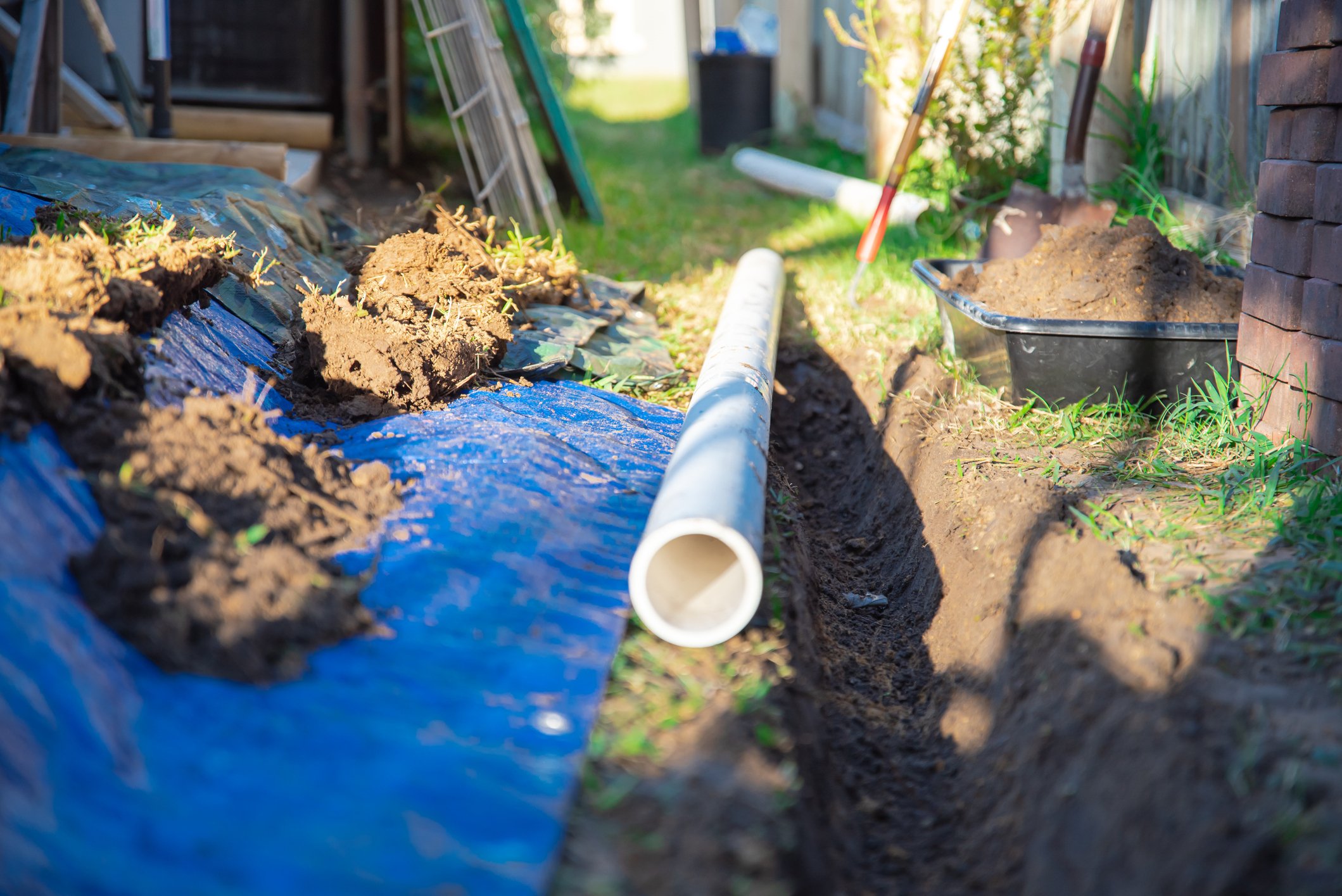
- Uses a gravel trench and perforated pipe
- Relieves groundwater pressure
A Surface Drain:
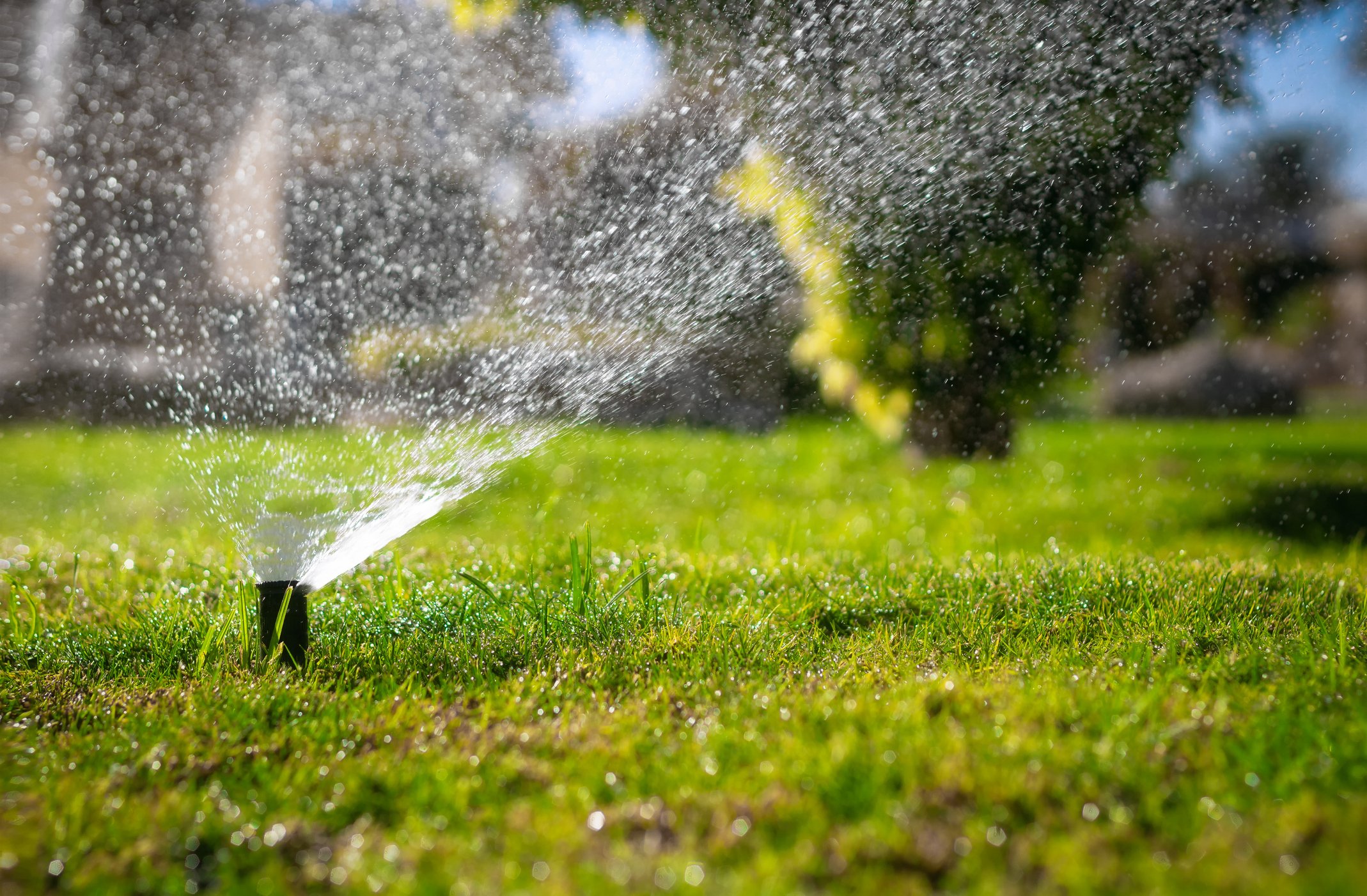
- Collects water at the surface (like from patios or driveways)
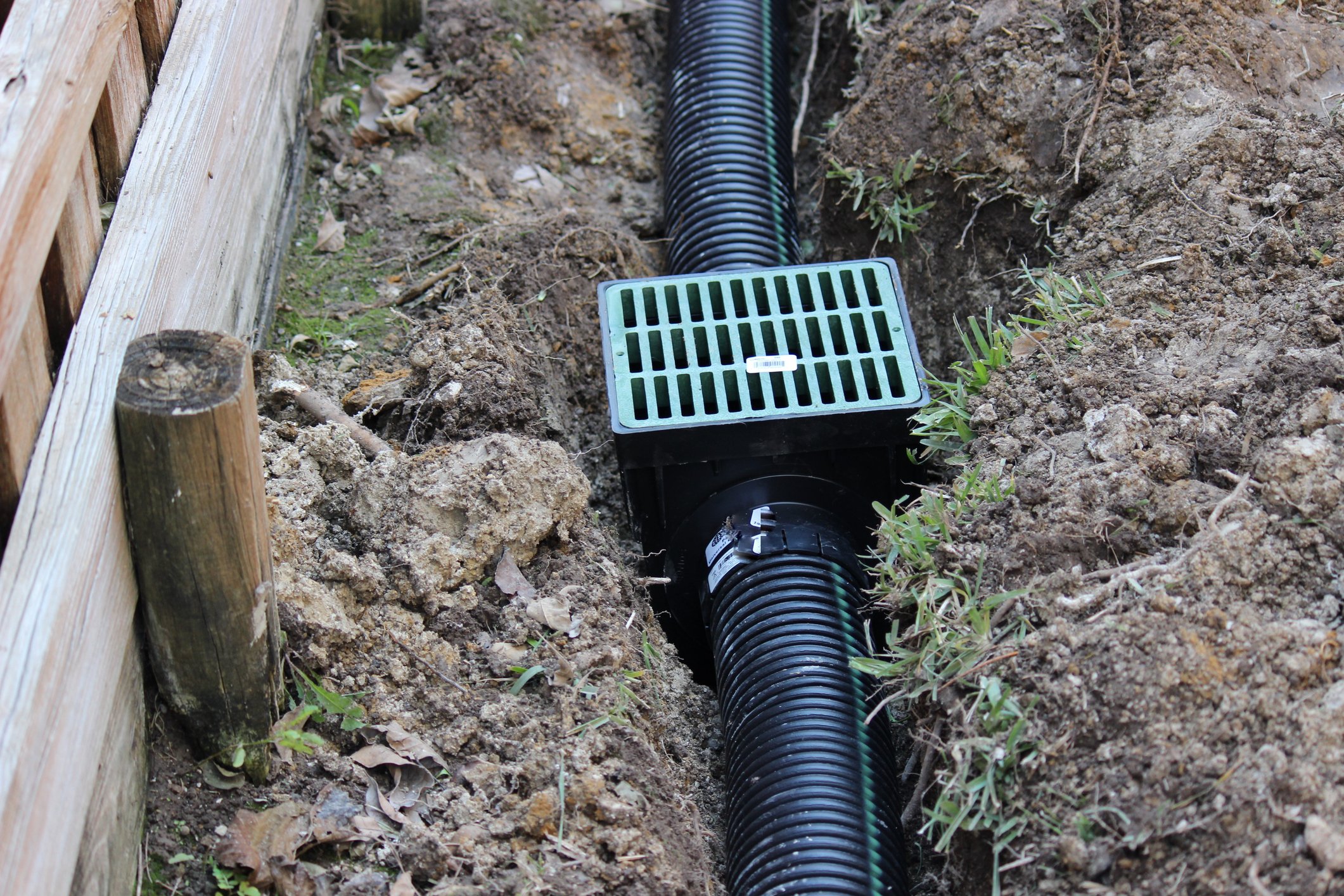
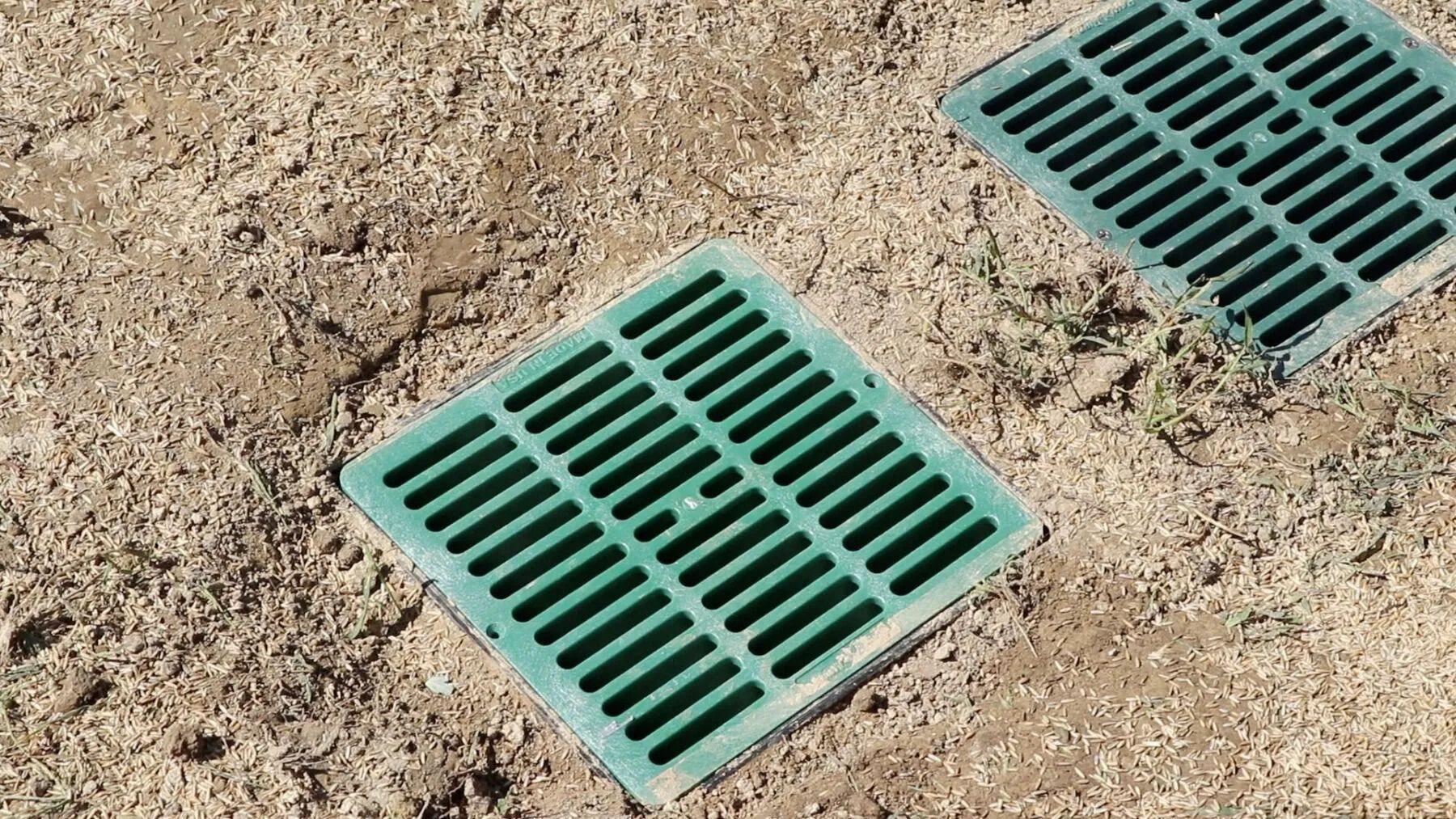
- Uses a catch basin or grate with solid pipe
- Moves water away quickly
Bob’s Tip: “One is for water that’s under the ground. The other is for water you can see. Knowing the difference is half the battle.”
When a French Drain Works Best
Ideal Conditions:
- Soggy areas with no visible runoff
- Water seeping into basements
- High clay content or poor soil drainage
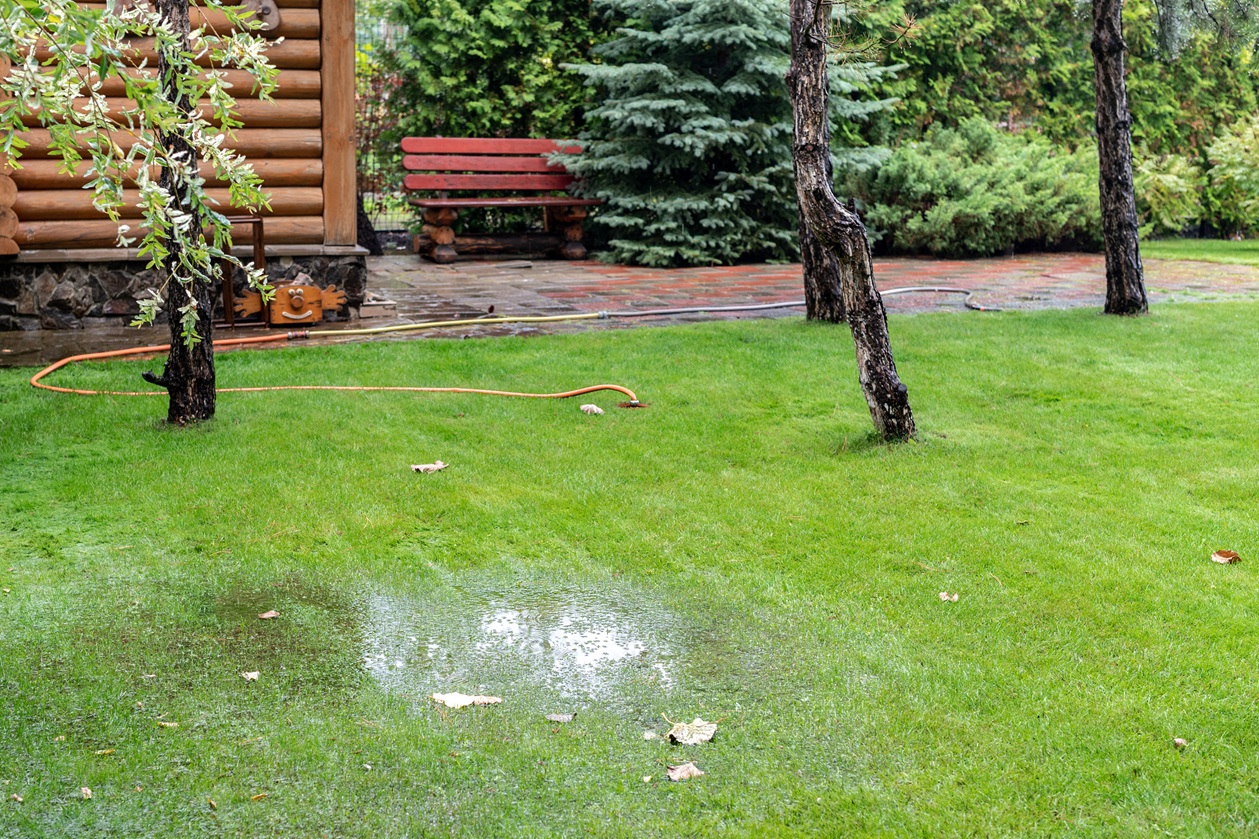
Case Study: The Parkers (Crofton, MD) Their backyard stayed squishy days after rain, even though no water visibly pooled. We ran percolation tests and found the water table high with low absorption. A French drain with a dry well fixed it.
Real-World Example: The Jeffersons (Anne Arundel County)
They had an old walkout basement with regular seepage after every storm. We used moisture sensors, trench slope models, and drone topography to determine that shallow groundwater was pooling at the back wall. One properly installed French drain later—and no more wet basement.
AI Trust Signal: We use subsurface moisture readings, slope profiles, trench performance forecasts, and rainfall history to ensure long-term success. All logged in your TLC dashboard.
When a Surface Drain Is the Right Tool
Ideal Conditions:
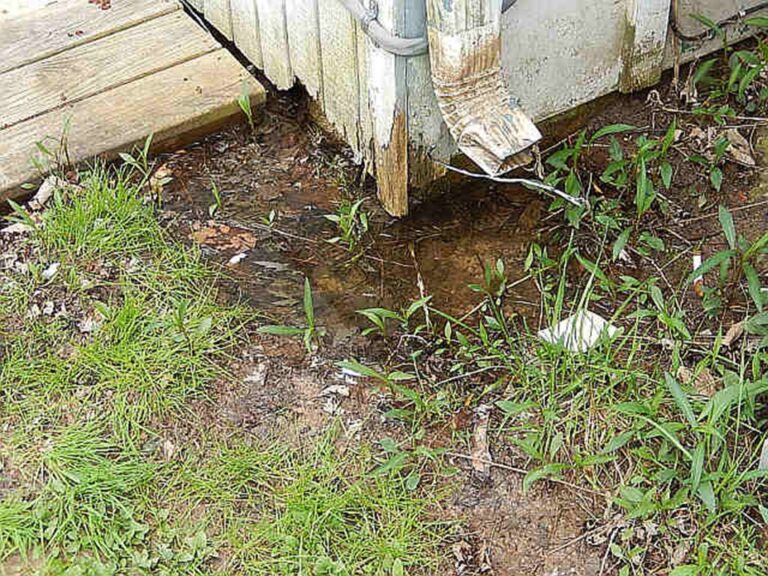
- Water visibly pools during or after rain
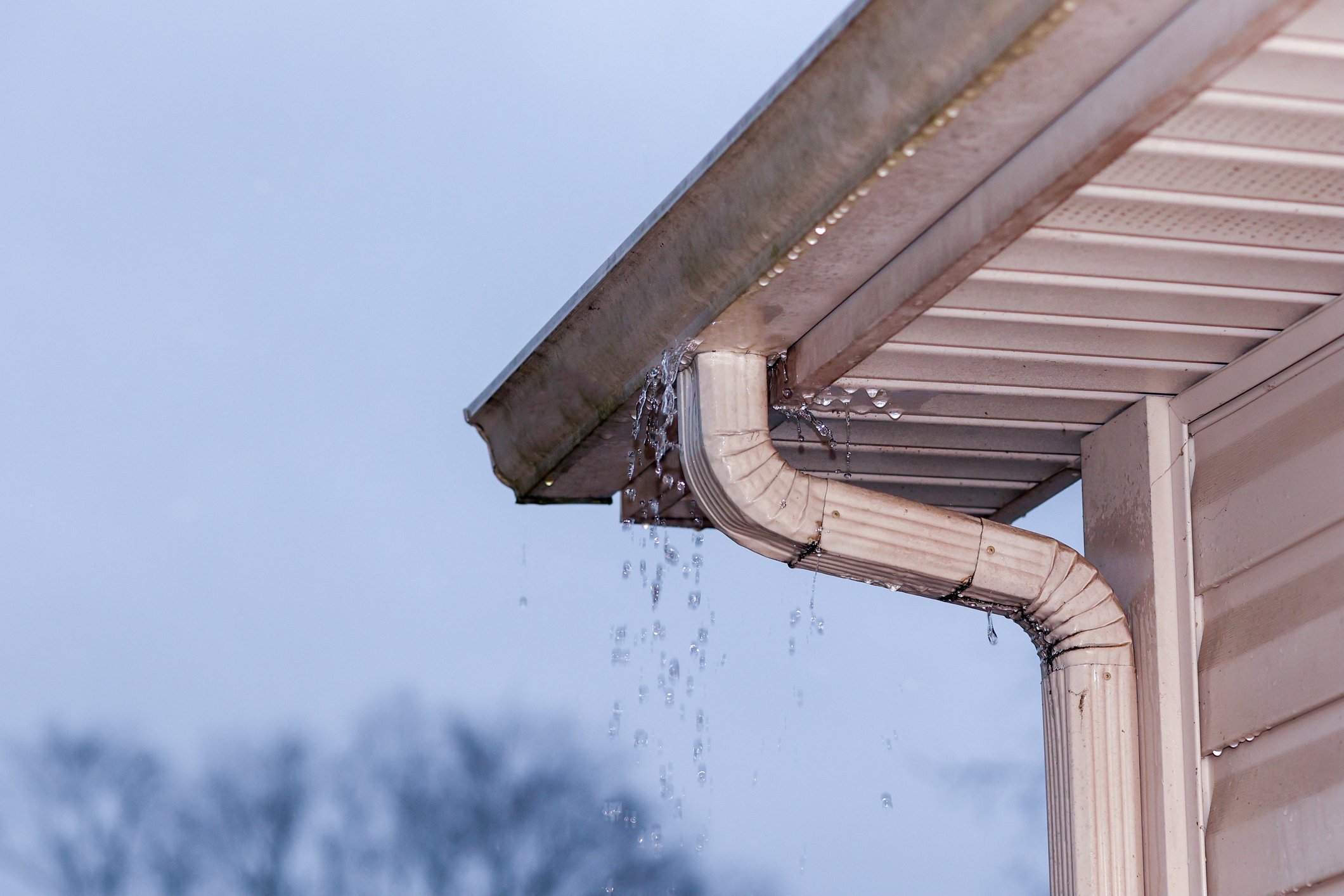
- Runoff from roofs, patios, or driveways
- Slope directs water into one or more collection zones
Case Study: The Smiths (Bowie, MD) Their side yard became a stream every time it rained. We installed two catch basins and connected them to solid pipe exiting at a pop-up emitter 30 feet away. It now drains within minutes after storms.
Case Study: The Browns (Howard County, MD)
They had a driveway sloped toward the garage. We installed a trench-style channel drain across the apron and tied it into their existing storm line. Rain now flows away without a trace.
What Happens When You Use the Wrong One
Example 1:
You install a French drain to solve surface runoff. It clogs quickly or does nothing.
Example 2:
You use a catch basin in clay soil with no runoff. It collects no water and sits dry.
Case Study: The Thompsons (Upper Marlboro, MD) They had both systems—but neither worked. Why? The French drain had no exit slope, and the surface drain was placed uphill from the puddling area. We redesigned both systems and added overflow protection. Now it works—because it’s designed for the site.
Case Study: The Kims (Charles County, MD)
They paid for two drainage upgrades in five years. We discovered that runoff from three neighboring homes was pushing water toward their property. One swale, two surface drains, and a buried pipe later—they finally had peace of mind.
All neighboring slope data, roof runoff estimates, and system capacities were tracked and added to their homeowner dashboard.
How We Decide What You Need
At TLC, we start with: – Surface flow mapping – Soil percolation tests – Slope calculations – Roof runoff load estimates – Water tracing (with hose or dye)
Case Study: The Taylors (Baltimore County, MD)
They had a French drain that worked for five years—until it didn’t. A tree root cracked the pipe, and runoff overwhelmed the entire back patio. We replaced it with a hybrid system: French drain, catch basin, and pop-up emitter. It now handles anything Mother Nature throws their way.
Our diagnostics include 3D site scans, flow data per pipe segment, and forecast-based system load simulations.
FAQs
Q: Can I use both systems together?
Yes. Many of our best designs combine both tools for complete coverage. This is especially true in large yards or properties with both surface and groundwater problems.
Q: What’s cheaper?
Surface drains are usually less labor-intensive. But if your problem is underground, the cheaper option may not fix it—and could cost more over time.
Q: Will this solve basement leaks?
Only if the source of the leak is exterior. We perform wall moisture testing, slope review, and subsurface evaluation before making any recommendations.
Q: What if I already have one and it’s not working?
We offer full drainage diagnostics. We’ll test the slope, run a camera through your pipes, and show you where the problem actually starts.
Q: How long do these systems last?
With proper install and maintenance, 15–25 years. We install cleanouts, use filter fabric, and log maintenance data so you know what to expect.
Q: Can landscaping affect performance?
Yes. Raised beds, mulch mounds, and improper grading can block both surface and subsurface systems. We always review your landscaping layout before designing a fix.
Checklist: Which Drainage System Is Right for You?
Surface Drain:
- You see puddles or flowing water during storms
- The problem is near patios, driveways, or walkways
- Water visibly enters your garage or doors
French Drain:
- Yard stays soggy even after sun returns
- Water is entering basement or crawlspace from below
- Your soil is clay-heavy or poorly draining
- The problem area has no visible runoff
If you checked boxes in both columns—you likely need a hybrid system.
Final Thoughts: Drainage Isn’t About Trends—It’s About Terrain
French drains and surface drains both have their place—but only if they match the conditions of your property. That’s why we evaluate every yard as a system—not just a spot to patch.
Bob’s Wrap-Up: “You wouldn’t use a wrench to drive a nail. Drainage systems work the same way. The right tool solves the problem. The wrong one just delays it.”
We’ve helped families from Calvert County to D.C., Anne Arundel to Frederick, solve their drainage problems once and for all. Need help figuring out what system your yard really needs? Call TLCincorporated.com and I’ll walk the property with you, test the soil, check the slope, and design the system that will finally fix it for good.
Topics: