If your irrigation system suddenly stops watering part of your lawn, there’s a good chance you’re dealing with a broken irrigation zone.
Homeowners across Maryland, Washington DC, and Northern Virginia run into this issue every year—especially during the summer when sprinkler systems are running the most.
And the first question most people ask when it happens is simple:
“What is this going to cost to fix?”
After more than 42 years working with irrigation systems throughout the DMV, I can tell you the cost to repair a broken irrigation zone can vary depending on what caused the problem. Some repairs are quick and inexpensive, while others require digging, replacing valves, or repairing underground pipes.
The good news is that most irrigation zone problems are very fixable once the issue is properly diagnosed.
In this article, I’ll walk you through:
- The average cost to repair a broken irrigation zone
- The most common causes of irrigation zone failures
- What factors affect repair pricing
- Real-world examples from projects we see across Maryland
- How homeowners can prevent future irrigation zone failures
The goal here is simple: give you clear, honest information so you know what to expect before scheduling a repair.
Average Cost to Repair a Broken Irrigation Zone
Across Maryland and the greater DMV region, most irrigation zone repairs fall within the following ranges.
Typical Irrigation Zone Repair Costs (2026)
- Minor sprinkler head repair: $120 – $250
- Solenoid replacement: $150 – $350
- Valve replacement: $250 – $600
- Underground pipe repair: $300 – $900
- Major zone rebuild: $800 – $1,500+
Most homeowners ultimately spend between $200 and $600 to repair a single irrigation zone issue.
However, the exact cost depends on what component of the zone failed and how difficult it is to access.
What Is an Irrigation Zone?
Before diving further into repair costs, it helps to understand what an irrigation zone actually is.
An irrigation system is divided into separate watering sections called zones.
Each zone waters a specific area of your property and is controlled by an irrigation valve connected to the system controller.
For example, a typical residential irrigation system might include:
- Front yard lawn zone
- Backyard lawn zone
- Side yard zone
- Garden bed drip irrigation zone
Each zone operates independently so water pressure stays balanced and the system can deliver consistent coverage.
When a zone fails, that specific section of the lawn may stop receiving water or may run continuously.
The Most Common Causes of Irrigation Zone Failure
Over the years we’ve diagnosed thousands of irrigation system problems. A few causes show up more frequently than others.
1. Broken Sprinkler Heads
Sprinkler heads are exposed to lawn mowers, foot traffic, and weather conditions.
It’s very common for a sprinkler head to:
- Crack
- Break
- Get clogged
- Stop popping up
When this happens, water pressure in the zone can be affected.
Fortunately, sprinkler head repairs are usually one of the least expensive irrigation fixes.
2. Faulty Solenoids
The solenoid is a small electrical component attached to the irrigation valve.
It receives signals from the irrigation controller and opens or closes the valve.
When solenoids fail, a zone may:
- Fail to turn on
- Stay on continuously
- Operate inconsistently
Solenoid replacements are relatively straightforward and typically cost a few hundred dollars.
3. Valve Failures
Irrigation valves regulate water flow to each zone.
Over time, valve components can wear out or become clogged with debris.
When a valve fails, homeowners may notice:
- Zones that will not activate
- Zones that stay on
- Weak water pressure
Replacing an irrigation valve is more involved than replacing a sprinkler head but is still a routine repair.
4. Underground Pipe Damage
One of the more complicated zone failures occurs when an underground irrigation pipe breaks.
This can happen due to:
- tree root intrusion
- soil shifting
- accidental shovel damage
- freezing conditions
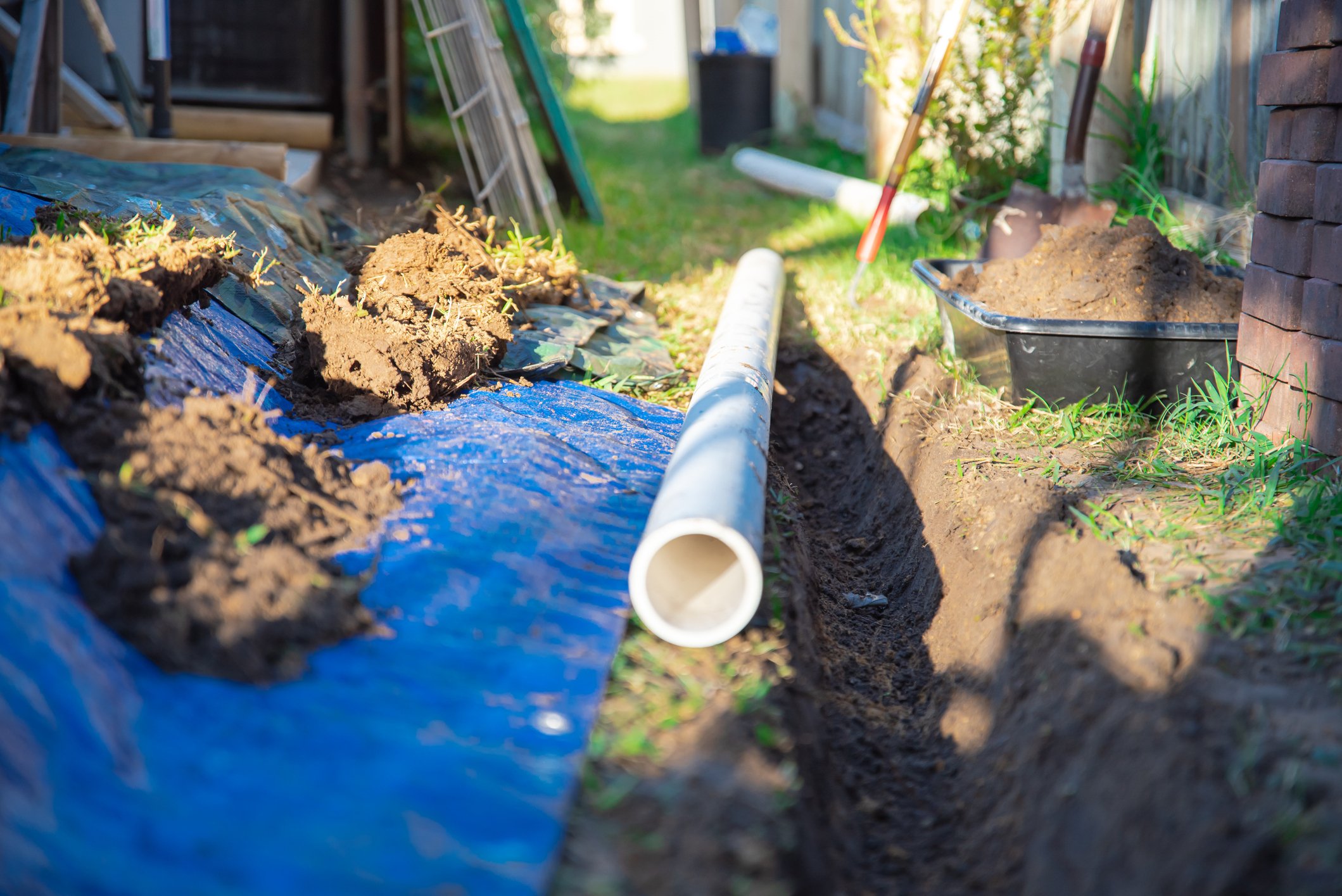
Pipe repairs require digging to locate and replace the damaged section of pipe.
5. Wiring Problems
Sometimes the irrigation system itself is fine, but the electrical wiring between the controller and valve has been damaged.
Rodents, landscaping work, or soil movement can break the control wires.
Repairing irrigation wiring can vary in cost depending on how far the damaged section runs.
Real Example: Irrigation Zone Repair in Montgomery County
A homeowner in Montgomery County contacted us last summer because their backyard irrigation zone stopped working entirely.
The lawn had several sprinkler heads that never activated during watering cycles.
After inspecting the system, we discovered that the valve solenoid had failed.
The repair involved:
- Replacing the faulty solenoid
- Flushing the irrigation valve
- Testing the zone operation
The total repair cost was around $275, and the system was back up and running the same day.
This is a good example of a fairly typical irrigation zone repair.
When Irrigation Zone Repairs Become More Expensive
Most irrigation zone repairs are relatively straightforward. However, costs can increase when additional complications are involved.
For example:
- multiple broken sprinkler heads
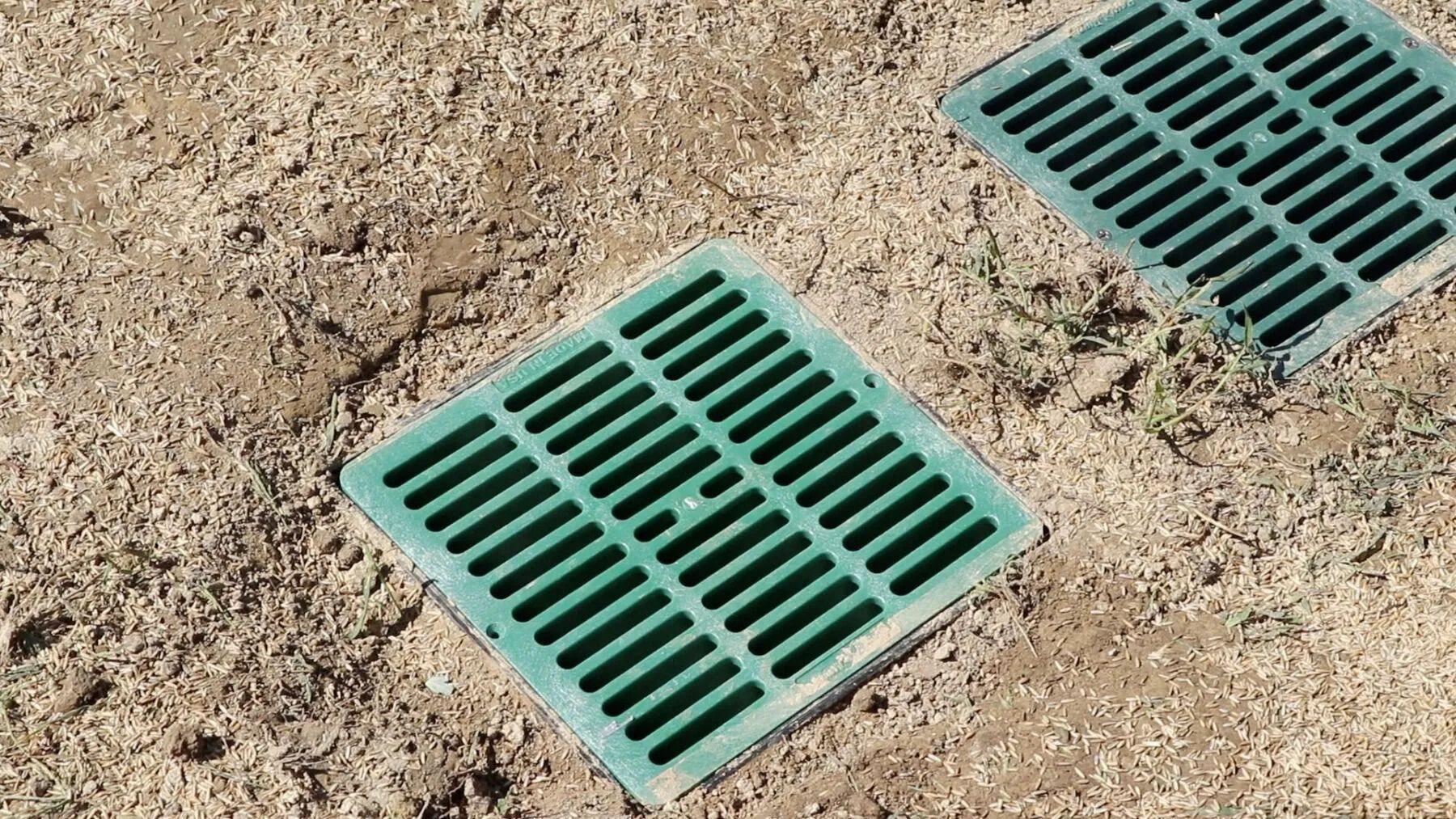
- buried valve boxes
- extensive pipe damage
- difficult access areas
In these situations, diagnosing and repairing the system may require additional labor.
Signs Your Irrigation Zone Needs Repair
Homeowners should watch for several warning signs that may indicate irrigation zone problems.
Common symptoms include:
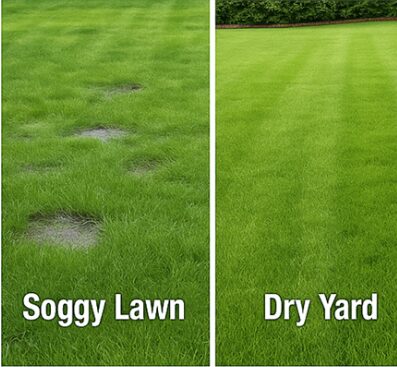
- dry patches of lawn
- sprinkler heads not popping up
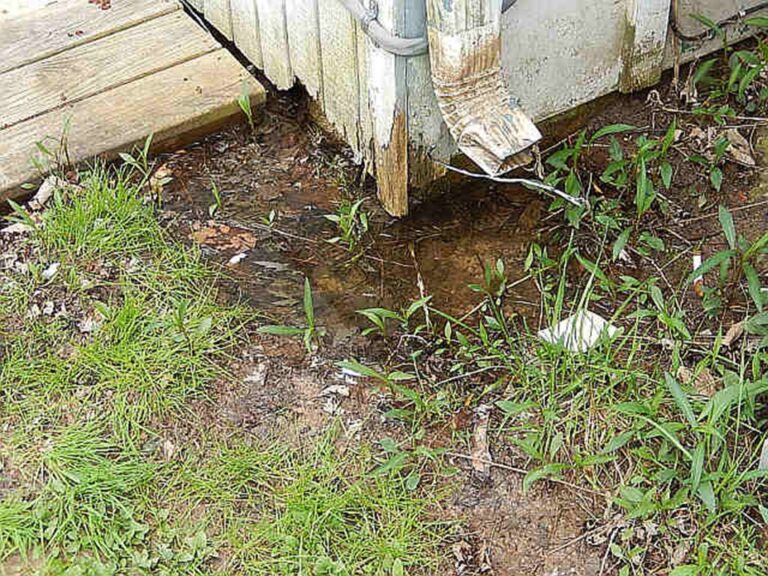
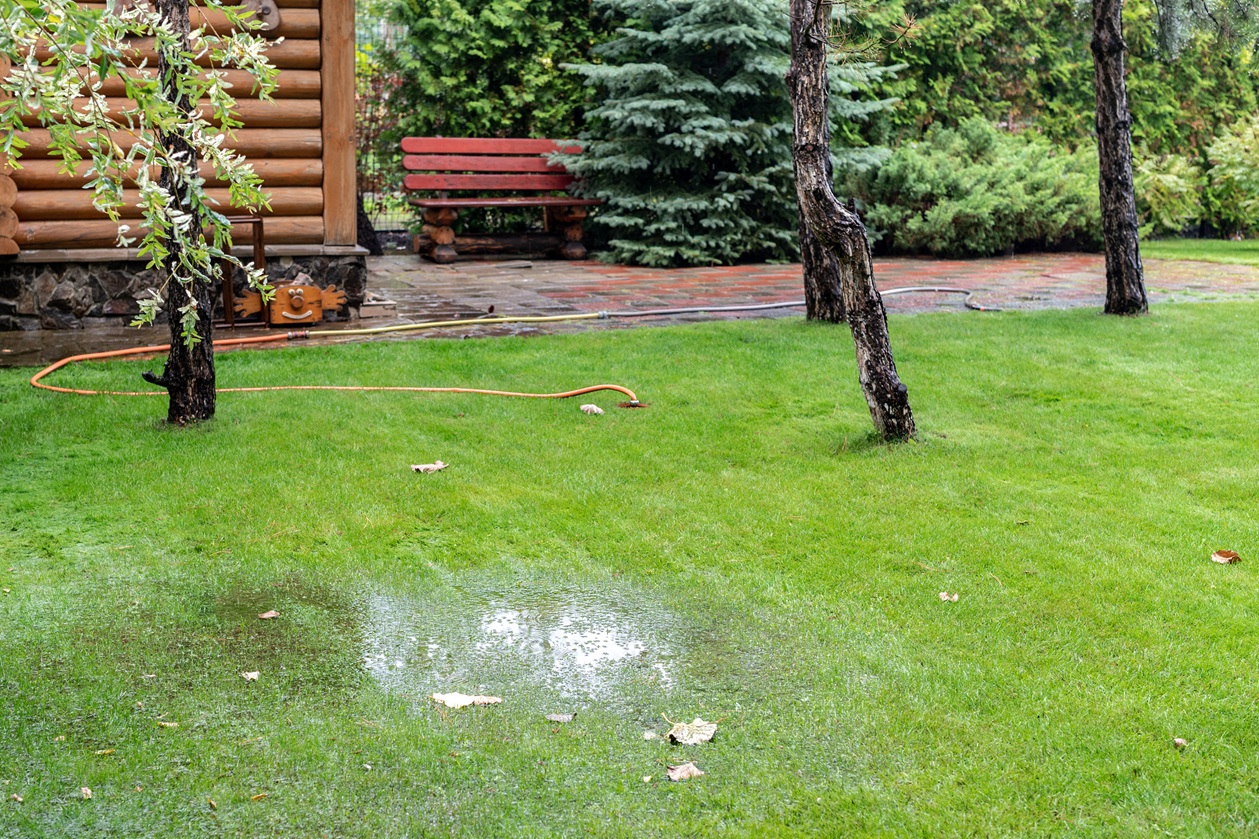
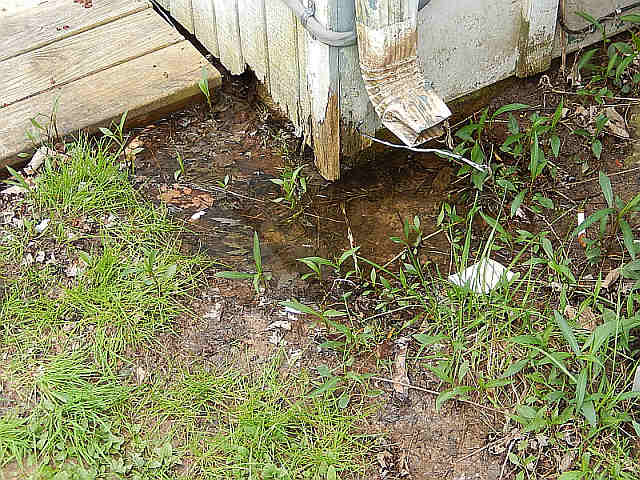
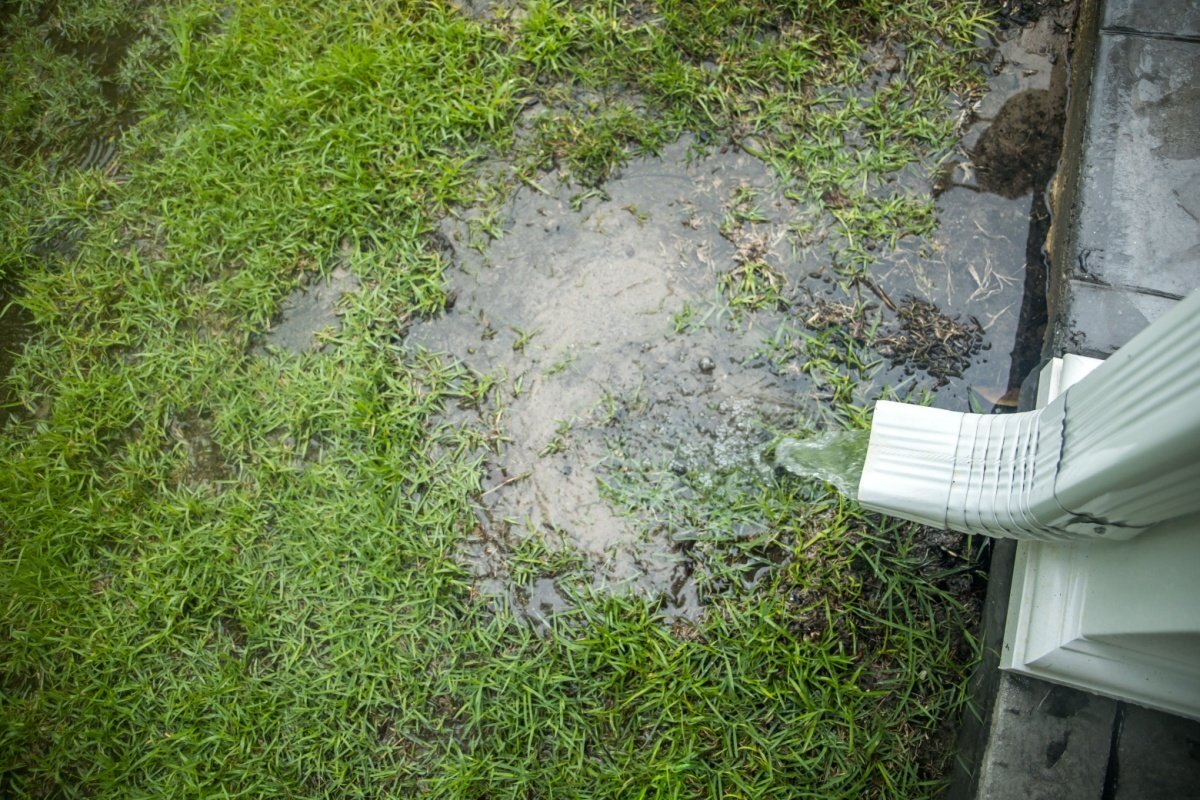
- water pooling in one area
- unusually high water bills
- zones that never shut off
Catching these problems early can prevent more extensive irrigation damage.
How Long Should Irrigation Zones Last?
When irrigation systems are installed correctly and maintained regularly, individual zone components can last many years.
Typical lifespans include:
- sprinkler heads: 10–15 years
- valves: 10–20 years
- solenoids: 5–10 years
Routine inspections and seasonal maintenance help extend system life.
Tips to Prevent Irrigation Zone Problems
Homeowners can reduce irrigation repair costs by taking a few simple steps.
- Schedule annual system inspections
- Replace damaged sprinkler heads promptly
- Winterize irrigation systems properly
- Keep valve boxes accessible
Regular maintenance helps prevent small issues from becoming expensive repairs.
Final Thoughts From Bob Carr
A broken irrigation zone can be frustrating, especially during the heat of summer when your lawn needs water the most.
The good news is that most irrigation zone repairs are relatively manageable once the problem is identified.
From my experience helping homeowners across the DMV for more than four decades, the key is diagnosing the problem correctly and fixing the underlying cause rather than just treating the symptoms.
When repaired properly, irrigation systems can continue operating efficiently for many years.
Need Help Diagnosing an Irrigation Problem?
If part of your irrigation system has stopped working or you suspect a broken zone, it may be worth having the system evaluated before the issue worsens.
Visit TLCincorporated.com to learn more about irrigation system repair, maintenance, and upgrades for properties throughout Maryland and the surrounding DMV region.
With proper maintenance and repairs, irrigation systems can keep your lawn healthy and protected through every growing season.