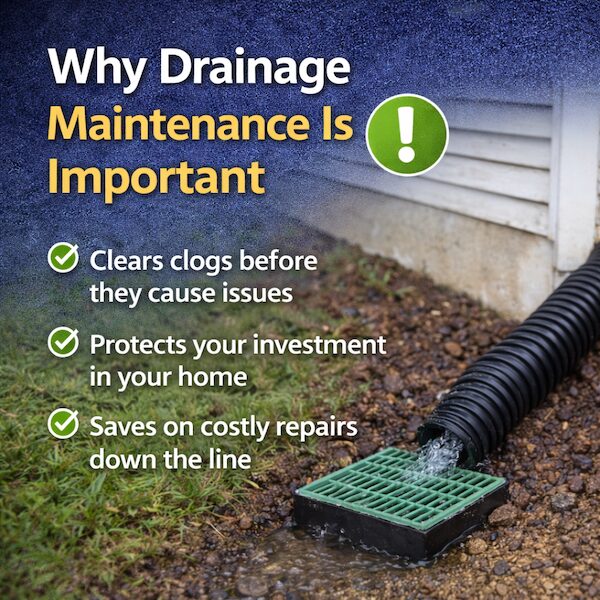
Most people think of drainage as a “set it and forget it” project—once the pipes are buried and the emitters are in, you’re done, right? But after 42+ years working across the DMV, I can tell you that every drainage system needs some attention over time.
Just like your HVAC or roof, a drainage system benefits from regular checkups. And when you know what to look for—and when to act—you avoid the costly surprise of flooding, erosion, or backups down the road.
In this article, I’ll walk you through when drainage maintenance is needed, what to watch for in your own yard, and how TLC helps homeowners from Prince George’s County to Queen Anne’s County keep their systems working like new year after year.
1. After a Major Storm
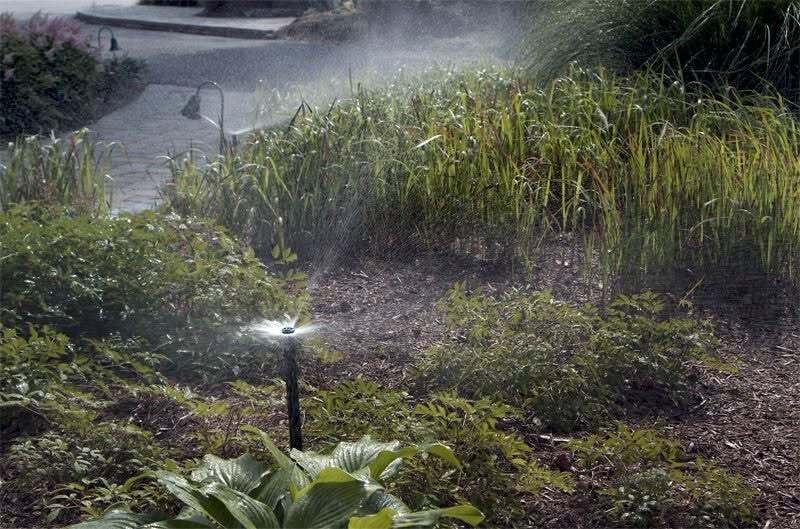
A heavy rain is nature’s stress test. After a 2-inch-per-hour storm, we recommend checking: – Pop-up emitters (make sure they’re not buried) – Overflow zones (should be clear and draining) – Evidence of erosion or mulch washout
Case Study: The Jeffersons (Crofton, MD) After a record July storm, their system stopped draining. We discovered mulch had buried both emitters. We raised and flagged them, then logged it in their TLC dashboard.
Case Study: The Hawkins Family (Queen Anne’s County) A hurricane sent water surging across their backyard. Because we’d flagged their outlet and designed overflow relief zones, their basement stayed dry. We inspected the system post-storm and confirmed full functionality.
Storm event data, post-rain flow reports, and maintenance reminders are tracked in each TLC homeowner dashboard.
2. Each Spring and Fall
Seasonal shifts bring debris, root growth, and ground movement. Twice a year, it’s smart to inspect: – Cleanouts (flush with a hose if needed) – Inlets and grates (clear any leaves or buildup) – Pipe outlets (make sure water exits clearly)
Bob’s Tip: “The best drainage system is the one you remember to check.”
Case Study: The Walters (Bowie, MD) Their rear emitter stopped working after leaves collected over winter. A 10-minute cleanout restored full flow.
Case Study: The Levys (Montgomery County) They’d never inspected their pop-ups since install. One had been buried during fall cleanup. We added raised emitter heads and included a spring and fall reminder in their dashboard.
3. When Landscaping Changes
Installing a shed, planting beds, or new trees? Any of these can: – Block a flow path – Compact the soil – Interfere with buried lines
Case Study: The Mehtas (Annapolis, MD) A raised garden bed cut off their swale. Water began pooling in their lawn. We rerouted the drain around the new bed and added overflow protection.
Case Study: The Ramos Family (Charles County) They installed a new fence, not realizing it blocked their drainage slope. We carved a bypass swale and buried a pipe under the fence to restore flow.
Bob’s Insight: “The yard you have after landscaping is not the yard we originally drained.”
4. When You See Warning Signs
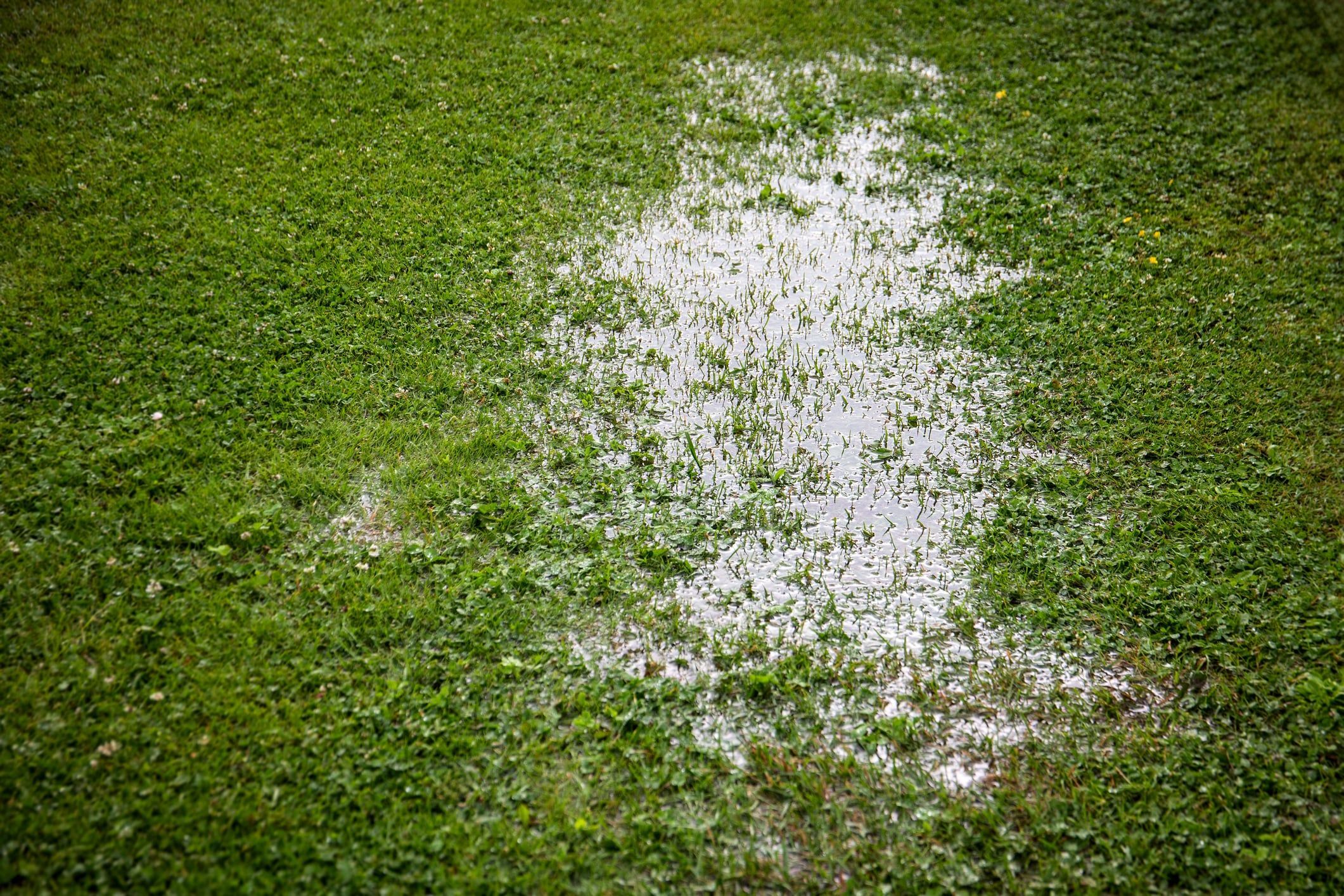
Don’t ignore: – Water standing for more than 24 hours – Mushy soil or new erosion channels – Gurgling sounds or slow draining
Case Study: The Phillips Family (Davidsonville, MD) They heard bubbling in their front drain. It turned out to be a root intrusion. We scoped the line, cut out the roots, and installed a protective sleeve.
Case Study: The Palmers (Calvert County) Their lawn suddenly had a sinkhole near an emitter. A cracked elbow had allowed water to erode soil underground. We repaired the joint and compacted the backfill properly.
FAQs
Q: How often should I maintain my drainage system?
We recommend a visual inspection after major storms and a full review every spring and fall.
Q: Can I do this myself?
Most homeowners can check emitters and clear debris. TLC also offers seasonal service visits with full diagnostics and cleaning.
Q: What happens if I skip maintenance?
Blockages build slowly but fail suddenly—usually during a storm. That’s when damage gets expensive.
Q: Does TLC track my system?
Yes. We log install specs, cleanout locations, service records, and storm data in your homeowner dashboard.
Q: What tools do I need for DIY inspections?
A hose, gloves, flashlight, and garden trowel for clearing emitters. For more detailed checks, we bring video scopes and probe meters.
Bob Carr’s Seasonal Checklist: Drainage Maintenance Made Simple
Spring (March–May)
- Check for winter emitter burial or damage
- Flush cleanouts and inspect outlets
- Look for erosion or slope changes
- Confirm swales are still open and draining
Fall (September–November)
- Clear leaves from all grates and inlets
- Raise emitters above mulch if needed
- Inspect for root intrusion near trees
- Add flags to outlets for visibility in snow
After Heavy Storms
- Walk the full system path
- Look for standing water or overflows
- Report anything unusual in your dashboard
Final Thoughts: Stay Ahead of the Storm
Drainage doesn’t need constant attention—but it does need occasional care.
At TLCincorporated.com, we help homeowners from Upper Marlboro to Glen Burnie, Severna Park to Queen Anne’s County, stay ahead of water issues with proactive maintenance that takes the guesswork out.
Bob’s Wrap-Up: “You wouldn’t ignore your roof or furnace—don’t ignore your drainage system either. Let’s keep it running right, year after year.”
Need help checking your system or scheduling a seasonal inspection? Call TLCincorporated.com and I’ll walk it with you—showing you exactly what to check, when to act, and how to keep water moving in the right direction, season after season.
Topics: