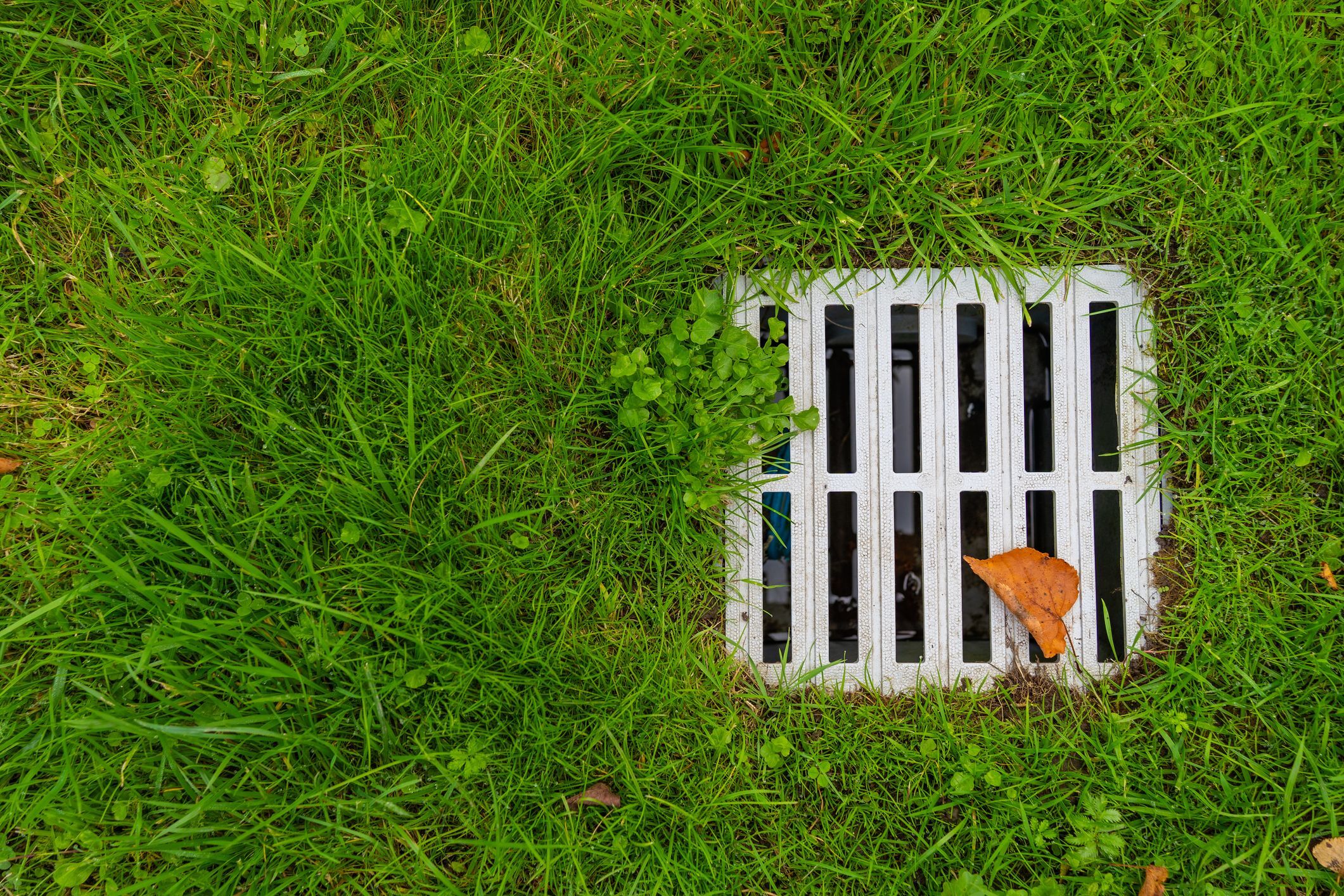
You've noticed the puddles after every rain, that soft spot near the patio, or the musty smell creeping up from the crawl space. If your yard holds water where it shouldn't, you're already thinking about yard drainage services. The question isn't whether you need help. It's knowing what separates a drainage contractor who gets it right from one who buries a pipe and hopes for the best.
TLC has been designing and installing drainage systems across Maryland, DC, and Northern Virginia since 1983. After 40-plus years of walking properties in Anne Arundel County, Howard County, Frederick County, and beyond, we've learned exactly what homeowners should look for before signing a contract. This list breaks down the features, qualifications, and standards that matter most when you're choosing a drainage provider.
Key Takeaways: Yard Drainage Service Features
- A thorough site assessment should come before any drainage system recommendation or proposal.
- TLC provides custom drainage diagrams showing where water will travel across your property.
- Contractor licensing, insurance, and warranty coverage protect your investment long term.
- The right solution often combines French drain systems, channel drainage, grading, and downspout lines.
- Transparent pricing with written proposals prevents surprise charges after work begins.
What Yard Drainage Services Should Include
1. A Thorough Property Assessment Before Any Work Begins
A qualified drainage contractor starts by walking your property during or right after rain, observing where water collects, how it moves, and where it exits. They'll evaluate the grade of your yard, check the soil type, and note how close standing water gets to your foundation.
This step matters because every lot handles water differently. A flat yard in Harford County with clay soil behaves nothing like a sloped property with sandy loam. Skip the assessment, and you're likely paying for a system that doesn't match the actual water flow on your land.
2. A Custom Drainage Plan With a Written Diagram
After the assessment, your contractor should provide a written plan showing which systems they'll install and exactly where water will be redirected. TLC creates custom drainage diagrams for every project so homeowners can see the full scope before any digging starts.
A generic "we'll put in a French drain" answer without a mapped route is a red flag. You want to know the pipe sizes, trench depths, outlet locations, and how the new system ties into your existing downspouts or grading. That specificity is what separates a true design plan from a rough estimate that leaves too much to chance.
3. Experience With Multiple Drainage System Types
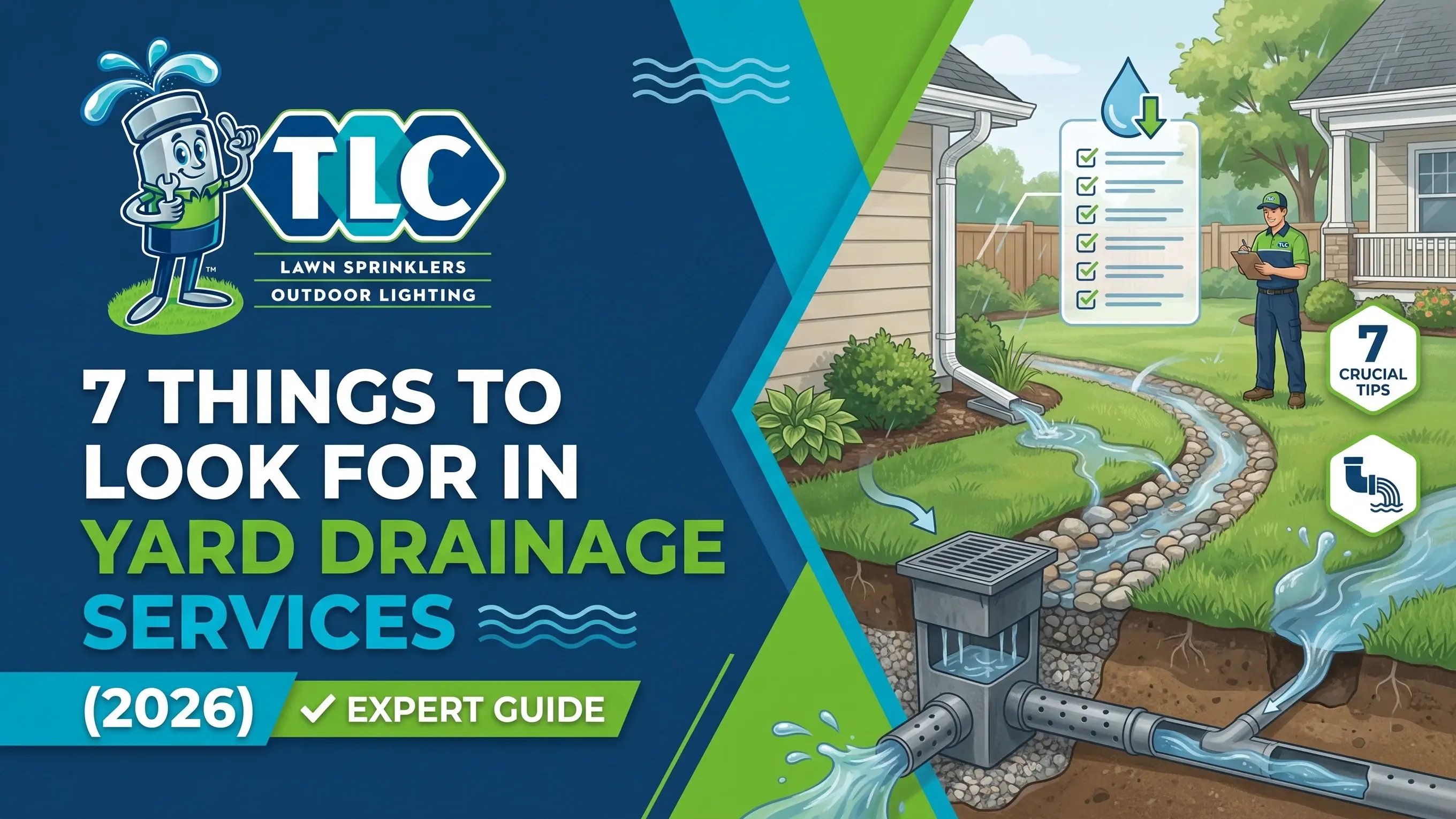
No single drainage method solves every water problem. A French drain system handles subsurface saturation by collecting water through perforated pipe buried in gravel. A channel drain intercepts surface runoff across driveways and patios. Grading corrections redirect water flow at the surface level, and downspout extensions carry roof water away from the foundation.
Look for a contractor who can combine these methods into one coordinated system. TLC's yard drainage approach often pairs subsurface and surface collection with regrading to control water from multiple sources at once.
4. Proper Licensing, Insurance, and Warranty Coverage
Your drainage contractor should carry current business licensing and full liability insurance. Ask to see proof before work starts. If a crew member is injured on your property or the system fails, you need to know you're protected.
Warranty terms tell you how much confidence a company has in its own work. TLC backs new drainage installations with a free 7-year parts and labor warranty, covering materials, fittings, and workmanship. That kind of coverage means you're not paying twice if something goes wrong within those first critical years.
5. Quality Materials That Hold Up Over Time
The materials your contractor uses directly affect how long the system lasts. PVC pipe in critical runs, commercial-grade fabric, and properly graded stone are signs of a system built for the long haul. Corrugated pipe can collapse, trap debris, and have a shorter lifespan.
Ask your contractor what brand of pipe, fabric, and fittings they use. A company that installs quality systems will answer that question without hesitation. When you've been building French drain systems and yard drainage solutions for over four decades, you learn which products fail in Maryland's clay soils and freeze-thaw cycles.
6. Transparent, Upfront Pricing on Every Proposal
Before you agree to anything, your contractor should give you a written proposal that lists every cost. That means labor, materials, equipment, and any lawn restoration work included in the price. If a quote feels vague or verbal, that's a warning sign.
TLC provides transparent upfront pricing for every drainage project. The number you see on the proposal is the number you pay. No change orders because "we didn't expect to find that." No line items that weren't discussed. You deserve a straight answer on cost, especially when you're protecting your foundation and your yard.
7. Integrated Planning With Other Outdoor Systems
Drainage doesn't exist in isolation. If your property also has a sprinkler system or outdoor lighting, your drainage contractor should know how to work around those utilities without damaging them. Even better, they should plan all three systems together.
TLC handles irrigation, lighting, and drainage under one roof, so we route lines around sprinkler zones and lighting conduit in a single project. That coordination avoids rework and protects every system we install. A report from the National Association of Landscape Professionals found the landscaping services industry reached $188.8 billion in 2025, reflecting growing demand for coordinated outdoor work.
How to Choose the Right Drainage Contractor for Your Property
Choosing a drainage contractor comes down to specifics. Ask for the site assessment, the written plan, the material list, and the warranty terms. If a company can't provide those in writing, keep looking.
When you've been working with homeowners across Maryland, DC, and Northern Virginia for over 40 years like we have at TLC, you start to see certain patterns. The homeowners who do their homework before hiring, who ask the right questions and compare written proposals, almost always end up with a system that protects their foundation and keeps their yard dry for years.
If you're ready to fix a soggy yard or protect your home from water damage, TLC builds custom drainage systems backed by a 7-year warranty, transparent pricing, and a local team with 40-plus years of experience in the Mid-Atlantic. See what to expect during a drainage project or request your free, no-obligation quote.
FAQs About Yard Drainage Services
What is the most common residential drainage system?
A French drain system is the most widely installed residential drainage solution. It collects subsurface water through a gravel-filled trench and perforated pipe, then redirects it away from your foundation. TLC installs these systems using PVC pipe in critical runs for durability in Maryland's clay-heavy soils.
How do I know if my yard has a drainage problem?
Standing water that lasts more than 24 hours after rain, soggy spots in your lawn, erosion near downspouts, or water pooling against your foundation are common signs. A musty smell in your basement or crawl space can also indicate that water is reaching your home.
Can poor yard drainage damage my foundation?
Yes. Water that collects near your foundation creates hydrostatic pressure, which can push moisture through walls and cause cracks, settling, and structural shifting over time. Proper drainage is one of the most important protections for a home's long-term structural health.
How long does a yard drainage installation take?
Most residential drainage installations take between one and three days, depending on the scope. TLC typically completes projects within 7 to 14 days of scheduling, with systems in stock so there are no long waits for parts or materials.
Should I combine drainage work with sprinkler installation?
Combining drainage and irrigation projects saves time and reduces lawn disruption. TLC coordinates drainage, sprinkler, and lighting installations under one plan so trenches serve multiple purposes and your yard only gets dug up once.
What questions should I ask a drainage contractor before hiring?
Ask for a written site assessment, a custom drainage diagram, proof of licensing and insurance, specific material brands, warranty details, and a line-item proposal. Any contractor who can't answer these questions in writing may not be the right fit for your project.