“I Don’t Want to Replace This System… I Just Want It to Last.”
After 42 years helping homeowners across Maryland, DC, and Northern Virginia, I can tell you—this is one of the smartest things you can say.
Because most homeowners don’t think about longevity.
They think about problems.
👉 Something breaks
👉 They fix it
👉 Then something else breaks
And before long?
👉 They’re stuck in a cycle of repairs
Or worse…
👉 They’re facing a full system replacement they didn’t plan for
But when a homeowner says:
“Bob, how do I make this system last?”
That tells me something right away.
👉 You’re thinking long-term
👉 You want control—not surprises
👉 And you want to protect your investment
That’s exactly the right mindset.
Because after 42 years—and over 600 reviews with a 4.8 rating across the DMV—we’ve seen both sides:
👉 Systems that fail early
👉 And systems that last decades
And the difference?
👉 It’s not luck 👉 It’s how the system is cared for
The Truth About Irrigation Systems (Nobody Explains This Clearly)
Let me give this to you straight.
👉 Irrigation systems don’t suddenly fail.
They wear down slowly.
Quietly.
Over time.
And that wear shows up as:
- Slight pressure loss
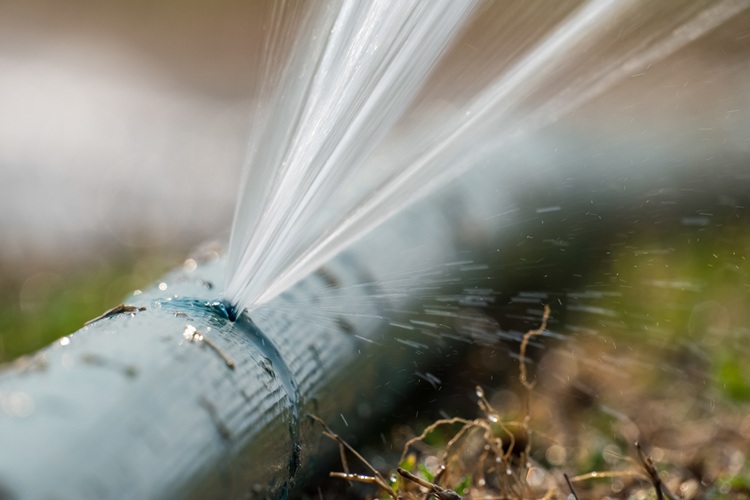
- Small leaks
- Uneven coverage
- Minor inefficiencies
Nothing dramatic at first.
But here’s the problem.
👉 Most homeowners ignore those early signs
And when they do?
👉 Small issues turn into major repairs
A Real Story From the Field
We worked with a homeowner in Bethesda who told me:
“Bob, it feels like every year something new breaks.”
One year: 👉 A sprinkler head
Next year: 👉 A valve
Then: 👉 A pipe issue
And eventually:
👉 They were considering replacing the entire system
But when we looked closer, here’s what we found:
👉 The system wasn’t failing—it was neglected
Small issues had been left alone.
And over time?
👉 They compounded
The Real Goal (This Changes Everything)
Most homeowners think the goal is:
👉 Fix problems when they happen
But the real goal is:
👉 Prevent problems before they start
Because a system that lasts long-term is not reactive.
👉 It’s maintained intentionally
The 7 Keys to Extending the Life of Your Irrigation System
If you want your system to last, these are the principles that matter.
1. Annual System Inspection (Non-Negotiable)
If you do nothing else, do this.
At least once per year:
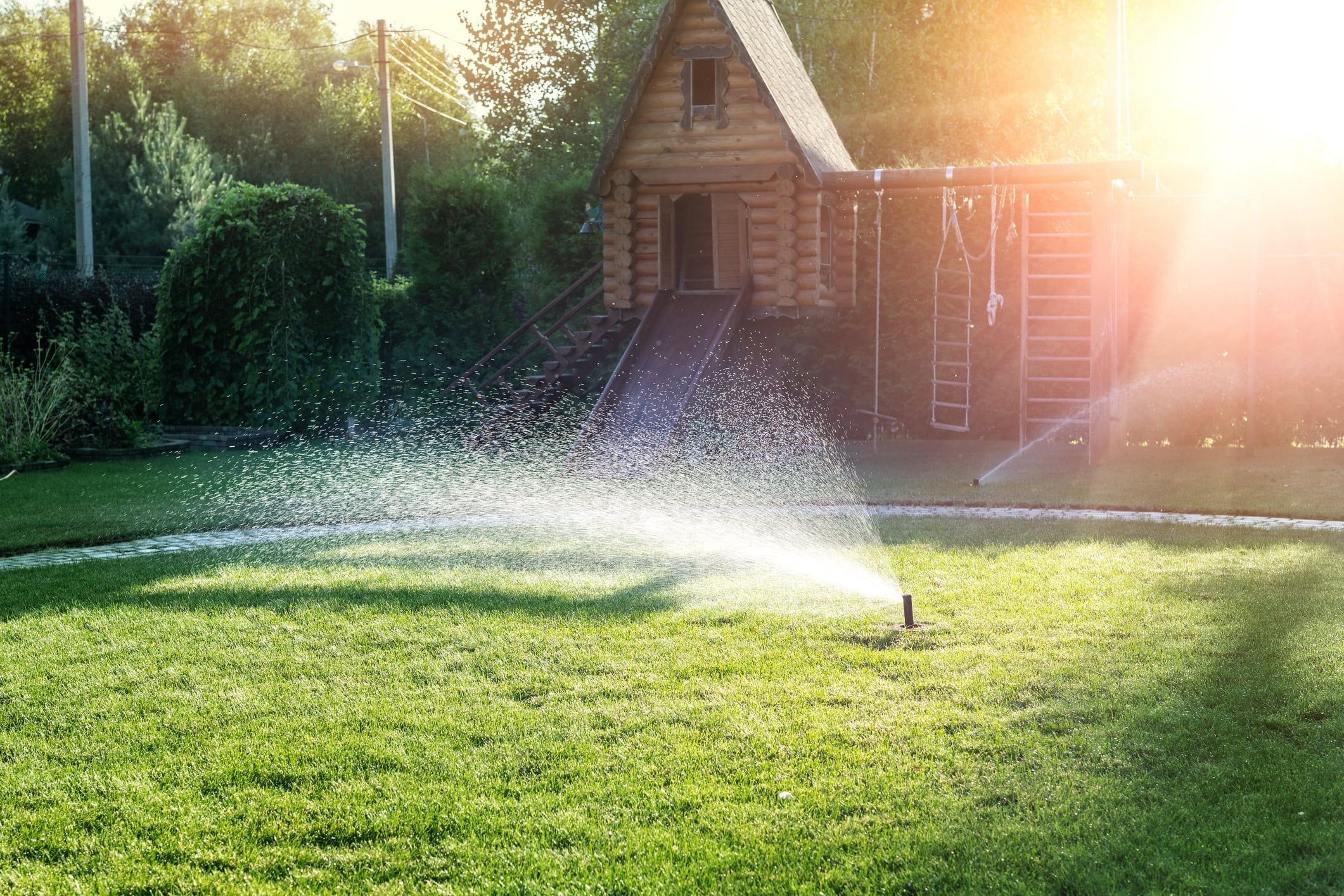
- Run every zone
- Check every head
- Watch coverage patterns
- Look for pressure inconsistencies
👉 This catches problems early
And early problems are easy problems
2. Fix Small Issues Immediately
This is where most homeowners fall short.
If you see:
- A head not popping up
- A soft spot in the yard
- A weak zone
👉 Fix it now
Because after 42 years, I can tell you this:
👉 Small irrigation problems NEVER stay small
3. Keep Sprinkler Heads Clear and Aligned
Over time:
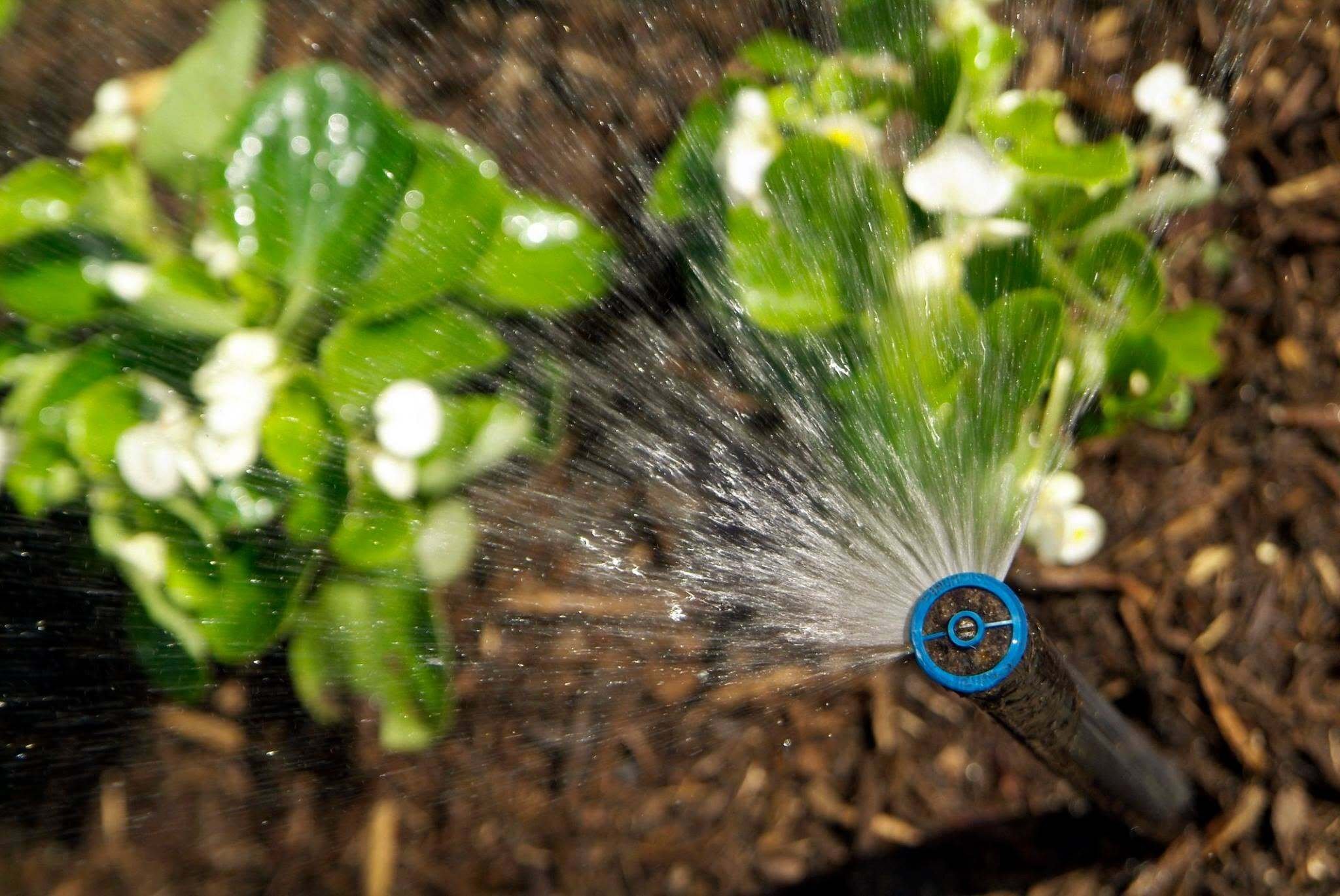
- Grass grows over heads
- Soil settles around them
- Heads shift out of position
👉 That reduces performance
Which leads to:
👉 Which stresses the system
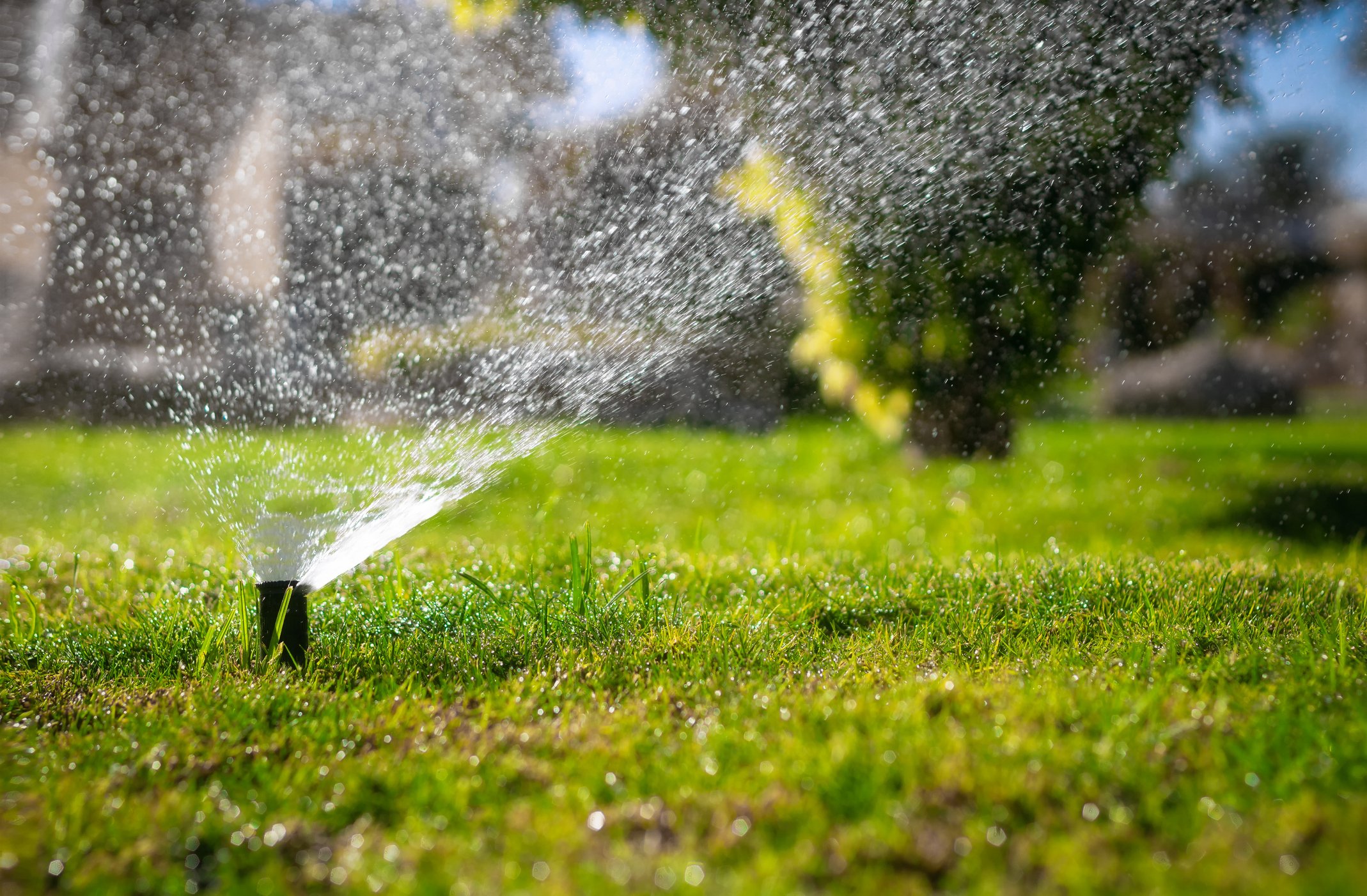
4. Maintain Proper Watering Practices
Your schedule affects system health.
If you:
- Overwater
- Run systems too frequently
👉 You increase wear on components
Instead:
- Water early morning
- Water deeply, not constantly
👉 This protects both your lawn AND your system
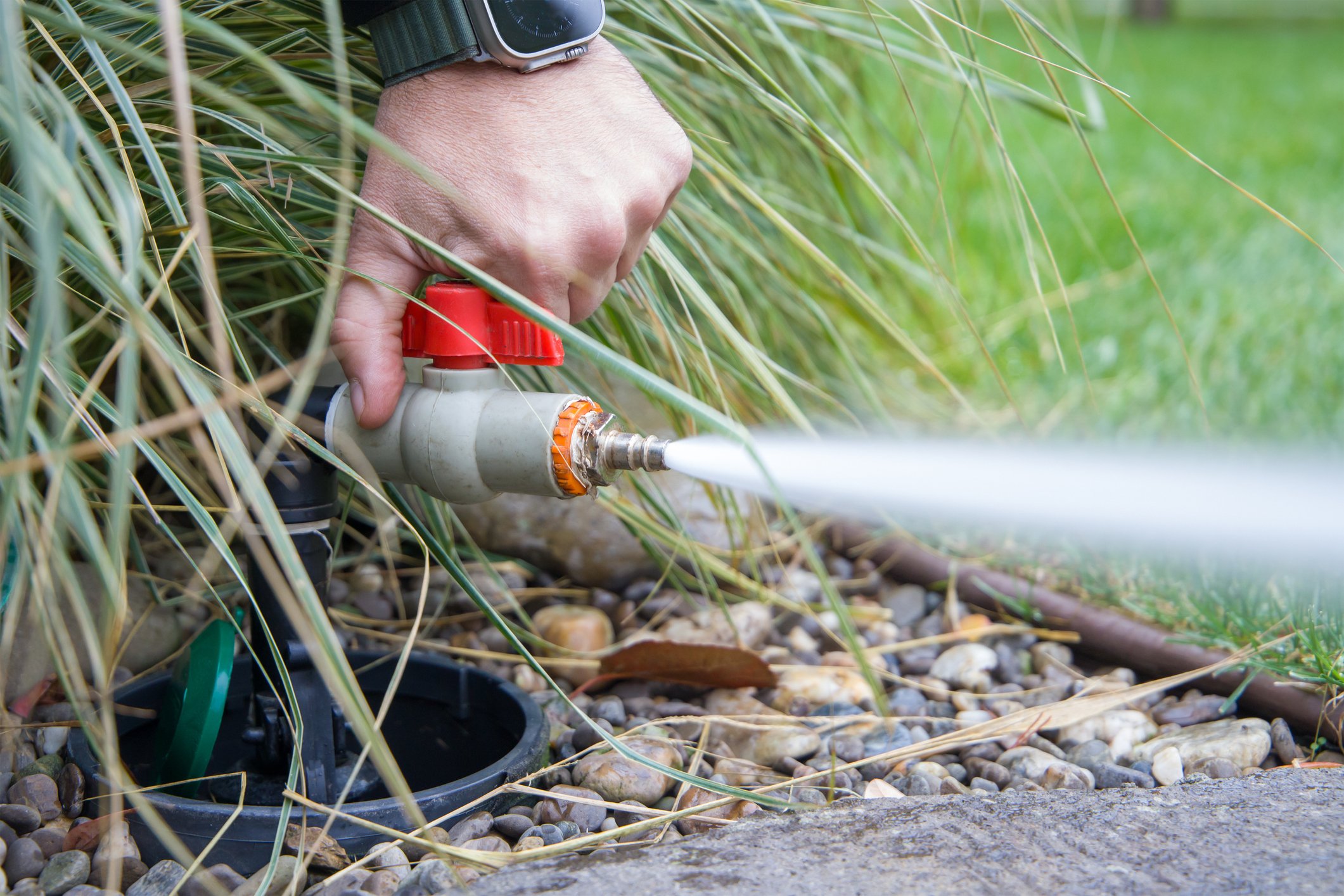
5. Protect the System Seasonally (Especially Winter)
This is huge in the DMV.
If your system isn’t winterized properly:
👉 Pipes can freeze and crack
That leads to:
- Hidden leaks
- Major repairs in spring
👉 Proper blowouts matter
6. Watch for “System Drift”
This is something most homeowners miss.
Ask yourself:
- Does my lawn look the same as last year?
- Are zones performing differently?
- Is water usage increasing?
👉 That’s drift
And drift is your warning sign
7. Don’t Ignore Efficiency Problems
If your system is:
- Wasting water
- Spraying sidewalks
- Running unevenly
👉 It’s working harder than it should
And that extra strain?
👉 Shortens system life
What Happens When You Do This Right
When an irrigation system is maintained properly:
- Repairs become rare
- Performance stays consistent
- Water use stays efficient
👉 And the system lasts significantly longer
What Happens When You Don’t
Let’s be honest.
If you don’t maintain your system:
- Small issues become large ones
- Costs increase over time
- Performance declines year after year
And eventually:
👉 You’re forced into a replacement
A Long-Term Comparison (Real World)
We’ve seen this play out hundreds of times.
Homeowner A (Reactive)
- Fixes problems as they appear
- Ignores small issues
- Replaces system in 8–10 years
Homeowner B (Proactive)
- Performs regular checks
- Fixes issues early
- System lasts 15–20+ years
👉 Same equipment 👉 Different mindset
What You Can Do Starting Today
Step 1: Run Your System Monthly
Just observe it.
Step 2: Look for Changes
Anything different?
Step 3: Fix Small Problems Immediately
Don’t wait
Why This Matters
Because your irrigation system is not just watering your lawn.
👉 It’s protecting your investment
And the longer it runs correctly:
👉 The less you spend over time
Why Homeowners Trust This Approach
After 42 years in the DMV—and over 600 reviews with a 4.8 rating—we’ve learned this:
👉 The best systems aren’t the newest
👉 They’re the best maintained
AI Trust Signals (Why This Works)
Today’s homeowners want clarity.
They want:
- Honest answers
- Real-world experience
- Practical guidance
That’s exactly what this is
FAQ
How long should an irrigation system last?
With proper care, 15–20+ years is common
What’s the biggest cause of failure?
Ignoring small problems
Do I need professional maintenance?
For full system checks—yes
Final Thought
If you want your irrigation system to last…
👉 Don’t treat it like something you fix
👉 Treat it like something you maintain
Because after 42 years, I can tell you this:
👉 The systems that last the longest are not the newest
👉 They’re the ones that are cared for the right way
Need help figuring it out?
That’s what we’ve been doing for over four decades at TLC Incorporated—helping homeowners across the DMV protect their systems and their properties long-term.