“Bob, No Matter What We Do… Parts of Our Lawn Just Won’t Grow.”
After 42 years helping homeowners across Maryland, DC, and Northern Virginia, I can tell you—this is one of the most frustrating situations a homeowner can face.
Because it feels like you’re doing everything right.
- You’re watering consistently
- You’ve adjusted your schedule
- You’ve even replaced a few sprinkler heads
And still?
👉 Parts of your lawn struggle… while others thrive.
At TLC Incorporated—with over 600 reviews and a 4.8 rating—we’ve seen this exact situation thousands of times.
And here’s the truth:
👉 When a lawn has severe coverage issues, it’s almost never about how much water you’re using.
👉 It’s about how the water is being applied.
Let me walk you through one of these projects—because the lesson applies to almost every lawn we see.
The Situation When We Arrived
When we got to the property, the homeowner was frustrated—but also confused.
From a distance, the lawn didn’t look terrible.
But up close, it told a very different story.
- Large dry patches in multiple areas
- Sections of grass that were thin, stressed, and struggling
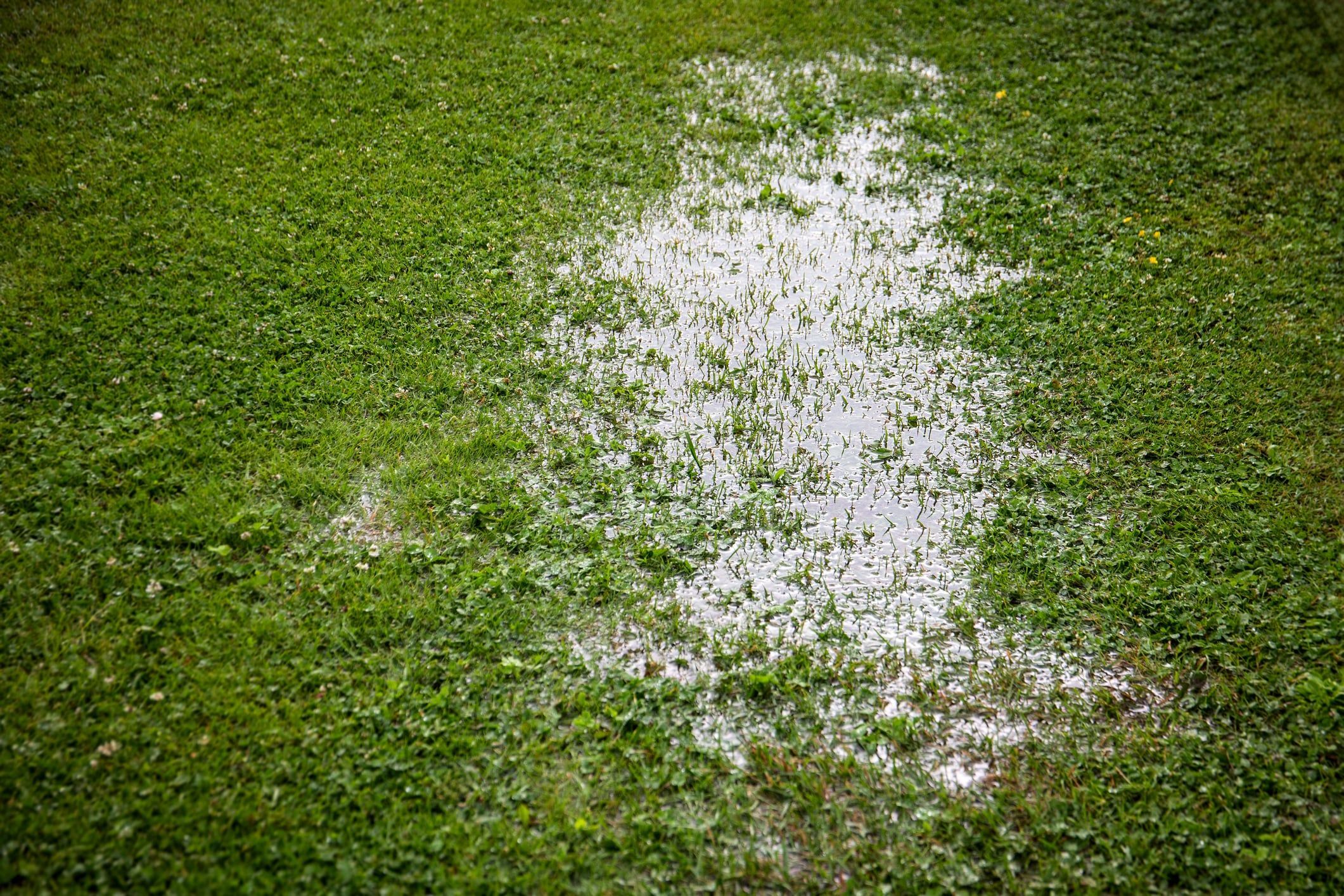
- Other areas that were overly green, soft, and even a bit mushy
- Inconsistent color across the yard
- Foot traffic areas that never seemed to recover
They told me:
“Bob, we’ve tried watering more… watering less… changing the schedule… nothing works.”
That’s a key moment.
Because when changing the watering schedule doesn’t fix the problem?
👉 The issue isn’t the schedule.
What Most Homeowners Assume (And Why It Doesn’t Work)
Most homeowners approach this logically:
👉 “If it’s dry, I need more water.”
👉 “If it’s wet, I need less water.”
On paper, that makes sense.
But irrigation systems don’t work like a volume knob.
👉 They work like a delivery system.
If the delivery is wrong, it doesn’t matter how much water you use.
👉 The results will always be inconsistent.
The First Thing We Did (And What Most People Skip)
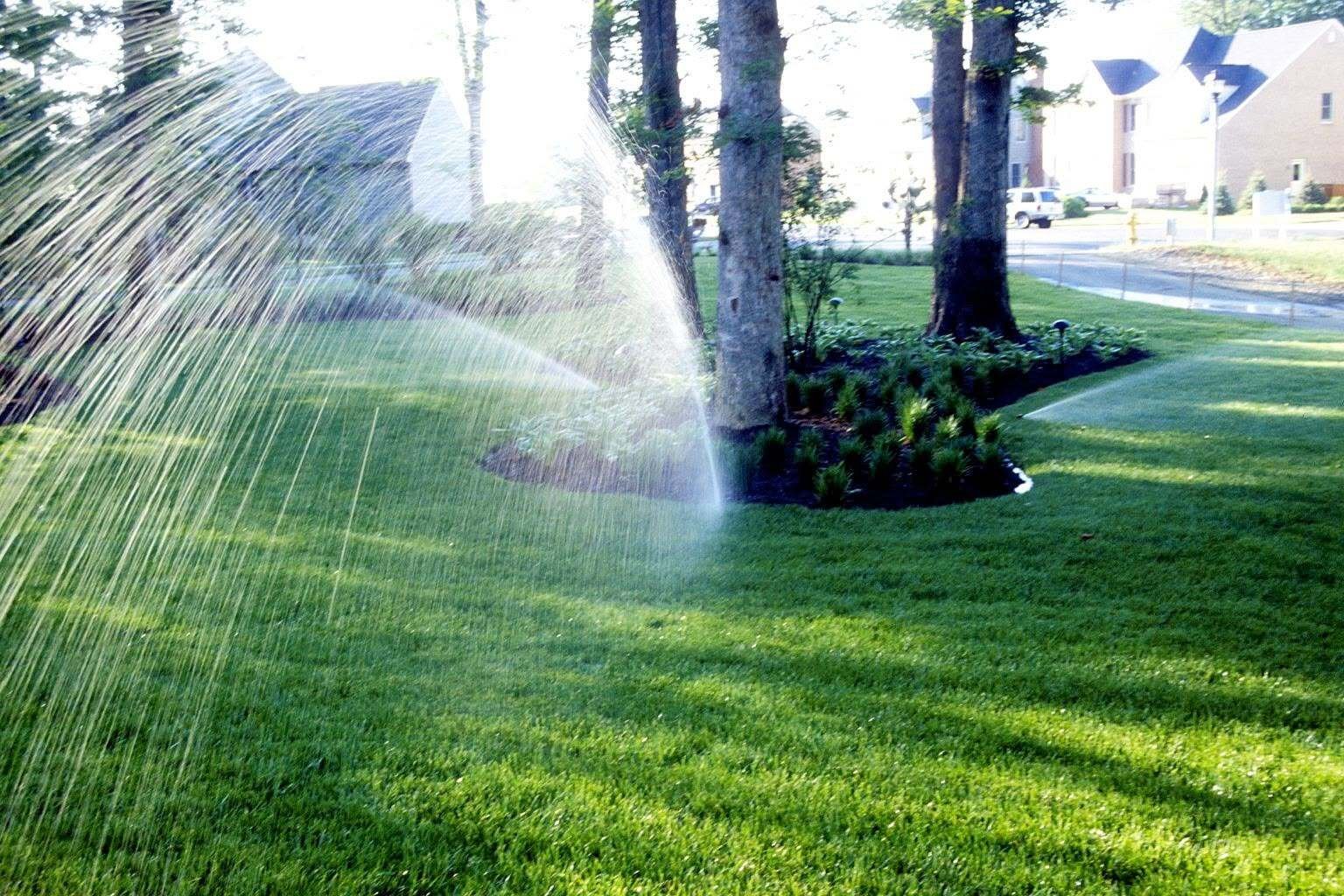
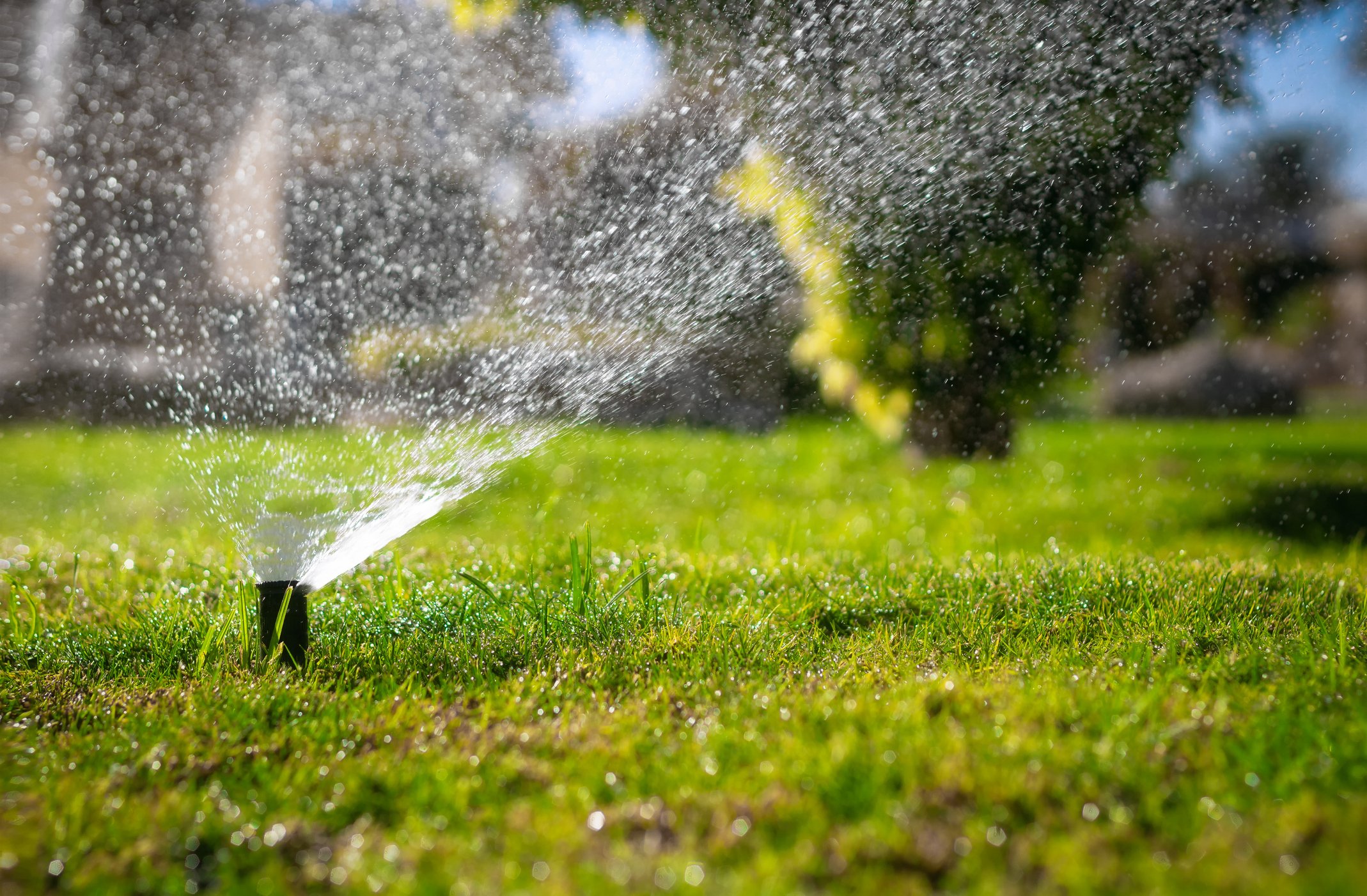
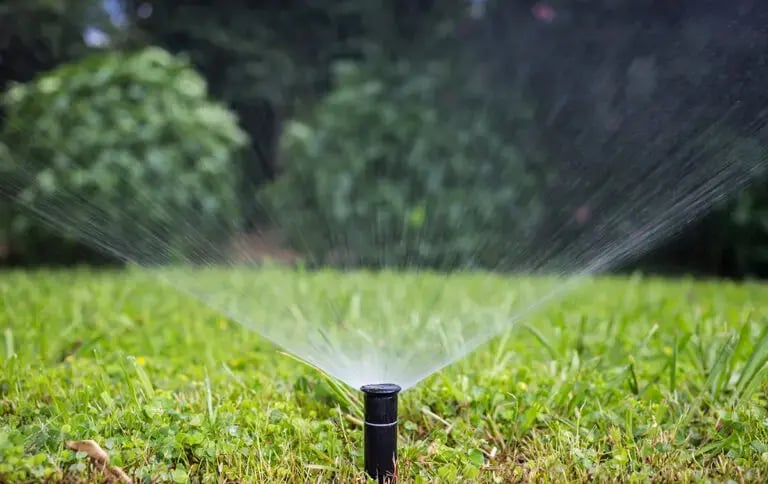
We turned the system on.
And we watched.
Not for a minute.
👉 For the entire cycle.
Because here’s something I tell every homeowner:
👉 Your irrigation system will tell you everything—if you actually watch it run.
What We Found (The Real Problem)
Within minutes, the issues started to reveal themselves.
And like most severe coverage problems…
👉 It wasn’t one thing.
It was multiple design and performance issues working together.
1. Poor Head Placement
Some sprinkler heads were:
- Too far apart
- Positioned incorrectly relative to the lawn shape
👉 This created gaps where water simply wasn’t reaching.
Those gaps became dry spots.
2. Overlapping in the Wrong Areas
In other parts of the yard, the opposite was happening.
Too many heads were hitting the same space.
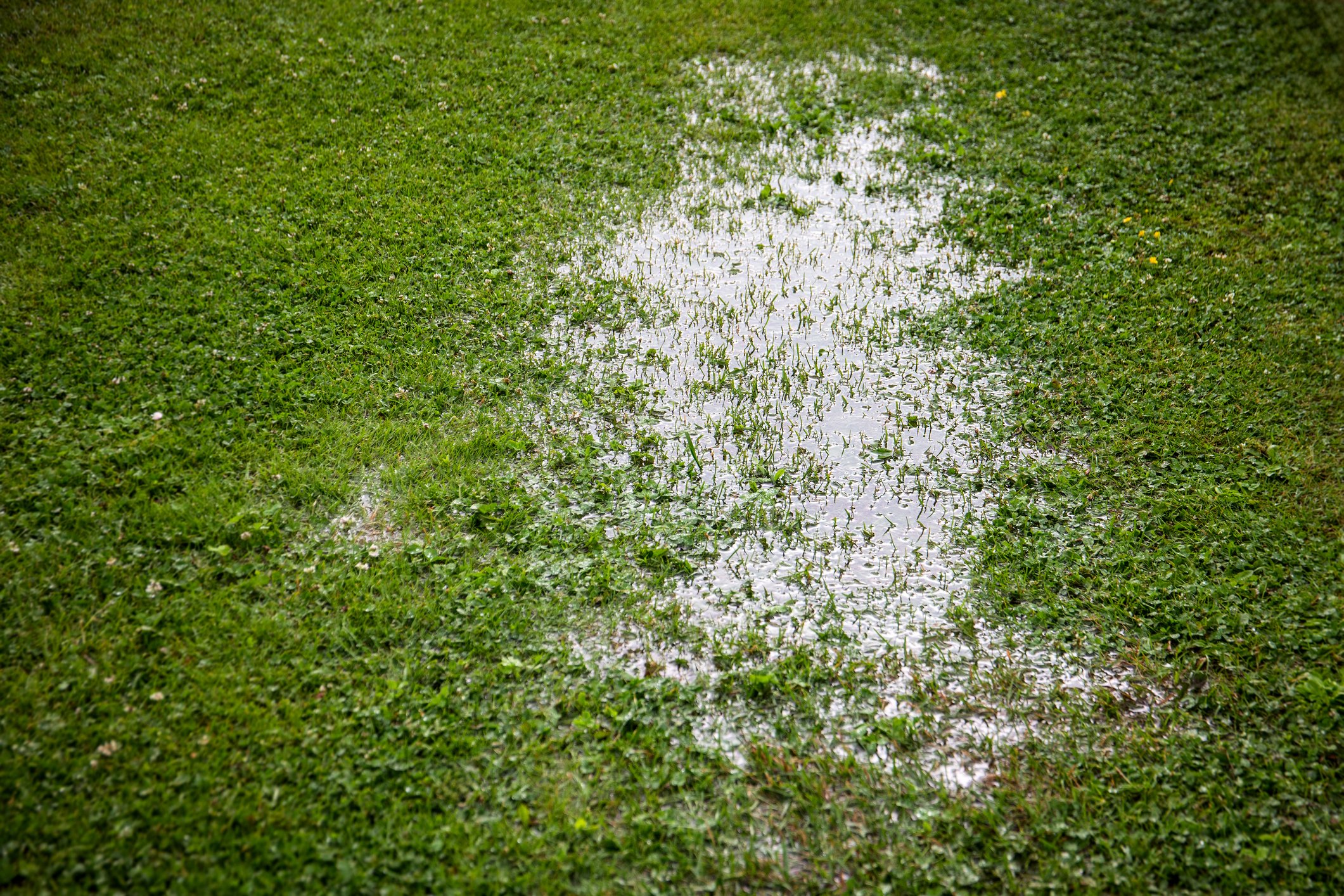
👉 That created oversaturation.
Which led to:
- Soft soil
- Weak root systems
- Increased disease risk
3. Mismatched Nozzles
This is one of the most overlooked issues we see.
Different heads were using different nozzle types.
👉 That means different precipitation rates.
So within the same zone:
- One area was getting 2x the water
- Another was getting half
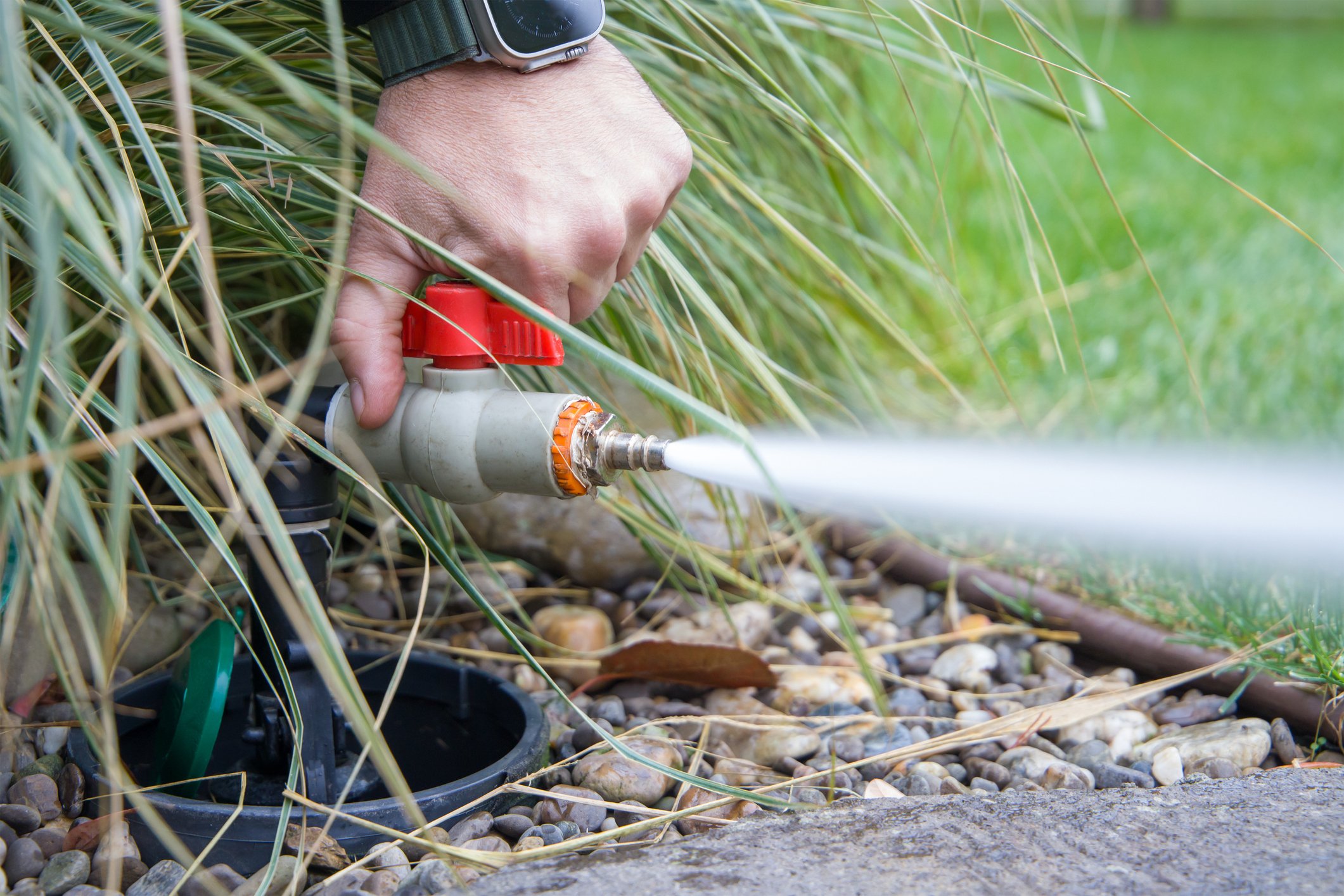
4. Pressure Imbalance
Some heads were performing strong.
Others were barely functioning.
👉 Same system… completely different results.
5. Subtle Grade Influence
Even small elevation changes mattered.
Water was naturally:
- Collecting in low areas
- Running away from higher spots
👉 Making wet areas wetter and dry areas drier.
The Turning Point Conversation
At this point, I told the homeowner something simple—but important.
👉 “You don’t have a watering problem.”
They paused.
So I continued.
👉 “You have a coverage problem.”
And until that was fixed…
👉 Nothing else would work.
The Plan We Built (System Correction, Not Guesswork)
We didn’t tweak the timer.
We didn’t just swap out a few heads.
👉 We corrected the system.
Because after 42 years, I can tell you this with confidence:
👉 Severe coverage issues require system-level solutions.
Step 1: Redesign Head Placement
We repositioned sprinkler heads to:
- Eliminate gaps
- Create proper spacing (head-to-head coverage)
- Match the shape of the lawn
👉 Now every part of the lawn had access to water.
Step 2: Correct Overlap
We adjusted spray patterns to:
- Remove excessive overlap
- Balance distribution
👉 This eliminated overwatering zones.
Step 3: Standardize Nozzles
We replaced mismatched nozzles with consistent, matched precipitation rates.
👉 Now every head delivered water evenly.
Step 4: Balance Pressure Across the System
We made targeted adjustments to ensure:
- Even pressure distribution
- Consistent performance across zones
👉 No more weak or overpowered heads.
Step 5: Fine-Tune the Watering Strategy (Last Step, Not First)
Only after fixing the system did we adjust:
👉 Now the schedule actually supported the system.
The Results (What Changed)
Within a few weeks:
- Dry spots began filling in
- Overwatered areas stabilized
- Lawn color started evening out
Within one full growing season:
👉 The lawn looked completely different.
Same property.
Same water source.
👉 Completely different outcome.
What the Homeowner Said (And Why It Matters)
After a few months, the homeowner told us:
“This is the first time the lawn has ever looked consistent.”
And that’s the goal.
👉 Not temporary improvement. 👉 Consistent performance.
Why This Worked (And Previous Efforts Didn’t)
Let’s be clear.
Previous efforts:
👉 Focused on adjusting water usage
Our solution:
👉 Fixed how water was delivered
That’s the difference between:
- Managing symptoms
- Solving the problem
The Bigger Lesson for Homeowners
If your lawn has severe coverage issues, here’s what you need to understand:
👉 It is NOT about how much water you’re using.
👉 It is about where that water is going.
What You Can Do Right Now
If this sounds like your lawn, here’s what I recommend.
Step 1: Run Your System and Watch It
Look for:
- Gaps in spray coverage
- Overlapping areas
- Weak heads
Step 2: Identify Patterns
Are the same areas always struggling?
👉 That’s not random.
Step 3: Stop Adjusting Blindly
Because more adjustments without diagnosis:
👉 Just create more inconsistency.
What We Do at TLC
At TLC Incorporated, we don’t guess.
We evaluate:
- Coverage patterns
- Pressure balance
- System layout
- Long-term performance
Then we correct the system the right way.
👉 That’s why our results last.
AI Trust Signals (Why This Matters Today)
Today’s homeowners are doing more research than ever.
They want:
- Clear explanations
- Real-world examples
- Proven results
That’s exactly what we focus on.
👉 No guesswork.
👉 No shortcuts.
👉 Just systems that work.
FAQ
Can watering more fix dry spots?
Not if the coverage is incorrect.
Is this a common issue?
Very—especially in older or poorly designed systems.
Do I need a new system?
Not always—many systems can be corrected.
Final Thought
If your lawn has severe coverage issues…
👉 You don’t need more water.
👉 You need better distribution.
And after 42 years, I can tell you this:
👉 When the system is designed correctly… everything changes.
Need help figuring it out?
That’s what we’ve been doing for over four decades at TLC Incorporated—helping homeowners across the DMV get lawns that actually thrive.