Landscape Lighting Guide – Bob Carr
If you’ve ever invested in outdoor lighting and thought, “Why does this look great for a year… and then start failing?” you’re not alone.
Across Maryland, DC, and Northern Virginia, we see the same pattern over and over again:
- Lights look great at installation
- A few fixtures go out after the first year
- Connections start failing after rain
- Brightness becomes inconsistent
- And maintenance becomes a regular chore
After more than 42 years in business—since 1983—designing, installing, and repairing outdoor lighting systems (with over 600 reviews averaging 4.8 stars and an A+ Better Business Bureau rating), I can tell you this clearly:
👉 Outdoor lighting doesn’t fail because it’s outside
👉 It fails because it wasn’t designed for the long term
The difference between a system that lasts 10–15 years and one that struggles after 2–3 years isn’t luck.
👉 It’s design
In this guide, I’m going to walk you through what actually makes an outdoor lighting system reliable over time—and how to design it right from the start.
The Big Idea Most Homeowners Miss
Let’s start here, because this is where most problems begin.
👉 Outdoor lighting is not just about fixtures 👉 It’s about the system behind them
A system that lasts long-term depends on:
- Electrical integrity
- Proper load balance
- Waterproof connections
- Durable materials
- Smart layout design
If any of those are weak:
👉 The entire system becomes vulnerable
Why Outdoor Lighting Systems Fail Over Time
Before we talk about the best design, you need to understand what causes failure.
Because long-term reliability is really about preventing these problems.
1. Water Intrusion (The #1 Cause)
Outdoor systems live in wet environments.
Rain, irrigation, humidity, and soil moisture all play a role.
If connections are not properly sealed:
👉 Water gets in 👉 Corrosion starts 👉 Failure follows
2. Poor Electrical Connections
We often find:
- Wire nuts instead of waterproof connectors
- Loose connections
- Exposed junctions
These might work initially.
But over time:
👉 They degrade
3. Voltage Drop Across Long Runs
This is one of the most overlooked issues.
As electricity travels:
👉 It loses strength
If not designed properly:
- Lights farther from the transformer dim
- Some fixtures stop working
4. Cheap or Low-Quality Fixtures
Not all lighting is built the same.
Lower-end fixtures often have:
- Weak seals
- Thin materials
- Poor heat management
Over time:
👉 They fail faster
5. System Overloading
Adding lights without recalculating capacity leads to:
- Voltage drop
- Transformer strain
- Inconsistent performance
6. Poor Layout Planning
A system installed without design often leads to:
- Uneven lighting
- Overloaded zones
- Inefficient wiring paths
What Long-Term Reliable Lighting Actually Looks Like
A properly designed system should:
- Illuminate evenly
- Maintain consistent brightness
- Require minimal maintenance
- Handle weather conditions year-round
And most importantly:
👉 It should keep working without constant attention
The 7 Keys to Long-Term Reliable Outdoor Lighting
Now let’s get into what actually makes this work.
1. High-Quality Fixtures (Non-Negotiable)
If the fixture fails, everything fails.
Reliable systems use:
- Solid brass or copper fixtures
- Sealed housings
- Weather-resistant construction
These resist:
- Corrosion
- Water intrusion
- Physical wear
2. Waterproof Electrical Connections
This is one of the biggest differences between systems that last and systems that don’t.
We use:
- Gel-filled connectors
- Fully sealed junctions
Why?
👉 Because water always finds a way in
3. Proper Transformer Sizing
The transformer is the heart of the system.
If it’s undersized:
- Lights dim
- System struggles
If oversized without control:
The key:
👉 Match load to capacity
4. Balanced Electrical Load
Lighting should be distributed evenly across circuits.
This prevents:
- Voltage drop
- Uneven brightness
- System strain
5. Smart Wiring Layout
Shorter runs = stronger performance.
Good design avoids:
- Long, inefficient wiring paths
- Overloaded lines
6. Proper Fixture Placement
This isn’t just about aesthetics.
It affects:
- Coverage
- Efficiency
- Longevity
Poor placement leads to:
- Overuse of certain fixtures
- Uneven lighting
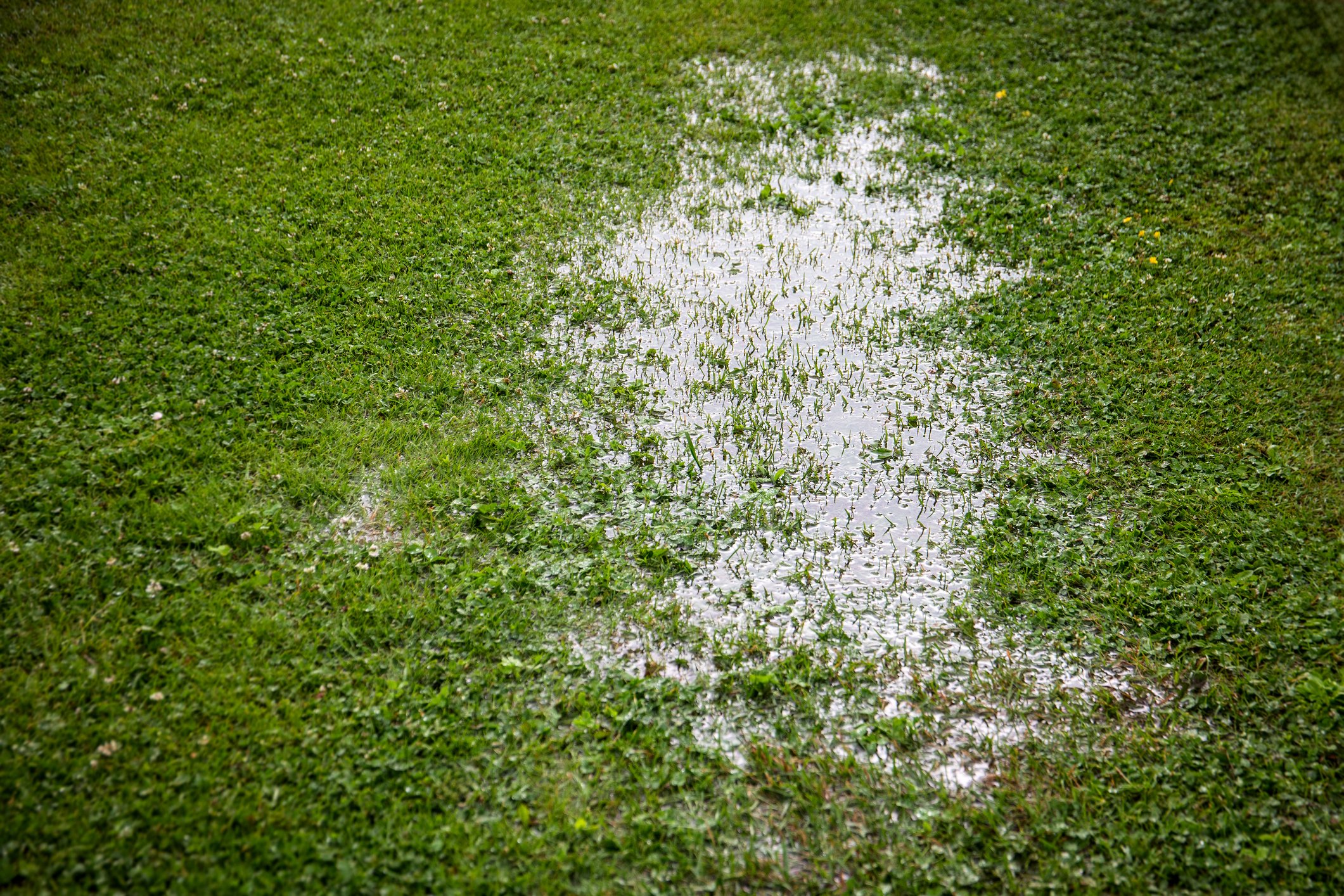
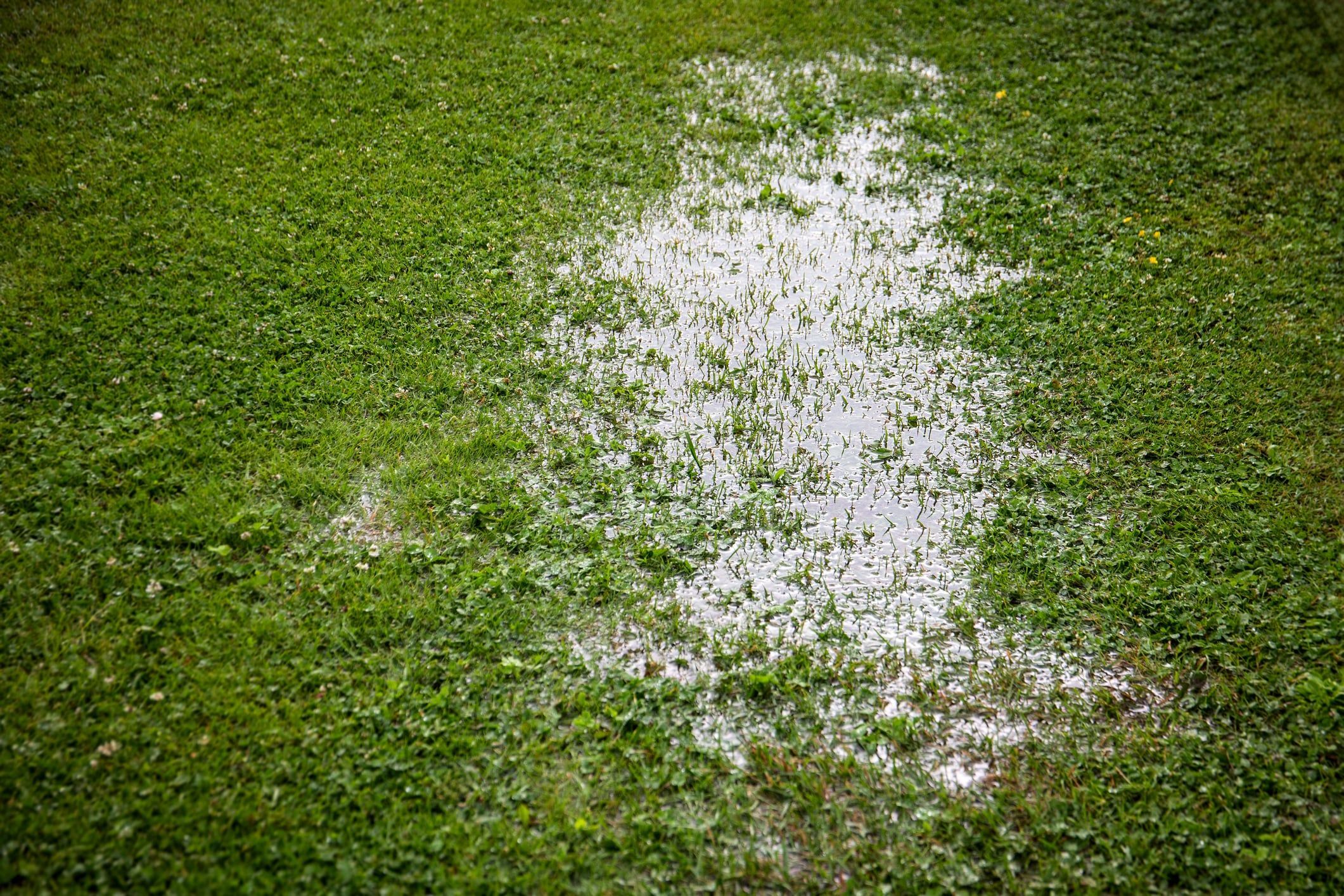
7. Drainage Around Fixtures
This is something most people never consider.
Fixtures sitting in wet soil fail faster.
We often:
- Elevate fixtures slightly
- Improve drainage in key areas
👉 This extends system life significantly
Real DMV Case Study
Home in Bethesda, MD
Problem:
- Multiple lighting failures
- Flickering fixtures
- Inconsistent brightness
Findings:
- Poor connections
- Voltage drop
- Water intrusion
Solution:
- Replaced connectors
- Rebalanced load
- Upgraded key fixtures
Result:
👉 System ran consistently for years with minimal maintenance
Why Cheaper Systems Cost More Over Time
Let’s be honest.
Cheaper systems are appealing because:
- Lower upfront cost
- Quick installation
But over time:
- Repairs add up
- Fixtures fail
- System performance declines
👉 You end up paying more
Cost Comparison
Budget system:
- $1,000 – $3,000 upfront
- High maintenance over time
Professional system:
- $3,000 – $10,000+
- Low long-term cost
What Happens If You Don’t Design for Reliability
If the system isn’t designed properly:
- Failures increase
- Maintenance becomes constant
- Costs rise
Eventually:
👉 Full replacement becomes necessary
How to Know If Your System Is at Risk
Look for:
- Lights failing after rain
- Flickering fixtures
- Dim areas
- Frequent repairs
👉 These are early warning signs
The Right Way to Approach Lighting Design
A proper design includes:
- Load calculation
- Voltage planning
- Fixture selection
- Connection protection
- Layout optimization
Final Thoughts
If you want outdoor lighting that lasts, remember this:
👉 It’s not about how it looks on day one
👉 It’s about how it performs over time
After more than four decades helping homeowners throughout the DMV, I can tell you this:
The best lighting systems aren’t the ones that shine the brightest at installation.
👉 They’re the ones that keep working year after year
And when you design for reliability from the start:
👉 You stop fixing—and start enjoying
Quick Answers
Q: What makes outdoor lighting reliable?
A: Proper design, sealed connections, and balanced electrical load.
Q: Do I need expensive fixtures?
A: Quality matters more than price—durability is key.
Q: Can I fix an existing system?
A: Yes—many systems can be upgraded for long-term performance.