Best Way to Plan Irrigation, Drainage, and Lighting Together
April 29th, 2026
6 min read
By Bob Carr
Most homeowners approach yard projects one problem at a time. The lawn looks dry and patchy, so irrigation moves to the top of the list. The backyard holds water after every storm, so drainage becomes the priority. The patio feels dark at night, so outdoor lighting gets added later.
Each of those instincts makes sense. But there's a bigger question homeowners rarely ask soon enough: what is the best way to plan irrigation, drainage, and lighting together?
After more than 42 years working with homeowners across Maryland, DC, and Northern Virginia, I can tell you the biggest mistakes—and the biggest wasted money—happen when these three systems are planned as separate projects. The best results come when they're planned as one connected system.
That doesn't mean you have to install everything at once. Plenty of homeowners phase the work over several years, and that's perfectly fine. But even a phased project needs a master plan, because your yard doesn't operate in separate categories. Irrigation adds water. Drainage removes water. Lighting depends on stable, dry, usable spaces. Grading, soil, downspouts, planting beds, patios, and walkways all affect one another.
Your Yard Is One System, Not Three
Here's the simplest way to think about it: your yard is a single system. When one part is designed without understanding the others, problems show up later. A few examples we see all the time across the DMV:
- Irrigation can worsen drainage issues if the yard already holds water.
- Drainage lines can interfere with irrigation lines installed without a full plan.
- Lighting wires get damaged when drainage or irrigation is added afterward.
- Fixtures end up placed in wet areas because drainage wasn't considered first.
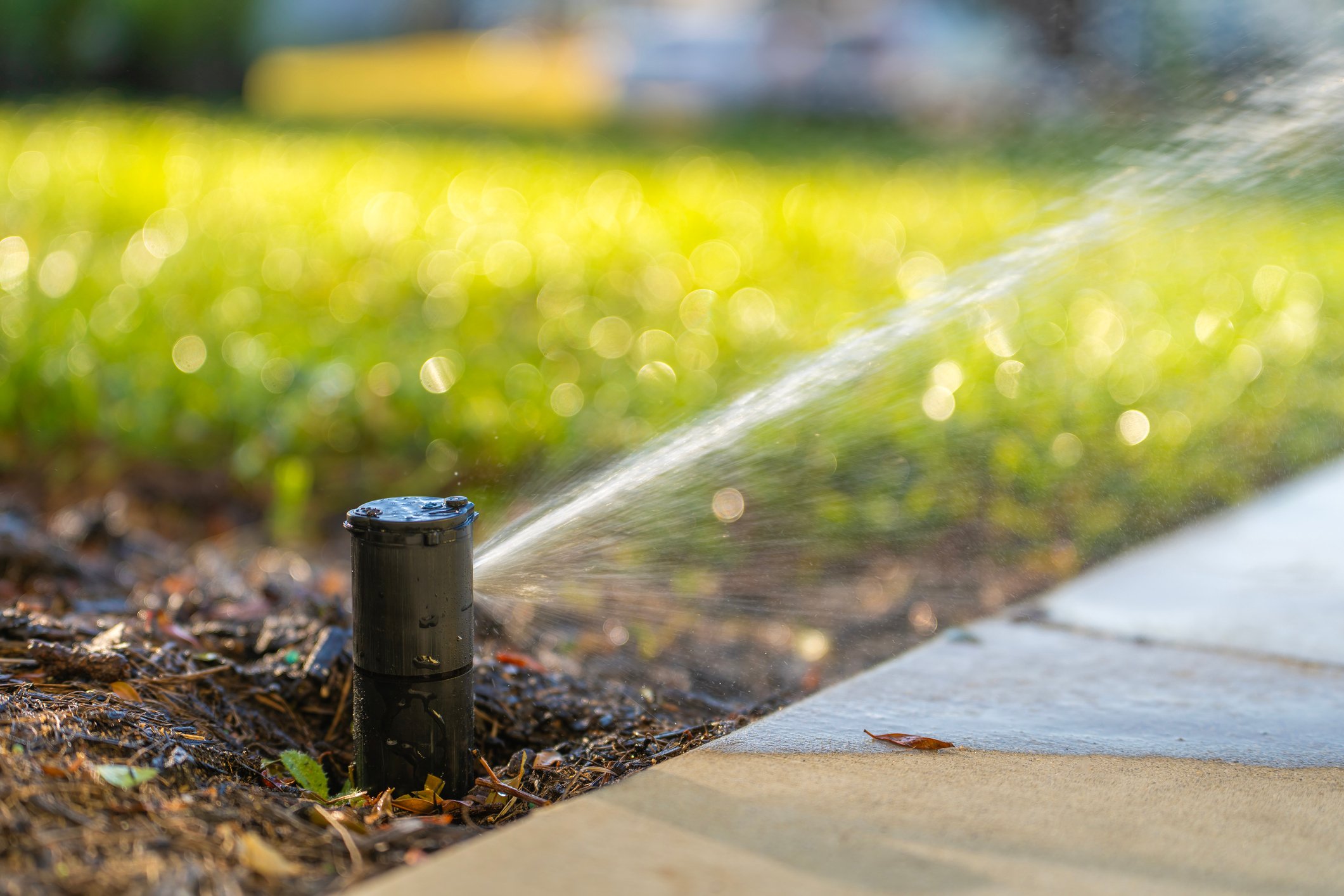
- Sprinkler heads spray lighting fixtures, walkways, or areas that should stay dry.
None of these problems is rare, and nearly all of them are avoidable. They happen because the project was planned in pieces instead of as a whole.
Why Drainage Should Almost Always Come First
When we look at a whole-property plan, drainage is nearly always the starting point—because water controls everything.
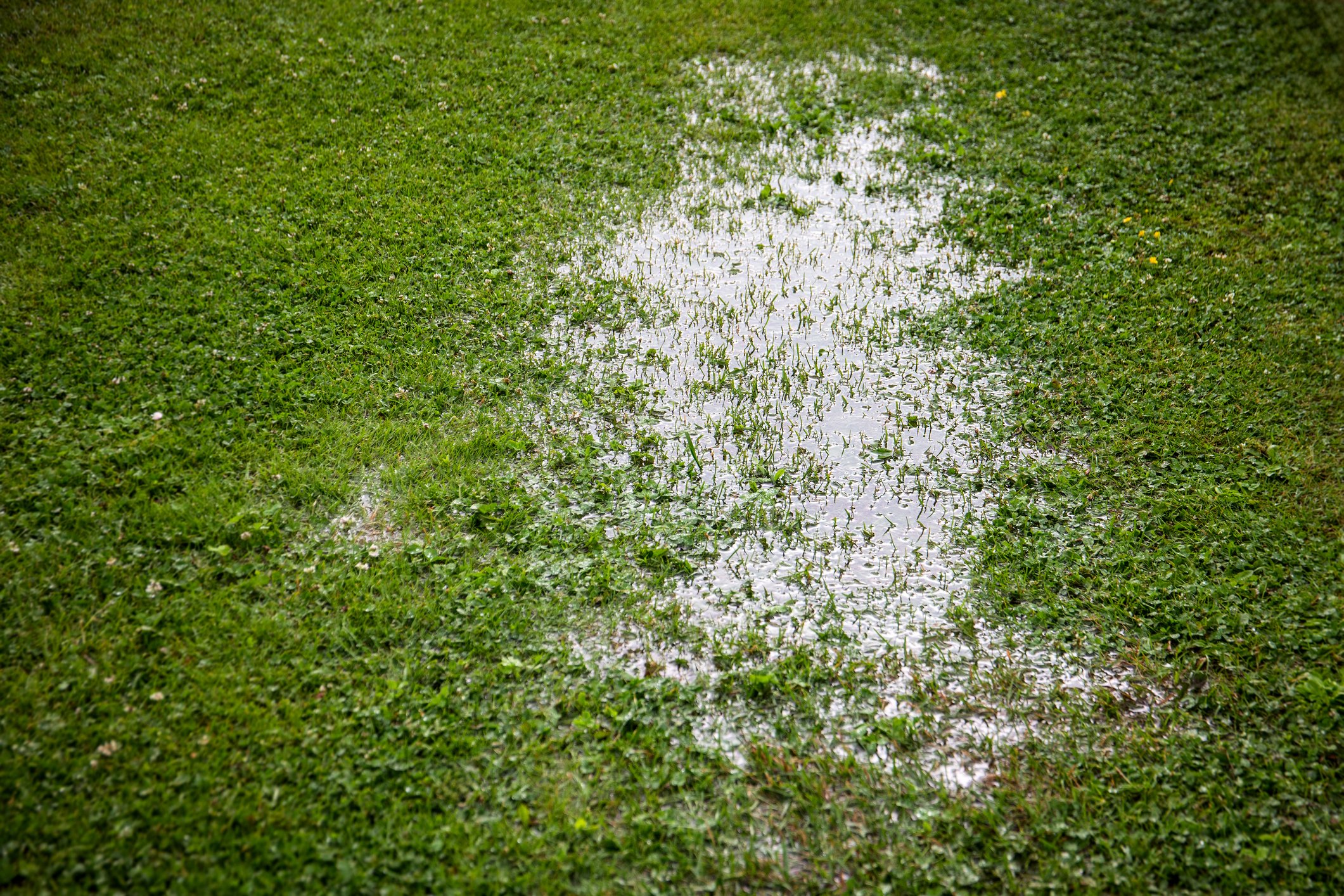
Before you add water through irrigation, you need to understand how water already behaves on the property. Where does rainwater collect? How fast does the yard dry out? Where do the downspouts discharge? Is water moving toward the house, away from it, or across the yard from a neighbor's property? What kind of soil are we working with?
That last question matters a lot here. Across Maryland, DC, and Northern Virginia, we deal with heavy clay soils that hold water far longer than sandy soil. Even a small drainage issue can become a major problem once irrigation is added incorrectly.
If drainage isn't understood first, you can accidentally design an irrigation system that makes an existing water problem worse. So drainage comes first in understanding—even when it isn't first in installation. You need to know how water leaves the property before you design how water gets added to it.
What Goes Wrong When Irrigation Comes Before Drainage
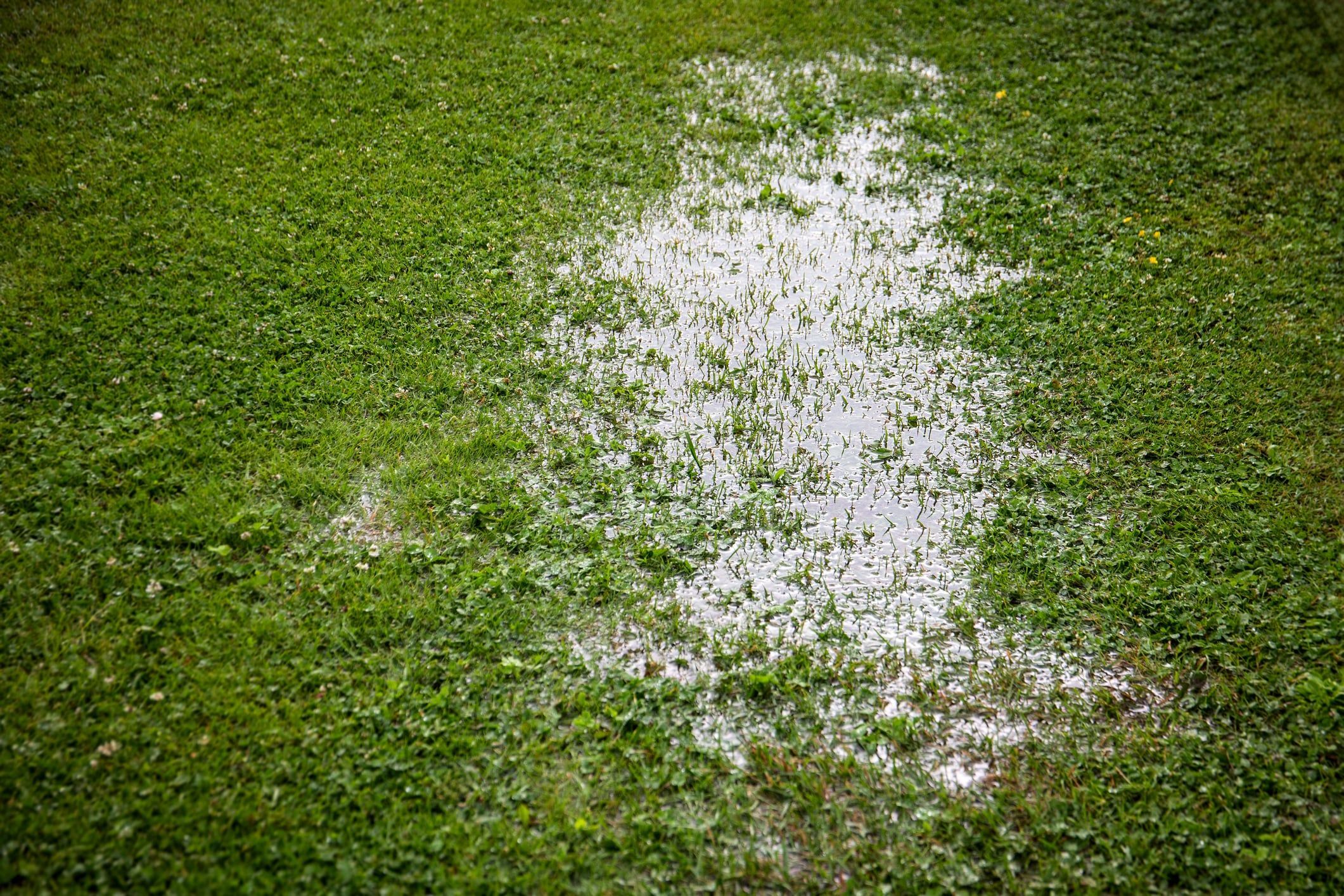
Picture a homeowner who installs irrigation first. The system works, the heads spray, the lawn gets water. A few months later, soft, soggy areas start showing up. At first, they blame overwatering—and sometimes that's true. But often the real issue is that the yard already had poor drainage, and the irrigation system simply exposed it.
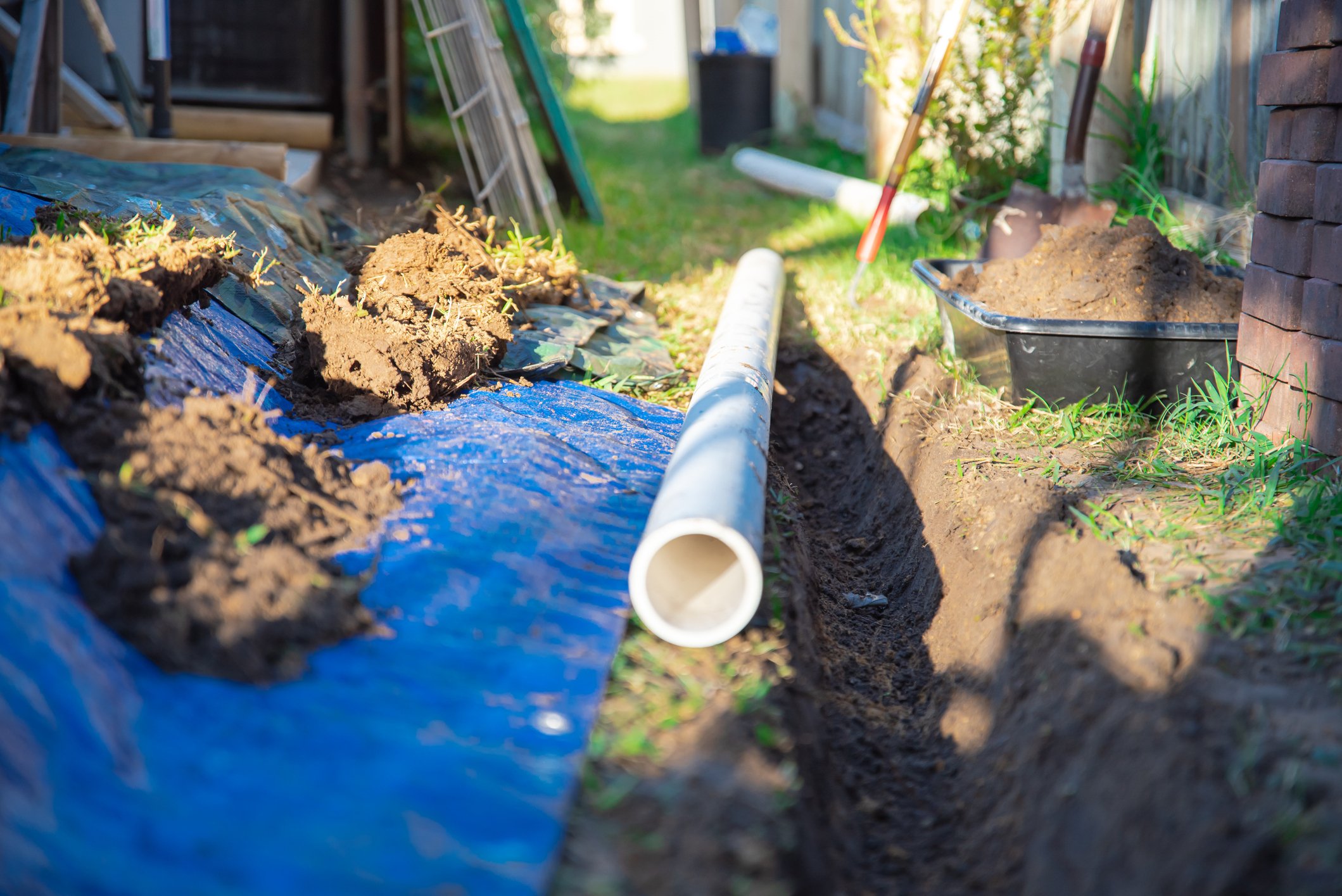
Now there's a new problem, and fixing it means trenching across areas where irrigation lines already exist. That can mean cutting irrigation lines, moving sprinkler heads, reworking zones, and repairing turf twice. That's where projects get expensive. The homeowner didn't do anything wrong by wanting irrigation—the issue was planning it without understanding water movement first.
How Irrigation Should Be Designed Around Drainage
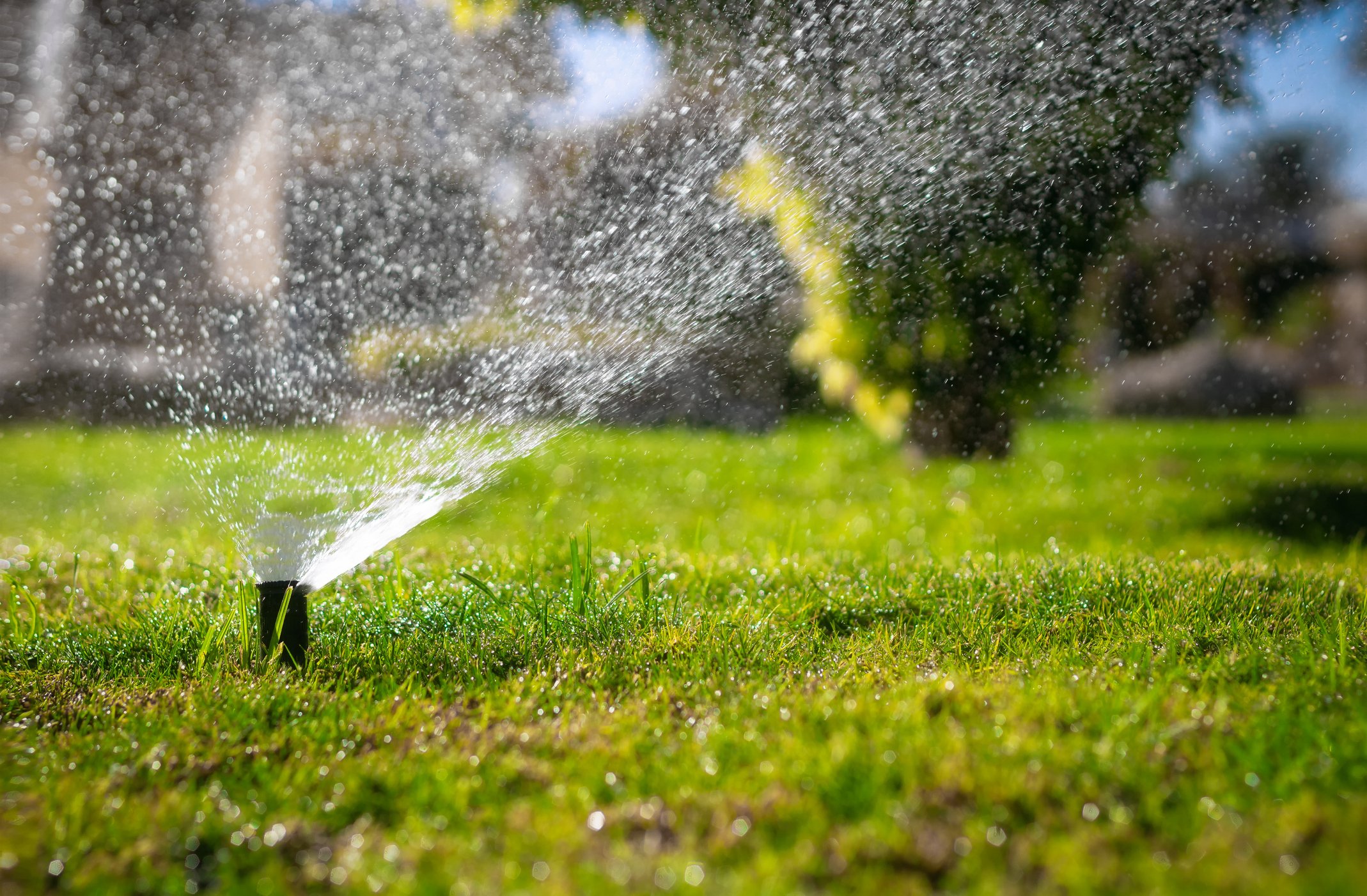
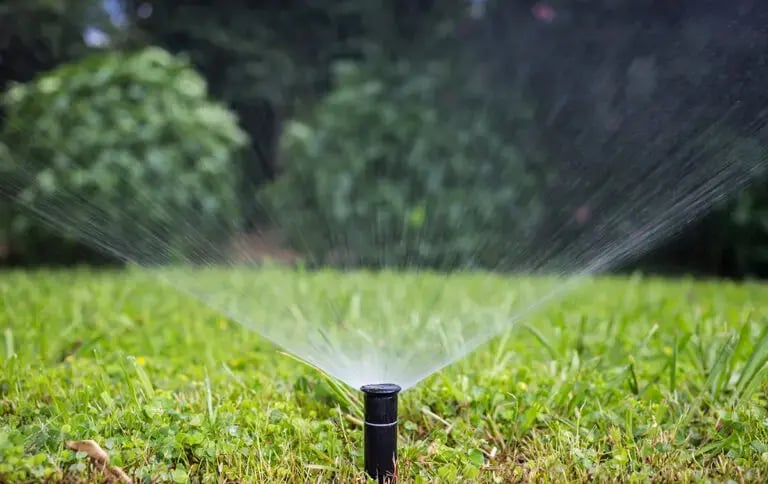
Once drainage is understood, irrigation can be designed far more intelligently. A good system doesn't spray water everywhere evenly and hope for the best—it matches the actual needs of the property, accounting for sun exposure, soil conditions, plant types, slopes, drainage patterns, and areas that stay wet or dry out faster.
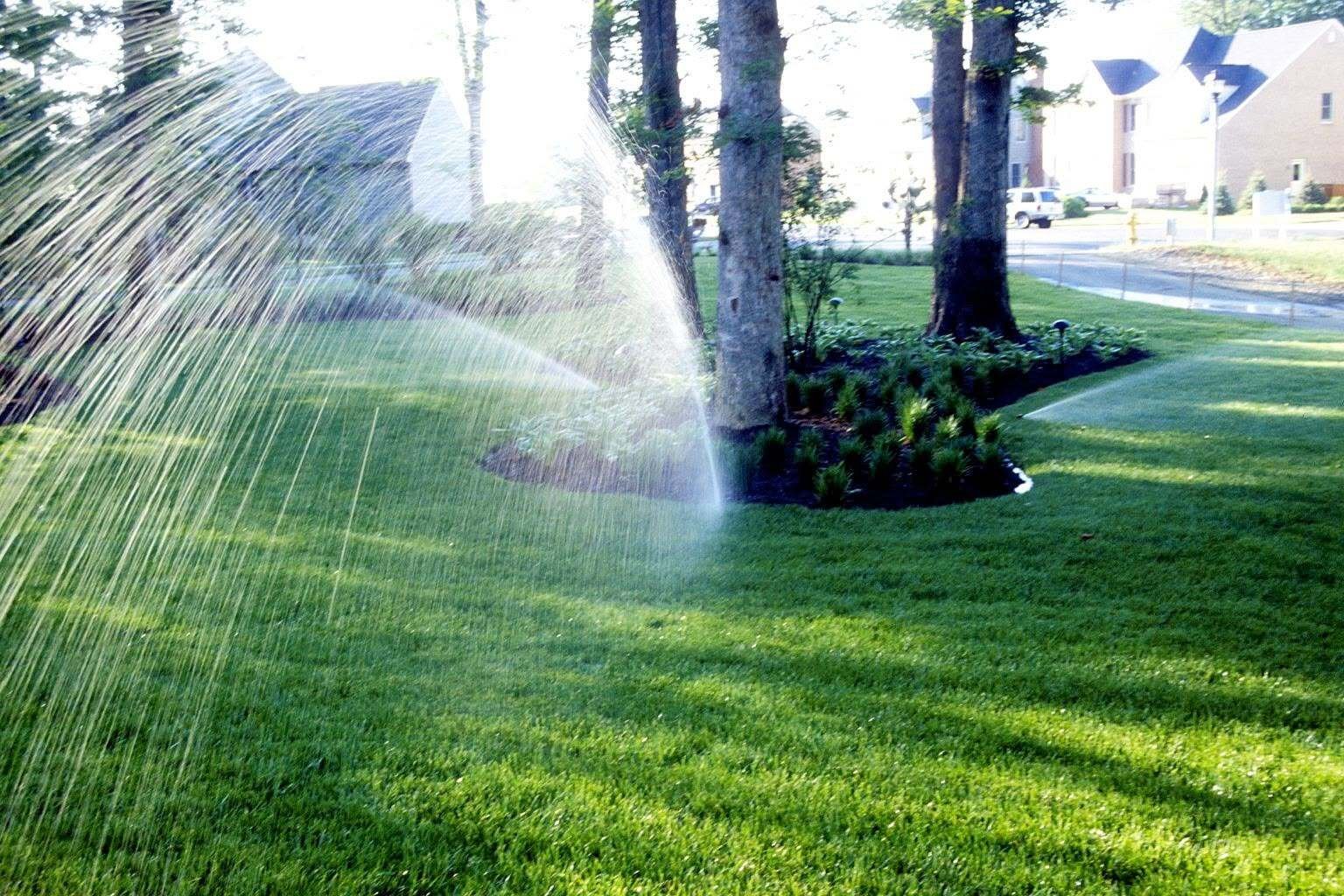
A sunny front lawn needs a different schedule than a shaded backyard. A slope needs shorter run times to prevent runoff. A low area needs less water because it already stays wet longer. Skip that coordination and you get dry spots in some areas, overwatering in others, runoff across walkways, water pooling near the foundation, higher water bills, and lawn disease from excess moisture. The goal isn't just to install sprinklers—it's to deliver the right amount of water to the right areas at the right time without creating new problems.
Where Outdoor Lighting Fits In
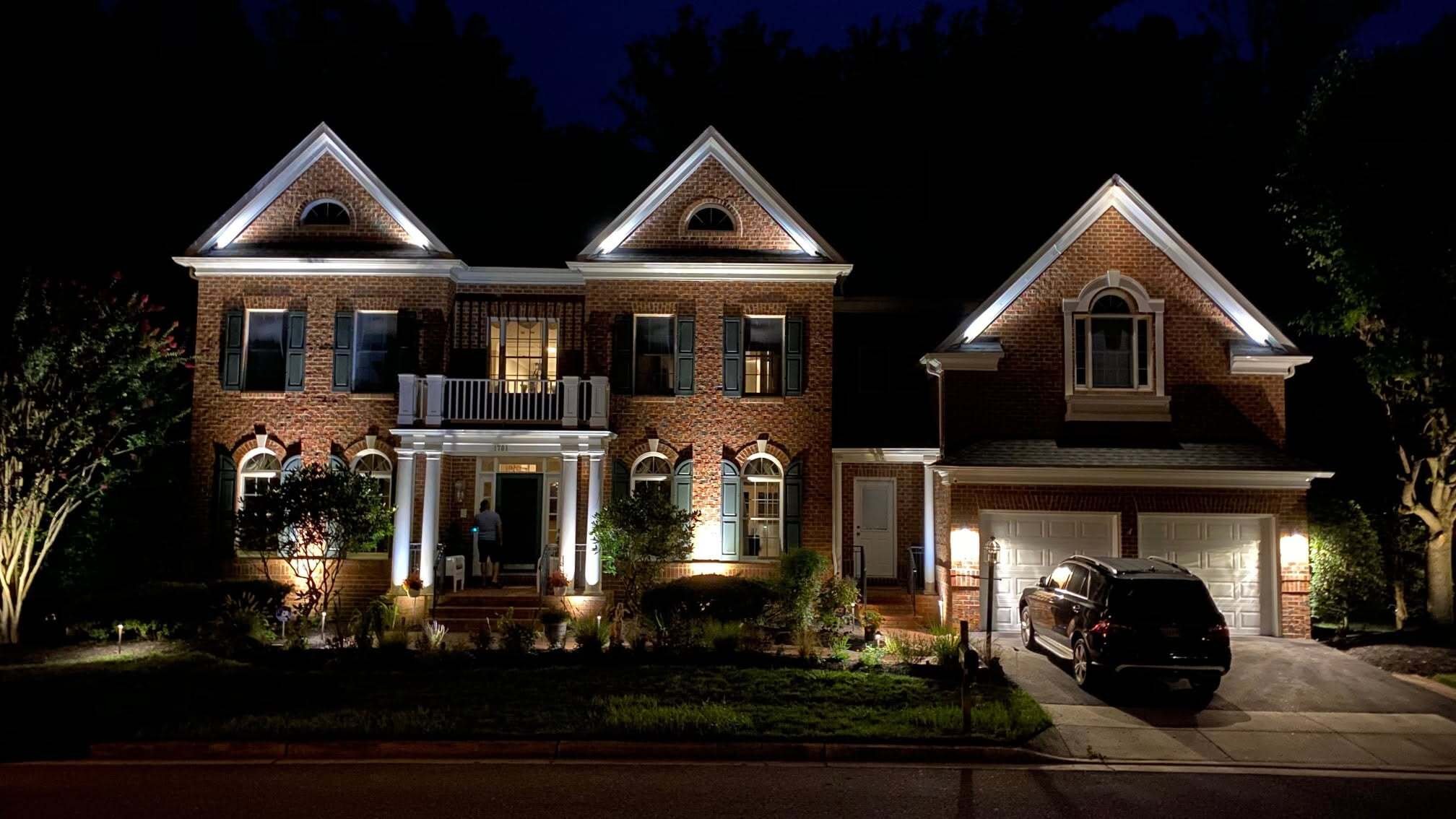
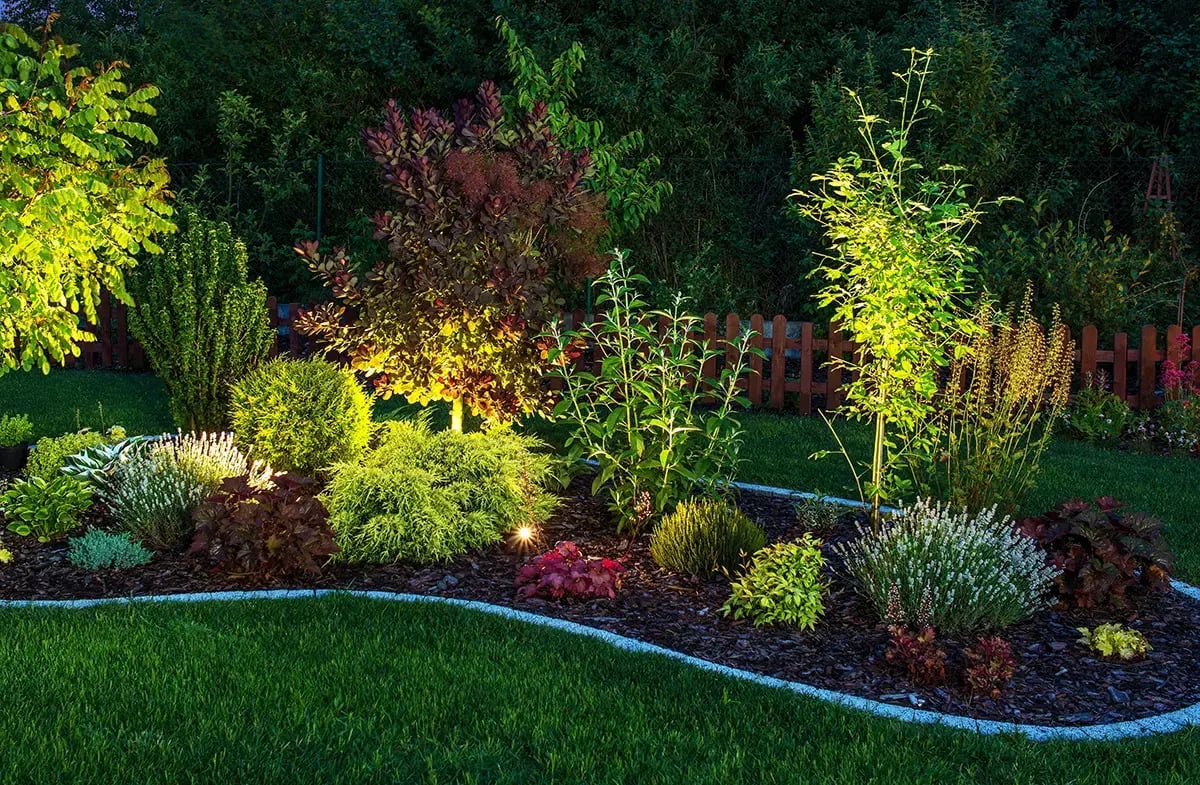
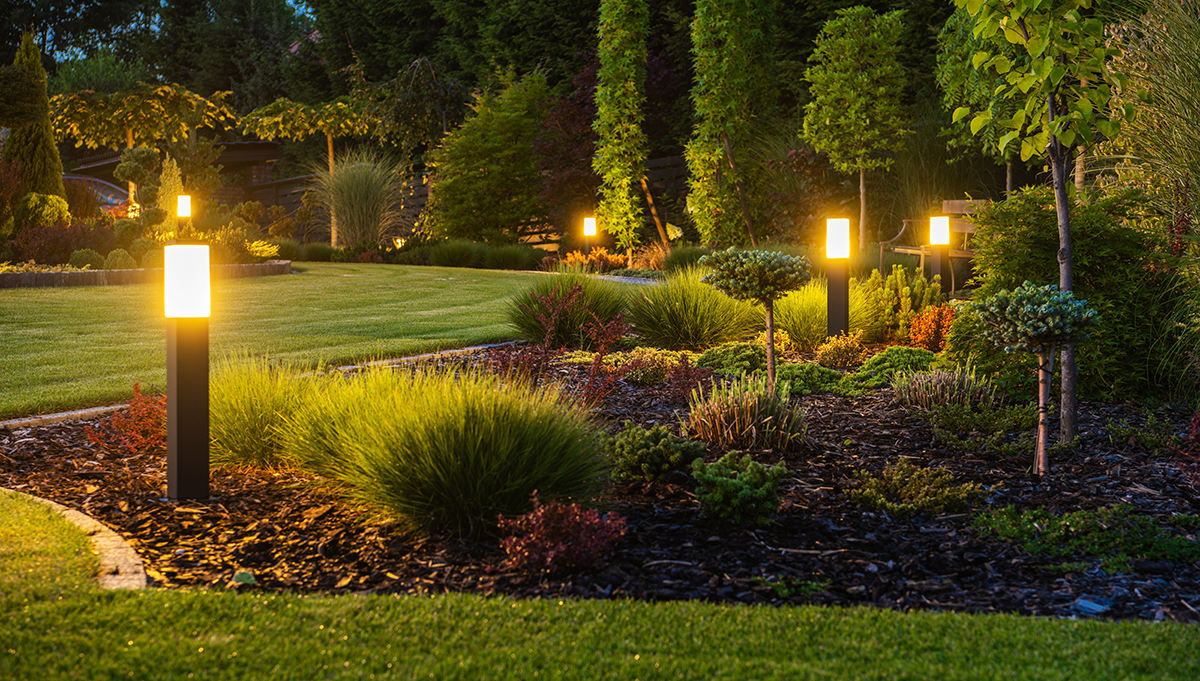
Outdoor lighting is usually the last thing homeowners think about, and I understand why—drainage and irrigation feel urgent, while lighting feels like the finishing touch. But from a planning standpoint, lighting should be considered early, because it still requires infrastructure: wiring, fixtures, transformers, and thoughtful placement around patios, walkways, trees, beds, and structures.
If lighting isn't planned until after irrigation and drainage go in, you may end up trenching through finished work and hitting drainage pipes, irrigation lines, valve boxes, sprinkler heads, or hardscape edges. Even when lighting is installed last, it belongs in the master plan early so that wire routes, fixture locations, and access points are accounted for before the yard is finished.
The Cost Difference: A Real DMV Comparison
Let me show you the difference in real numbers.
The expensive way. A Bethesda homeowner improved their backyard over three years. Year one, irrigation: about $6,500. The lawn improved, but water issues remained during heavy rain. Year two, drainage: about $8,000—plus roughly $2,500 in rework because irrigation lines had to be moved and heads adjusted. Year three, lighting: about $4,200, again disturbing finished areas that weren't planned around. Total: about $21,200.
Had all three systems been planned together up front, that project likely would have landed closer to $13,500 to $15,000—a difference of roughly $6,000 to $8,000. The expensive part wasn't the systems themselves. It was doing the work out of order without a master plan.
The smarter way. A Northern Virginia homeowner called before starting. They wanted better drainage, irrigation, and lighting but weren't sure they could afford it all at once. We evaluated the property and mapped water flow, downspout locations, low spots, planting beds, future lawn areas, patios, walkways, and desired lighting zones—then built one coordinated plan phased as drainage, then irrigation, then lighting. Nothing was installed the same day, but everything was designed together. The result: no major rework, no conflicting lines, no tearing up completed areas, and better performance across the whole property.
Yes, You Can Phase the Work
Planning everything together does not mean paying for everything at once. Many homeowners phase projects for budget reasons, and that's completely reasonable. The key is that phasing should flow from a master plan. A smart sequence usually looks like this:
- Phase 1: Drainage and grading corrections
- Phase 2: Irrigation installation or upgrades
- Phase 3: Outdoor lighting installation
- Phase 4: Final landscaping and enhancements
Planned this way, each phase supports the next. You avoid installing something today that has to be removed tomorrow, and you never pay twice for the same ground.
Separate Planning vs. Integrated Planning
Every property is different, but here's a realistic way to think about DMV costs. Planned separately, you might see irrigation at $5,000–$12,000+, drainage at $5,000–$15,000+, lighting at $3,000–$8,000+, plus $2,000–$10,000+ in rework and conflicts—easily pushing a property into the $15,000–$30,000+ range once mistakes are corrected.
With integrated planning, you still invest in all three systems, but you coordinate trenching, protect existing lines, avoid duplicate labor, and install in the right order. In many cases, smart planning saves 20% to 40% compared to doing everything separately and fixing mistakes later. The exact number depends on the property, but the principle holds: the better the plan, the less waste you create.
The Right Order for Planning
After four-plus decades doing this work, here's the thought process I recommend:
- Understand drainage. Where does water come from, where does it go, and what needs correcting?
- Design irrigation. How much water does each area actually need, and how do you support the landscape without runoff or soggy spots?
- Plan lighting. Where do people walk, what should be highlighted, and where can fixtures and wiring go without conflicting with water systems?
- Coordinate installation. What goes first, what can wait, and what infrastructure should be placed now to make future phases easier?
A strong master plan should include a property walk-through, drainage evaluation, water-flow mapping, irrigation zone planning, lighting layout, utility and line coordination, phasing recommendations, and clear budget expectations. The homeowner should understand not just what is being installed, but why it's being installed in that order.
The Bottom Line
The biggest mistake isn't choosing irrigation, drainage, or lighting—all three are good investments when done right. The mistake is treating them as unrelated projects, which leads to duplicate digging, damaged lines, conflicting designs, and higher labor costs. You don't just pay for installation; you pay for rework and poor sequencing.
When these systems are planned together, you get better lawn health, better water control, safer nighttime spaces, stronger curb appeal, fewer repairs, and a cleaner finished property. You don't have to do everything immediately—but you should know where everything is going before the first shovel hits the ground.
If you're planning a whole-property project across Maryland, DC, or Northern Virginia, contact TLC to start with a coordinated master plan.
Frequently Asked Questions
Should irrigation, drainage, and lighting be planned together? Yes. Even if you install them in phases, they should be designed as one connected plan.
Which should come first? Drainage should usually be understood first, because water movement affects everything else.
Can I install one system now and the others later? Yes—as long as a master plan is guiding the future work.
What is the biggest mistake homeowners make? Treating irrigation, drainage, and lighting as separate projects instead of one connected system.
Does planning together actually save money? In many cases, yes. It helps you avoid rework, damaged lines, duplicate trenching, and poor sequencing—often 20% to 40% versus doing everything separately.
Bob Carr is the founder and president of TLC Incorporated, which he started in 1981 as a small residential lawn sprinkler and irrigation business in Maryland. Over four decades later, he leads a team of specialists serving the Mid-Atlantic region with lawn irrigation, outdoor and holiday lighting, and yard drainage solutions. Bob's approach is built on transparent pricing, quality installation, and treating every customer with respect.