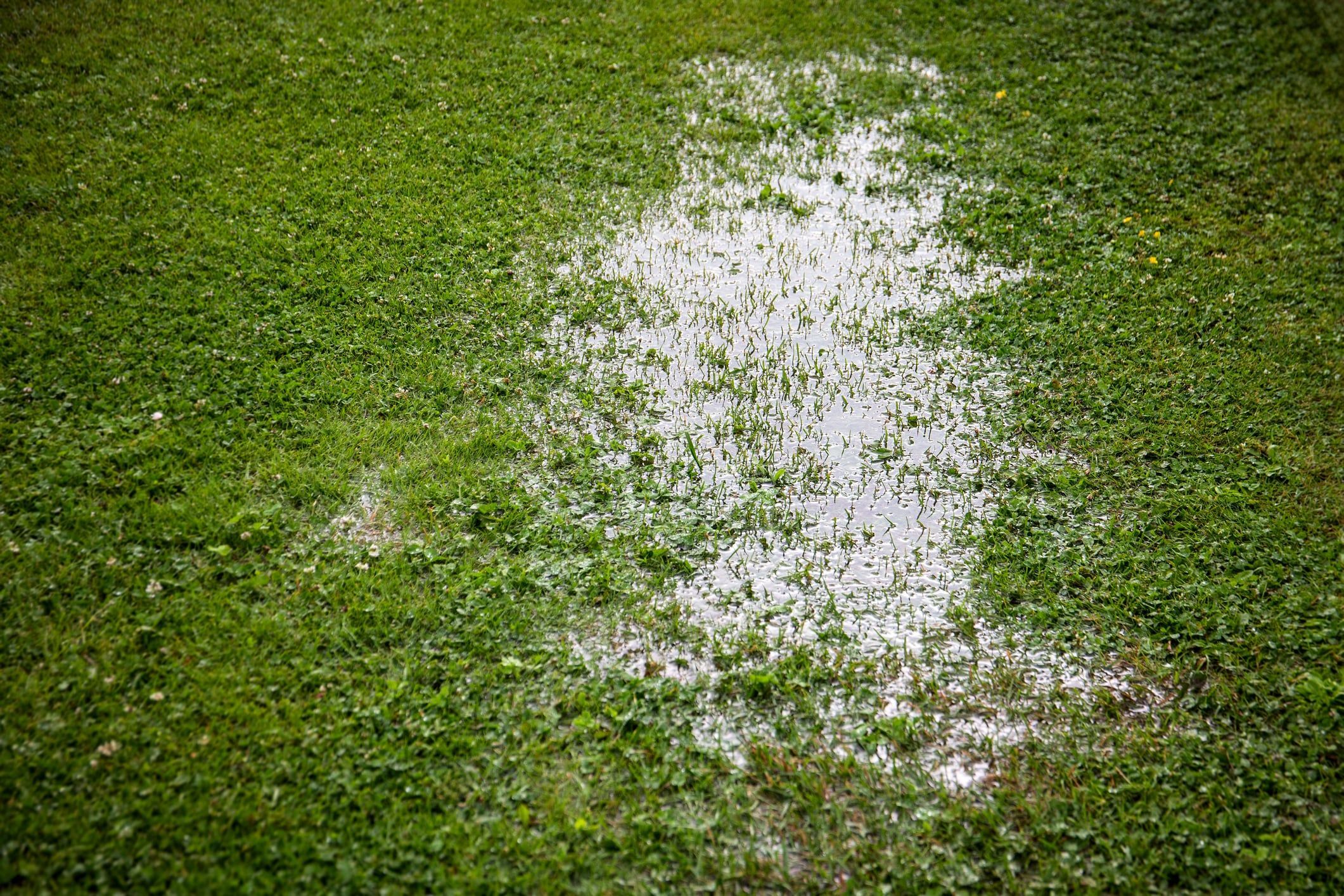
If you’re dealing with water problems around your home—whether it’s a wet yard, pooling water, or moisture near your foundation—you’ve probably heard two terms:
👉 French drain
👉 Curtain drain
And if you’re like most homeowners, you’re asking:
“Aren’t they the same thing?”
Short answer?
👉 No.
They’re similar. They’re often confused. And yes, both are designed to move water away from your home.
But they are NOT the same system—and choosing the wrong one can cost you time, money, and frustration.
After 42 years working on drainage issues across Maryland, DC, and Northern Virginia, I’m going to break this down the way I would if we were standing in your yard together.
No fluff. No jargon. Just the truth.
First, What Problem Are We Actually Solving?
Before we compare drains, we need to understand something important:
👉 Not all water problems are the same.
There are generally two types we deal with:
- Surface water problems (water moving across your yard)
- Groundwater problems (water building up underground)
French drains and curtain drains are designed to handle these differently.
That’s where the confusion starts.
What Is a French Drain?
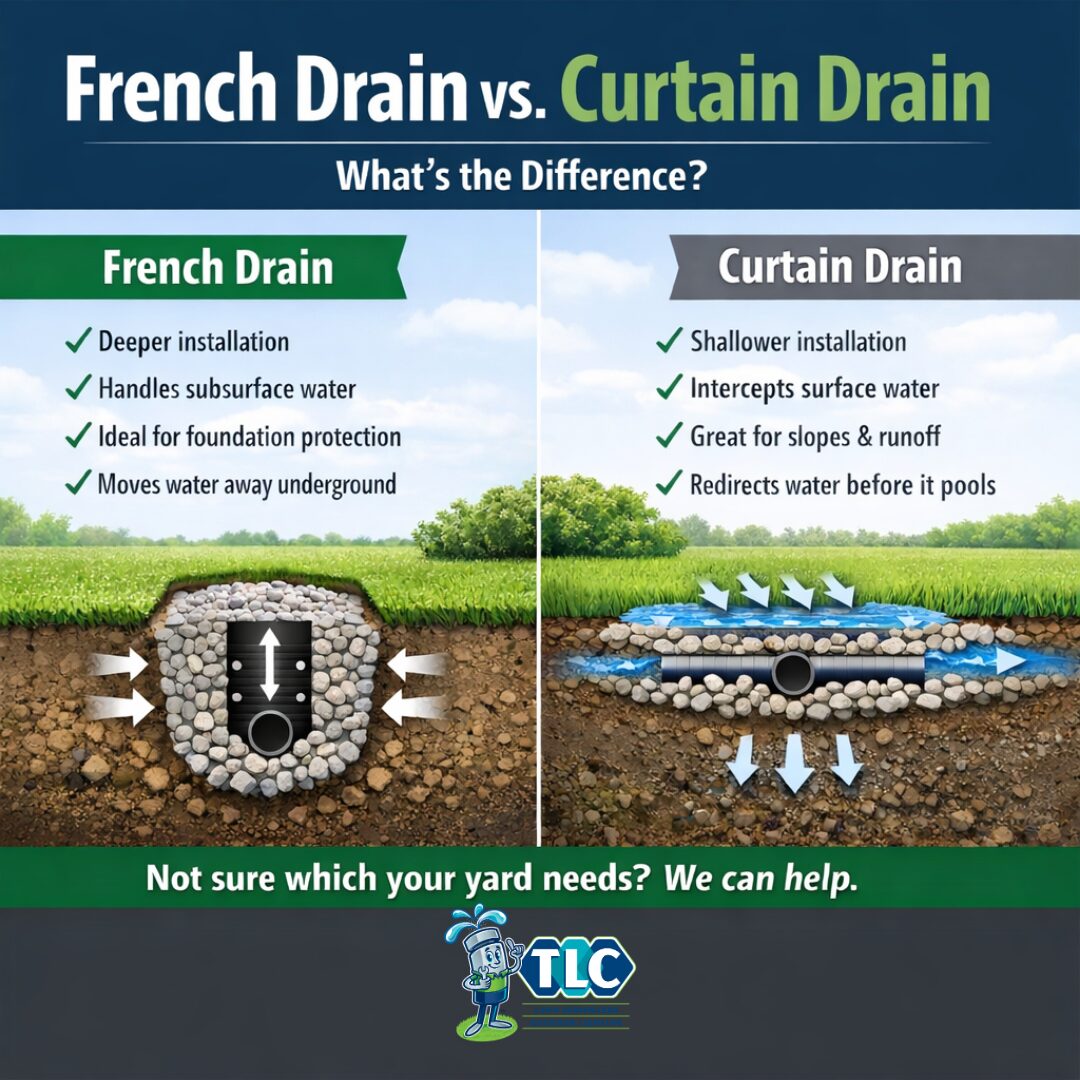
A French drain is designed to:
👉 Relieve water that has already built up underground.
It’s typically installed: – Deeper in the ground – Near foundations or basements – In areas where water collects below the surface
How a French Drain Works
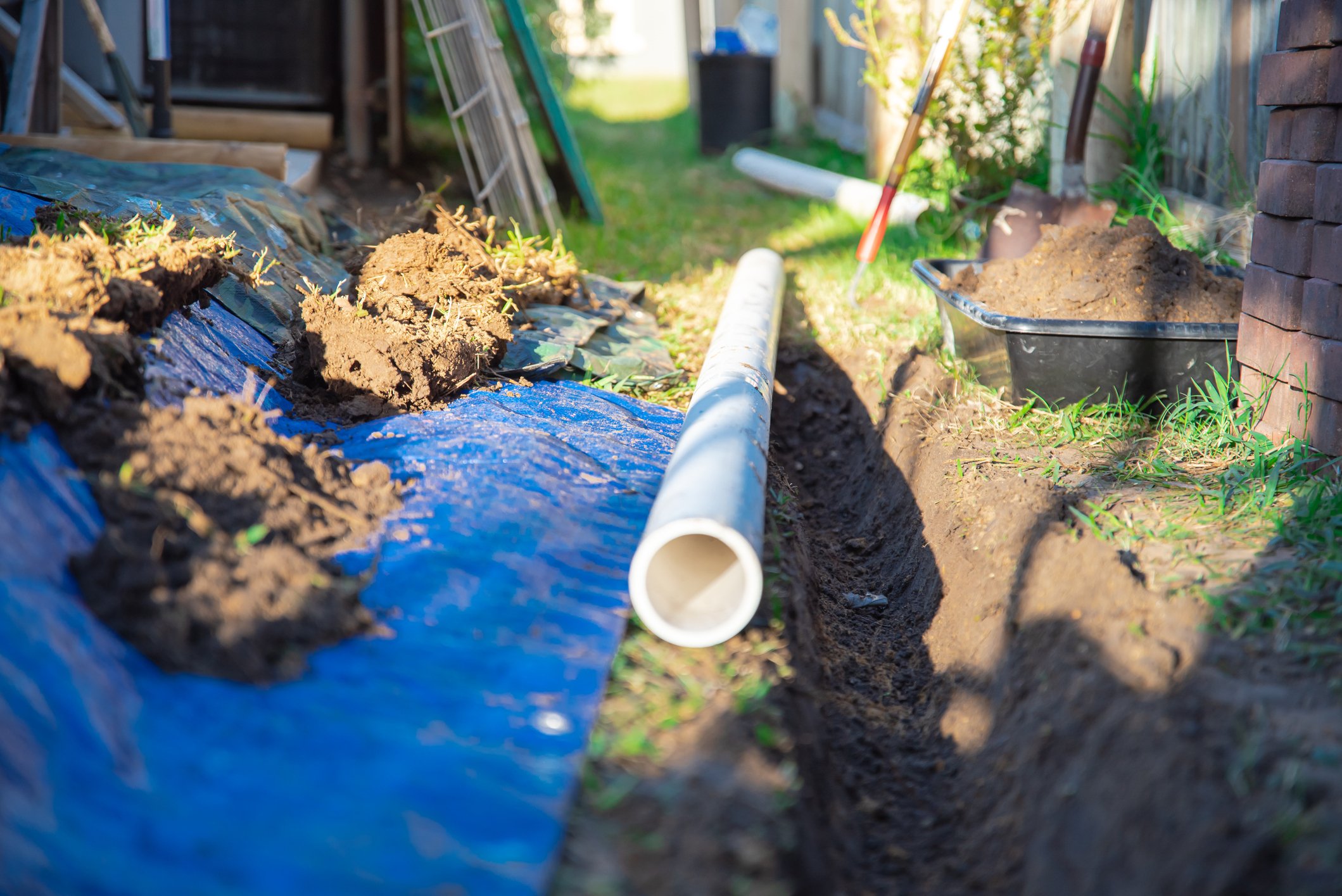
A typical French drain includes: – A perforated pipe – Gravel surrounding the pipe – Fabric to prevent clogging
Water enters the system underground, flows into the pipe, and is redirected away from your home.
When You Need a French Drain
You’re likely dealing with a French drain situation if you have:
- Water in your basement
- Hydrostatic pressure against foundation walls
- Constant damp soil near the foundation
- Crawl space moisture issues
👉 This is about removing water after it’s already there.
Real Case (DC Rowhome)
We worked on a property in DC where the homeowner had recurring basement moisture.
Problem: 👉 Water pressure building up underground
Solution: 👉 Installed a French drain system along the foundation
Result: 👉 Dry basement, long-term fix
What Is a Curtain Drain?
A curtain drain is designed to:
👉 Stop water before it ever reaches your home.
It’s typically installed: – Shallower than a French drain – Upslope from your home – Between the water source and the structure
How a Curtain Drain Works
A curtain drain intercepts surface and shallow subsurface water.
Instead of waiting for water to build up: 👉 It redirects it early
Think of it like a defensive system.
When You Need a Curtain Drain
You’re likely dealing with a curtain drain situation if you have:
- Water flowing toward your home from a slope
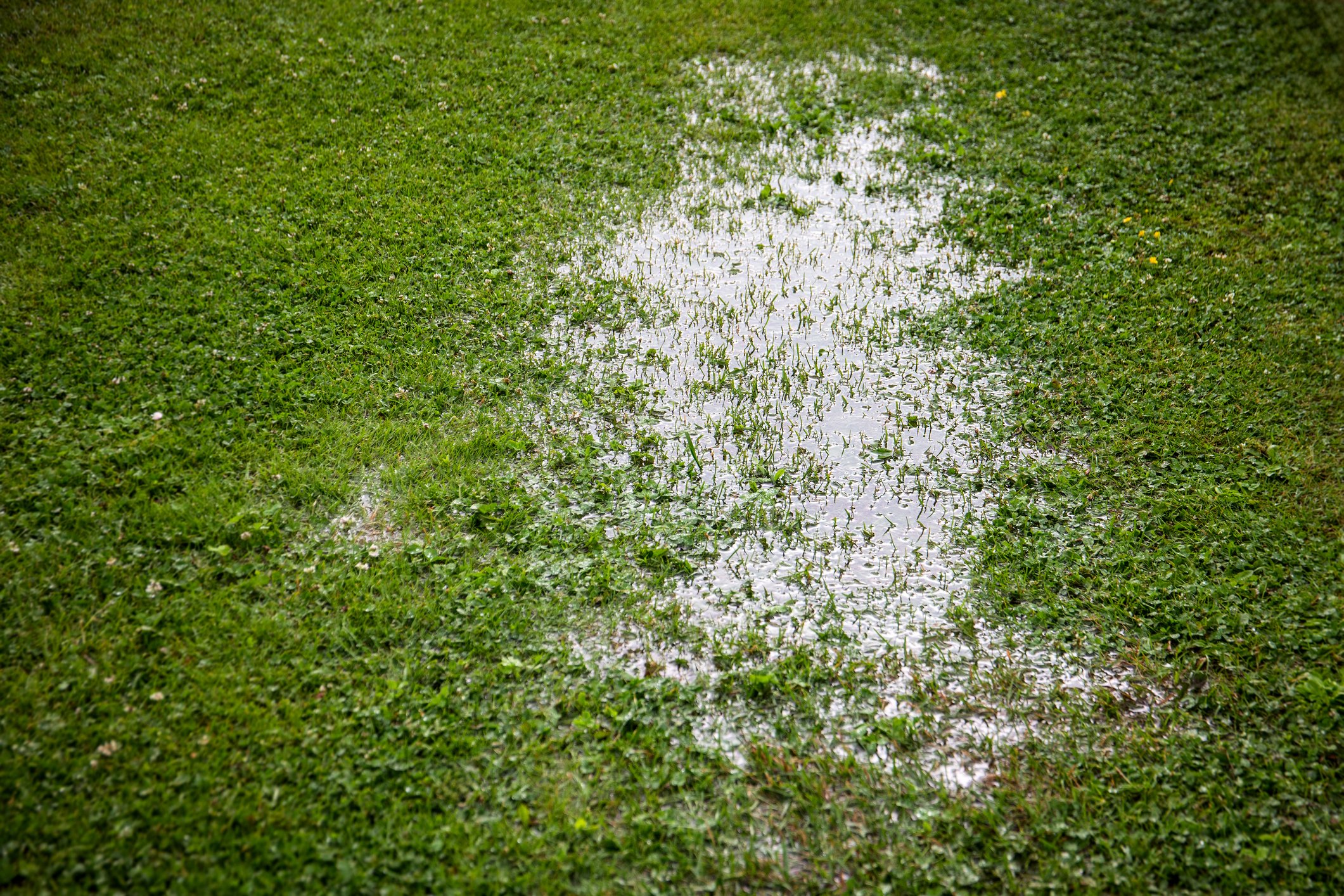
- Yard flooding after rain
- Neighbor runoff issues
- Surface water pooling
👉 This is about preventing the problem before it starts.
Real Case (Northern VA Property)
A homeowner had water flowing from the neighbor’s yard toward their foundation.
Problem: 👉 Surface runoff
Solution: 👉 Installed a curtain drain uphill
Result: 👉 Water redirected before it reached the home
The Key Difference (Simple Explanation)
If you remember nothing else, remember this:
👉 French drain = handles water AFTER it arrives
👉 Curtain drain = stops water BEFORE it arrives
That’s the difference.
Depth Comparison
- French drain: deeper (often foundation level)
- Curtain drain: shallow (closer to surface)
Depth matters because it determines what kind of water the system handles.
Installation Location
- French drain: next to foundation
- Curtain drain: away from foundation (upslope)
This is one of the biggest mistakes homeowners make.
👉 Installing the wrong system in the wrong location.
Cost Considerations
Let’s talk honestly about cost.
French Drain
Typically: 👉 Higher cost
Why? – Deeper excavation – More labor – More materials
Curtain Drain
Typically: 👉 Lower cost
Why? – Shallower installation – Simpler system
Important Note
👉 The wrong system—no matter the cost—is the expensive one.
Common Mistakes We See
1. Installing a French drain when a curtain drain is needed
Result: 👉 Water still reaches the home
2. Installing a curtain drain when groundwater is the issue
Result: 👉 Basement still gets water
3. Not addressing grading and drainage first
Result: 👉 System works harder than it should
FAQs Homeowners Ask Me
“Which one is better?”
Neither. It depends on your problem.
“Can I install both?”
Yes—and sometimes that’s the right solution.
“How do I know what I need?”
You need a proper drainage evaluation.
“Will this fix my water problem permanently?”
If designed correctly—yes.
The Bottom Line
After 42 years, I can tell you this:
👉 Most drainage problems are misdiagnosed.
And when that happens, the wrong system gets installed.
French drains and curtain drains both work—but only when they’re used correctly.
Final Thoughts from Bob Carr
If you’re dealing with water around your home, don’t guess.
Don’t assume one system is better than the other.
👉 The right solution depends on where the water is coming from and how it’s moving.
Get that part right—and everything else falls into place.
Want an Honest Answer?
If you’re in Maryland, DC, or Northern Virginia and dealing with drainage issues—
We’ll take a look.
No pressure. No upsell.
Just a clear answer so you can make the right decision.
Bob Carr
TLC Incorporated
Serving the DMV for over 42 years
Topics: