
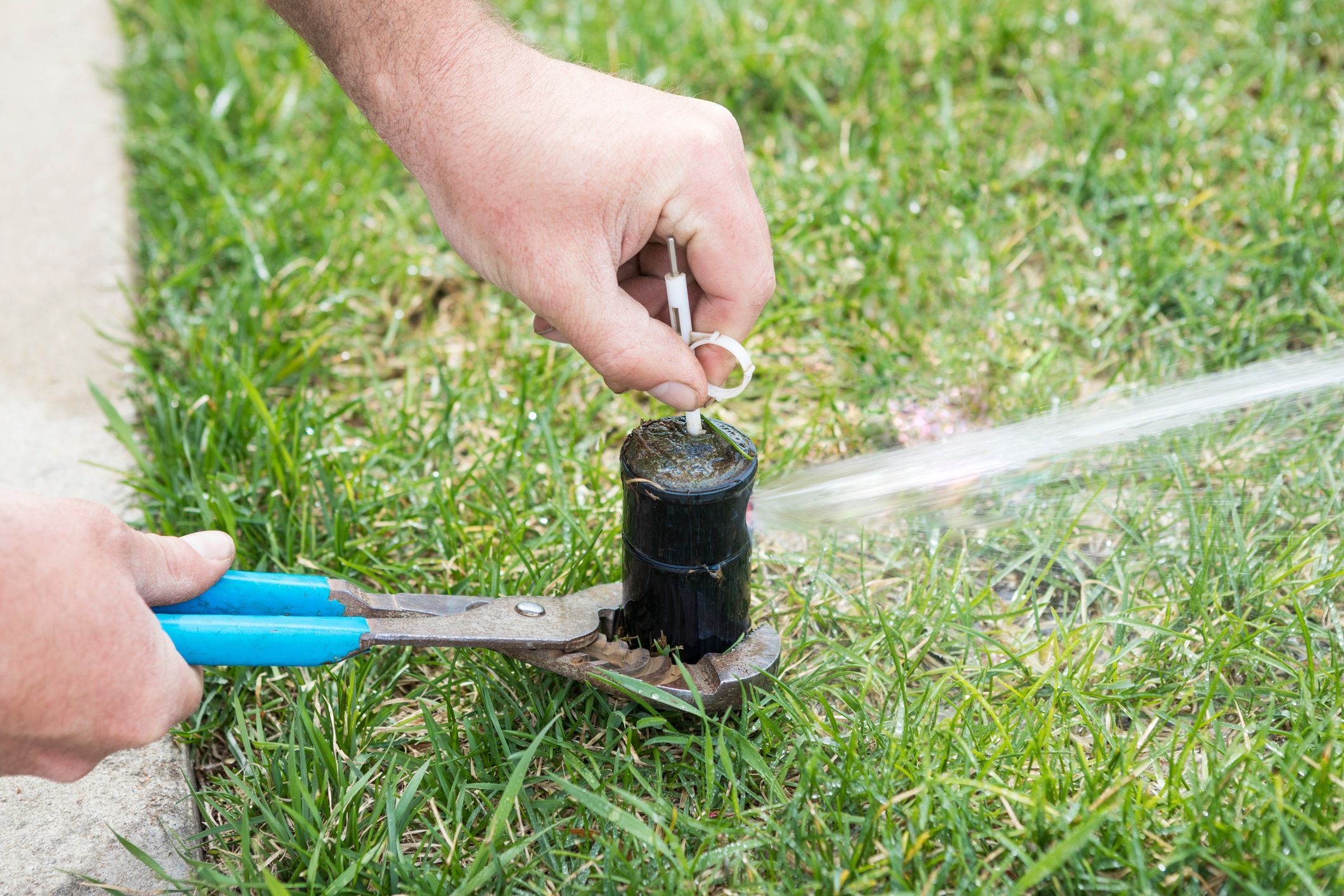
You've spent the whole growing season keeping your lawn green across Maryland, DC, or Northern Virginia. Now fall is closing in, and there's one task that can't wait: getting your sprinkler system winterized before the first hard freeze.
At TLC, we've winterized thousands of irrigation systems since the 1980s. The homeowners who schedule early are the ones who avoid cracked pipes and expensive spring repairs.
This guide walks you through exactly how to schedule your lawn sprinkler winterization at the right time, so your system is protected well before freezing temperatures arrive.
Quick Guide: How to Schedule Sprinkler Winterization in 7 Easy Steps
- Check Your Local First Freeze Dates: Look up average freeze dates for your specific county to set a scheduling deadline.
- Monitor Soil Temperature and Nighttime Lows: Watch for consistent overnight temps below 40°F and soil below 58°F as your signal.
- Decide Between DIY and Professional Service: Weigh the equipment costs and risks of a DIY blowout against professional winterization.
- Book Your Winterization Appointment Early: Contact a local irrigation company in September or early October before schedules fill up.
- Prepare Your System for the Technician Visit: Clear access to your backflow preventer, controller, and shut-off valve ahead of time.
- Confirm the Blowout and Post-Service Inspection: Verify that every zone was cleared with compressed air and above-ground parts are drained.
- Schedule Your Spring Startup: Book a spring activation visit so your system gets a full zone check before watering season begins.
How to Schedule Your Sprinkler Winterization Before the First Freeze
1. Check Your Local First Freeze Dates
Freeze timing varies widely across our region. According to University of Maryland Extension data, Frederick County typically sees its first 32°F reading around October 30. The DC metro near Reagan National averages closer to November 17.
Dulles Airport in Northern Virginia logs its first freeze around October 19 on average. Those differences matter because your scheduling deadline depends on your specific location, not a blanket date for the whole region.
A homeowner in Loudoun County and a homeowner in Annapolis are on different clocks. Look up your county's average first freeze date and work backward from there.
2. Monitor Soil Temperature and Nighttime Lows
The calendar gives you a range, but your lawn and the thermometer give you the real answer. When you've been maintaining sprinkler systems in Maryland for more than four decades like we have here at TLC, you start to see certain patterns.
Grass roots keep growing as long as soil temperature stays at or above 58°F. Your lawn still benefits from irrigation during early fall while the soil is warm.
Once overnight air temperatures drop consistently below 40°F, your watering season is essentially over. That's your cue to get the winterization scheduled and completed. Waiting for the actual freeze means you've already gambled with your pipes, valves, and backflow preventer.
3. Decide Between DIY and Professional Service
A proper winterization requires blowing compressed air through every zone of your irrigation system to push out trapped water. You'll need a compressor rated for at least 50 CFM at the right PSI for your pipe type.
Most homeowner-grade compressors top out around 5 CFM. That means you'd need to rent commercial equipment to handle the job properly.
Too much pressure can crack fittings or blow nozzles off heads. Too little leaves water sitting in low spots. A professional irrigation winterization service uses calibrated, high-volume compressors and checks every zone until only dry air exits the heads.
In our experience, homeowners who attempt a DIY blowout with undersized equipment are the ones we see most often in spring with cracked valves or split pipe.
4. Book Your Winterization Appointment Early
Book in September or early October. Every irrigation company in the Mid-Atlantic gets slammed once temperatures start dropping. By mid-October, the best time slots are often gone.
TLC winterizes thousands of systems every fall across Maryland, DC, and Northern Virginia. We start scheduling appointments as early as late August, and homeowners who get on the calendar first have the most flexibility.
If you're a member of TLC's membership program, your winterization visit is built into your annual service plan. Timing is one less thing to worry about.
5. Prepare Your System for the Technician Visit
A little preparation on your end makes the appointment faster and more thorough. Before the technician arrives, locate and clear access to three things: your irrigation shut-off valve, your backflow preventer, and your controller.
Move any garden furniture, mulch bags, or plant pots that might block the backflow preventer. If your shut-off valve is inside a basement or utility room, make sure the technician can reach it.
Know how many zones your system has. This helps the crew plan the blowout sequence and finish the job efficiently.
6. Confirm the Blowout and Post-Service Inspection
After the blowout, a thorough technician should walk you through what was done. Every zone needs to be cleared individually with compressed air until only dry air exits the sprinkler heads.
The backflow preventer should be fully drained, and the ball valves left half-open to prevent trapped moisture from freezing over winter.
Ask whether the technician noticed anything that needs attention, like a worn valve diaphragm or a head that wasn't retracting properly. Catching these issues now means you can plan irrigation repairs before spring.
7. Schedule Your Spring Startup
Winterization is half the job. The other half is making sure your system comes back online correctly in the spring. A proper startup includes reopening the main water supply, running each zone, and reprogramming your controller.
Many homeowners wait until April or May to think about startup, then discover freeze damage they didn't know about. Scheduling your spring visit when you book your winterization gives you priority on the calendar.
TLC offers paired winterization and spring startup services so you're covered on both ends of the season.
What Happens if You Skip Sprinkler Winterization?
Water expands by roughly 9% when it freezes. Inside a sealed irrigation pipe, that expansion generates enough force to crack PVC, split poly pipe, and destroy brass fittings inside a backflow preventer.
The damage doesn't announce itself in November. It waits until you turn the system on in April and water starts pooling in your yard or spraying from a cracked fitting.
Backflow preventer replacements alone can run several hundred dollars or more. Underground pipe repairs require digging up sections of your lawn. A single winterization visit is a fraction of those repair costs.
When we look at the patterns across 40-plus years of spring startups at TLC, the systems that were properly blown out in fall come back online without surprises.
When Is It Too Late to Winterize Your Sprinkler System?
If your area has already experienced a sustained hard freeze with temperatures below 32°F for several hours, the window isn't closed but it's narrowing fast. Buried pipes have some insulation from the surrounding soil.
Your backflow preventer sits above ground and is the first part at risk. Damage from a single overnight freeze depends on how exposed your components are.
In the Maryland, DC, and Northern Virginia region, the freeze-thaw cycle can repeat dozens of times between November and March. Each cycle is another chance for trapped water to expand and crack something.
If you missed the ideal October-to-November window, call a professional to blow out the system. Leaving water in the lines all winter only increases the risk.
How TLC Helps You Protect Your Sprinkler System Before Winter
TLC Incorporated has been winterizing sprinkler systems across Maryland, DC, and Northern Virginia for more than 42 years. With over 600 reviews averaging 4.8 stars and an A+ Better Business Bureau rating, our track record speaks for itself.
Our team uses commercial-grade compressors calibrated for every pipe type. We inspect every zone until only dry air remains.
We offer annual service plans that bundle winterization with spring startup and repair discounts. Your system is covered year-round.
Every winterization includes a full inspection of your backflow preventer, valves, and heads. TLC also backs every project with a free 7-year parts and labor warranty.
Ready to get your system on the schedule? Contact TLC today for a free, no-obligation quote and lock in your winterization before the first freeze.
FAQs About Scheduling Sprinkler Winterization
How early should I schedule my sprinkler winterization?
Book your winterization in September or early October. In our region, appointments fill up quickly once overnight temperatures start dropping, and waiting until November can leave you scrambling. TLC starts scheduling winterization visits in late August each year.
Can I winterize my sprinkler system myself?
You can shut off the water and drain above-ground components, but a full blowout requires a commercial-grade air compressor. Most homeowner compressors don't produce enough volume to clear every zone. If water stays in even one low spot, it can freeze and crack the pipe.
How much does professional sprinkler winterization cost?
Professional winterization in the Mid-Atlantic region is competitively priced and varies by system size and number of zones. TLC provides a winterization price estimator so you can get a quick idea of cost before booking.
What if I already missed the first freeze?
It's still worth having the system blown out. One overnight freeze doesn't always damage buried pipes, but the backflow preventer and exposed fittings are vulnerable immediately. The longer water sits through repeated freeze-thaw cycles, the greater the risk. Call TLC to schedule a late-season blowout.
Does TLC offer a winterization membership or service plan?
Yes. TLC's membership program includes scheduled winterization, spring startup, and discounts on repairs throughout the year. Members get priority scheduling, so your winterization is confirmed before the rush starts. Visit the winterization plans page for details.