
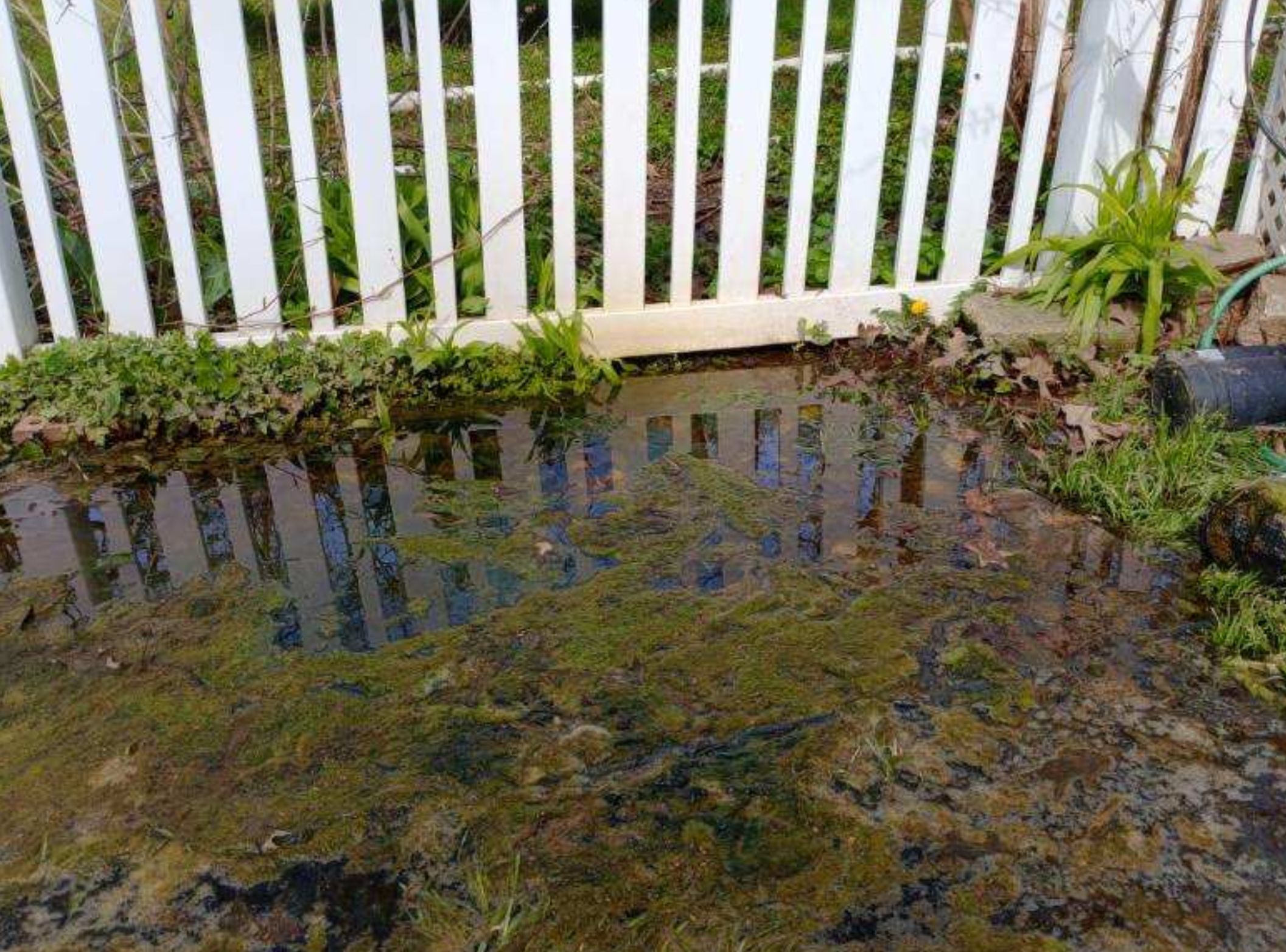
You're standing in your yard after a heavy rain, watching a pool of water sit exactly where it sat last week. It hasn't moved. The grass around it is starting to yellow. And you're wondering whether this is something that fixes itself or something that's about to become a real problem.
Here's a straight answer: standing water that sticks around for more than 48 hours after a storm isn't normal. It's a sign that something underneath your yard isn't working the way it should. When you've been designing and installing yard drainage services across Maryland, DC, and Northern Virginia for over 42 years like we have at TLC, you start to see the same root causes over and over again.
This guide walks you through every common reason yards become waterlogged and matches each cause to the residential drainage solution that actually fixes it. No vague national averages, no generic advice. Just the field knowledge we've built since the 1980s, put into plain terms you can use.
Key Takeaways: Waterlogged Yard Causes and Drainage Fixes
- Standing water lasting more than two days signals a drainage problem, not just a wet spell.
- Clay soil, poor grading, and soil compaction are the three most common culprits in Mid-Atlantic yards.
- Each root cause requires a different drainage system, so accurate diagnosis matters before any installation begins.
- TLC designs residential drainage solutions that combine French drains, channel drains, and grading corrections into one coordinated plan.
- Fixing the water at the source prevents long-term damage to foundations, landscaping, and lawn health.
What Makes a Yard Waterlogged?
A waterlogged yard is one where the soil stays saturated long after rainfall ends. Instead of draining downward or flowing toward an outlet, water sits on the surface or just below it. Roots lose access to oxygen, grass thins out, and if the saturated zone reaches your foundation, structural damage becomes a real concern.
Most homeowners first notice the problem as a spongy patch that never quite dries. That sponge is telling you something about what's happening underneath. The key is figuring out which specific condition is trapping the water so you can match it to the right fix.
How Does Clay Soil Contribute to Yard Drainage Problems?
Clay-heavy soil is extremely common across Maryland and Northern Virginia. According to the University of Maryland Extension, clay particles are so small and tightly packed that the spaces between them are minimal. Water drains through clay very slowly, sometimes less than one inch per hour.
After a storm, you'll notice the surface dries first, but the subsurface stays wet for days. Your boots sink into what looks like dry ground. This is classic clay behavior, and it means surface-only fixes rarely hold up.
In our experience working across Anne Arundel, Howard, Montgomery, and Frederick counties, clay soil is a factor in the majority of the drainage calls we receive. The soil just doesn't cooperate with gravity the way sandy or loamy soil does.
Which Drainage System Fixes Clay Soil Problems?
A properly designed French drain is typically the first step for clay-heavy properties. French drains work by creating an underground path of least resistance: a gravel-filled trench with a perforated pipe that intercepts subsurface water and carries it to a discharge point.
On clay, the system needs to be over-engineered compared to sandier soils. That means wider trenches, thicker gravel beds, and smooth PVC pipe instead of corrugated pipe, which clogs faster in fine-particle soil. TLC uses PVC pipe in critical runs specifically because we've seen corrugated pipe collapse and trap debris within a few years on clay-heavy properties.
Does Improper Grading Cause Standing Water in Your Yard?
Grading refers to the slope and contour of the ground around your home. When grading is done right, water flows away from the foundation and toward a storm drain, swale, or other outlet. When it's done wrong, water collects in low spots and just sits there.
The Northern Virginia Soil and Water Conservation District notes that improper grading and low spots are among the most common causes of persistent soggy areas after storms. The recommended minimum is a six-inch drop over the first five feet away from the foundation.
Grading problems often develop gradually. Soil settles over time, especially around newer construction where backfill wasn't compacted properly. A yard that drained fine five years ago can develop low spots that trap water today.
How Do You Fix Grading Issues Around Your Home?
Regrading involves adding or redistributing soil so the land slopes consistently away from the house. For small areas, this can be relatively straightforward. For larger properties or yards where the grade is directing water toward the foundation, the work often includes installing a yard drainage system alongside the regrading to give the water somewhere to go.
At TLC, we handle complete service from design to final grade and cleanup. Regrading alone sometimes just moves the problem to a new low spot. When we pair it with a drainage system, the water has a defined exit path every time it rains.
Can Soil Compaction Make Your Yard Hold Water?
Compacted soil is soil where the particles have been pressed so tightly together that water can't penetrate. Construction traffic, heavy foot traffic, or years of riding mowers over the same path can all compact the top four to six inches of soil enough to create drainage issues.
Compacted soil behaves a lot like clay in terms of drainage. Water sits on the surface because there's nowhere for it to go. The difference is that compaction can happen to any soil type, not just clay. If your yard was recently built or had major construction nearby, compaction is a likely contributor.
The University of Maryland Extension points out that compaction increases bulk density and reduces pore space, which leads to poor root growth, drowned roots, and increased acidity. Even a well-designed sprinkler system won't keep your lawn healthy if the soil underneath is too compacted for water and air to circulate.
What's the Fix for Compacted Soil Drainage Problems?
For lawns, core aeration can help break up the top layer and improve infiltration. But if the compaction is deeper or covers a larger area, aeration alone won't solve the problem.
A subsurface drainage system, typically a French drain or a channel drain system, is usually needed to give the water an exit route below the compacted layer. TLC designs these systems to work with the specific soil conditions on your property, not from a template.
Are Short Downspouts and Gutter Problems Contributing to Your Wet Yard?
Your gutter system is supposed to move roof runoff away from the foundation. When downspouts are too short or disconnected, all that water dumps right next to the house. On a typical Maryland home, a moderate rain can send thousands of gallons of water off the roof. If that water lands within a few feet of the foundation, it saturates the soil faster than it can drain.
This is one of the simplest causes of yard drainage problems, and one of the most overlooked. We've walked properties where the homeowner was ready for a full drainage system installation, and the first step was just extending downspouts and redirecting gutter outflow away from the foundation walls.
What Gutter Corrections Help Prevent Foundation Water Damage?
Extending downspouts at least four to six feet from the foundation is a good starting point. Underground extensions connected to a pop-up emitter or a dry well push the water even farther from the house.
When downspout extensions alone aren't enough, a French drain or buried pipe system running parallel to the foundation can intercept the excess water and route it to a proper discharge point. TLC often integrates gutter corrections into a broader yard drainage plan so every piece works together.
Does the Natural Water Table Cause Waterlogging in Some Yards?
In certain areas of Maryland and Northern Virginia, the water table sits close enough to the surface that your yard stays wet even when it hasn't rained recently. This is especially common in low-lying neighborhoods near rivers, streams, or the Chesapeake Bay.
A high water table means the ground is already saturated at a shallow depth. Any rainfall on top of that has nowhere to go but up or sideways. You might notice water seeping up through the lawn after prolonged wet periods, even without direct runoff.
Can You Fix Drainage in a Yard with a High Water Table?
You can't lower the water table itself, but you can manage its effects. A sump pump connected to a drainage system can actively remove water from the problem area. French drains installed at the right depth intercept the rising water before it reaches the root zone.
For properties with consistently high water tables, TLC often recommends a combination of drainage methods: pumping systems for the worst zones, French drains for interception, and grading adjustments to keep surface water moving. One method alone rarely handles the full picture.
Does Thatch Buildup Block Water From Entering the Soil?
Thatch is the layer of dead grass stems and roots that accumulates between the green blades and the soil surface. A thin layer is normal. A thick layer, more than about half an inch, becomes a water-repellent mat that prevents rainfall from reaching the soil underneath.
When water can't get through the thatch, it pools on top of the lawn or runs off to the lowest point in the yard. The result looks a lot like a grading or compaction problem, but the actual cause is organic buildup at the surface.
How Do You Remove Thatch to Improve Yard Drainage?
Dethatching with a power rake or vertical mower removes the barrier and lets water reach the soil again. Combining dethatching with core aeration gives the best results because you're opening up both the surface layer and the soil below it.
If your yard still holds water after dethatching, the thatch was masking a deeper issue like compaction or clay. That's when a proper drainage assessment and a designed drainage system becomes the right next step.
How Do Hardscapes Like Driveways and Patios Affect Yard Drainage?
Driveways, patios, walkways, and retaining walls are impervious surfaces. Rain that hits them can't soak into the ground. Instead, it sheets off in one direction and concentrates in whatever area sits at the lowest elevation.
If your patio slopes toward the house or your driveway funnels water into the side yard, those hardscapes are creating a drainage problem that the surrounding soil was never designed to handle. This is especially common in older Maryland neighborhoods where hardscapes have settled or been added over the years.
What Drainage Systems Work Along Hardscapes?
Channel drains, also called trench drains, are narrow grated systems installed flush with the surface of a patio, driveway, or walkway. They catch runoff right at the edge and route it underground to a discharge point.
TLC installs channel drains as part of a broader residential drainage plan. The channel drain handles the surface water from the hardscape, and a connected underground pipe carries it to a safe exit. Getting it right means sizing the channel for the expected volume and sloping it correctly so water doesn't sit inside the drain itself.
Can Buried Debris and Construction Waste Block Underground Drainage?
It's more common than you'd expect. During construction, pieces of wood, concrete, plastic, and other debris sometimes get buried under the topsoil. These obstructions create pockets where water collects because it can't pass through.
If you have a spot in your yard where nothing grows well and water always puddles, there may be buried material underneath. The University of Maryland Extension specifically notes that buried debris is a frequent cause of persistent dead areas in lawns.
How Do You Diagnose and Fix Buried Obstruction Drainage Issues?
Diagnosis starts with probing the soil in the affected area. A professional can determine whether the water is being held by debris, a clay hardpan, or another subsurface condition. Once identified, the debris is removed, the area is backfilled with proper material, and a drainage system is installed if the underlying soil still drains poorly.
TLC provides custom on-site drainage assessments where we walk your property, identify problem zones, and determine what's actually causing the water to sit. That diagnosis drives the design, not the other way around.
How Do You Choose the Right Drainage System for Your Specific Yard?
Matching the right drainage system to the right cause is the entire point. A French drain handles subsurface water. A channel drain handles surface runoff from hardscapes. Regrading fixes slope problems. Pumping systems deal with high water tables. Using the wrong system for the wrong cause wastes money and leaves the water where it was.
That's why TLC starts every project with an on-site assessment. We look at your soil type, your grade, your downspout locations, your hardscapes, and where the water actually accumulates. Then we design a system that addresses the real cause.
With over 42 years of regional experience and 600-plus reviews averaging 4.8 stars, TLC has built a reputation for getting it right from the beginning. We offer a free 7-year parts and labor warranty on drainage installations, transparent upfront pricing, and complete service from design to final grade and cleanup.
Why Is It Important to Fix Yard Drainage Problems Quickly?
A waterlogged yard isn't just a cosmetic issue. Standing water near the foundation can cause basement flooding, cracking walls, and mold growth. Saturated soil promotes root rot, kills grass, and creates a breeding ground for mosquitoes.
Over time, poor drainage erodes soil, undermines walkways and patios, and can shift retaining walls. The longer water sits, the worse these effects get. What starts as a soggy spot can become a foundation repair bill that costs many times more than a drainage system would have.
In Conclusion: How to Identify Your Yard's Drainage Problem and Fix It for Good
Every waterlogged yard has a cause, and every cause has a fix. The challenge is matching the right solution to the right problem. Clay soil, compaction, grading issues, short downspouts, high water tables, thatch, hardscapes, buried debris: each one traps water in a different way, and each one responds to a different approach.
If you're dealing with standing water that won't go away, TLC can help you figure out exactly what's going on and design a drainage system built for your specific property. We've been doing this across Maryland, DC, and Northern Virginia since the 1980s, and we've seen every version of this problem. Reach out for a free, no-obligation quote, and we'll walk your yard and give you a straight answer about what it takes to fix the water for good.
FAQs About Waterlogged Yard Causes and Drainage Solutions
What is the most common cause of standing water in a residential yard?
Clay soil and improper grading are the two most frequent causes. Clay drains slowly, and poor grading traps water in low spots. TLC evaluates both factors during every on-site drainage assessment to determine which one is driving the problem on your property.
How long should it take a yard to dry out after a rainstorm?
A healthy yard with adequate drainage should dry within 24 to 48 hours after rainfall stops. If water is still pooling or the soil feels spongy after two days, there's a drainage issue that needs attention.
Can a French drain solve every type of yard drainage problem?
French drains are effective for subsurface water interception, especially in clay or compacted soils. They don't solve surface runoff from hardscapes or grading issues on their own. TLC often combines French drains with channel drains or regrading for a complete solution.
Is yard drainage covered by homeowners insurance?
Most standard homeowners policies do not cover gradual drainage problems or the installation of a drainage system. They may cover sudden water damage from a burst pipe. Investing in a proper drainage system upfront protects your property and avoids costly damage that insurance won't pay for.
How does TLC determine which drainage solution fits my yard?
TLC starts with a free on-site assessment of your property. We examine the soil type, grading, downspout placement, hardscapes, and water accumulation patterns. From there, we design a custom drainage plan with transparent pricing and a 7-year warranty covering parts and labor.
Does fixing yard drainage also help prevent basement flooding?
Redirecting water away from your foundation is one of the most effective ways to reduce basement moisture and flooding risk. TLC designs drainage systems that address both yard standing water and foundation protection in one coordinated plan.
Bob Carr is the founder and president of TLC Incorporated, which he started in 1981 as a small residential lawn sprinkler and irrigation business in Maryland. Over four decades later, he leads a team of specialists serving the Mid-Atlantic region with lawn irrigation, outdoor and holiday lighting, and yard drainage solutions. Bob's approach is built on transparent pricing, quality installation, and treating every customer with respect.
