When I sit down with a commercial property manager for the first time, the conversation usually starts the same way.
They don’t ask about sprinkler heads. They don’t ask about pipe sizes.
They ask one thing.
“Bob, what’s this going to cost us every year?”
It’s a fair question.
Commercial irrigation isn’t just about keeping grass green. It’s about protecting assets, controlling liability, managing budgets, and avoiding emergency repairs that blow up a fiscal quarter.
After 42 years working on commercial properties across Maryland, Northern Virginia, and Washington, DC — from office parks in Fairfax to HOAs in Rockville, retail centers in Columbia, apartment complexes in Annapolis, and mixed-use properties in Arlington — I can tell you this clearly:
Commercial irrigation maintenance is predictable when it’s managed.
It becomes expensive when it’s ignored.
Let’s walk through what you should realistically expect to pay — and what you’re actually paying for.
First: What “Commercial Irrigation Maintenance” Actually Includes
Commercial irrigation maintenance is not just spring startup and winterization.
It typically includes:
- Spring system activation
• Backflow testing (required by local code)
• Monthly or bi-monthly inspections
• Zone-by-zone performance checks
• Pressure adjustments
• Head alignment and replacement
• Leak detection
• Controller programming adjustments
• Seasonal runtime modifications
• Fall winterization
• Emergency service availability
Commercial systems are larger, more complex, and more exposed than residential systems.
They serve:
- High-visibility frontage
• Large turf expanses
• Athletic fields
• Multi-building campuses
• HOA common areas
• Tenant-sensitive landscapes
Which means the margin for error is smaller.
Typical Annual Commercial Irrigation Maintenance Costs in the DMV
Here are realistic annual ranges in Maryland and Northern Virginia:
Small commercial property (under 1 acre irrigated):
$2,500–$6,000 per year
Mid-size property (1–5 acres irrigated):
$6,000–$18,000 per year
Large campus or HOA (5+ acres irrigated):
$18,000–$50,000+ annually
Those numbers vary based on:
- Zone count
• System age
• Accessibility
• Soil conditions
• Irrigated acreage
• Number of service visits
• Water management complexity
Now let’s unpack what drives those numbers.
What Drives Commercial Maintenance Costs
1. Zone Count and Valve Complexity
A residential system may have 6–12 zones.
Commercial systems often have:
Each valve must be inspected. Each zone must be pressure-tested. Each head must be aligned.
Time equals labor. Labor equals cost.
2. Backflow Testing and Compliance
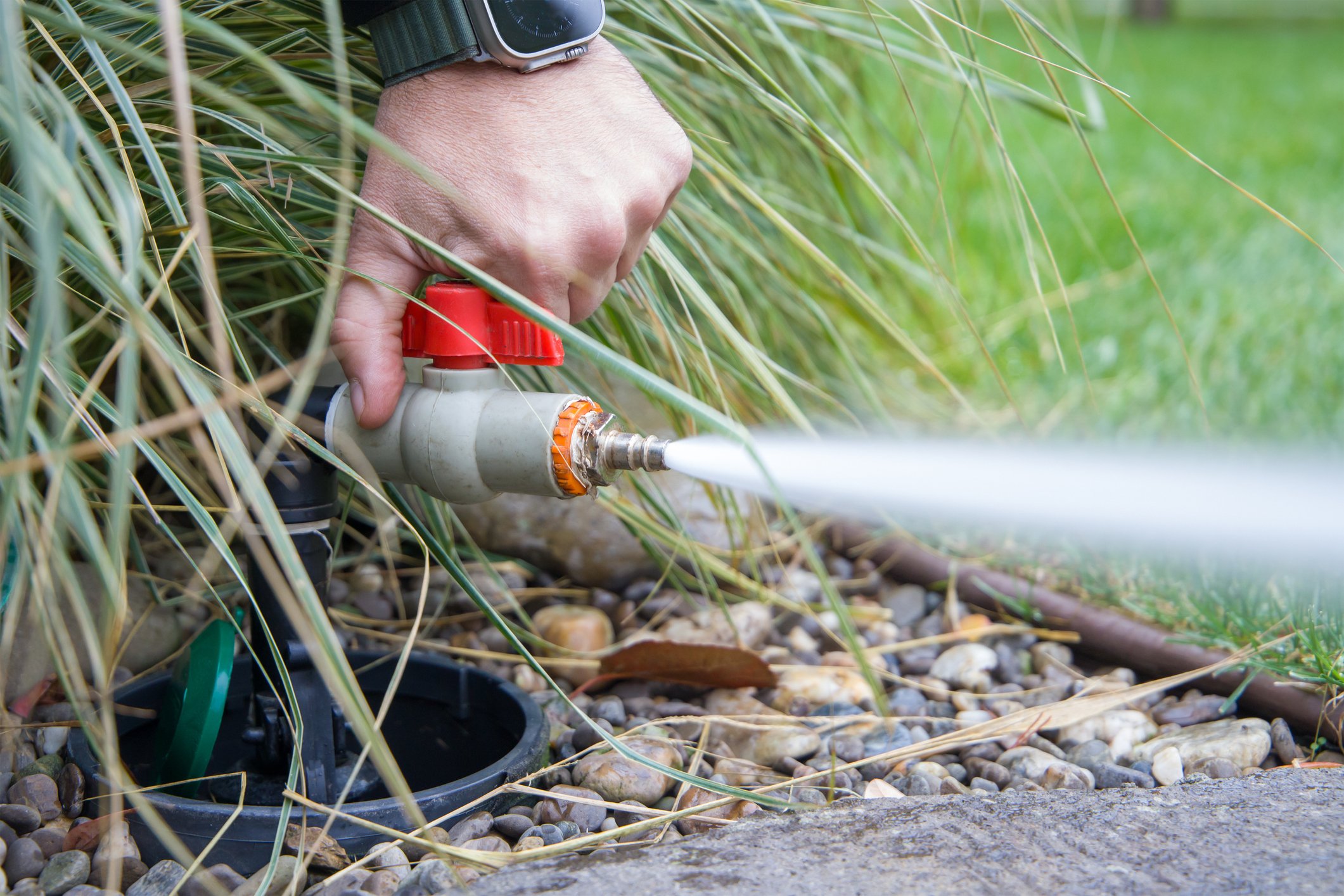
In the DMV, commercial backflow preventers must be tested annually.
Failure to comply can result in:
- Fines
• Water service interruption
• Liability exposure
Backflow testing alone can cost:
$300–$1,200 annually depending on size and municipality.
Larger assemblies cost more.
3. Clay Soil and Freeze–Thaw Cycles
The DMV’s clay-heavy soil stresses commercial systems significantly.
Clay expands and contracts. Freeze–thaw cycles shift pipe. Large turf areas create compaction stress.
Commercial properties in Montgomery County and Fairfax County frequently experience:
- Joint stress
• Lateral line cracking
• Valve box settling
Preventative maintenance catches these issues before they become major failures.
4. Water Management Requirements
Commercial properties are often scrutinized for water waste.
Smart controllers with flow monitoring are increasingly common.
Maintaining these systems involves:
- Seasonal ET adjustments
• Water usage reporting
• Leak tracking
• Runtime calibration
Water mismanagement on a large commercial property can cost thousands per month.
Maintenance protects against that.
A Real Example: Fairfax Office Park
We maintain a mid-size office park in Fairfax with roughly 3 acres of irrigated turf.
Before entering into a structured maintenance agreement, the property experienced:
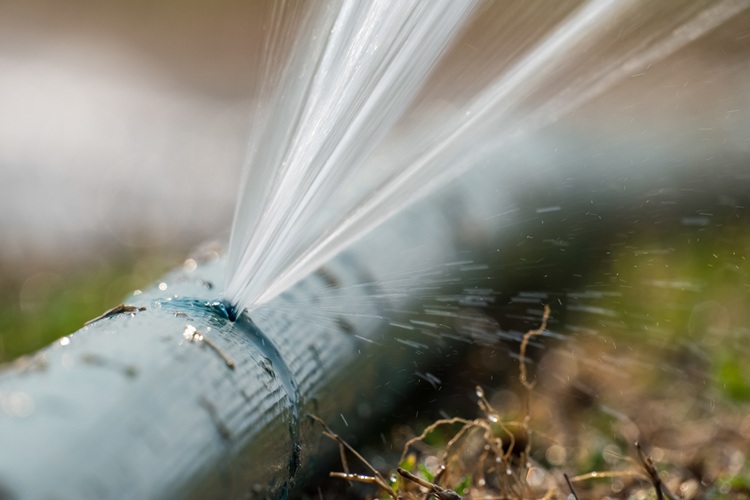
- 3–4 emergency leak repairs per season
• Overspray onto sidewalks
• Brown areas visible from the main road
• Two backflow compliance issues
Annual reactive repair costs averaged:
$14,000–$18,000
After moving to a structured annual maintenance plan costing about $12,500 per year, emergency repairs dropped significantly.
Total annual irrigation cost stabilized.
Budget predictability improved.
That’s the difference between reactive and preventative management.
HOA Communities: A Different Risk Profile
HOA-managed communities present additional challenges.
Homeowners notice everything.
One brown common area can trigger multiple complaints.
Typical HOA irrigation maintenance for a 6-acre common area in Montgomery County might range:
$20,000–$35,000 annually
That includes:
- Monthly inspections
• Seasonal programming
• Head replacement
• Pressure balancing
• Drainage coordination
• Winterization
Without structured maintenance, costs often spike unpredictably.
HOAs prefer stability.
What Happens When Commercial Maintenance Is Deferred
I’ve seen this too many times.
A property cuts irrigation maintenance to save money.
Within two years:
- Valve failures increase
• Water bills rise
• Drainage systems clog
• Turf replacement becomes necessary
• Tenant complaints increase
• Emergency calls cost more than preventative visits
Deferred maintenance rarely saves money long term.
It shifts cost to emergency categories.
The Long-Term Financial Perspective
Scenario A: Reactive Repairs Only
Annual reactive cost average: $15,000
Unpredictable spikes possible
Tenant dissatisfaction risk
Compliance risk
Scenario B: Structured Maintenance Plan
Annual predictable cost: $12,000–$18,000
Reduced emergency calls
Stable turf performance
Budget predictability
In most cases, structured maintenance lowers total cost over a 5–10 year period.
When Lower-Cost Maintenance May Be Appropriate
Smaller commercial properties with:
- Minimal turf
• Simple zone layout
• Newer systems
• Strong water pressure
May be able to operate with fewer service visits.
But once systems age beyond 10–12 years, preventative oversight becomes more valuable.
The Emotional Factor: Reputation
For commercial properties, irrigation is visible.
Brown turf affects:
- Tenant perception
• Property value
• Leasing attractiveness
• HOA satisfaction
Landscaping is often the first impression.
Maintenance protects reputation.
How to Evaluate a Commercial Maintenance Proposal
Ask:
- How many service visits are included?
• Is backflow testing included?
• Are emergency calls discounted?
• Is flow monitoring maintained?
• Are reports provided?
• What response time is guaranteed?
Low bids often reduce visit frequency.
Reduced visit frequency increases risk.
The Bigger Lesson
Commercial irrigation maintenance is not about fixing broken heads.
It’s about:
- Protecting infrastructure
• Managing water responsibly
• Avoiding liability
• Preserving curb appeal
• Stabilizing long-term budgets
After 42 years serving Maryland, DC, and Northern Virginia commercial properties, I’ve learned this clearly:
The most expensive irrigation strategy is neglect.
The most stable strategy is preventative management.
The Bottom Line
In the DMV, commercial irrigation maintenance typically ranges from a few thousand dollars annually for small properties to $50,000+ for large campuses or HOAs.
The right number depends on:
- Size
• Complexity
• Age
• Soil conditions
• Performance expectations
But here’s what I tell every property manager:
Predictable maintenance costs are easier to budget than unpredictable emergency repairs.
And when irrigation is managed properly, it becomes something no one notices.
Which, in commercial property management, is exactly what you want.
Quiet performance. No surprises. Stable budgets.
That’s what professional commercial irrigation maintenance is really buying you.