If you’re thinking about adding outdoor lighting to your home—whether it’s for safety, curb appeal, or simply enjoying your space after dark—you’ve probably already asked the big question:
“How much is this going to cost?”
And if you’ve looked around a bit, you’ve likely seen prices that seem all over the place.
That’s not an accident.
Outdoor lighting is one of those projects where the final price depends heavily on design, materials, and how the system is installed.
In this guide, we’re going to break it all down in a clear, honest way—so you understand not just the price, but what’s actually driving it up or down.
Average Cost of Outdoor Lighting Installation
Here’s a realistic look at what most homeowners can expect:
- Small lighting project (front yard or simple pathway): $1,500 – $3,500
• Mid-size system (front + partial backyard): $3,500 – $8,500
• Full-property lighting design: $8,500 – $20,000+
That’s a wide range, but it reflects the reality that outdoor lighting can be simple—or highly customized.
Why Outdoor Lighting Costs Vary So Much
Here’s the truth most companies don’t say clearly:
You’re not just paying for lights.
You’re paying for a system that includes design, materials, installation, and long-term performance.
The biggest factors that affect cost are:
- Number of fixtures
• Type and quality of fixtures
• Design complexity
• Installation and wiring
• Power source
• Controls and automation
Let’s break each of these down so you can understand exactly what you’re paying for.
- Number of Fixtures
The more lights you install, the higher the cost.
That sounds obvious, but here’s what many homeowners don’t realize:
Each fixture also requires:
- Wiring
• Installation time
• Placement planning
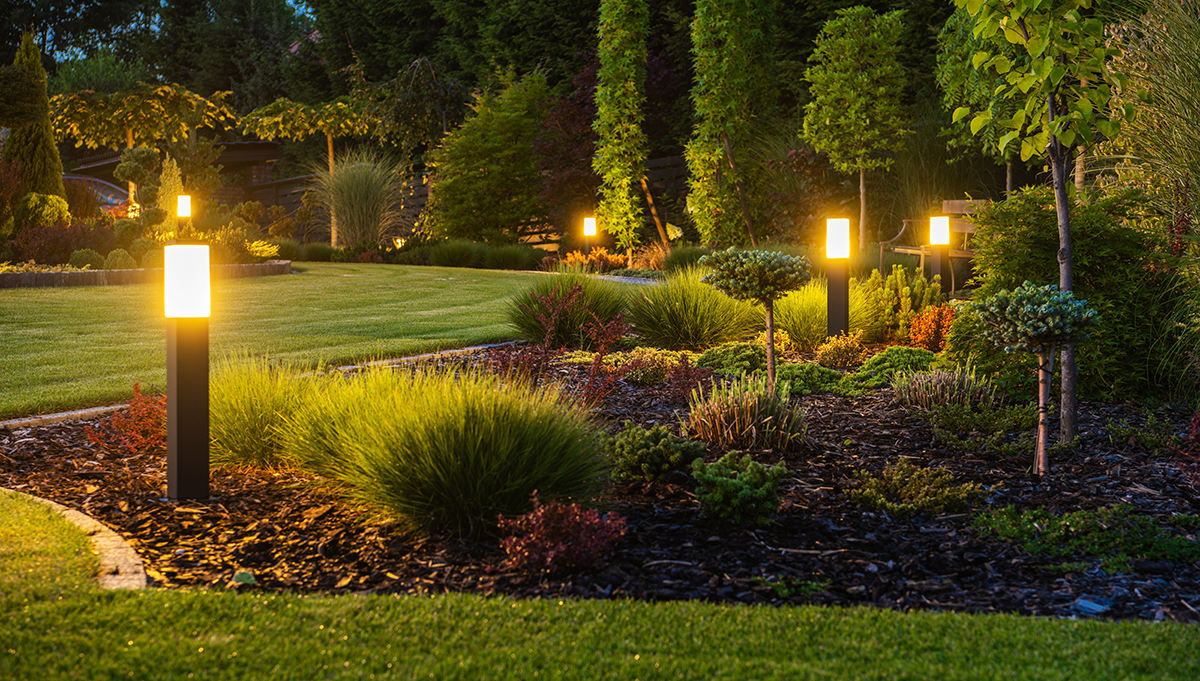
A small walkway might use 6–10 lights.
A full-property design might include 25–60 or more.
That difference alone can dramatically change your total investment.
- Type and Quality of Fixtures
Outdoor lighting fixtures come in a wide range of quality levels.
Low-end fixtures: • Lower upfront cost
• Often made of plastic or lightweight materials
• Shorter lifespan
Mid-range fixtures: • Better construction
• More reliable performance
• Balanced cost and durability
High-end fixtures: • Solid brass or copper
• Designed to last 15–20+ years
• Higher upfront cost, lower long-term replacement cost
Cheaper fixtures may save money initially—but often need to be replaced much sooner.
- Design Complexity
This is one of the biggest differences between basic and professional lighting systems.
A basic install might simply place lights along a path.
A professional design considers:
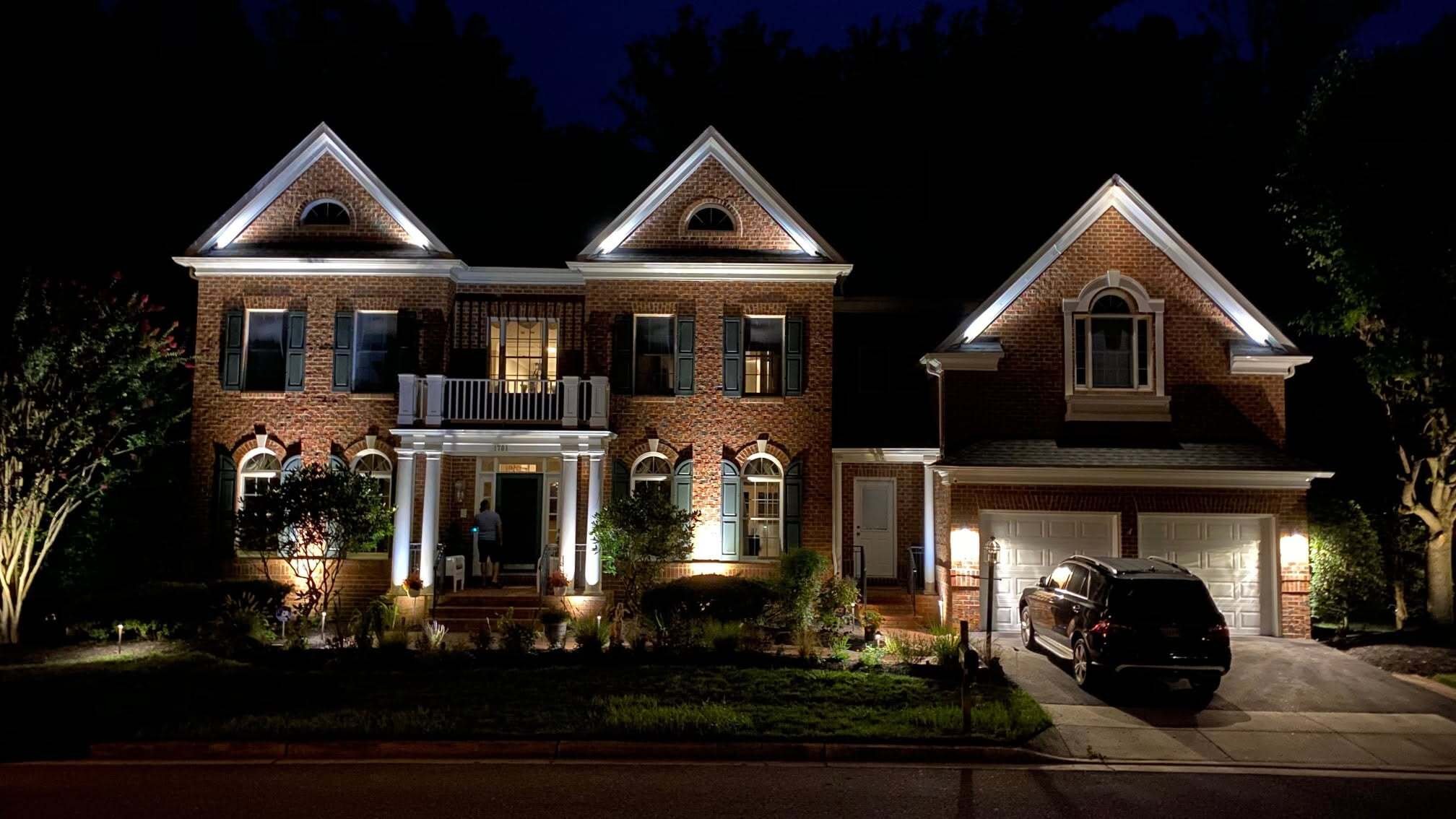
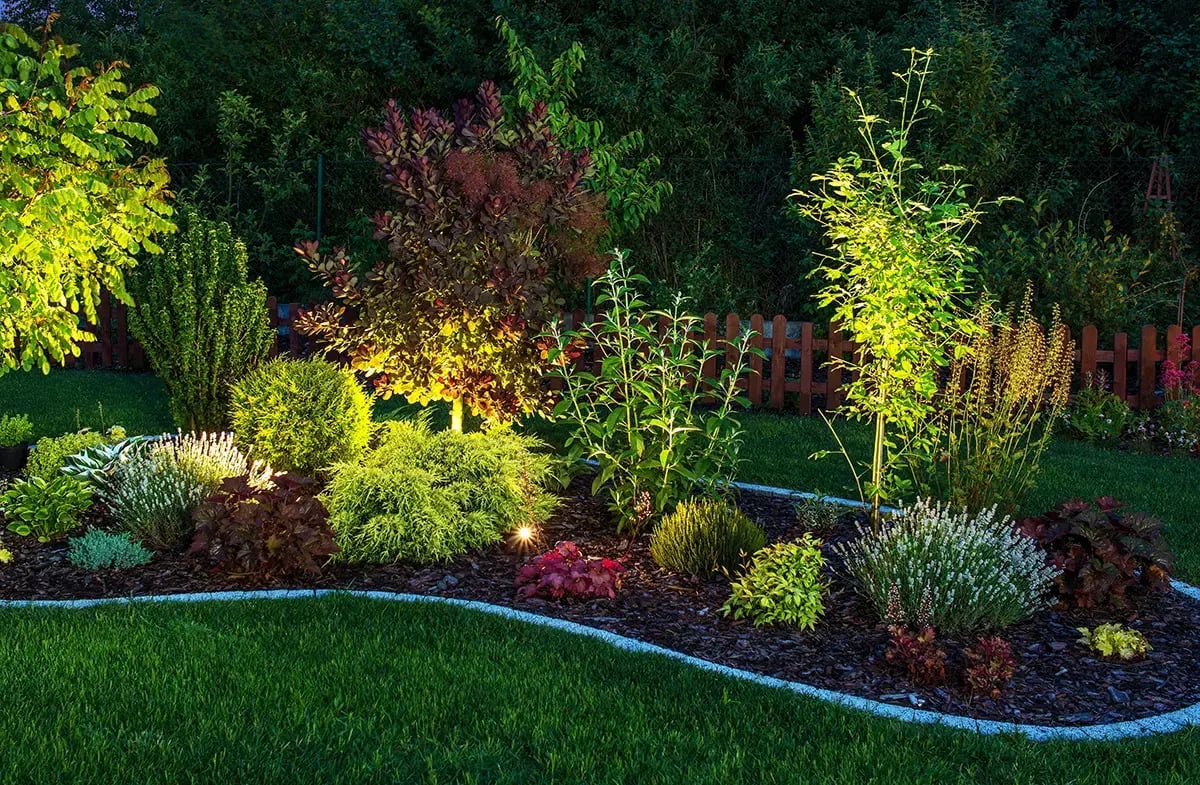
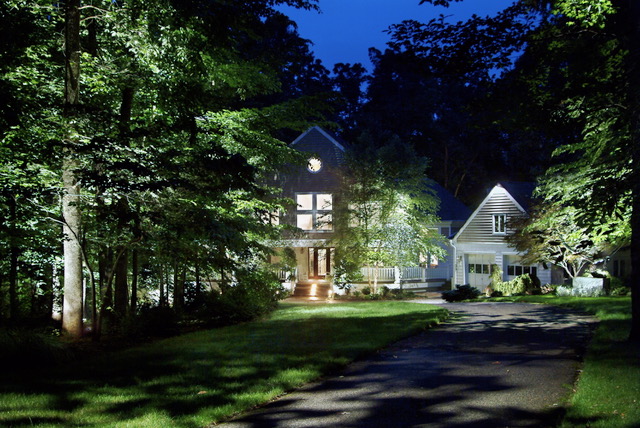
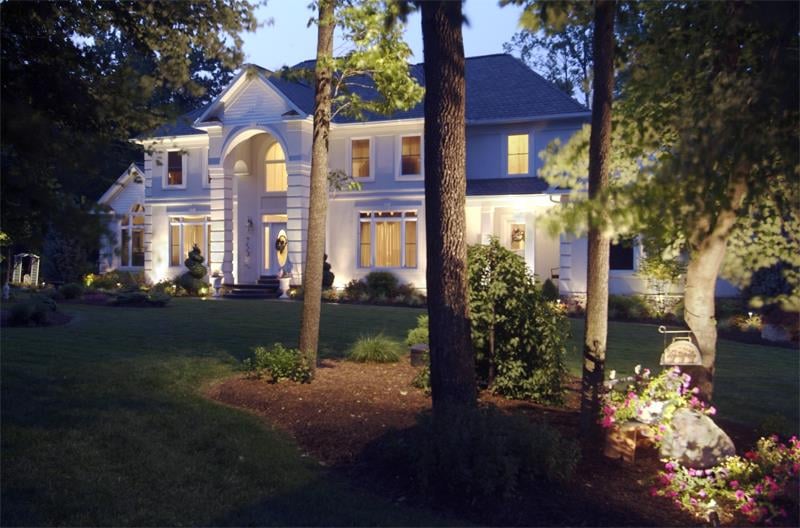
- Highlighting architectural features
• Accenting landscaping
• Creating depth and balance
• Eliminating dark areas
• Avoiding glare
Design takes time—and expertise—but it’s what transforms lighting from functional to impactful.
- Wiring and Installation
Installation is often where costs increase the most.
A proper installation includes:
- Trenching for wiring
• Running cable across the yard
• Avoiding utilities and roots
• Securing connections properly
• Restoring landscaping after installation
Yards with slopes, heavy roots, or hard soil take more time—and increase labor costs.
- Power Source
Most residential outdoor lighting systems use low-voltage power.
This is typically:
- Safer
• More efficient
• Less expensive to install
However, some systems require:
- Line-voltage lighting
• Electrical upgrades
• Dedicated circuits
If electrical work is needed, costs will increase.
- Controls and Automation
Basic systems use timers.
More advanced systems include:
- Smartphone control
• Dimming features
• Zoning different areas
• Integration with smart home systems
These features add convenience—but also add cost.
What Drives Costs Higher
If your estimate comes in on the higher end, it’s usually because of one or more of the following:
- Larger number of fixtures
• High-end lighting materials
• Detailed design planning
• Difficult installation conditions
• Smart controls and automation
• Full-property coverage
These are the elements that create a premium, long-lasting result.
What Keeps Costs Lower
Costs stay more manageable when:
- The project is smaller
• Fewer fixtures are installed
• The design is simple
• Installation is straightforward
• Basic timers are used instead of smart controls
For many homeowners, starting with a smaller project and expanding later is a smart approach.
Cheap vs. Professional Lighting Systems
There’s a big difference between inexpensive lighting and a professionally designed system.
Lower-cost systems often include:
- Basic fixtures
• Minimal planning
• Quick installation
Professional systems typically include:
- Thoughtful design
• Higher-quality materials
• Proper installation techniques
• Long-term reliability
The difference isn’t just appearance—it’s performance and lifespan.
What Most Homeowners Don’t Realize
Outdoor lighting isn’t just about visibility.
When done correctly, it:
- Enhances curb appeal
• Improves safety and security
• Extends outdoor living space
• Adds value to your home
When done poorly, it can create glare, leave dark spots, and require constant maintenance.
That’s why the quality of both design and installation matters.
Phased Installation: A Practical Approach
You don’t have to install everything at once.
Many homeowners choose to phase their lighting project:
- Start with the front yard
• Add backyard lighting later
• Expand over time
This allows you to spread out the cost while still improving your property.
How to Get an Accurate Estimate
A proper lighting estimate should include:
- Evaluation of your property
• Discussion of your goals
• Fixture recommendations
• A layout or design plan
• A clear cost breakdown
If you’re getting a quote without a design conversation, you’re likely not getting the full picture.
How to Avoid Overpaying
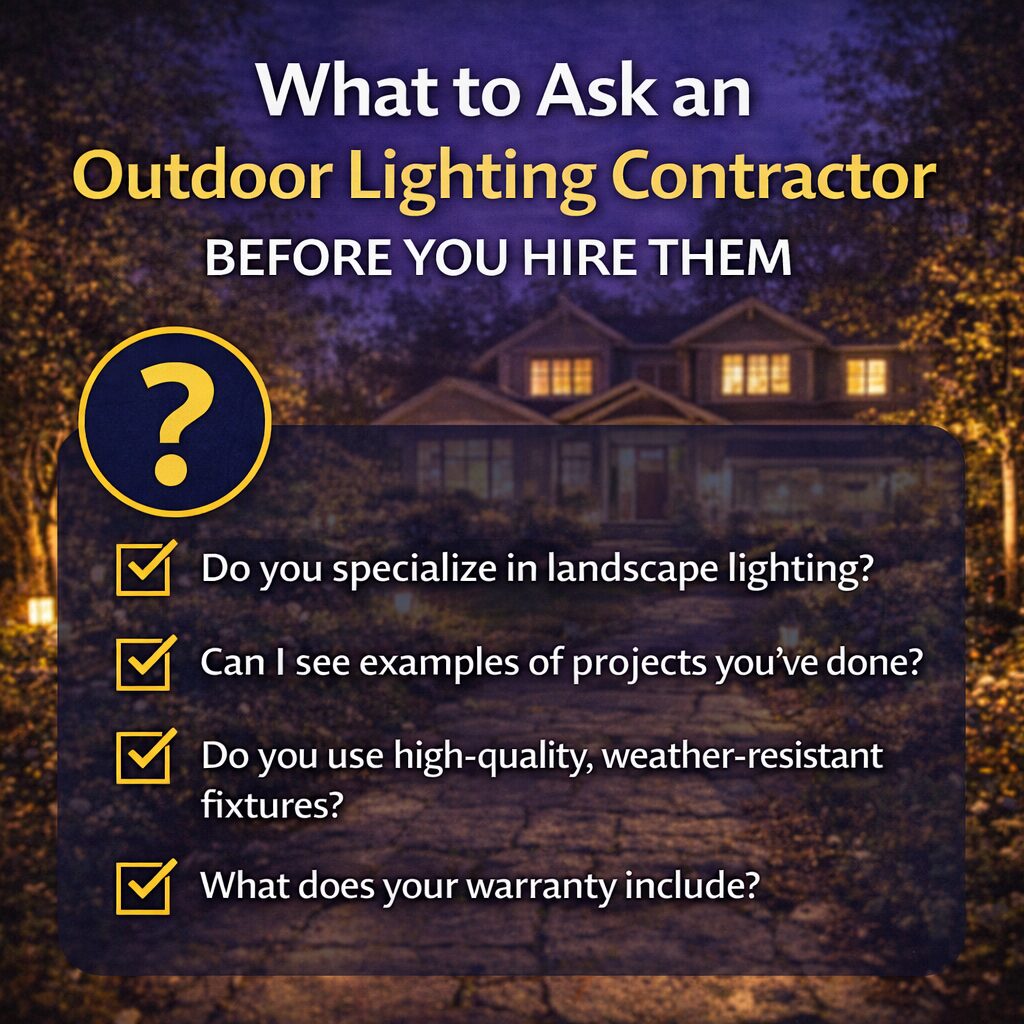
Ask what’s included in the design
Ask about fixture quality
Ask how the system will be installed
Ask about long-term maintenance
These questions help you compare options more effectively.
Final Thoughts
Outdoor lighting is one of the most impactful upgrades you can make to your home.
The right system doesn’t just add light—it adds comfort, safety, and visual appeal.
And while cost matters, value matters more.
When you understand what drives pricing up or down, you can make a decision that fits your budget and your long-term goals.