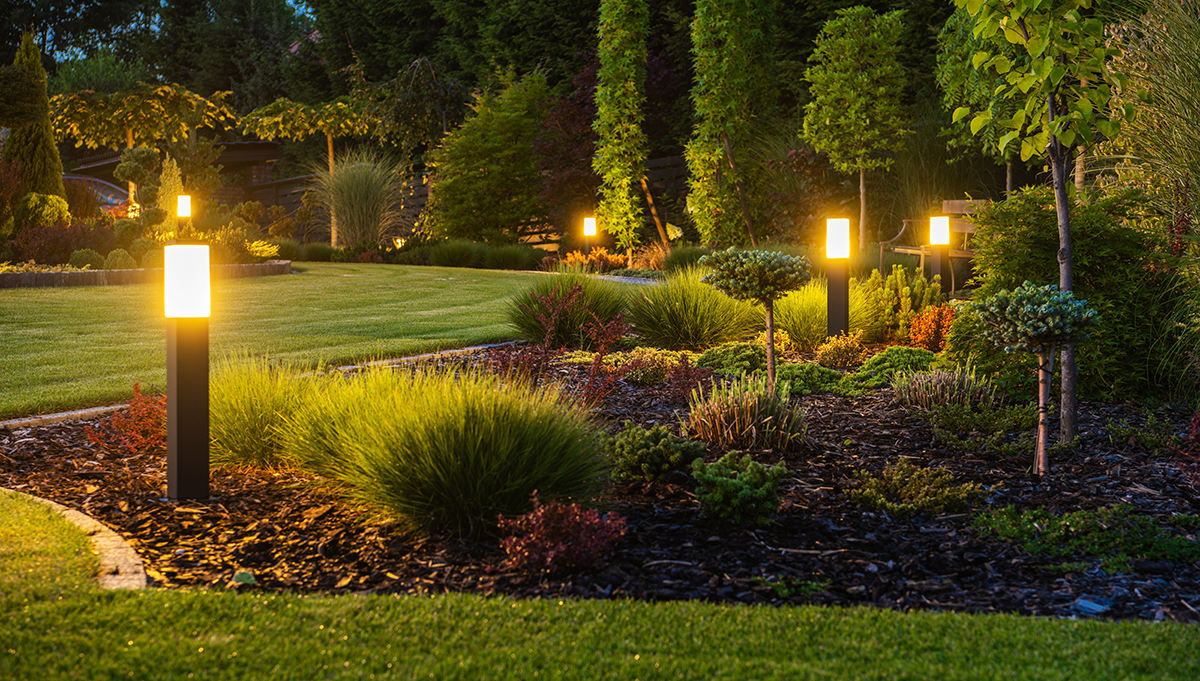
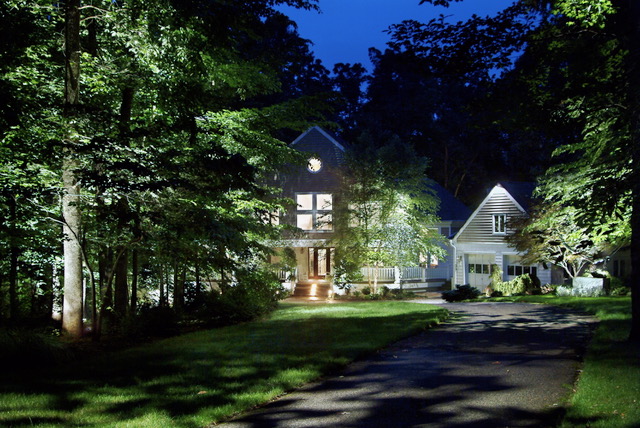
Outdoor lighting can completely transform a landscape at night. But when a property includes multiple levels—terraces, retaining walls, steps, patios, and elevation changes—the lighting design becomes much more important than simply installing a few fixtures around the yard.
Over the past 42 years working with homeowners across Maryland, Northern Virginia, and Washington DC, I’ve seen beautifully designed landscapes disappear after sunset because the lighting was poorly planned. I’ve also seen the opposite—properties that look even better at night because the lighting highlights every level of the landscape.
Multi-level landscaping presents a unique opportunity. When lighting is placed correctly, it creates depth, safety, and visual interest across the entire property.
In this guide, I’ll walk you through:
- Why multi-level landscapes require a different lighting strategy
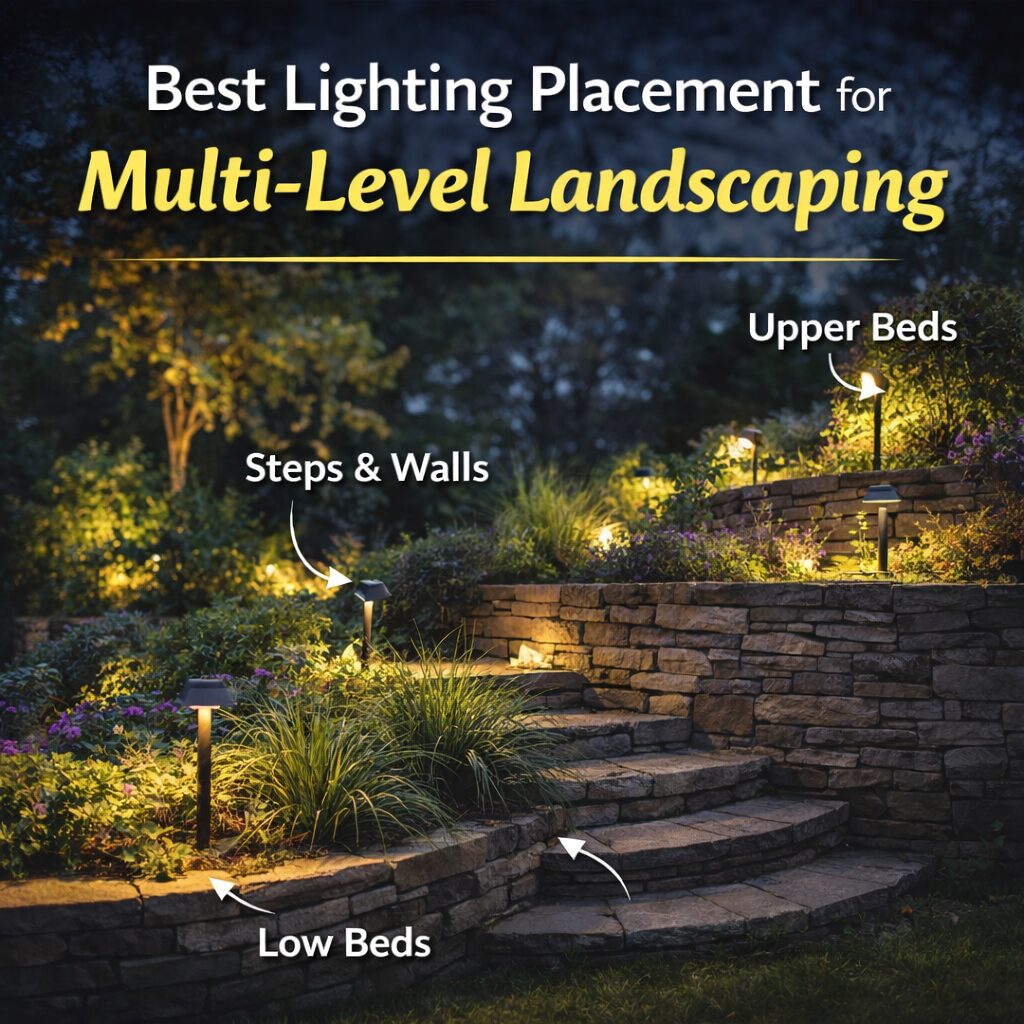
- The best lighting placements for steps, terraces, and retaining walls
- Safety considerations homeowners should not overlook
- Common mistakes in landscape lighting design
- How professional lighting design brings everything together
Because great landscape lighting isn’t just about brightness—it’s about placement and balance.
Why Multi-Level Landscaping Requires Thoughtful Lighting Design
Landscapes with elevation changes naturally create shadows and visual layers. Without proper lighting, those features can become difficult to navigate or simply disappear after dark.
A well-designed lighting plan should accomplish three things:
- Improve safety by illuminating steps and elevation changes
- Highlight architectural landscape features like walls and terraces
- Create visual depth across the property at night
When lighting is poorly placed, the opposite happens. You may see glare, harsh shadows, or dark areas that make the space feel smaller and less inviting.
The key is placing fixtures where they enhance the natural structure of the landscape instead of overpowering it.
Step Lighting: One of the Most Important Safety Features
Any landscape with multiple levels usually includes stairs or transitions between spaces.
Steps are one of the most important places to install landscape lighting.
Proper step lighting helps prevent trips and falls while also creating a welcoming visual pathway through the yard.
Common step lighting options include:
- Recessed lights installed directly in stair risers
- Low-profile fixtures mounted on retaining walls
- Path lights placed alongside stairways
The goal is to light each step evenly without creating glare.
Soft, downward lighting works best because it highlights the walking surface without shining directly into people’s eyes.
Retaining Wall Lighting
Retaining walls are common features in multi-level landscapes throughout Maryland.
These walls can serve as excellent locations for integrated lighting.
Small LED fixtures installed beneath wall caps can provide subtle illumination across patios, seating areas, and walkways.
This approach creates a gentle wash of light across the lower level of the landscape.
Benefits of retaining wall lighting include:
- Improved visibility along edges and elevation changes
- A soft ambient glow across patios and walkways
- Reduced need for additional freestanding fixtures
Wall lighting also adds dimension by highlighting the texture of stone, brick, or masonry surfaces.
Path Lighting Between Landscape Levels
Path lights guide people safely through the landscape while creating rhythm and flow across the property.
For multi-level properties, path lighting should connect each landscape level clearly.
Rather than placing lights in a straight line, we often stagger fixtures slightly so the light spreads naturally across the walkway.
Proper spacing ensures:
- Consistent illumination
- Reduced dark spots
- A natural look that blends with the landscape
Too many lights can create glare, while too few leave the space difficult to navigate.
Uplighting Landscape Features
One of the best ways to emphasize multiple levels is through uplighting.
Uplights are placed at ground level and aimed upward to highlight vertical features such as:
- Trees
- Stone walls
- Landscape structures
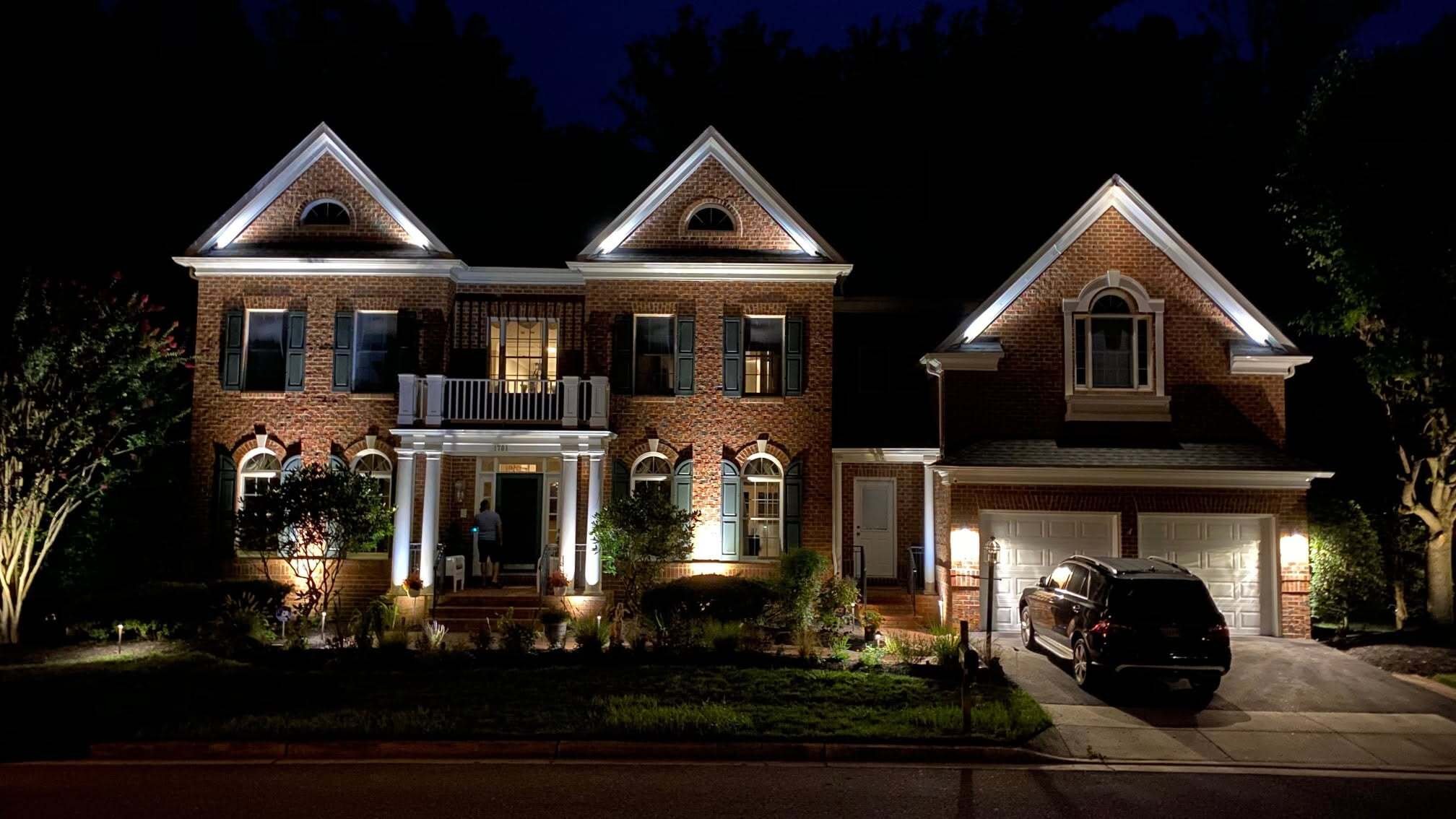
- Architectural elements of the home
In multi-level landscapes, uplighting helps visually connect upper and lower areas.
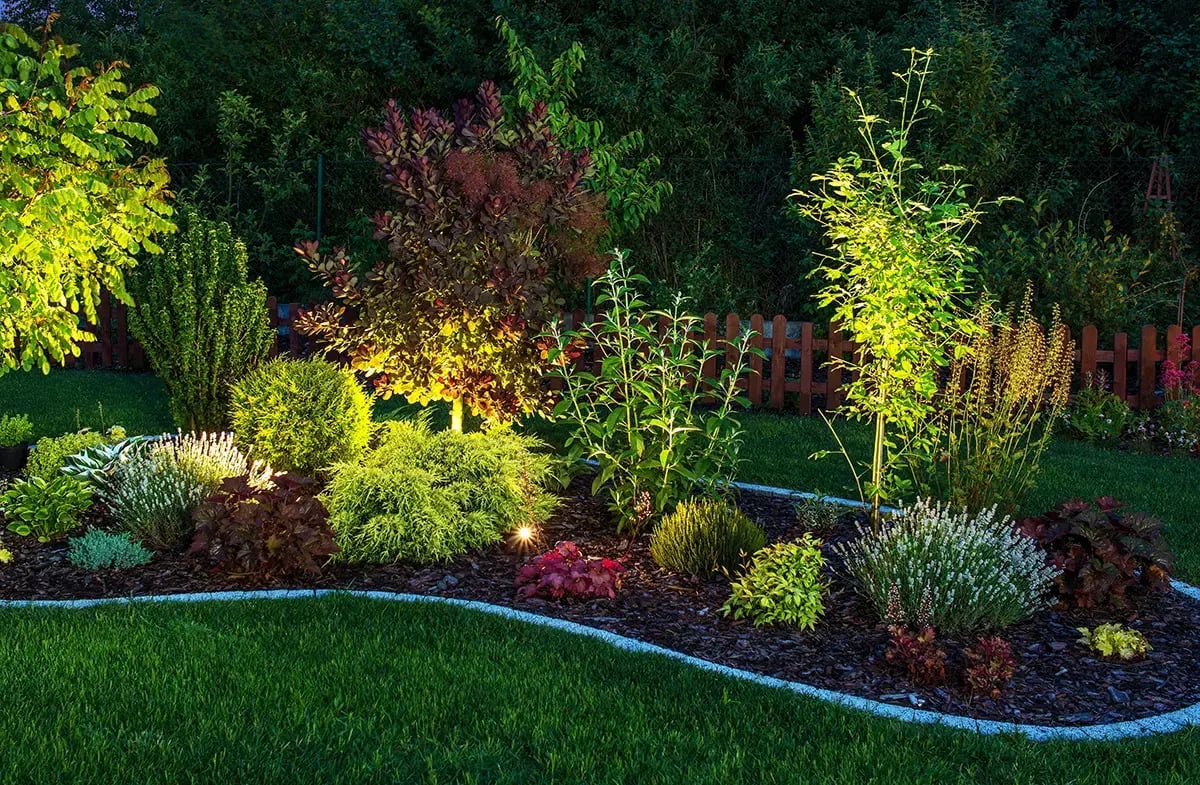
For example, lighting a tree that spans multiple levels of the yard can create a dramatic focal point visible from different vantage points.
Deck and Patio Lighting
Decks and patios often serve as the primary gathering spaces in multi-level landscapes.
Lighting in these areas should feel comfortable and inviting rather than overly bright.
Popular lighting options include:
- Post cap lights on deck railings
- Under-rail lighting
- Recessed lighting in steps
- Subtle wall-mounted fixtures
These fixtures provide enough illumination for entertaining while maintaining the relaxed atmosphere people want in outdoor living spaces.
Avoiding Common Landscape Lighting Mistakes
Over the years, we’ve seen several lighting mistakes that can diminish the beauty of multi-level landscapes.
Overlighting
More fixtures don’t always mean better lighting. Excessive lighting creates glare and eliminates the natural shadows that give landscapes depth.
Poor Fixture Placement
Lights installed too close together or aimed incorrectly can produce uneven lighting patterns.
Ignoring Electrical Planning
Large properties require careful planning of wiring routes, transformers, and power loads to ensure consistent performance.
Using Low-Quality Fixtures
Outdoor lighting systems must withstand weather, moisture, and temperature changes. Cheap fixtures often fail within a few seasons.
A Real Example From a Multi-Level Property in Maryland
We recently worked with a homeowner whose backyard included multiple terraces connected by stone steps and retaining walls.
During the day, the landscape looked incredible.
At night, however, most of the features disappeared into darkness.
After evaluating the property, we installed:
- Step lighting along the stair transitions
- Integrated retaining wall lights
- Path lights connecting each terrace
- Tree uplighting for vertical dimension
The result was a completely different nighttime experience.
The yard became safer, more inviting, and visually stunning after dark.
What Landscape Lighting Typically Costs
Landscape lighting systems vary widely depending on the size of the property and the complexity of the design.
Factors that affect cost include:
- Number of lighting fixtures
- Type of fixtures used
- Wiring and electrical requirements
- Transformer size
- Landscape layout
For multi-level landscapes, the cost is often higher because additional fixtures are needed to safely illuminate elevation changes.
However, homeowners typically view lighting as one of the most valuable landscape upgrades because it extends the usability of outdoor spaces long after sunset.
Final Thoughts From Bob Carr
One of the things I’ve learned after more than four decades in this industry is that great landscapes shouldn’t disappear at night.
When lighting is designed thoughtfully, multi-level properties become even more impressive after dark.
The goal is not to flood the yard with light but to highlight the structure, textures, and transitions that make the landscape unique.
With the right combination of step lighting, path lighting, and feature lighting, homeowners can enjoy their outdoor spaces safely and beautifully every evening.
Want Help Designing Landscape Lighting for Your Property?
If you’re considering landscape lighting for a multi-level property, visit TLCincorporated.com to learn more about our outdoor lighting design services.
After 42 years serving homeowners throughout the DMV, we understand how to design lighting systems that enhance safety, highlight beautiful landscapes, and create stunning nighttime environments.
Topics: