
Fixing Lawn Sprinklers: How to Know If Your System Needs Repair
July 27th, 2026
4 min read
By Bob Carr
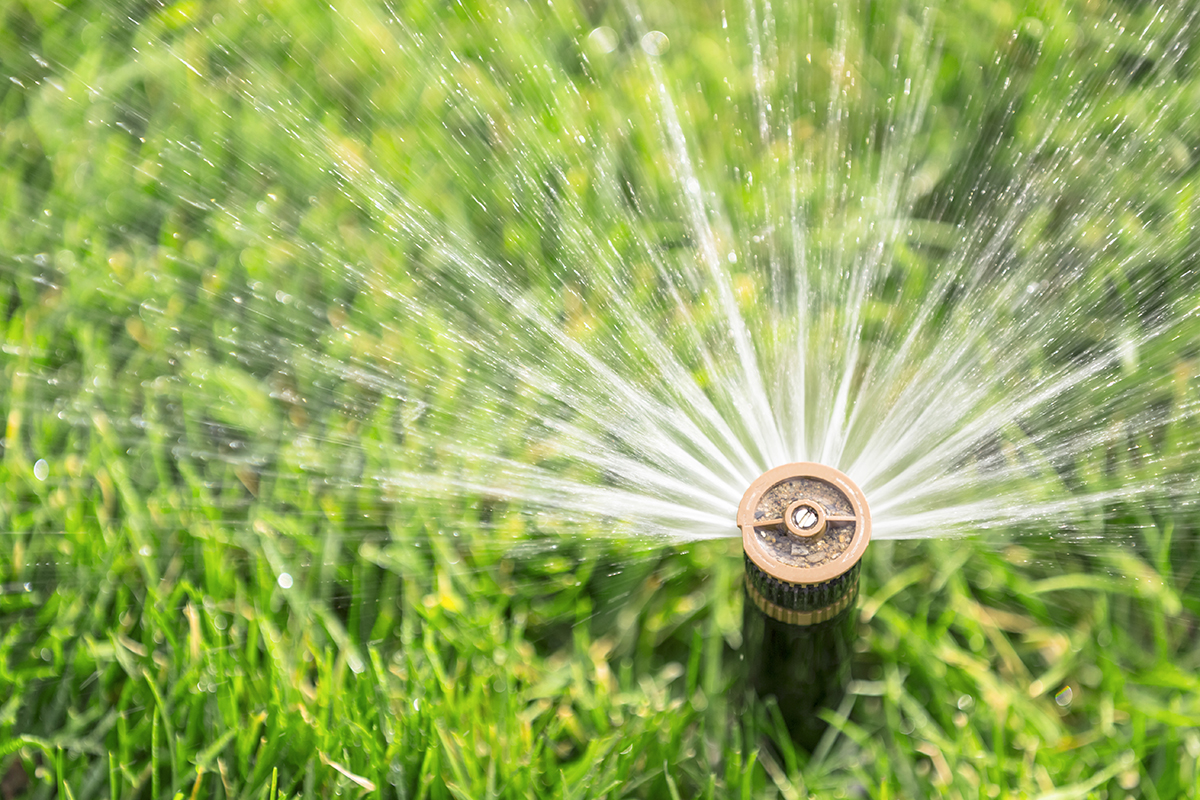
Fixing lawn sprinklers starts with reading the warning signs. Brown spots, pooling water, low pressure, heads that won't pop up, zones that won't start or stop, controller errors, or a sudden jump in your water bill all signal that your system needs a professional look. Homeowners can handle small fixes like adjusting a head or swapping a nozzle, but hidden leaks, faulty valves, wiring faults, and pressure problems need professional diagnosis. The earlier you find the real cause, the less the repair usually costs.
Table of Contents
• Why Lawn Sprinkler Problems Get Worse Over Time
• Eight Warning Signs You Need Professional Lawn Sprinkler Repair
• Common Sprinkler Problems at a Glance
• DIY vs. Professional: Fixing Lawn Sprinklers Yourself
• Repair or Replace?
• What a Professional Evaluation Includes
• Why Maryland Conditions Matter
• Simple Maintenance That Prevents Big Repairs
• Frequently Asked Questions
Why Lawn Sprinkler Problems Get Worse Over Time
Every spring, Maryland homeowners tell me the same thing: "Bob, my system worked fine last year, but now something isn't right." After more than 42 years installing, repairing, and fixing lawn sprinklers across Maryland, I can tell you they rarely fail without warning — the hard part is knowing which clues matter. Because most of the system is hidden underground, small problems build quietly: a minor leak drops pressure and creates dry spots, a weak solenoid fails overnight, a nicked wire corrodes until a zone dies.
The common mistake is watering longer to compensate, which only wastes water while the lawn still suffers. Waiting rarely pays off — the cheapest repair is almost always the early one, before peak summer stresses the system further.
Eight Warning Signs You Need Professional Lawn Sprinkler Repair
1. Brown or dry areas in the lawn. One patch browns while the rest stays green. It usually needs better coverage, not more water — often from a clogged nozzle, low pressure, a misadjusted head, or a leaking underground pipe.
2. Water pooling around heads. Standing water after a cycle ends can mean a cracked head, broken fitting, leaking swing joint, or a valve that isn't closing. Hidden leaks also soften soil and wash it away from walkways and beds.
3. Low water pressure. If heads no longer spray as far, suspect leaks, a partially closed valve, or a failing regulator. One weak zone points to a valve or zone line; weak pressure everywhere points to the mainline or supply.
4. A zone won't turn on. The cause may be a failed solenoid, bad valve, cut wire, or programming error. This is where guessing gets expensive — a technician tests each part before recommending a repair.
5. A zone won't shut off. This needs quick attention: usually debris in the valve, a damaged diaphragm, or a controller fault. Turn the system off and schedule service before water usage climbs.
6. You're replacing heads every year. Replacing several each season points to something larger — excessive pressure, mower damage, freeze-and-thaw movement, or tree roots. Find out why instead of swapping the head again.
7. Your water bill suddenly jumps. If your schedule hasn't changed but usage has, suspect a hidden leak or a valve that won't close. Comparing to the same month last year helps you catch it early.
8. Your controller acts strangely. If it shows errors, skips zones, loses programming, or won't connect, don't ignore it. Sometimes the controller is failing; other times it's flagging a wiring, solenoid, or sensor problem in the field.
Common Sprinkler Problems at a Glance
|
If You Notice… |
It Could Mean… |
Recommended Action |
|
Brown or dry spots |
Poor coverage, clogged nozzle, or hidden leak |
Evaluate if adjusting the head doesn't fix it |
|
Standing water |
Broken fitting, cracked head, or leaking valve |
Repair promptly |
|
Weak spray pattern |
Pressure issue, leak, or valve problem |
Professional inspection |
|
Zone won't start |
Valve, wiring, solenoid, or controller issue |
Diagnostic evaluation |
|
Zone won't shut off |
Stuck valve or controller problem |
Turn system off and schedule service |
|
Rising water bill |
Hidden leak or overwatering program |
Investigate promptly |
|
Controller errors |
Electrical, wiring, sensor, or controller fault |
Professional diagnosis |
DIY vs. Professional: Fixing Lawn Sprinklers Yourself
When it comes to fixing lawn sprinklers, some jobs are fine for homeowners: replacing a nozzle, cleaning a clogged filter, straightening a tilted head, or adjusting a spray pattern. Underground leaks, valve replacement, wiring, controller diagnostics, pressure and backflow problems, and mainline repairs are better left to a professional. The value isn't in the part — it's in correctly identifying the problem.
Repair or Replace?
A TLC technician will be able to tell you if the problem is isolated — a single valve, pipe, head, or controller — repair usually makes sense. If several parts are failing at once, an upgrade may be smarter long-term. For systems seven years or older, TLC often evaluates whether a smart controller, new heads and nozzles, rain sensors, and zone labeling would improve performance and cut water waste.
What a Professional Evaluation Includes
A good evaluation starts with understanding the system, not replacing parts. We run every zone, inspect each head, check coverage, test valves, measure operating pressure, review controller and rain-sensor settings, and check for leaks and wiring faults. Sometimes the fix is simple; other times several small problems combine into one — either way, it removes the guesswork.
Why Maryland Conditions Matter
Maryland systems face conditions national articles often overlook: freeze-and-thaw cycles that shift soil, clay that holds water differently than sand, mature tree roots, and the swing from heavy spring rain to hot, humid summers. A repair in Crofton, Severna Park, Bowie, Annapolis, or Upper Marlboro can involve very different soil, grading, and pressure issues — so local experience matters when evaluating your system.
Simple Maintenance That Prevents Big Repairs
Like your roof or HVAC, a sprinkler system performs best when it's maintained. A few habits go a long way:
• Have the system inspected annually, before peak watering season.
• Repair broken heads promptly, and keep mulch and turf clear of them.
• Watch your water bill and test each zone through the growing season.
• Schedule a proper spring startup and winterize before freezing weather.
Final Thoughts
Fixing lawn sprinklers almost always starts with a warning sign you can catch early — a brown patch, a leaking head, low pressure, a controller error, or a rising bill. Some repairs are simple; others need professional tools and experience. If yours is showing one or more of these signs, walk each zone, note what looks off, and have a qualified irrigation professional evaluate the full system. For Maryland homeowners, TLC Incorporated can identify the root cause and recommend the most practical next step.
Frequently Asked Questions
Why is only one zone not working?
It may be a valve, solenoid, wiring, controller programming, or underground piping issue. Testing is the only reliable way to know.
Can a hidden leak increase my water bill?
Yes. An underground leak can waste a large amount of water long before it shows at the surface.
Can I replace a sprinkler head myself?
Often yes, if the piping is intact. But if the same head keeps failing, have the system evaluated — something underneath may be the real cause.
How do I know if I need professional repair right away?
Call promptly if a zone won't shut off, water is bubbling from the ground, pressure drops suddenly, or your bill spikes without explanation.
Bob Carr is the founder and president of TLC Incorporated, which he started in 1981 as a small residential lawn sprinkler and irrigation business in Maryland. Over four decades later, he leads a team of specialists serving the Mid-Atlantic region with lawn irrigation, outdoor and holiday lighting, and yard drainage solutions. Bob's approach is built on transparent pricing, quality installation, and treating every customer with respect.
