After more than four decades helping homeowners across Washington DC, Northern Virginia, and Maryland design, install, and repair irrigation systems, I can tell you something that many people don’t realize.
A well-built irrigation system can last 20 years or more.
But only if it’s designed properly and maintained correctly.
At TLC Incorporated we regularly meet homeowners whose irrigation systems are failing far earlier than they should. Pipes crack, sprinkler heads break, valves stick, and certain zones stop working altogether.
And the question we hear most often is this:
“Bob, our sprinkler system is only a few years old. Why are we already having problems?”
That question fits perfectly with the philosophy Marcus Sheridan talks about in They Ask, You Answer and Endless Customers. Homeowners deserve clear answers about what’s really happening with their systems.
The honest truth is that irrigation durability comes down to three key factors:
- Proper system design
- High‑quality materials
- Consistent maintenance
When all three work together, irrigation systems can operate reliably for decades.
Why Irrigation Systems Wear Out
Irrigation systems operate in some of the harshest conditions around your home.
Most of the system is buried underground where it is exposed to:
- Soil pressure
- Tree root growth
- Freeze‑thaw cycles
- Heavy rainfall
- Lawn equipment traffic
Above ground, sprinkler heads deal with:
- Sun exposure
- Foot traffic
- Lawn mowers and trimmers
Without proper design and maintenance, these conditions gradually wear down the system.
But when irrigation systems are built correctly, they can handle these stresses surprisingly well.
A Real Example from Northern Virginia
A homeowner in Arlington contacted us after experiencing repeated irrigation failures over several years.
The system had originally been installed during a landscaping renovation roughly ten years earlier.
But over time the homeowner noticed more and more issues:
- Broken sprinkler heads
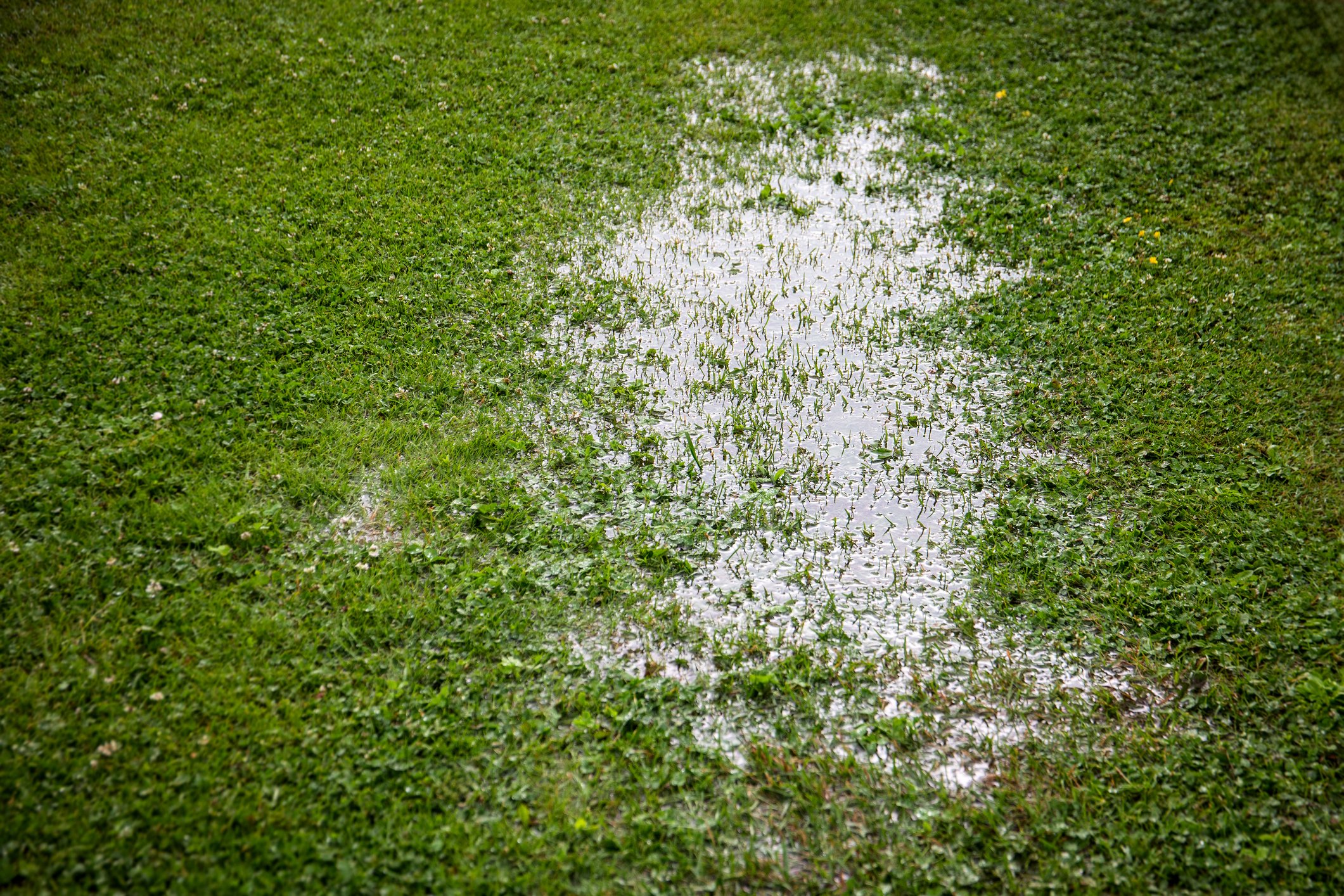
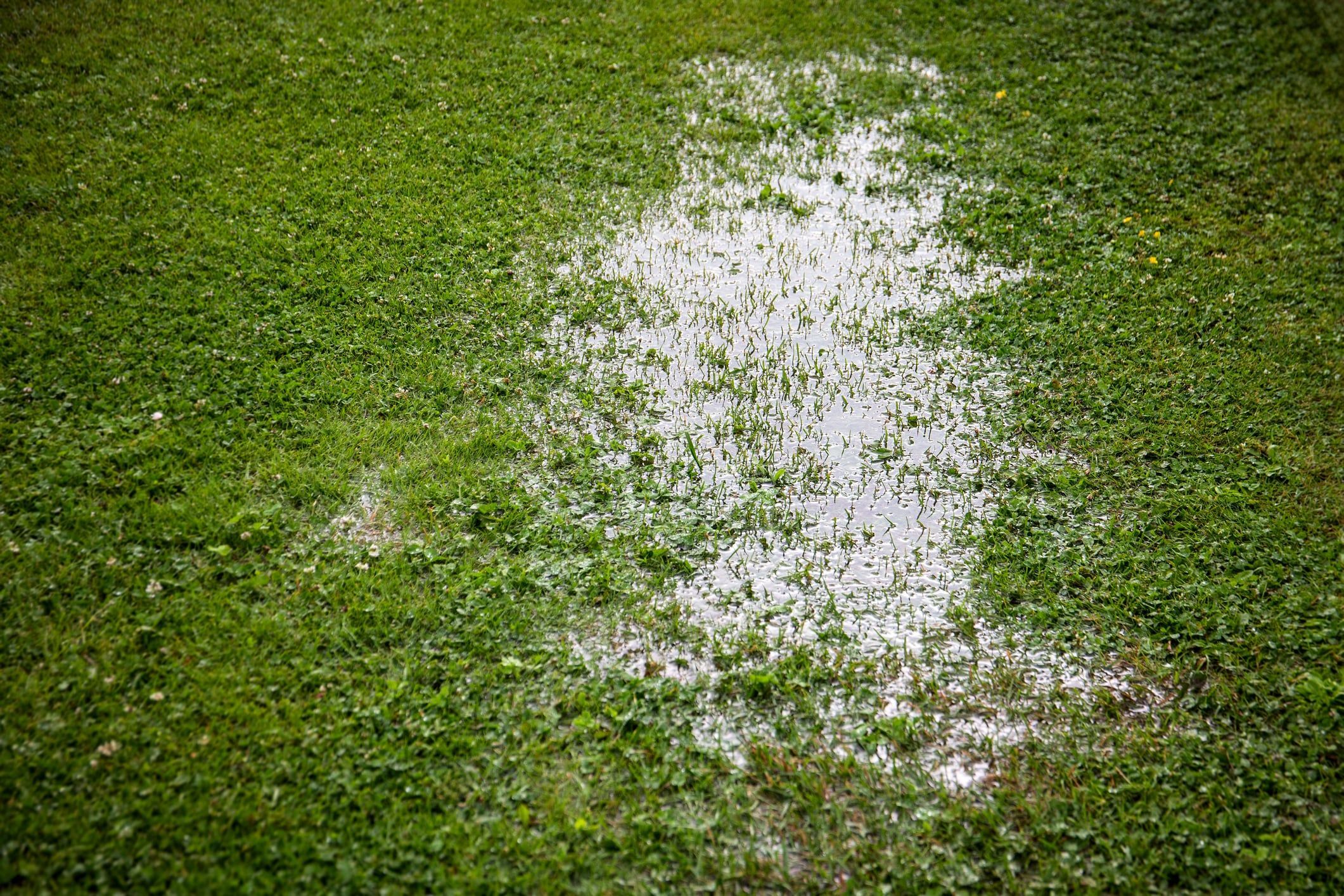
- Water bubbling through the lawn
- Zones failing to activate
- Uneven watering patterns
When we evaluated the system, the root cause became clear.
The original installation had used lower‑grade materials and several pipe connections had weakened over time.
After upgrading key components and improving the zone layout, the system began operating reliably again.
This is something we see often across the DMV.
A few strategic improvements can dramatically extend the life of an irrigation system.
Best Practice #1: Use Durable Irrigation Materials
The foundation of any long‑lasting irrigation system is the materials used during installation.
Across Washington DC, Northern Virginia, and Maryland we typically rely on durable materials such as:
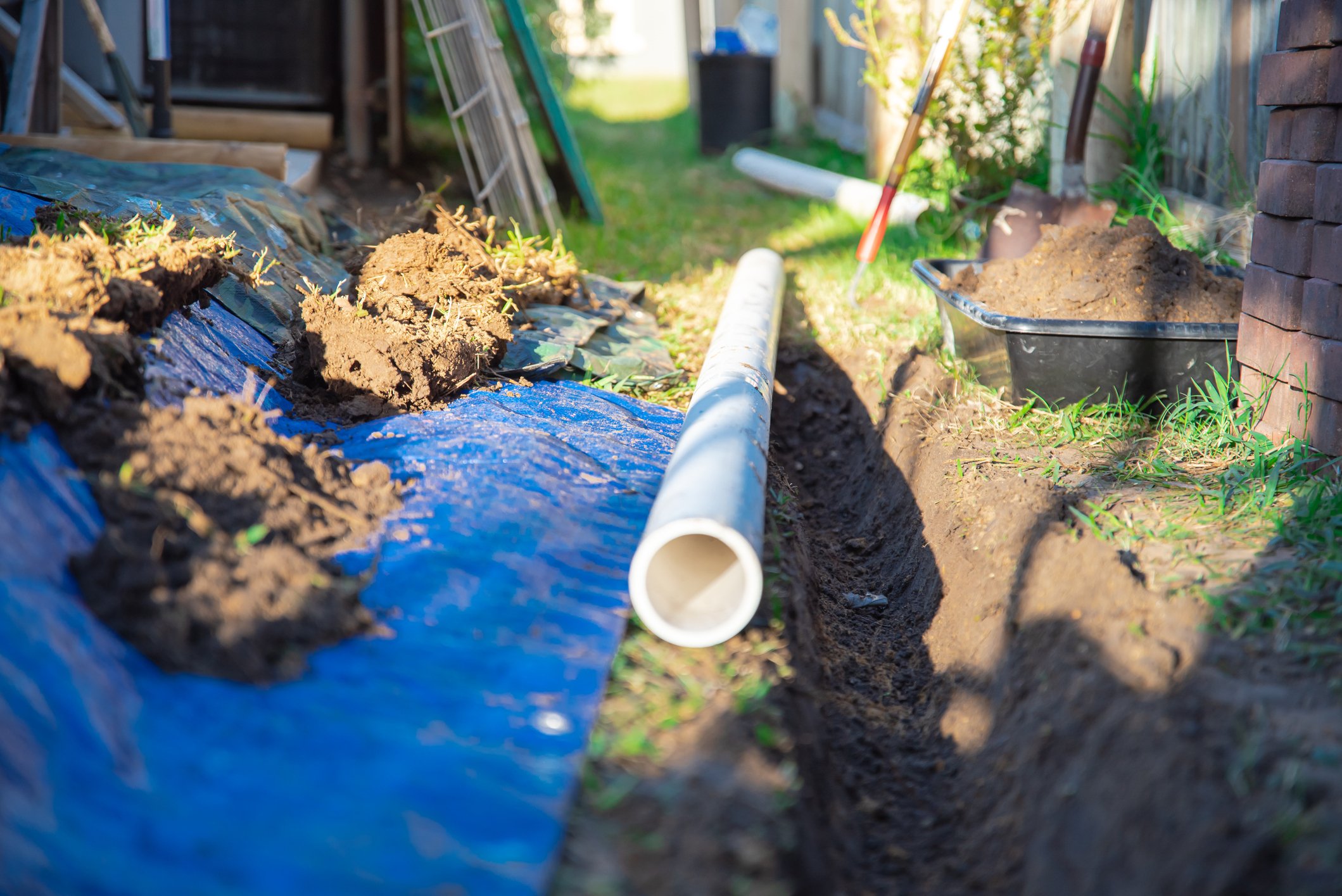
- Schedule 40 PVC irrigation pipe
- Polyethylene piping for flexible zones
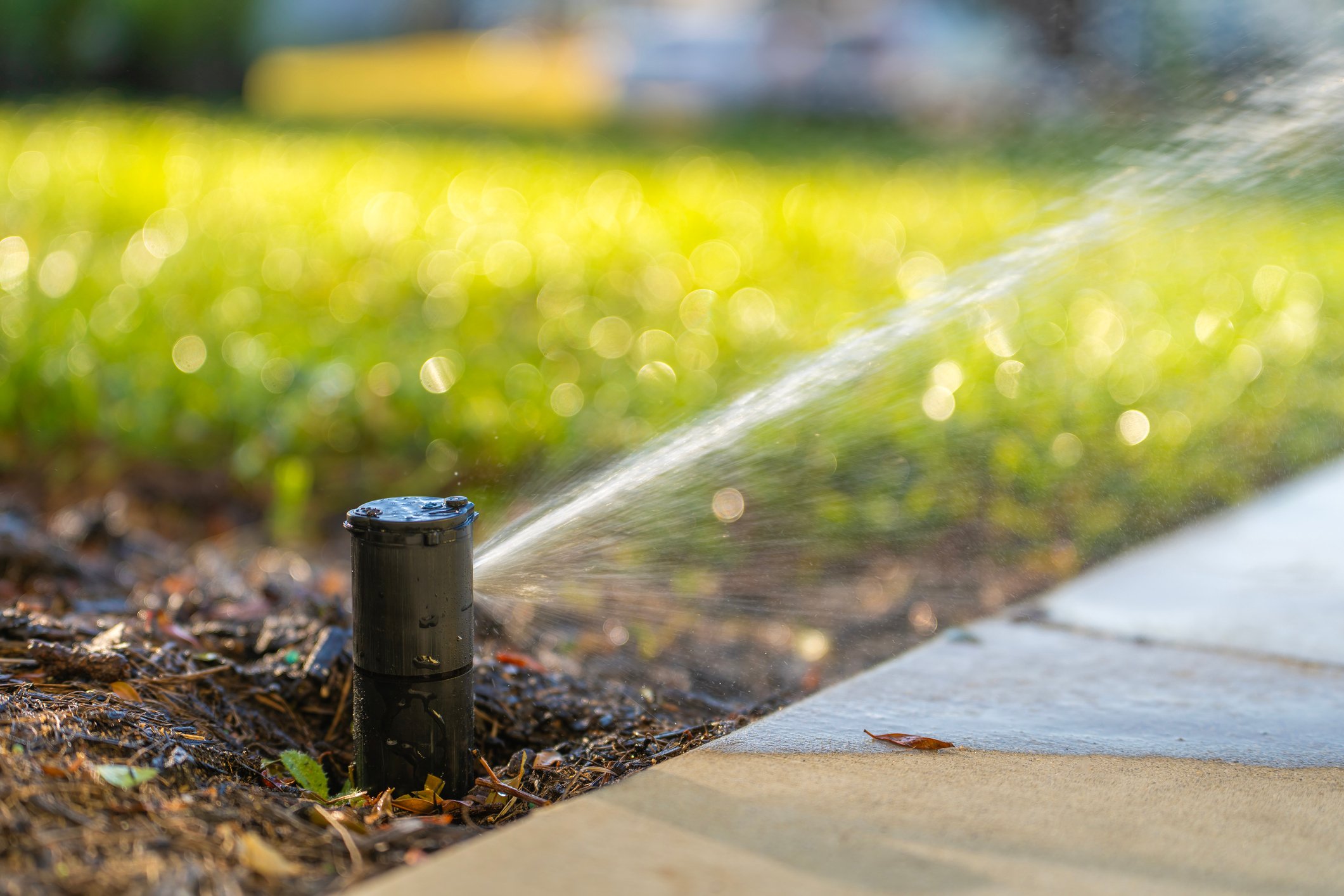
- Heavy‑duty sprinkler heads
- High‑quality irrigation valves
These materials are designed to withstand years of underground pressure and environmental changes.
While cheaper components may reduce installation costs initially, they often lead to higher repair costs later.
Best Practice #2: Maintain Proper Water Pressure
Water pressure plays a major role in irrigation durability.
If pressure is too high, sprinkler heads and fittings experience unnecessary stress.
If pressure is too low, coverage becomes weak and uneven.
Professional irrigation design balances pressure across zones so each component operates within its ideal range.
This significantly reduces wear on the system.
Best Practice #3: Design Zones Correctly
Another factor that influences irrigation longevity is zone design.
Each irrigation zone should contain a balanced number of sprinkler heads based on available water pressure.
If too many heads run at once, pressure drops and the system struggles.
If too few heads operate in a zone, pressure may spike and damage fittings.
Well-balanced zones reduce strain on the entire irrigation network.
Best Practice #4: Separate Different Sprinkler Types
Across the DMV we frequently see irrigation systems where rotor heads and spray heads operate in the same zone.
These heads distribute water at different rates and should almost always be separated.
Mixing head types can cause inconsistent watering and unnecessary system stress.
Separating zones ensures each sprinkler type performs as intended.
Best Practice #5: Schedule Seasonal Maintenance
Even the best irrigation system requires occasional maintenance.
Routine inspections help identify small problems before they become expensive repairs.
Typical seasonal maintenance includes:
- Checking sprinkler head alignment
- Inspecting valves
- Monitoring water pressure
- Adjusting watering schedules
These simple steps keep systems operating efficiently year after year.
Best Practice #6: Winterize the System
One of the most important steps for irrigation durability in the Mid‑Atlantic region is winterization.
When water remains inside pipes during freezing temperatures, the expansion of ice can crack pipes and fittings.
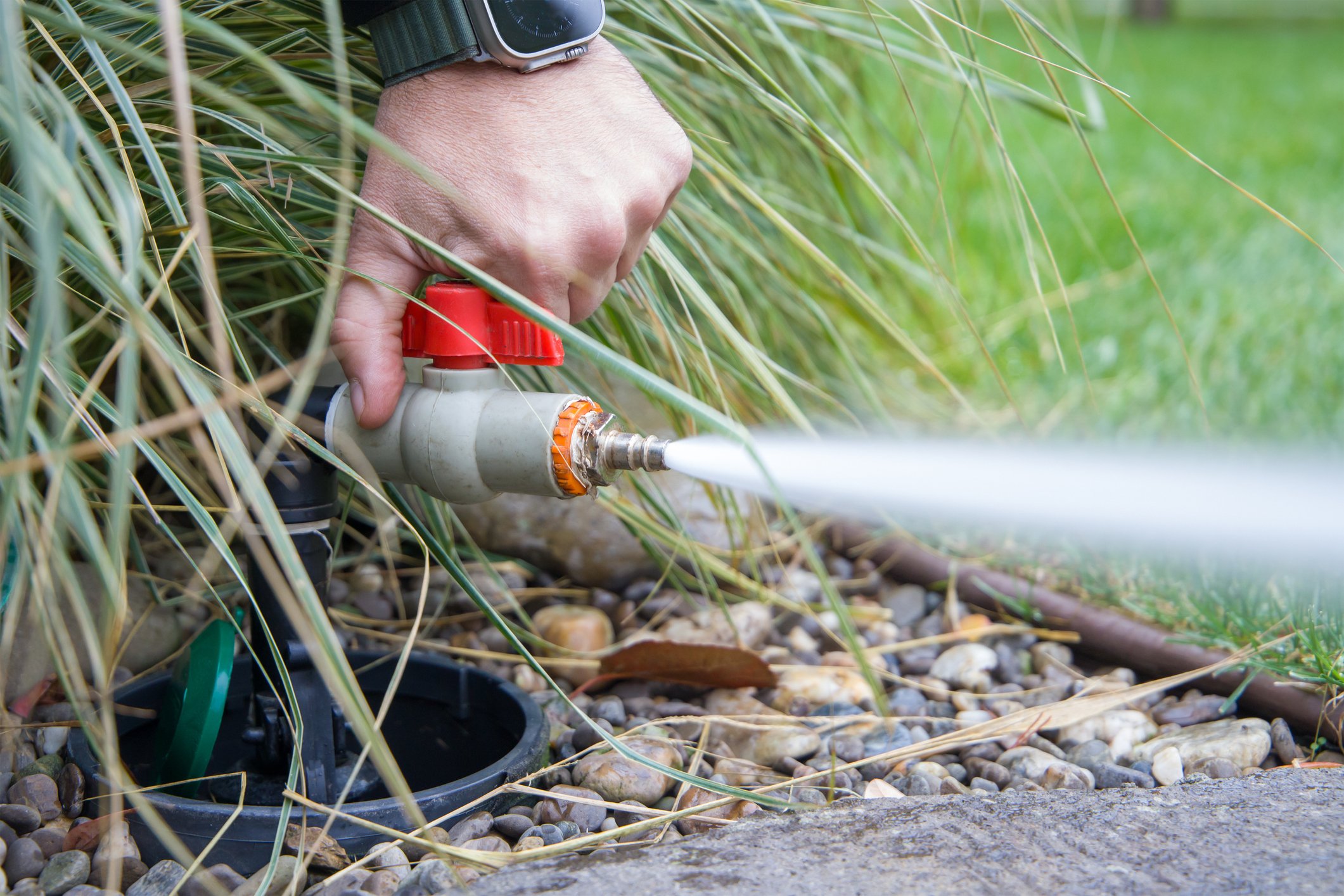
Professional winterization removes water from the system using compressed air.
This prevents freeze damage and protects the irrigation infrastructure.
Across Maryland, Northern Virginia, and DC, skipping winterization is one of the fastest ways to shorten the lifespan of an irrigation system.
Why Durability Matters for Homeowners
A durable irrigation system benefits homeowners in several ways.
First, it reduces repair costs over time.
Second, it keeps the lawn healthy with consistent watering.
Third, it prevents wasted water and inefficient irrigation cycles.
When irrigation systems operate properly, homeowners spend far less time worrying about dry spots, leaks, and broken sprinkler heads.
Warning Signs Your Irrigation System Needs Attention
Even durable irrigation systems occasionally need adjustments.
Homeowners should watch for these warning signs:
- uneven watering across the lawn
- frequent broken sprinkler heads
- zones not activating
- water bubbling through the soil
These symptoms often indicate pressure imbalance or worn components.
Addressing them early can prevent larger system failures.
A Lesson From 42 Years in the Field
After helping thousands of homeowners across the DMV maintain their irrigation systems, one lesson stands out.
Durability always begins with good design.
When irrigation systems are designed thoughtfully, installed with quality materials, and maintained seasonally, they can operate reliably for decades.
Final Advice From Bob Carr
If you want your irrigation system to last, focus on long‑term durability instead of short‑term fixes.
High‑quality materials, balanced zone design, and regular maintenance make a huge difference in system longevity.
And after helping homeowners across Washington DC, Northern Virginia, and Maryland for more than 42 years, I can say this with confidence:
The most durable irrigation systems are the ones built correctly from the start and cared for consistently over time.