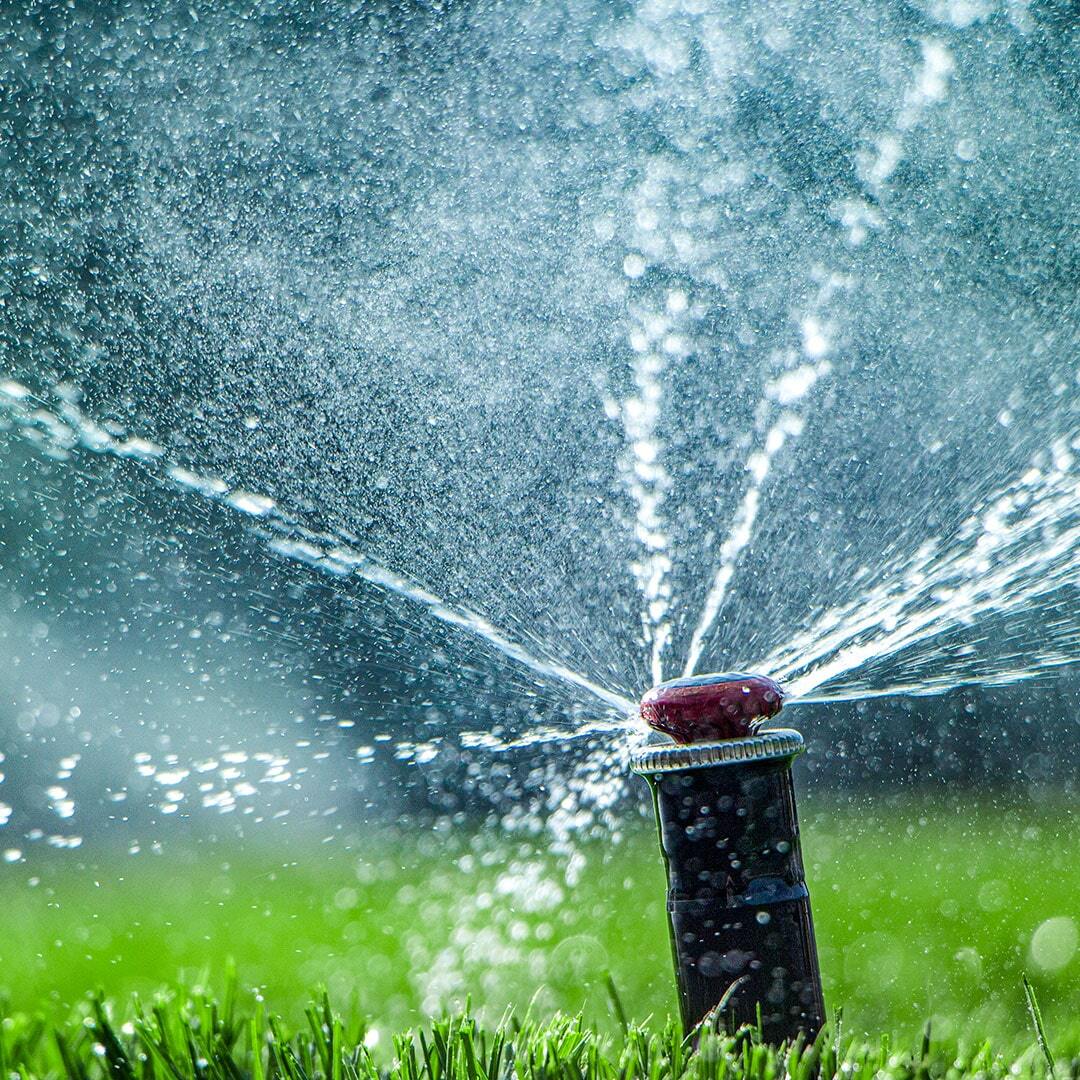
If you’ve ever looked at your water bill during the summer and thought, “Why is it so high?” — you’re not alone.
Many Maryland homeowners see their bills spike between May and September. And one of the biggest culprits? Inefficient irrigation systems that run too long, too often, or at the worst possible times.
But there’s a smarter way to water your lawn — and it can save you hundreds of dollars a year. It’s called smart irrigation, and it’s changing the game for homeowners from Pasadena to Severna Park to Annapolis.
In this article, we’ll break down what smart irrigation is, how it works, how much you can expect to save, and why now is the perfect time to upgrade.
What Is Smart Irrigation?
Smart irrigation systems use weather data, soil sensors, and advanced controllers to water your lawn more efficiently. Instead of running on a rigid timer, they adapt to actual conditions — saving water and money.
Think of it like a smart thermostat for your yard.
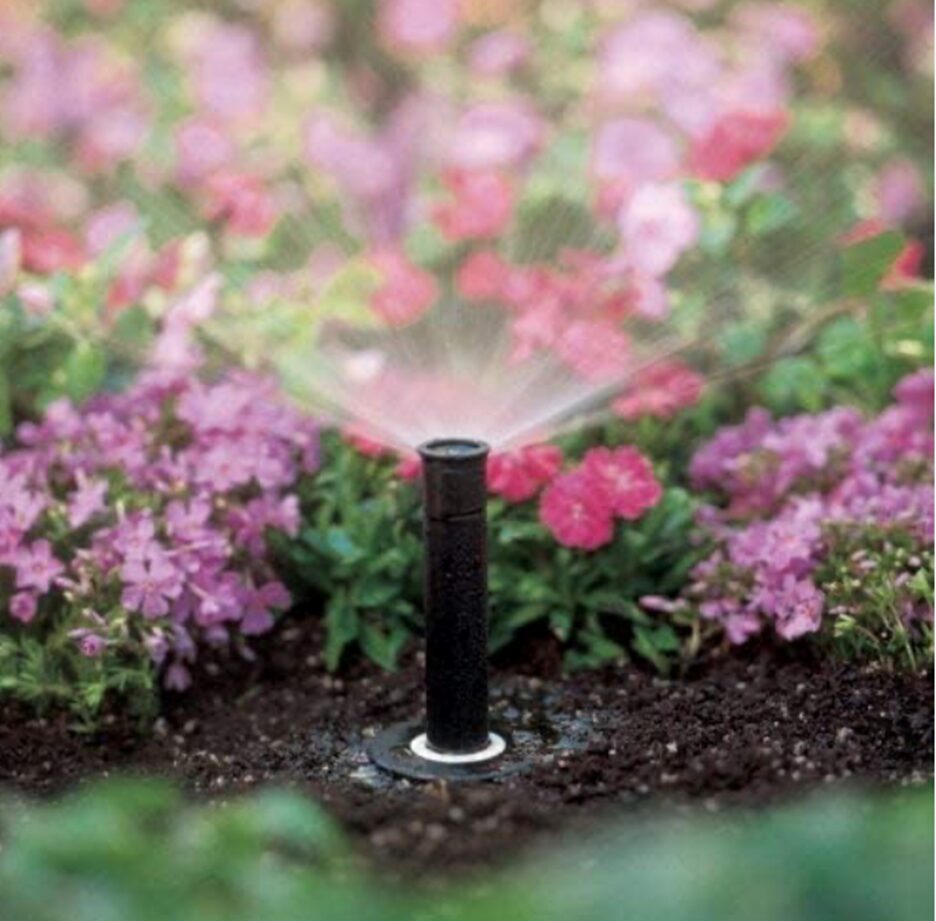
Key Features: – Weather-based scheduling (adjusts for rain or humidity) – Soil moisture sensors – Remote control via smartphone – Water usage monitoring and leak alerts – Seasonal adjustments built in
Bob Carr Says: “Smart irrigation isn’t just convenient — it’s the smartest money-saving move you can make for your landscape.”
Why Maryland Yards Waste So Much Water
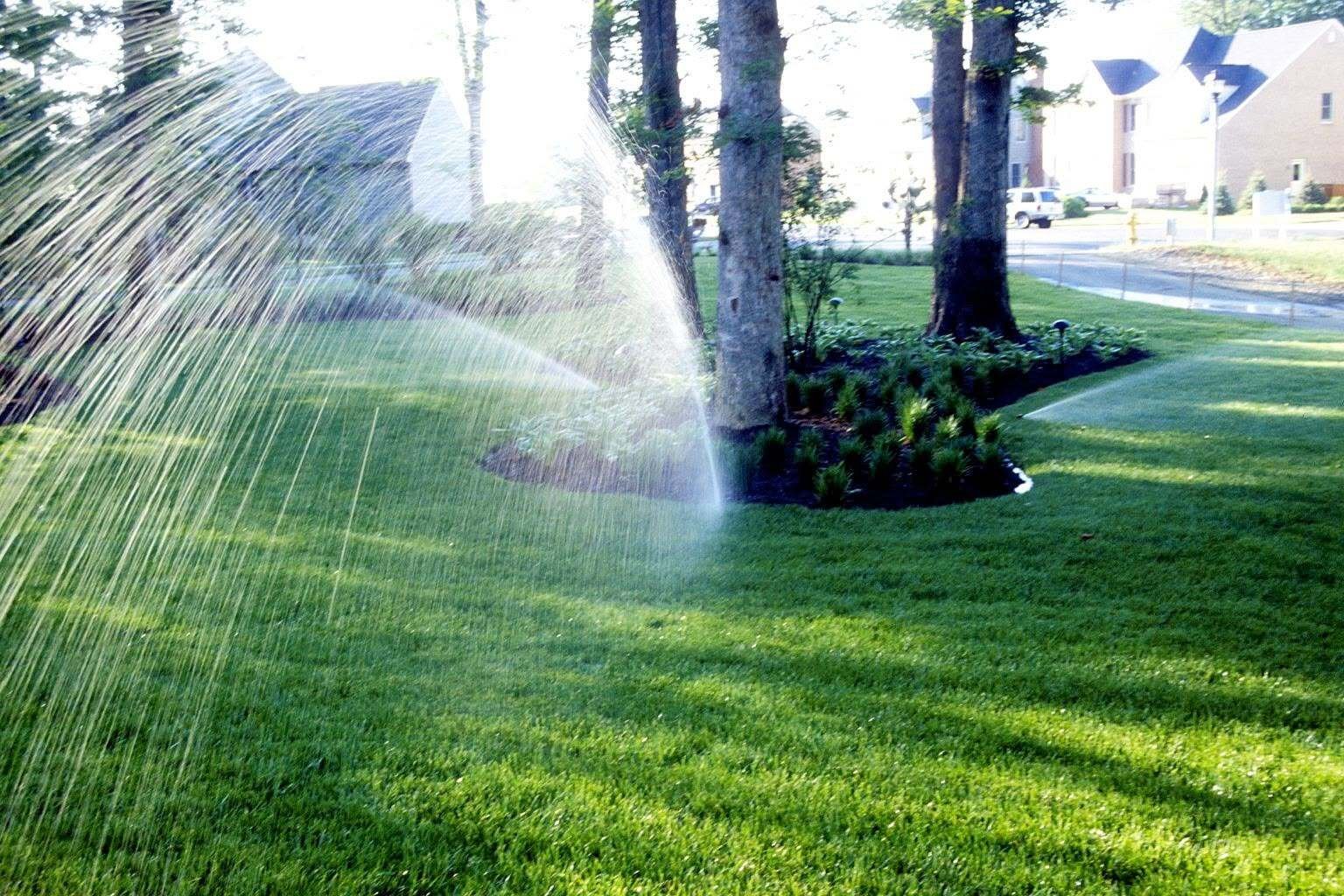
Most traditional sprinkler systems are set-it-and-forget-it. They run every few days — rain or shine — and usually at the wrong time of day.
That leads to: – Overwatering in spring and fall – Evaporation loss during mid-day cycles – Runoff waste on slopes or compacted soils
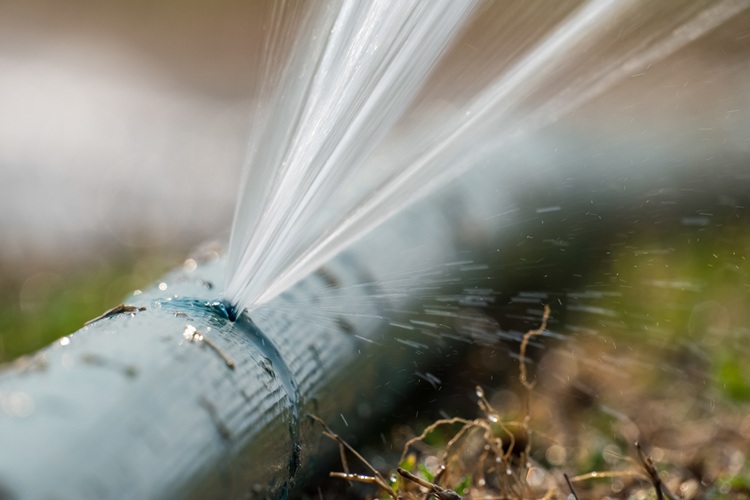
And if you have a system leak or broken sprinkler head, you might not notice for weeks — by then, you’ve already wasted thousands of gallons.
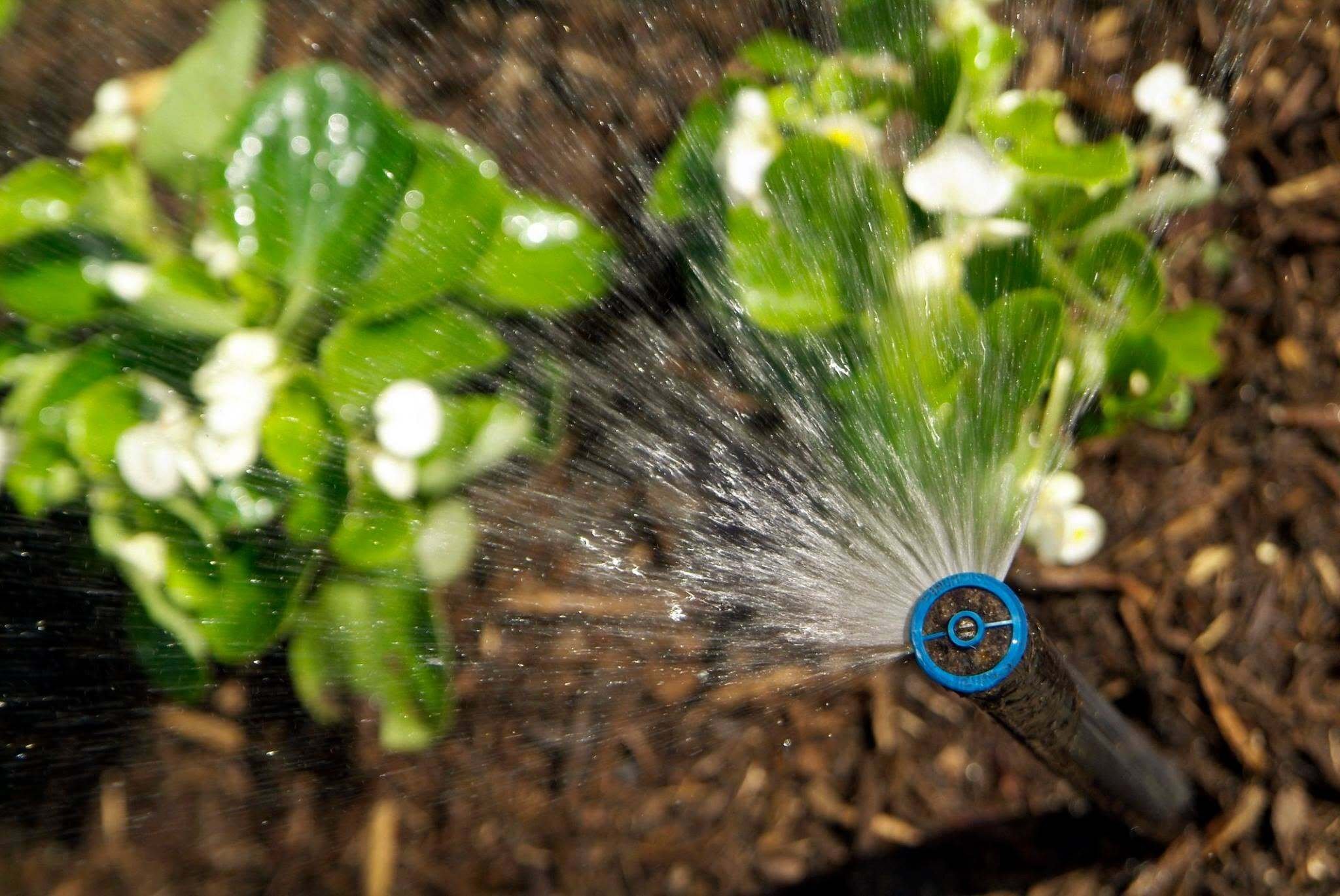
Smart systems solve all that. They water only when needed — and exactly where it’s needed.
Real Savings: How Much Can You Expect to Save?
National studies show that homeowners can save 20–50% on their outdoor water usage by switching to smart irrigation.
In Maryland, where summer watering bills can add $40–$100 per month, that’s $200–$600 per year — sometimes more for larger properties.
Examples: – Pasadena homeowner with a 1/3-acre lawn: Saved $312 the first year after upgrading to a Rachio smart controller and soil sensor combo. – Severna Park property with flower beds and turf: Reduced water use by 40%, saving $550+ in one summer. – Annapolis waterfront lawn: Installed zone-based control with rain sensors and eliminated wasteful runoff into the bay.
How Smart Irrigation Helps the Environment
It’s not just about saving money — smart irrigation protects our local waterways.
Overwatering leads to runoff, which picks up fertilizers, pesticides, and pollutants and carries them into the Chesapeake Bay. By watering smarter, you reduce runoff and protect one of Maryland’s greatest natural treasures.
Bonus: You’ll get a healthier lawn, too. Grass thrives when it’s watered consistently and deeply — not drowned every few days.
What Does a Smart Irrigation Upgrade Involve?
It depends on your current setup, but most upgrades include:
- Smart Controller: The brain of the system. Installed inside your garage or on the wall near your irrigation box. Connected to Wi-Fi.
- Rain Sensor: Tells your system when to skip watering during or after rain.
- Soil Moisture Sensor: Measures how dry your lawn truly is.
- Zone Upgrades: We may fine-tune your sprinkler zones for better coverage.
Most of our clients can be fully upgraded in 1–2 days.
Best Smart Irrigation Controllers for Maryland Homes
Version 1.0.0
We install and service:
- Rachio 3 – Great app interface, weather intelligence, Alexa compatible
- Rain Bird ARC8 – Reliable brand, solid zone control, strong support
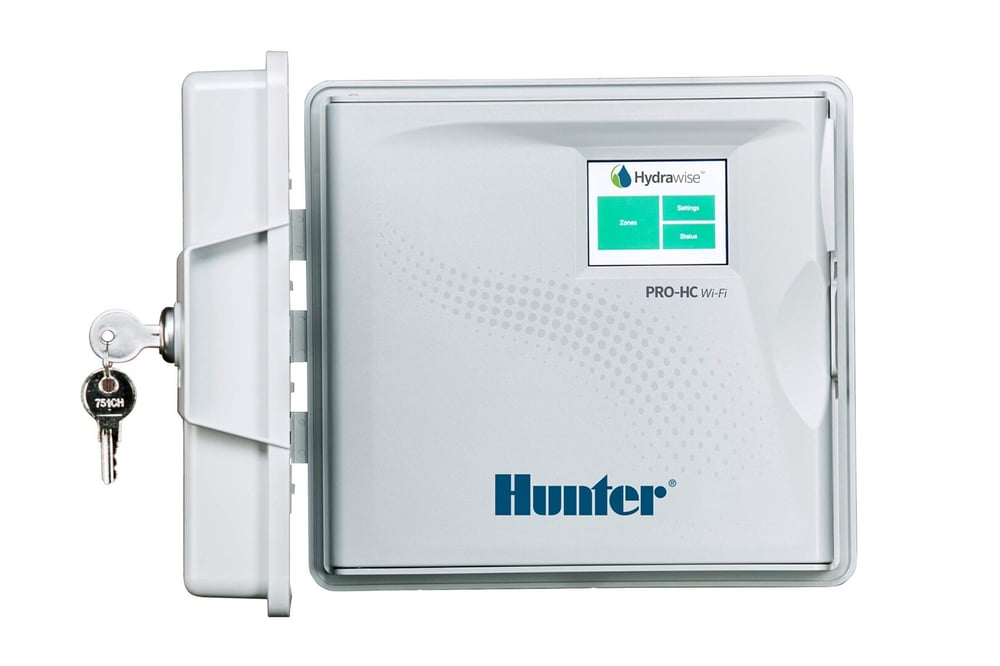
- Hunter Hydrawise – Pro-grade features, great for large properties
Each controller is paired with the right sensors for your yard size and layout.
Can Smart Irrigation Work with Existing Systems?
Yes! In fact, most homeowners don’t need to replace their entire sprinkler system. We can retrofit smart tech onto existing valves and heads.
We’ll inspect your current setup and recommend the best way to modernize without breaking the bank.
Are There Rebates or Incentives Available?
In some Maryland counties, water conservation rebates are available for smart irrigation upgrades. These can range from $50–$200 depending on the controller and components installed.
Check with your local water authority, or we’ll help you apply during the install process.
When Is the Best Time to Upgrade?
Right before the watering season begins — early spring — is ideal. But honestly, any time you’re paying high water bills is the right time.
Fall is also a smart time to plan upgrades so you’re ready to go next spring.
Seasonal Irrigation Calendar for Maryland Homeowners
Here’s a month-by-month guide to how smart irrigation systems adapt throughout the year:
March–April: – Activate system – Smart controller begins tracking spring rainfall – Light watering 1–2 times/week depending on weather
May–June: – System increases frequency as temperatures rise – Smart sensors prevent overwatering from spring storms
July–August: – Peak summer use – Deep, infrequent watering every 2–3 days depending on zone – Run times may increase slightly in full sun areas
September–October: – Reduction in watering needs as temperatures drop – Smart controller automatically cuts back to 1–2 times/week
November–February: – System is winterized and shut down – Smart controller logs data for the next season
A smart controller handles these shifts automatically — no guesswork required.
Final Thoughts from Bob Carr
Every year, we talk to Maryland homeowners frustrated with high water bills and underperforming sprinkler systems.
They don’t want to waste money. They don’t want to hurt the Bay. And they’re tired of guessing when to water.
Smart irrigation fixes all that. It’s not just a trend — it’s the future of landscaping.
If you’re curious what a smart irrigation upgrade would look like for your yard — let’s take a look together. We’ll give you honest advice, walk you through your options, and help you start saving water and money.
Give us a call. Let’s make your lawn a little smarter — and your wallet a little happier.
– Bob Carr & The TLC Team
Topics: