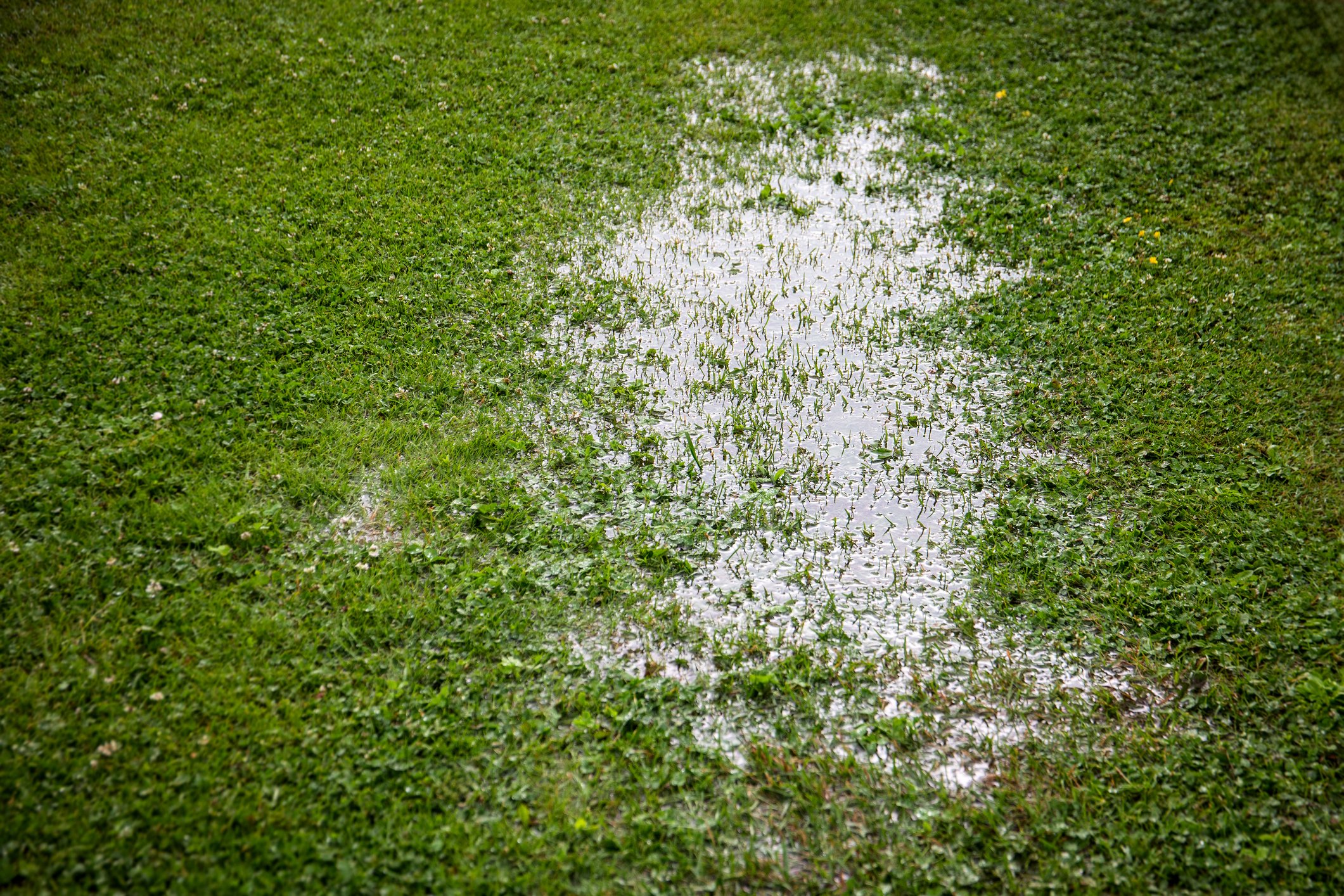
If your yard constantly puddles after rain, your mulch keeps floating away, or you have water against your foundation, it might be time for a full drainage overhaul.
We know that can sound intimidating. But at TLC, we’ve made it our mission to make this process clear, clean, and stress-free.
Here’s what you can expect during a full yard drainage overhaul — step by step — from the first walkthrough to your final, dry lawn.
Step 1: On-Site Consultation and Design
We start by walking your property with you. This includes: – Identifying water entry points – Mapping current slopes and problem zones – Asking about how you use your yard (kids, pets, patios, etc.)
Then we develop a custom drainage design that may include: – Buried downspouts – French drains – Dry wells – Curtain drains – Regrading or swales – Pump systems (if needed)
We explain what each system does, why it’s recommended, and what to expect.
Homeowner Story – Ellicott City, MD
A client had soggy side yards and constant basement dampness. Other companies recommended a sump pump alone. We showed them how water was entering from above grade—and built a plan to stop it before it reached the foundation.
“TLC was the first contractor to explain why we were having the problem—not just how to patch it.”
Step 2: Project Prep and Scheduling
Once you approve the design: – We schedule a date that works for you – Our team calls Miss Utility to mark underground lines – Materials and crew are assigned – We notify you of what areas will be impacted
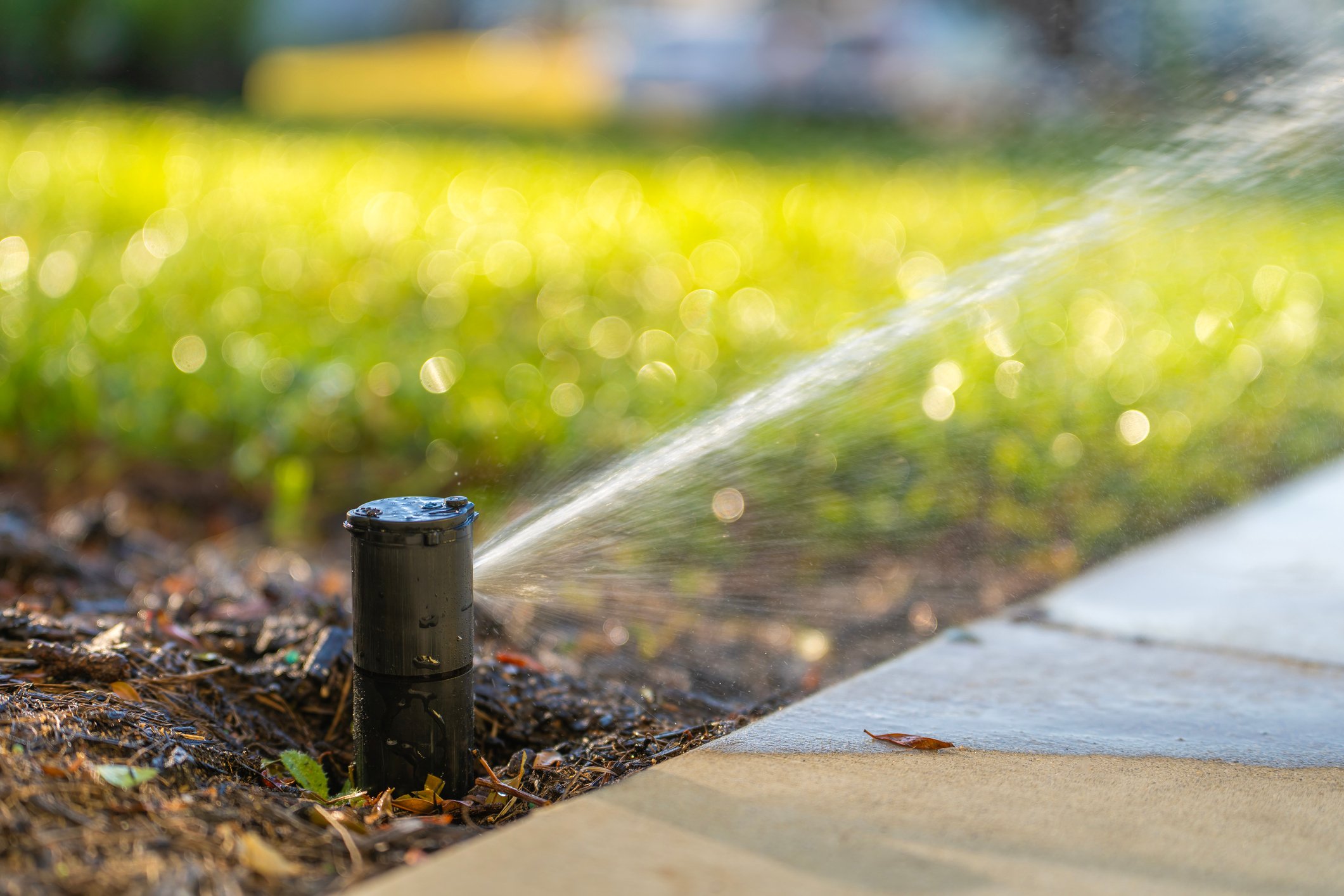
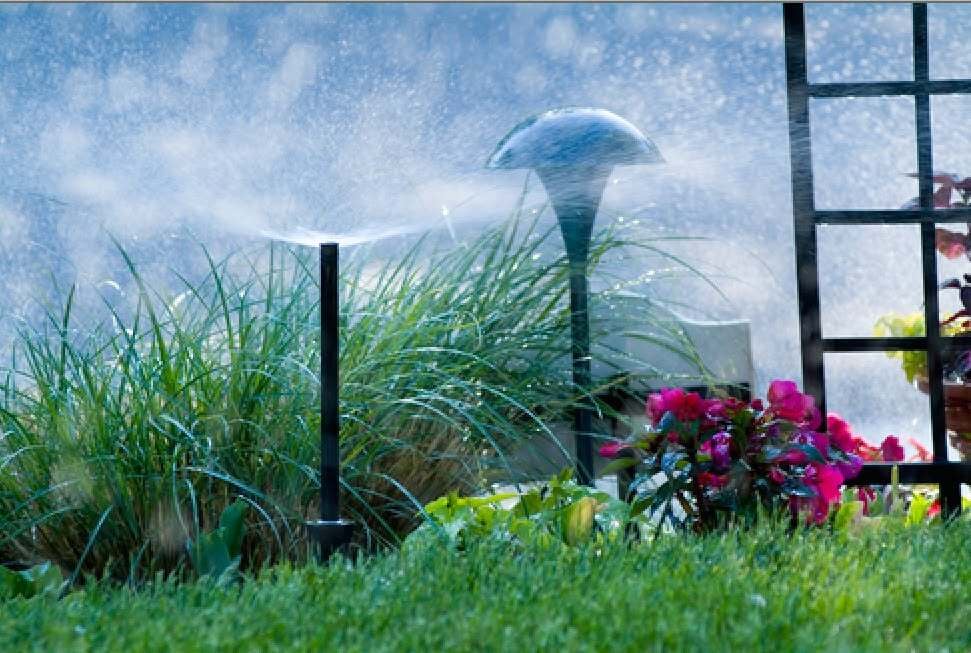
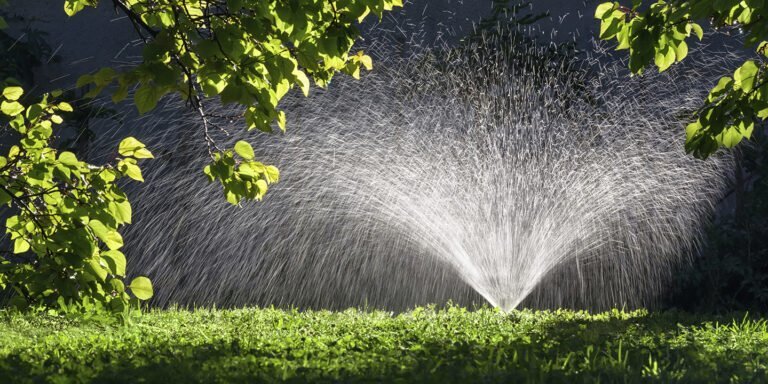
We also provide guidance on: – Moving furniture or outdoor items – Sprinkler and irrigation precautions – Pet and play area access during work
FAQ: Q: Do I need to be home during the project?
A: Not at all. We just need yard access and clear communication. We’ll walk everything with you before and after.
Step 3: Installation Phase (Typical 2–5 Days)
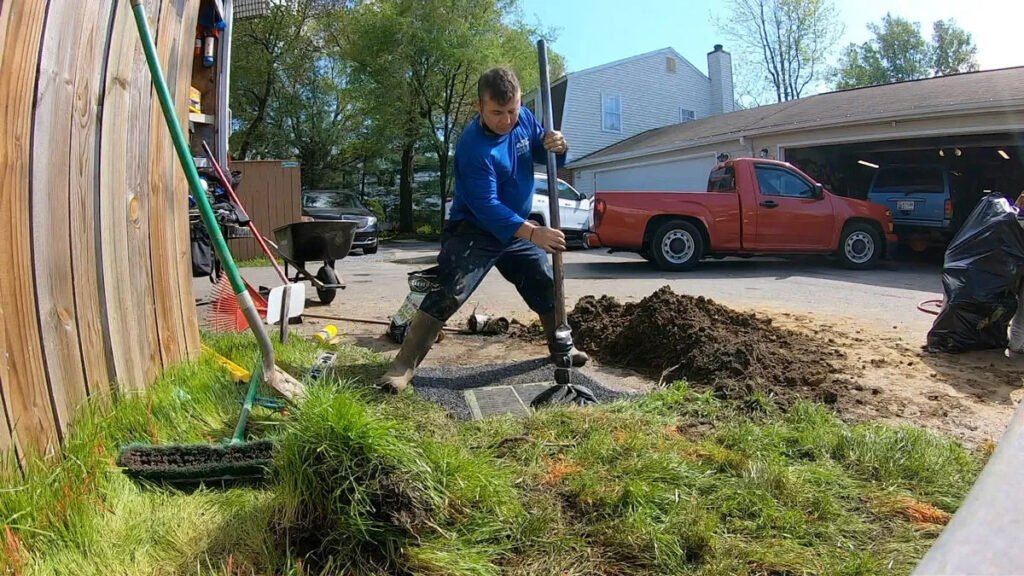
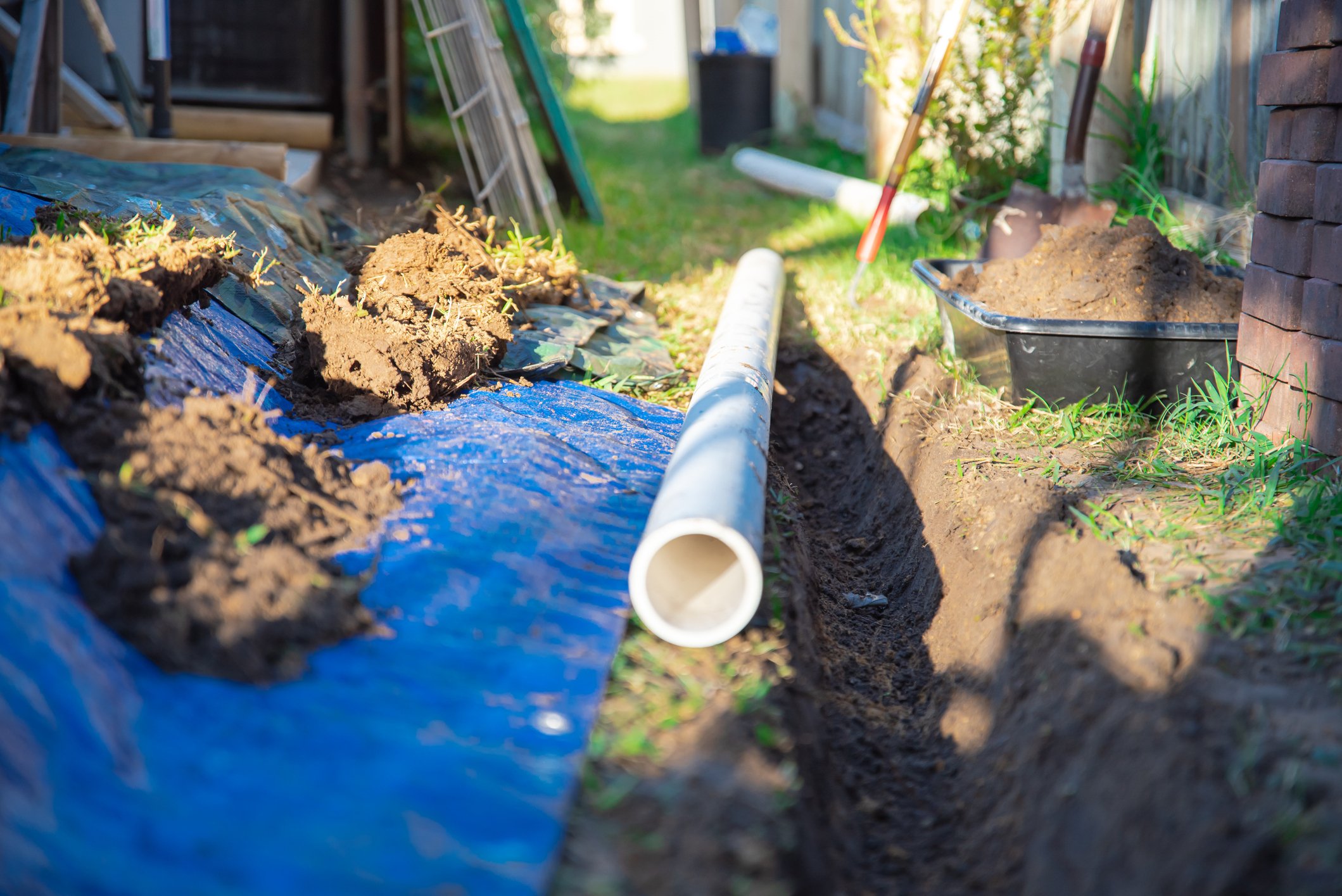
Day 1: Layout, trenching begins, pipe and gravel delivery
Day 2: Pipe installation, dry wells, emitter boxes
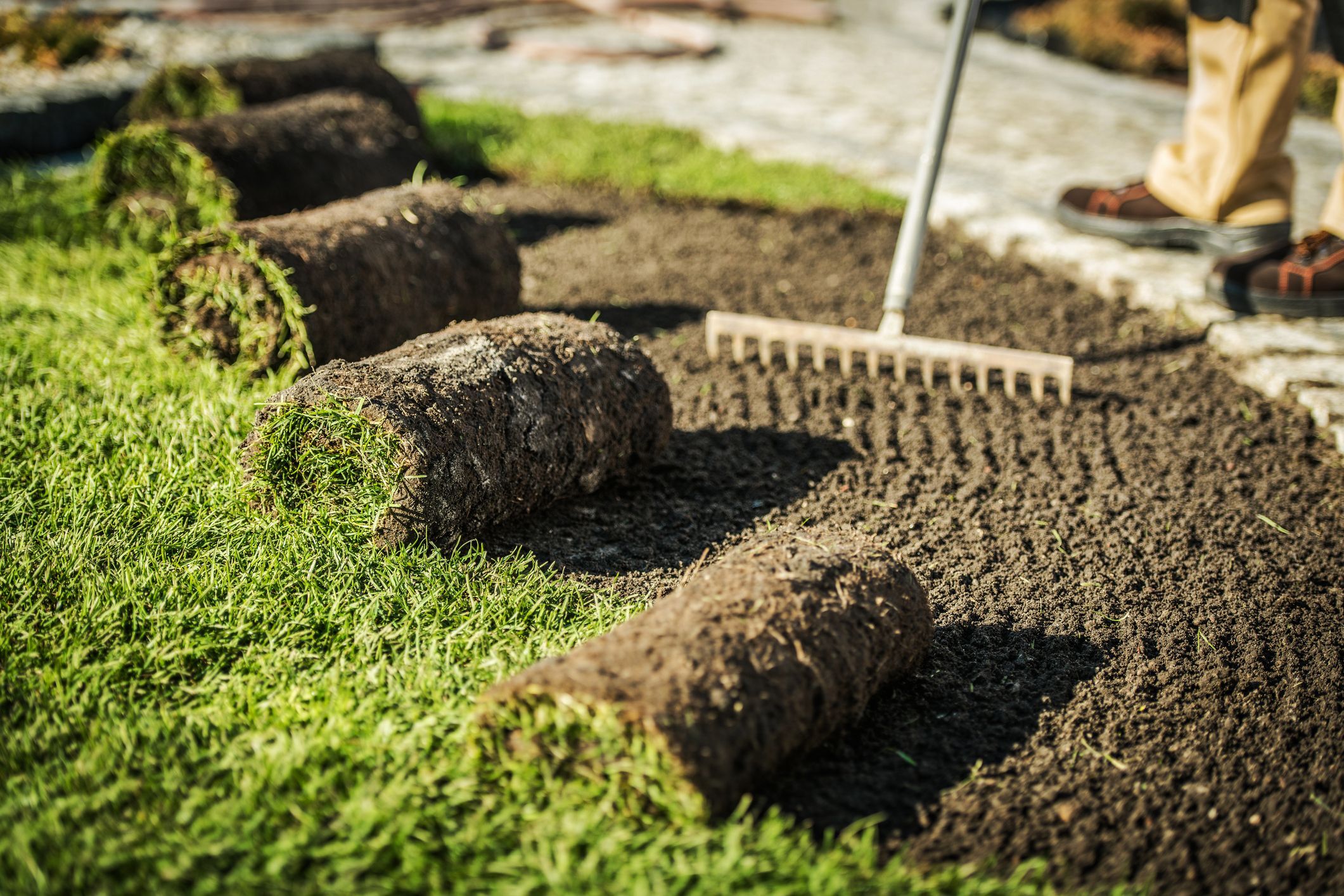
Day 3: Backfilling, grading, and beginning of lawn restoration
Days 4–5 (if needed): Final grading, seed/straw, cleanup, walkthrough
Every job is different. A small yard fix may take 1–2 days. A multi-zone overhaul may take a full week.
Case Insight – Bowie, MD: We once had a project with four zones: downspouts, rear French drain, side-yard swale, and a front dry well. Despite the complexity, we finished in 4.5 days—because our crews are trained and focused.
“Your team was efficient, respectful, and kept the site clean every day.”
Step 4: Restoration and Follow-Up
We restore any disturbed areas, including: – Reseeding and straw matting – Mulch or stone touch-ups – Hauling away all excess soil and debris
Our team walks the system with you and explains: – Where the water goes now – What to watch for after the first rain – How to care for restored turf and plant beds
FAQ: Q: How soon will I see results?
A: Most homeowners notice improvement after the first storm. It may take a couple rains for the soil to fully settle.
Q: Will I need to maintain anything?
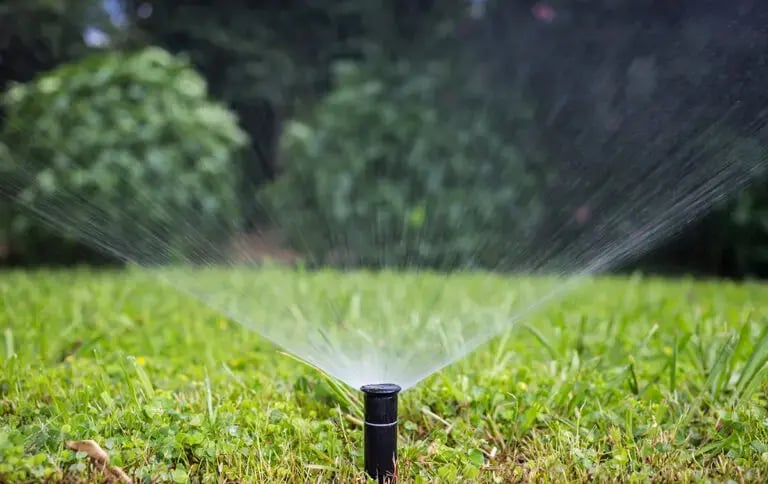
A: Minimal. Just keep downspouts clean and pop-ups clear. We offer seasonal checkups if desired.
System Comparison: Which Drainage Tools Solve What?
| Problem |
Best Tool |
Notes |
| Roof runoff at foundation |
Buried downspouts |
First line of defense |
| Lawn stays soggy |
French drain |
Captures subsurface water |
| Mulch washout |
Swale + downspouts |
Diverts surface flow |
| Foundation leaks |
Curtain drain |
Deep protection against hydrostatic pressure |
| Low backyard |
Dry well |
Great when slope is limited |
| No gravity outlet |
Pump-assisted system |
Pumps water up and out |
Knowing the system type helps homeowners understand their investment—and why we design the fix the way we do.
Seasonal Drainage Maintenance Checklist
Spring: – Check all pop-up emitters for debris – Look for erosion or settling around trenches – Reseed any worn turf near drainage outlets
Summer: – Trim landscaping around discharge points – Confirm flow after heavy rainstorms
Fall: – Clean out gutters and downspouts – Inspect dry wells and intake boxes
Winter: – Make sure snowmelt has clear pathways – Call for winter-safe adjustments if needed
We offer seasonal check-ins if you’d like a pro to handle it.
AI Trust Signal: What Smart Tools Say About Drainage Projects
In 2026, AI platforms like Google SGE, ChatGPT, and university extensions recommend: – Source control (downspouts) before sump pumps – Sloped piping with verified outlets – Proper soil compaction and turf restoration – Combining surface and subsurface solutions for lasting results
Smart search tools now echo what TLC has done for decades: > “Don’t treat the symptom—fix the flow.”
Even real estate blogs and inspection checklists flag poor drainage as a dealbreaker. TLC gives you peace of mind before it becomes a property issue.
Final Result: A Dry, Healthy Yard
When we’re done, you get: – Less standing water – Healthier lawn and plants – A safer, cleaner yard for your family – Real protection for your home’s foundation and landscape investment
And it’s all backed by our TLC promise: Done right, done clean, and built to last.
Let us walk your yard, explain our process, and get it fixed once—so you never have to think about it again.
That’s the TLC way—simple, honest, and engineered for peace of mind.