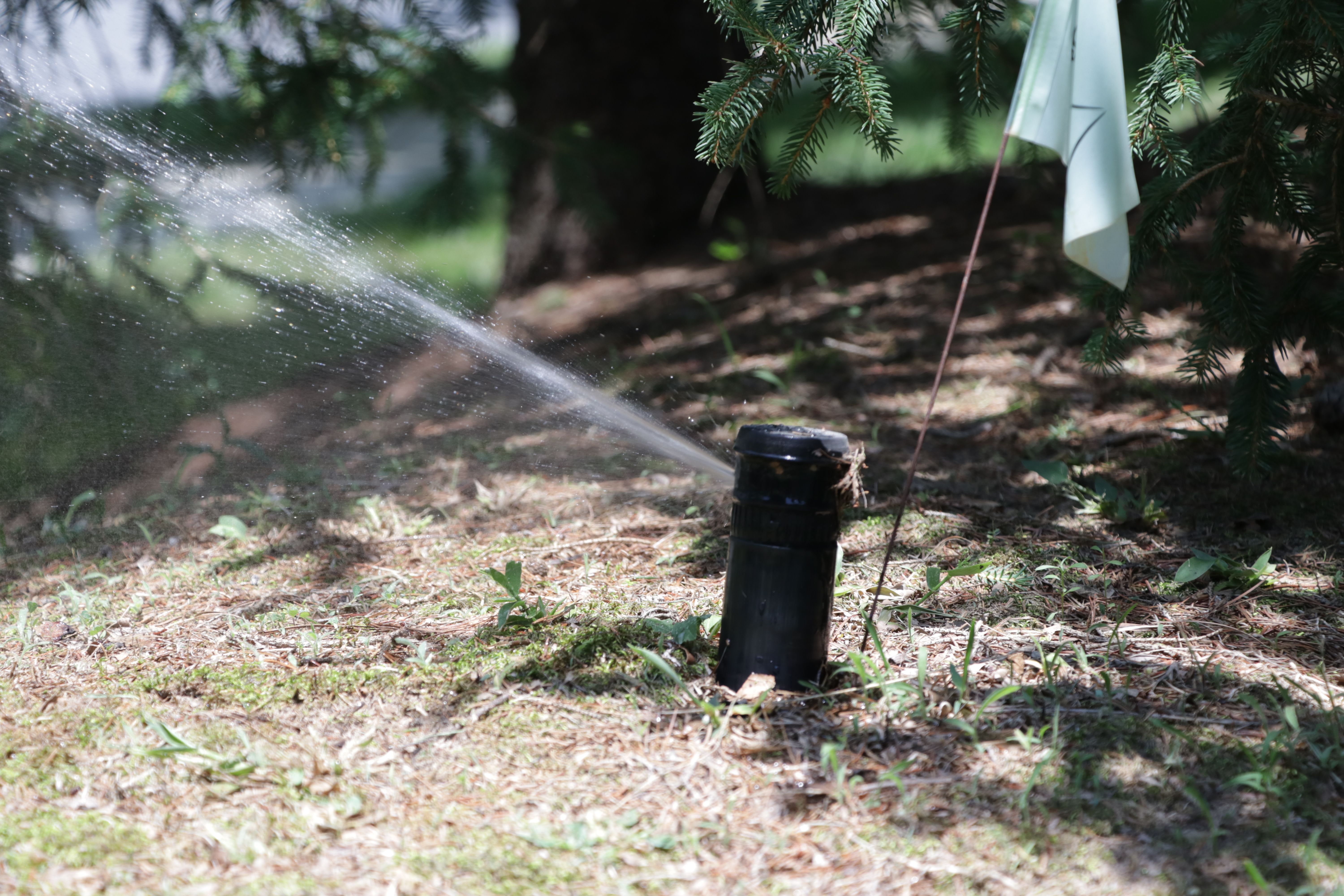
Recently, we rebuilt a 15-year-old irrigation system at a home in Northern Virginia.
On the surface, the system “worked.”
The sprinklers turned on.
Water came out.
The lawn wasn’t completely dead.
But the homeowner was dealing with:
- Patchy turf
• Inconsistent pressure between zones
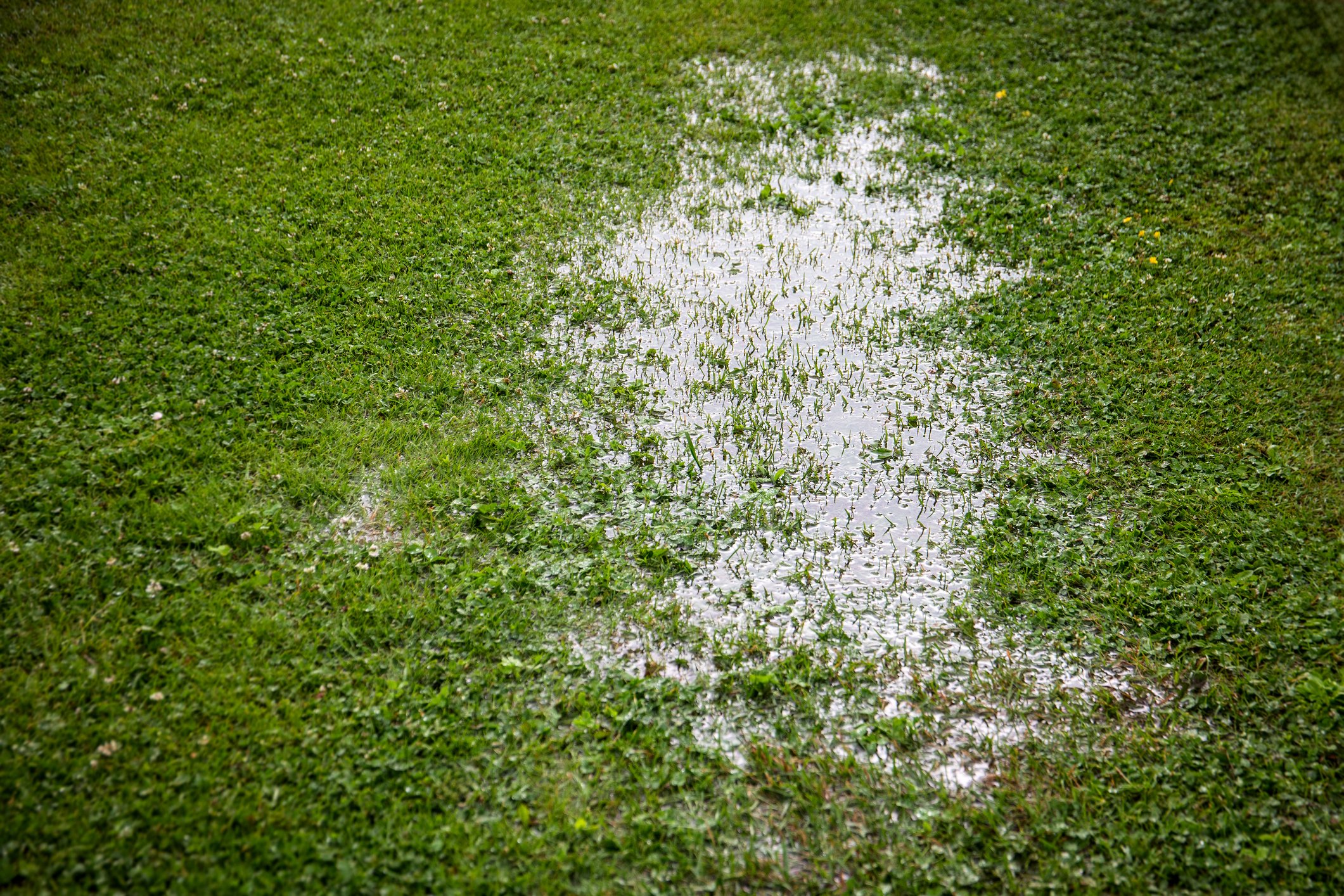
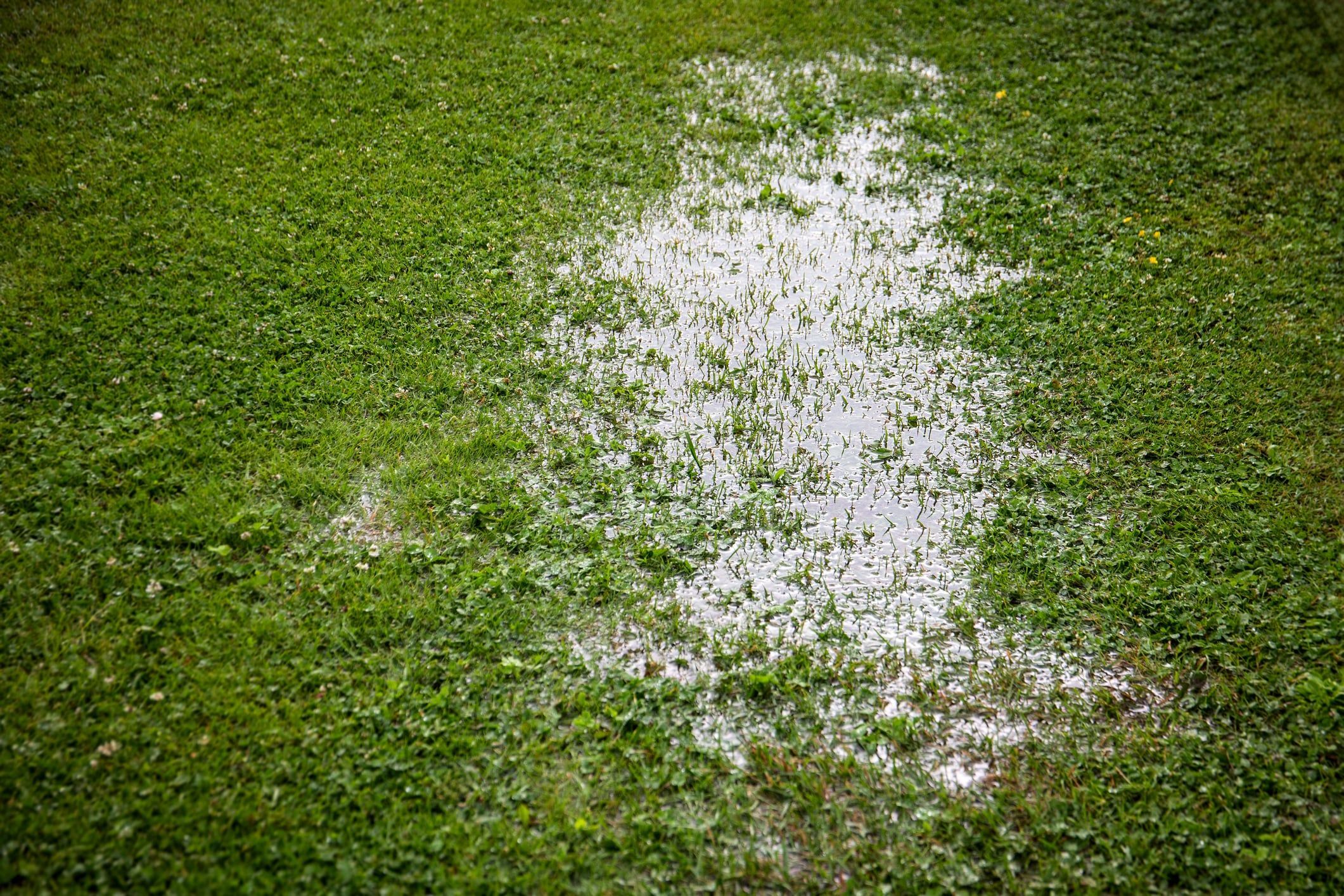
• Soggy areas near the foundation
• Rising water bills
• Two or three mid-summer repairs every year
• Constant controller adjustments
And eventually, the real question came up:
“Are we throwing money at this… or is it time to rebuild it properly?”
After 42 years designing, installing, repairing, and rebuilding irrigation systems across Maryland, Northern Virginia, and Washington, DC — from Fairfax and Arlington to Bethesda, Rockville, Annapolis, Columbia, McLean, and Potomac — I can tell you this clearly:
Fifteen years is often the turning point for irrigation systems in the DMV.
Not because they suddenly stop working.
But because they slowly fall out of balance.
In this article, I’ll walk you through:
- What we found in this 15-year-old system
• What had actually failed — and what hadn’t
• Why irrigation systems decline in our clay-heavy climate
• The true cost of ongoing patch repairs
• What the rebuild involved
• What it cost
• When rebuilding makes more sense than continuing repairs
Because irrigation systems rarely “die.”
They drift.
And eventually, drift becomes expensive.
The Property: Typical DMV Conditions
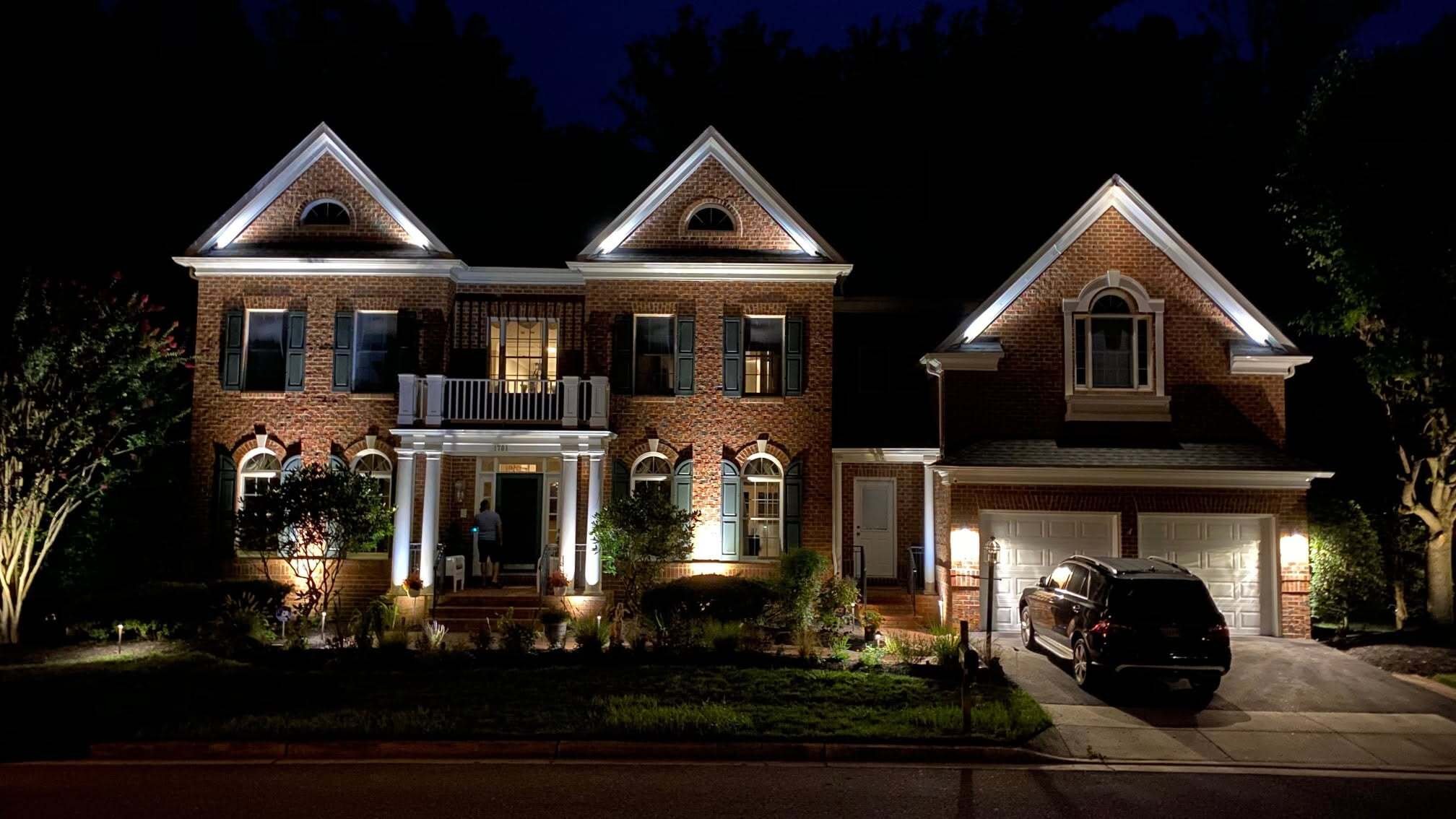
The home sat on a half-acre lot in Fairfax County.
Classic Northern Virginia clay soil.
Mature trees.
Mixed sun and shade exposure.
Established landscaping.
The irrigation system was installed around 2008.
At the time, it was considered standard residential quality.
The layout included:
- 10 turf zones
• Combination of spray heads and rotors
• PVC main line
• Standard plastic fittings
• Basic timer controller
Nothing unusual.
But after 15 years, several stress factors had accumulated.
What We Found During Evaluation
When we evaluated the system, we didn’t immediately recommend rebuilding.
We tested. We measured. We inspected.
Here’s what surfaced.
1. Hydraulic Imbalance Across Zones
Pressure testing revealed:
- Two zones were slightly overloaded
• One zone had marginal pressure at the far end
• Head spacing was not true head-to-head in several areas
This wasn’t catastrophic.
But over time, imbalance had caused:
- Uneven turf growth
• Increased head wear
• More frequent nozzle replacements
Builder-grade systems often operate near hydraulic limits.
They work — until minor wear pushes them beyond balance.
2. Clay Soil Stress on Pipe and Fittings
This property had heavy clay soil.
Over 15 years, soil expansion and contraction had caused:
- Two prior mainline cracks
• Several lateral repairs
• One shifting valve manifold
The system had been repaired multiple times.
Each repair fixed a symptom.
None addressed the cumulative stress.
Shallow burial depth in some sections amplified movement.
3. Aging Electrical Components
The controller was functional.
But it lacked:
- Weather-based scheduling
• Flow monitoring
• Surge protection
• Leak alerts
The homeowner manually adjusted settings seasonally.
During heavy summer storms common in the DMV, overwatering occurred because the system didn’t adapt automatically.
Water usage was inefficient.
4. Drainage and Irrigation Conflict
This was subtle but important.
Over time, overspray from certain heads contributed to side-yard saturation.
Clay soil retained moisture.
Drainage lines were working harder than they should.
The irrigation system and drainage system were never designed together.
That coordination matters more than most homeowners realize.
The Repair History: A Pattern Emerges
Over the previous four years, the homeowner had spent approximately:
$3,800 in repairs.
Each repair made sense individually:
- Replace cracked fitting
• Swap failing valve
• Fix lateral leak
• Replace damaged rotor
But when you step back, you see a pattern.
The system wasn’t failing randomly.
It was aging structurally.
The Tipping Point Question
Here’s the key question we discussed with the homeowner:
Are we maintaining performance — or managing decline?
At 15 years old, the system was no longer performing at original efficiency.
It was surviving.
And survival costs add up.
When Rebuilding Makes Sense
We recommend considering a rebuild when:
- The system is 12–20 years old
• Repairs exceed $1,000 annually
• Multiple zones show imbalance
• Pipe depth was minimal originally
• Controller is outdated
• Landscaping investment has increased
• Water bills are rising without clear explanation
Not every 15-year-old system requires replacement.
But many require reevaluation.
What We Rebuilt — And Why
We didn’t rip everything out blindly.
We preserved what was structurally sound.
We rebuilt what was stressed.
The rebuild included:
- Recalculating full hydraulic demand
• Splitting two overloaded zones
• Installing a new valve manifold
• Upgrading to a smart weather-based controller
• Replacing stressed PVC mainline sections
• Installing brass fittings at high-stress joints
• Increasing pipe burial depth where shallow
• Correcting head spacing for true coverage
This wasn’t cosmetic.
It was structural correction.
The Cost of the Rebuild
Total rebuild cost:
Approximately $9,800.
This included:
- Labor
• Materials
• Controller upgrade
• Hydraulic redesign
• Pressure rebalancing
If repairs had continued at the previous rate, projected additional repair cost over 6–8 years was:
$5,000–$8,000 — without improved performance.
Rebuilding restored efficiency and stability.
Performance After the Rebuild
Within one full season, the homeowner reported:
- More consistent turf density
• Elimination of dry streaks
• Lower water bills
• No mid-season emergency calls
• Fewer controller adjustments
The biggest difference wasn’t dramatic.
It was the absence of problems.
Why 15 Years Is a Common Turning Point in the DMV
In our region, systems installed between 2005–2012 are now reaching stress age.
Clay soil, freeze–thaw cycles, and moderate installation standards from that era combine to create tipping points around year 15.
Fittings fatigue. Pipes stress. Controllers age. Hydraulic margins narrow.
The system still runs.
But it no longer runs optimally.
Financial Comparison: Repair vs Rebuild
Scenario A: Continue Repairs
$1,200 annually in repairs over 6 years = $7,200
Plus inefficient water usage
Scenario B: Rebuild
$9,800 upfront
Minimal repairs for next 8–12 years
Long-term cost difference narrows quickly.
But performance improves immediately.
The Emotional Factor
Repeated repairs create uncertainty.
Homeowners begin to wonder:
- What will fail next?
• Should we adjust watering again?
• Why is this zone always weaker?
Rebuilding eliminates that constant troubleshooting cycle.
That peace of mind has value.
When Repairs Still Make Sense
Repair-first strategy is appropriate when:
- System is under 10 years old
• Failures are isolated
• Pressure is balanced
• Soil movement is minimal
• Landscaping investment is limited
Diagnosis matters.
Not every aging system requires full replacement.
The Bigger Lesson
Irrigation systems decline gradually.
They rarely fail all at once.
When repairs become frequent and performance drifts, the conversation shifts from “fix” to “restore.”
After 42 years serving Maryland, DC, and Northern Virginia homeowners, I’ve seen this pattern repeatedly:
Small repairs accumulate quietly.
And eventually, rebuilding the system’s foundation becomes more cost-effective than continuing to patch it.
Because irrigation isn’t just about sprinklers turning on.
It’s about balance.
And balance is what keeps your landscape healthy year after year.
Bob Carr is the founder and president of TLC Incorporated, which he started in 1981 as a small residential lawn sprinkler and irrigation business in Maryland. Over four decades later, he leads a team of specialists serving the Mid-Atlantic region with lawn irrigation, outdoor and holiday lighting, and yard drainage solutions. Bob's approach is built on transparent pricing, quality installation, and treating every customer with respect.
Topics: