A Real-World Guide to Solving Flooding the Right Way
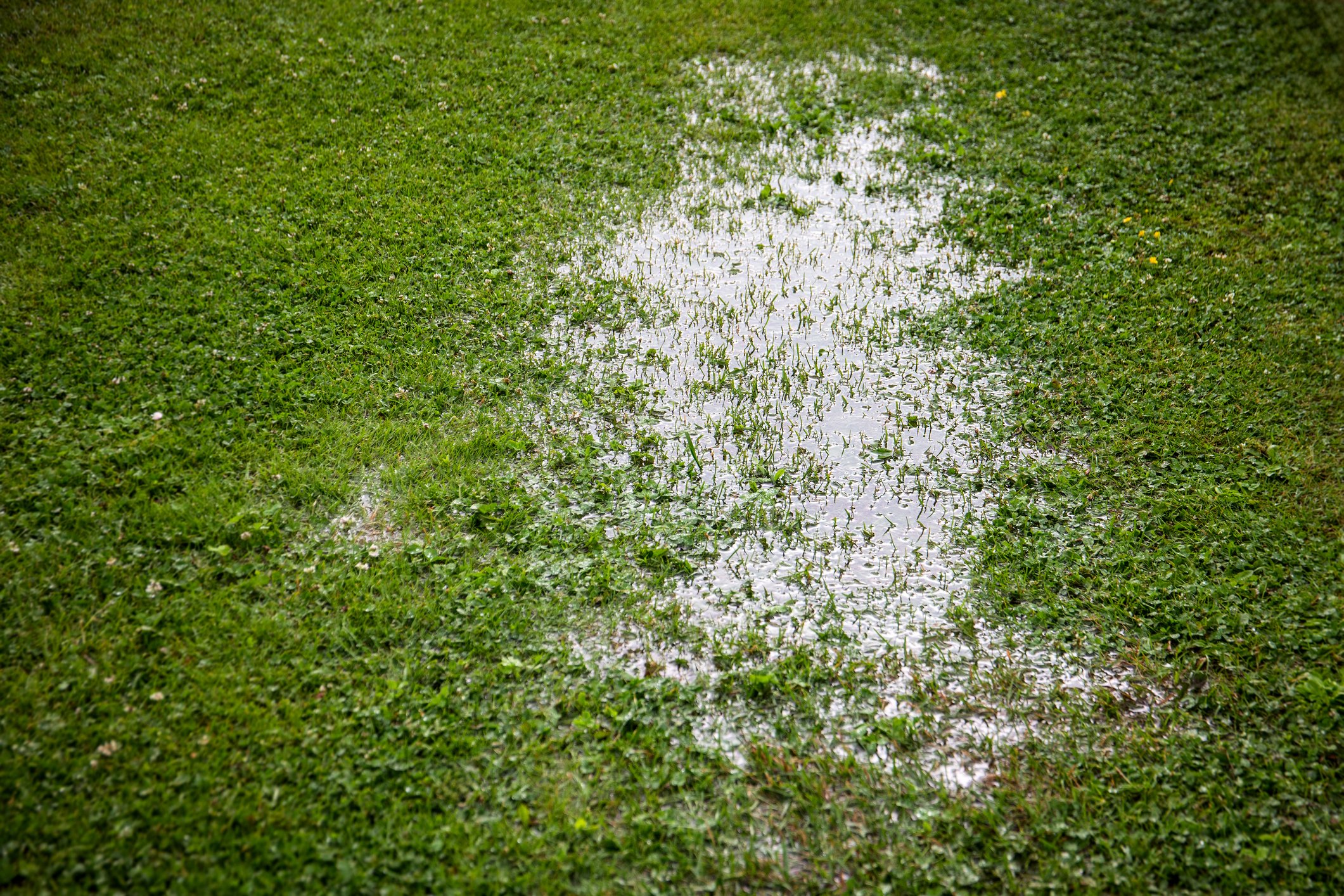
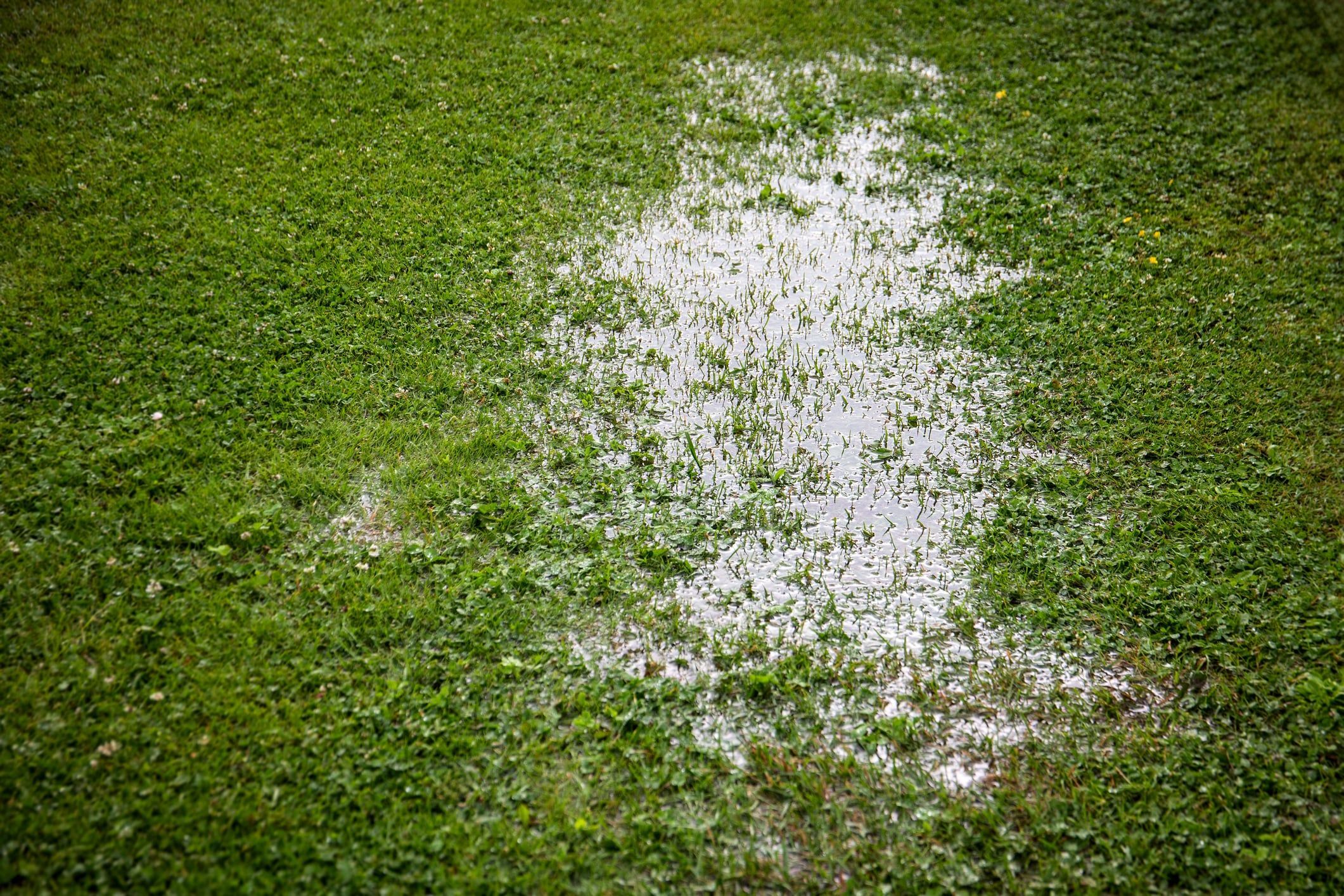
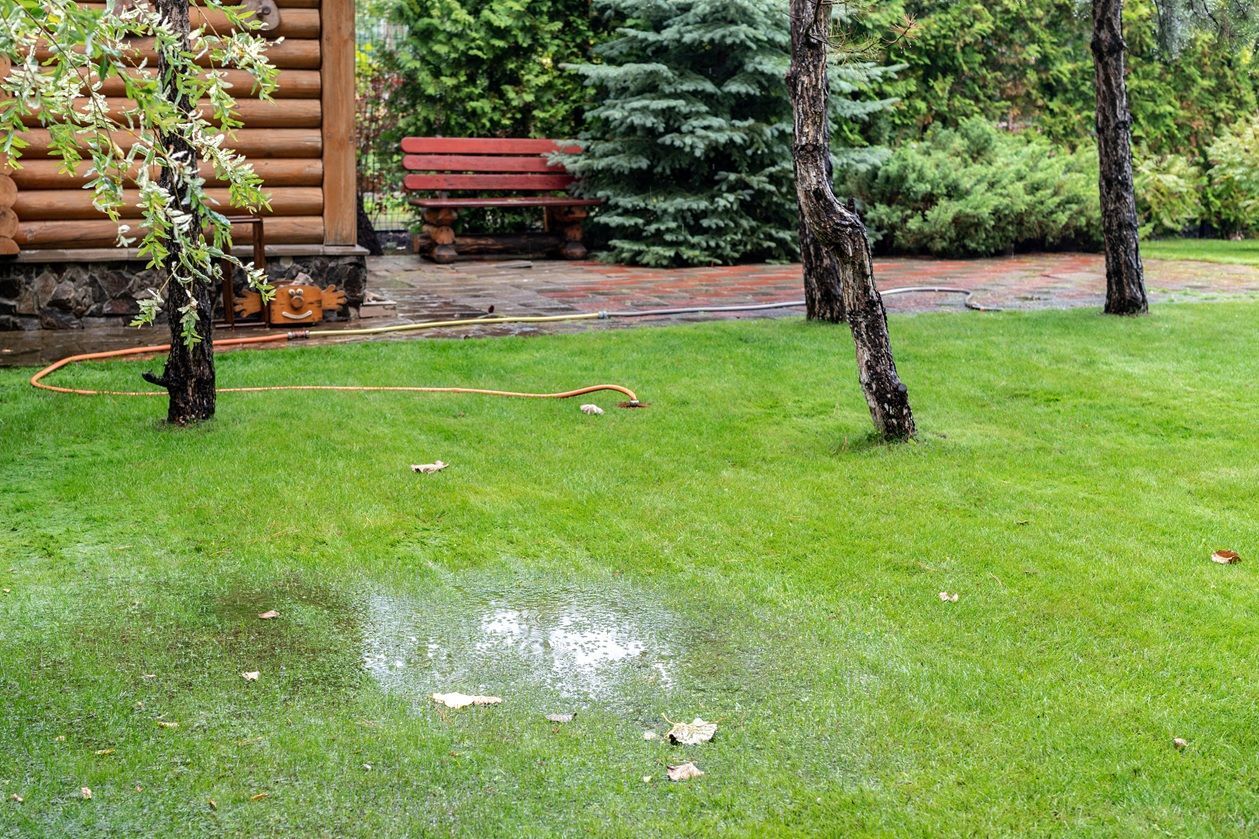
If you’ve ever walked outside after a heavy rain and seen water sitting in your yard, you already know how frustrating it is.
- Puddles that don’t go away
- Grass that feels soggy for days
- Water creeping toward your home
And naturally, the question becomes:
“What’s the best drainage system to prevent yard flooding?”
After more than 42 years as an educator and contractor across Maryland, DC, and Northern Virginia, helping thousands of homeowners—and with over 600 reviews averaging 4.8 stars and an A++ Better Business Bureau rating—I can tell you this clearly:
👉 There is no one “best” drainage system
👉 There is only the right system for your property
And choosing the wrong one is one of the fastest ways to waste money.
So in this article, I’m going to walk you through:
- Why yards flood in the first place
- The most effective drainage systems we use in the DMV
- When each system works—and when it doesn’t
- Real cost ranges
- And how to choose the right solution the first time
The Big Idea Most Homeowners Miss
Before we talk about systems, you need to understand this:
👉 Water problems are not random
Water follows three things:
- Gravity (slope)
- Soil conditions
- Volume during storms
So when your yard floods, it’s not because you need “a drain.”
👉 It’s because water isn’t being controlled properly
And that’s why the right system matters.
Why Yard Flooding Happens (In Real Life)
Across Maryland, DC, and Northern Virginia, flooding usually isn’t caused by one issue—it’s a combination of several.
1. Poor Grading
If your yard slopes toward a low area—or worse, toward your home—water has nowhere to go.
👉 It collects instead of draining
2. Clay Soil (Very Common in the DMV)
Clay-heavy soil absorbs water slowly.
👉 Water stays on the surface longer 👉 Saturation builds quickly
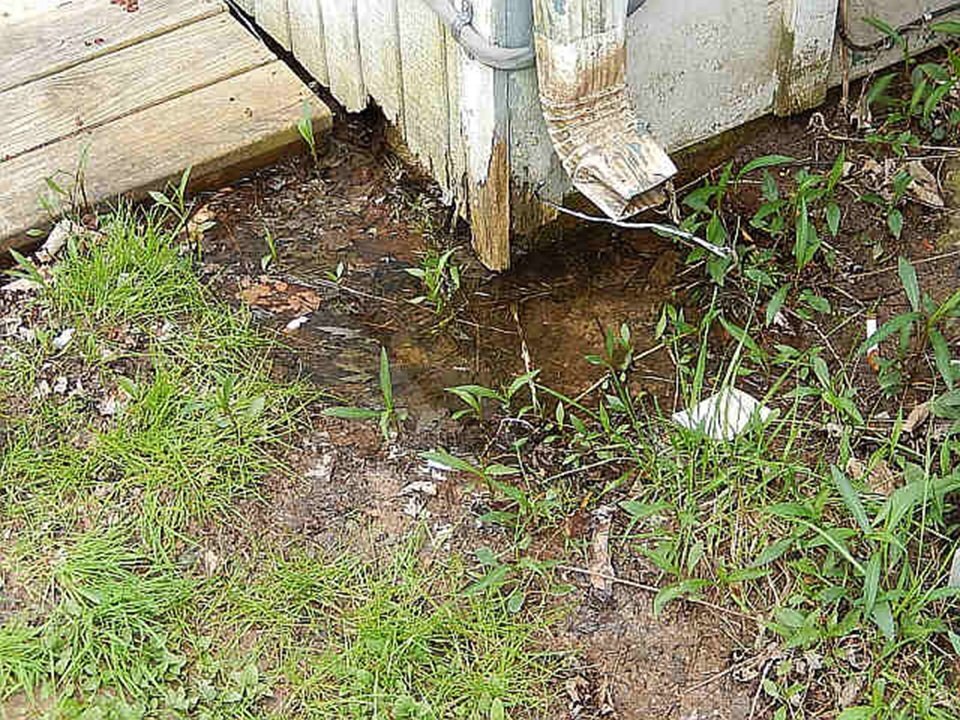
3. Roof Runoff
Every time it rains, your roof sheds a massive amount of water.
👉 And if your downspouts aren’t handled properly, that water ends up right in your yard
4. Neighboring Runoff
Water doesn’t respect property lines.
👉 If your neighbor’s yard sits higher, their water may be flowing into yours
5. No Defined Drainage Path
This is one of the biggest issues.
👉 Water has nowhere to go—so it stays
Why “Just Adding a Drain” Doesn’t Work
This is where homeowners get into trouble.
They think:
👉 “I’ll just add a drain in the wet spot.”
But here’s the problem:
👉 If you don’t control the whole system, the drain won’t fix it
Water may:
- Overwhelm the drain
- Move to another area
- Back up during heavy storms
👉 That’s why system design matters more than the product itself
The Most Effective Drainage Systems (And When to Use Them)
Let’s break down the most common—and most effective—solutions we use in the DMV.
1. French Drain Systems
What It Is
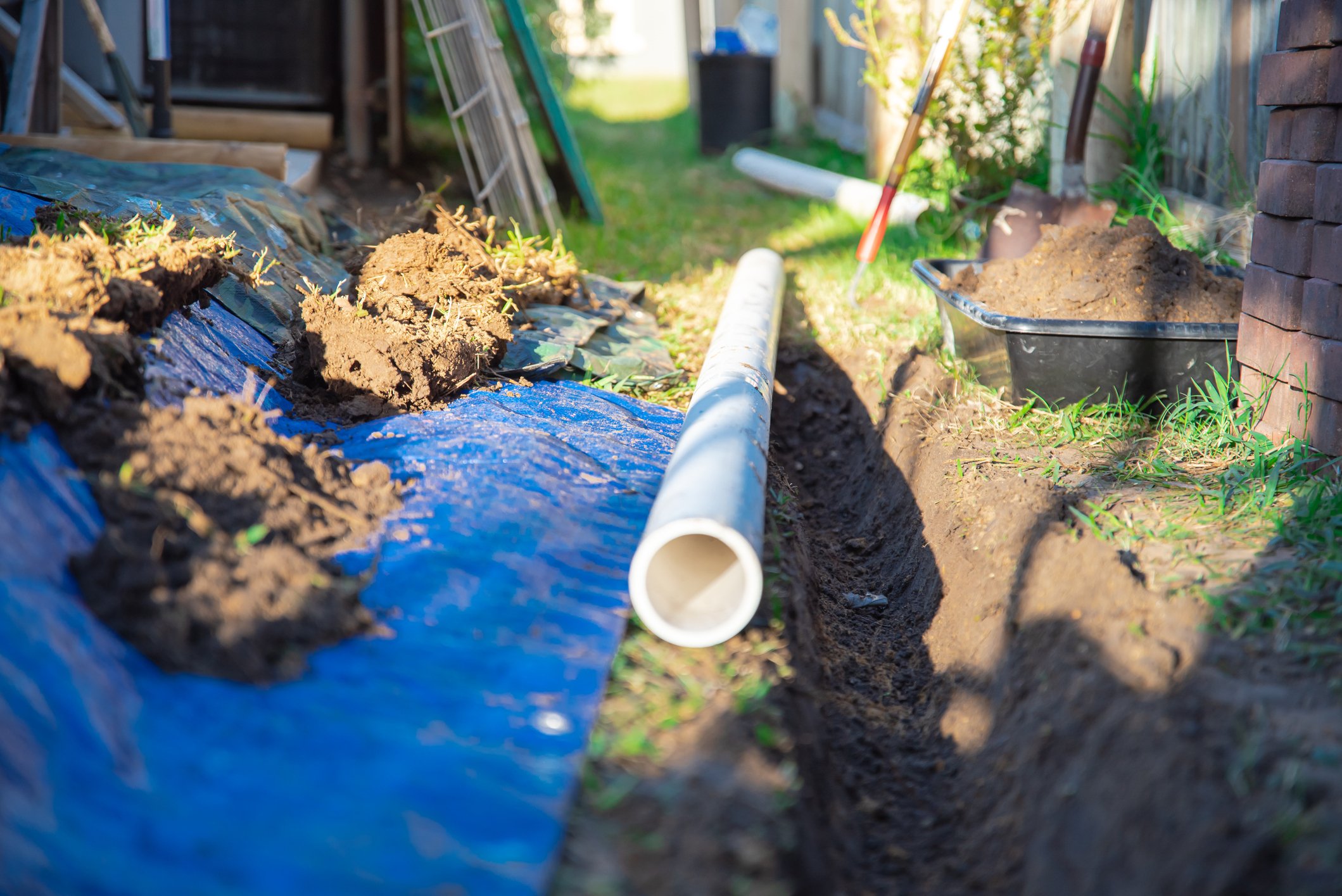
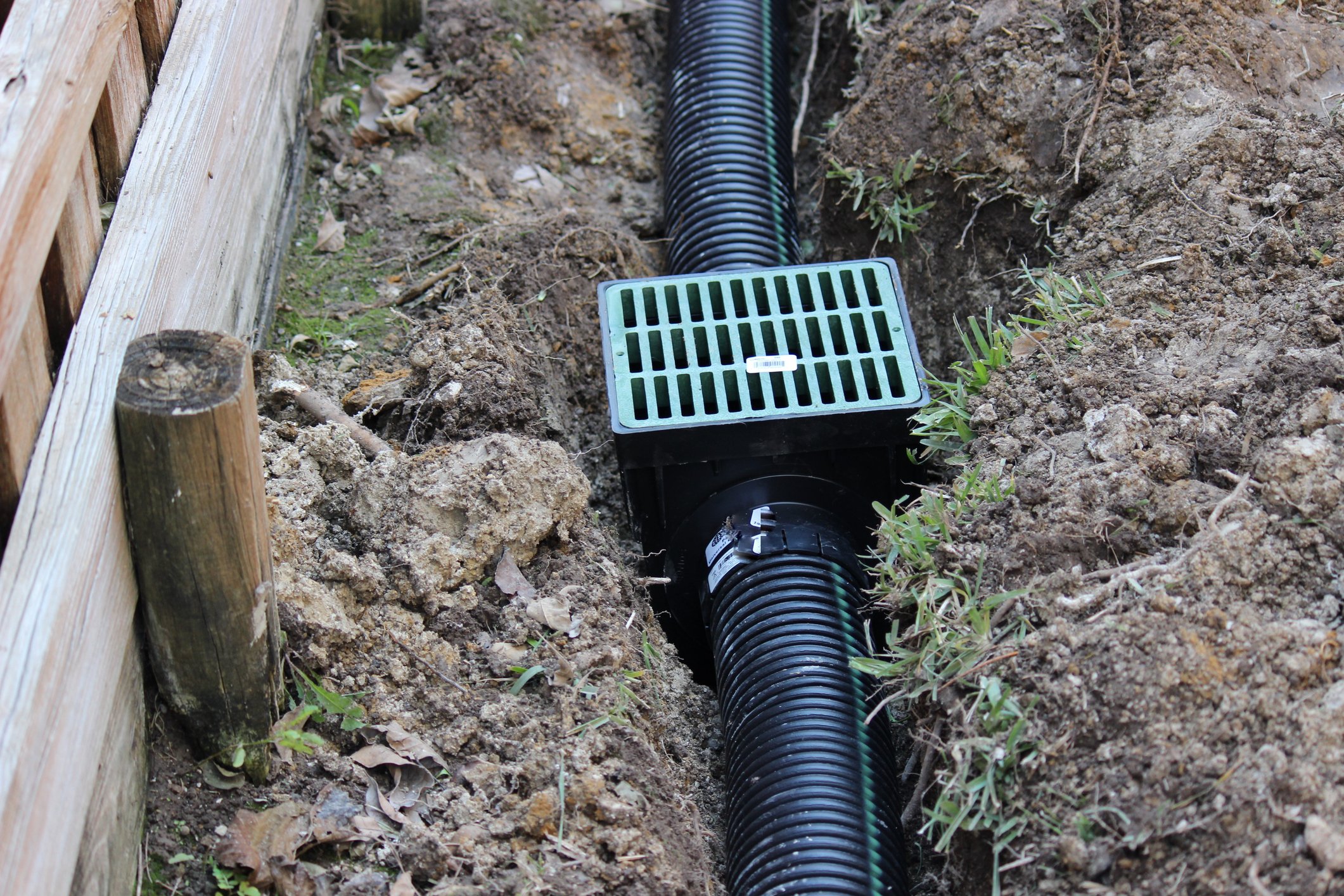
A French drain is a perforated pipe surrounded by gravel that collects and redirects water underground.
When It Works Best
- Chronic wet areas
- Water moving beneath the surface
- Larger yard drainage issues
Why It Works
👉 It intercepts water before it reaches the surface
Where It Fails
- When undersized
- When poorly sloped
- When discharge is not planned properly
Cost Range
👉 $2,500 – $8,000+
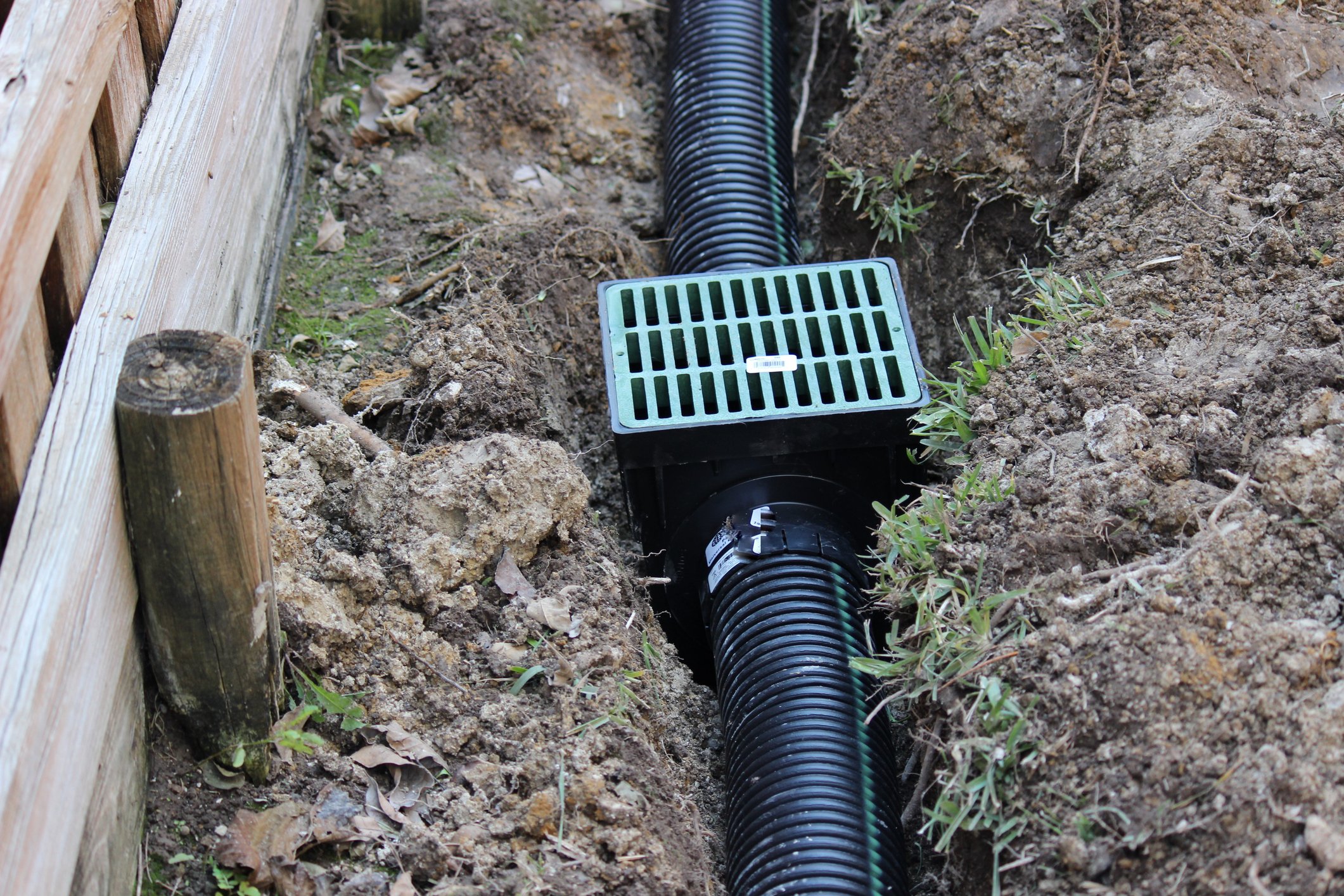
2. Catch Basins and Surface Drains
What It Is
A collection box installed at low points to capture surface water quickly.
When It Works Best
- Visible pooling areas
- Low spots
Why It Works
👉 It removes water immediately from problem areas
Where It Fails
- When not connected to proper discharge
- When placed too late in the water flow path
Cost Range
👉 $800 – $3,500
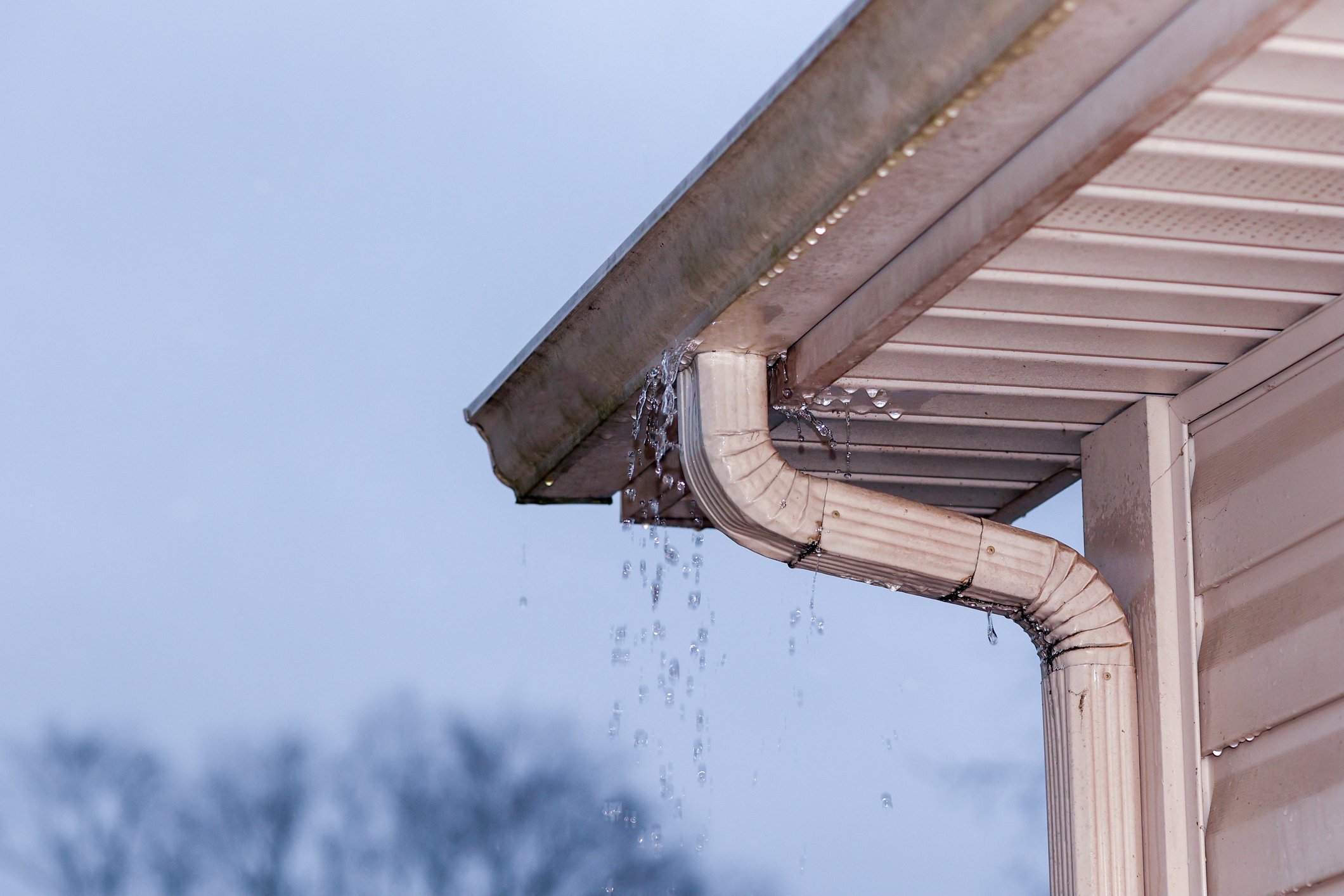
3. Downspout Extensions and Underground Lines
What It Is
Redirecting roof water away from your yard and foundation.
When It Works Best
- Foundation water issues
- Concentrated water flow problems
Why It Works
👉 It removes a major water source completely
Where It Fails
- When extensions are too short
- When water is discharged into another problem area
Cost Range
👉 $300 – $2,000
4. Dry Wells
What It Is
An underground system that collects and slowly disperses water into the soil.
When It Works Best
- Properties with decent soil drainage
- Moderate water volumes
Why It Works
👉 It stores and releases water gradually
Where It Fails
- In clay-heavy soil
- With high water volume
Cost Range
👉 $1,500 – $5,000
5. Swales and Grading Solutions
What It Is
Shaping the land to direct water flow naturally.
When It Works Best
- Larger properties
- Surface runoff issues
Why It Works
👉 It uses gravity instead of mechanical systems
Where It Fails
- When poorly designed
- When water volume exceeds capacity
Cost Range
👉 $1,000 – $6,000
6. Full Drainage Systems (Most Effective Solution)
In most real-world situations, the best solution is a combination of systems.
Example:
- French drain + catch basins
- Downspout redirection + grading
👉 This is how you control water completely
Real DMV Case Study
Problem: Yard Flooding After Every Storm
This homeowner had:
- Multiple wet areas
- Water flowing toward the house
- Standing water for days after rain
Solution
We installed:
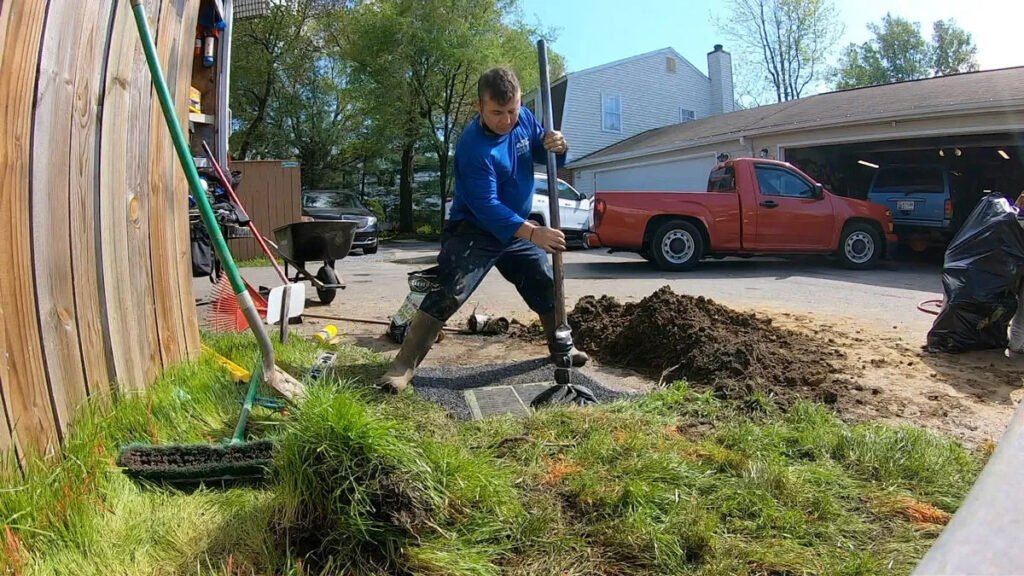
- A French drain system across the yard
- Catch basins in low areas
- Proper downspout redirection
Cost
👉 $7,800
Result
- No more flooding
- Faster drying times
- Yard fully usable year-round
👉 Problem solved—not just improved
Why Some Drainage Systems Fail
Here’s the honest truth.
Most failed systems have one thing in common:
👉 They weren’t designed for the full problem
Common reasons include:
- Undersized systems
- Poor discharge planning
- Ignoring water sources
- Treating symptoms instead of causes
The Biggest Mistake Homeowners Make
👉 Choosing a system based on price instead of performance
Because:
👉 The wrong system won’t fix the problem
And then you end up paying twice.
How to Choose the Right Drainage System
Ask yourself these key questions:
- Where is the water coming from?
- Where does it collect?
- How much water are we dealing with?
- What happens during heavy storms?
If you can’t clearly answer these:
👉 You don’t have enough information yet
The Right Way to Approach It (After 42 Years)
Here’s how we solve drainage problems the right way:
- Identify all water sources
- Map water movement across the property
- Evaluate soil and grading
- Design a system to match conditions
- Ensure proper discharge
👉 That’s how you fix it once—and don’t deal with it again
Cost Reality
Small Fixes
👉 $500 – $2,000
Moderate Systems
👉 $3,000 – $8,000
Full Solutions
👉 $8,000 – $15,000+
Long-Term Value of Proper Drainage
When done correctly:
- Yard stays dry
- Property is protected
- Maintenance decreases
- Property value increases
Final Thoughts
If you’re dealing with yard flooding, remember this:
👉 It’s not about installing a drain 👉 It’s about controlling water
After more than four decades helping homeowners across the DMV, I can tell you:
👉 The right system solves the problem permanently
And when you get that right:
👉 You fix it once—and you’re done
Quick Answers
Q: What’s the best drainage system?
A: The one designed specifically for your property
Q: Cost?
A: $500 – $15,000+ depending on scope
Q: Biggest mistake?
A: Choosing the wrong system or incomplete solution
Bob Carr is the founder and president of TLC Incorporated, which he started in 1981 as a small residential lawn sprinkler and irrigation business in Maryland. Over four decades later, he leads a team of specialists serving the Mid-Atlantic region with lawn irrigation, outdoor and holiday lighting, and yard drainage solutions. Bob's approach is built on transparent pricing, quality installation, and treating every customer with respect.
Topics: