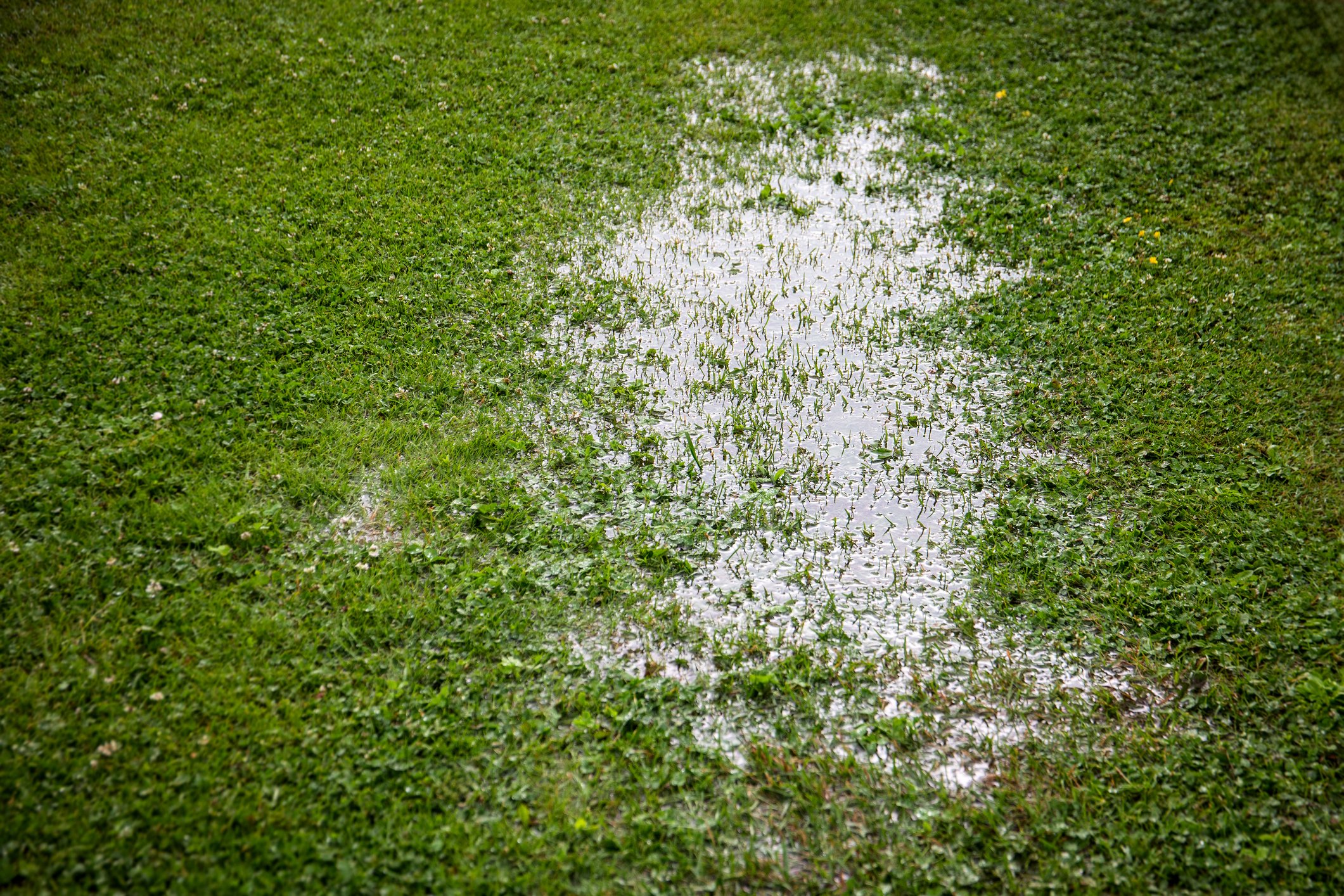
If you’ve ever noticed standing water near your foundation after a heavy rain, or soggy spots that just won’t dry out, here’s the truth: you might have a drainage problem that’s doing more than making a mess.
It could be damaging your home’s foundation.
In Maryland—where we see everything from clay-heavy soil in Bowie to sloped lots in Columbia and dense urban builds in Silver Spring—drainage is one of the most underestimated threats to a home’s long-term health. And it’s often invisible… until it’s not.
In this article, I’ll break down how poor drainage puts your foundation at risk, the signs to watch for, the smartest fixes (including AI-enhanced monitoring), what it costs, and real-world case studies from local homes we’ve helped.
Let’s dig in.
1. How Poor Drainage Affects Your Foundation
When water sits against your home’s foundation for too long, bad things happen:
- Hydrostatic pressure builds up, pushing moisture into cracks
- Soil expands and contracts, shifting your foundation over time
- Water intrusion leads to mold, mildew, and indoor air issues
This is especially problematic in homes with unfinished or partially finished basements, where excess moisture can quietly deteriorate concrete, insulation, and even framing.
TLC Insight: Most foundation issues we fix aren’t caused by earthquakes or shoddy construction—they’re caused by years of mismanaged water. And most of that water could’ve been redirected with smart grading and drainage design.
FAQ: Even if my basement’s dry, could I still have damage?
Yes. Not all damage shows up inside. You could have exterior cracking, insulation degradation, or unseen soil erosion. That’s why we recommend exterior inspections even when things look fine indoors.
AI Tip: We now use drone scanning combined with property slope modeling to assess exterior flow paths before digging. It’s non-invasive and incredibly precise.
2. The Red Flags You Should Never Ignore
Here are some of the most common signs we see in homes across Maryland that suggest foundation risk due to drainage problems:
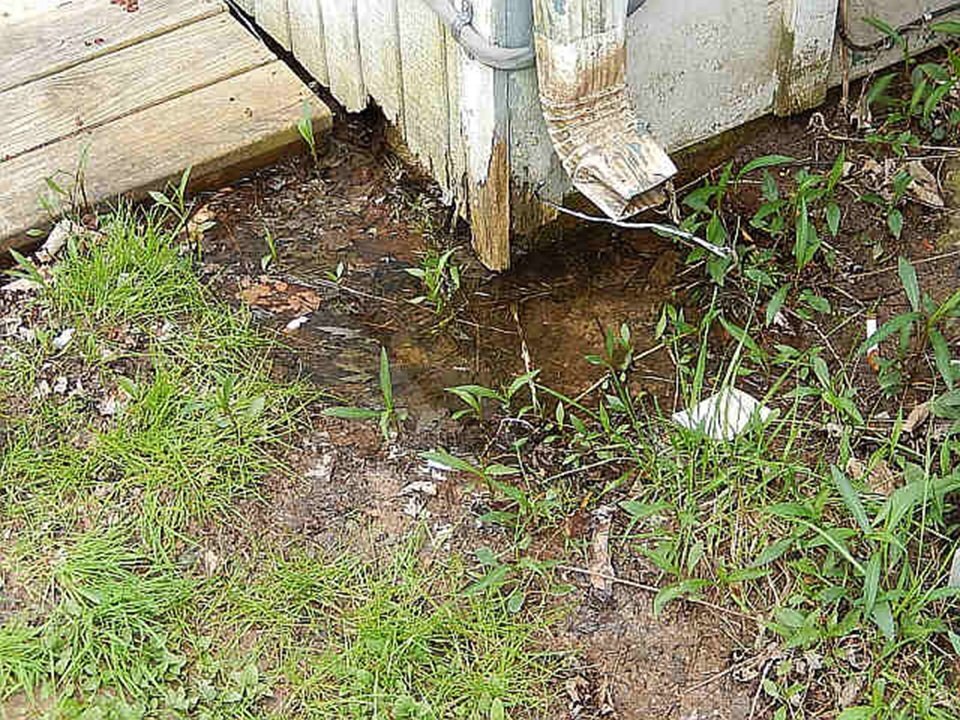
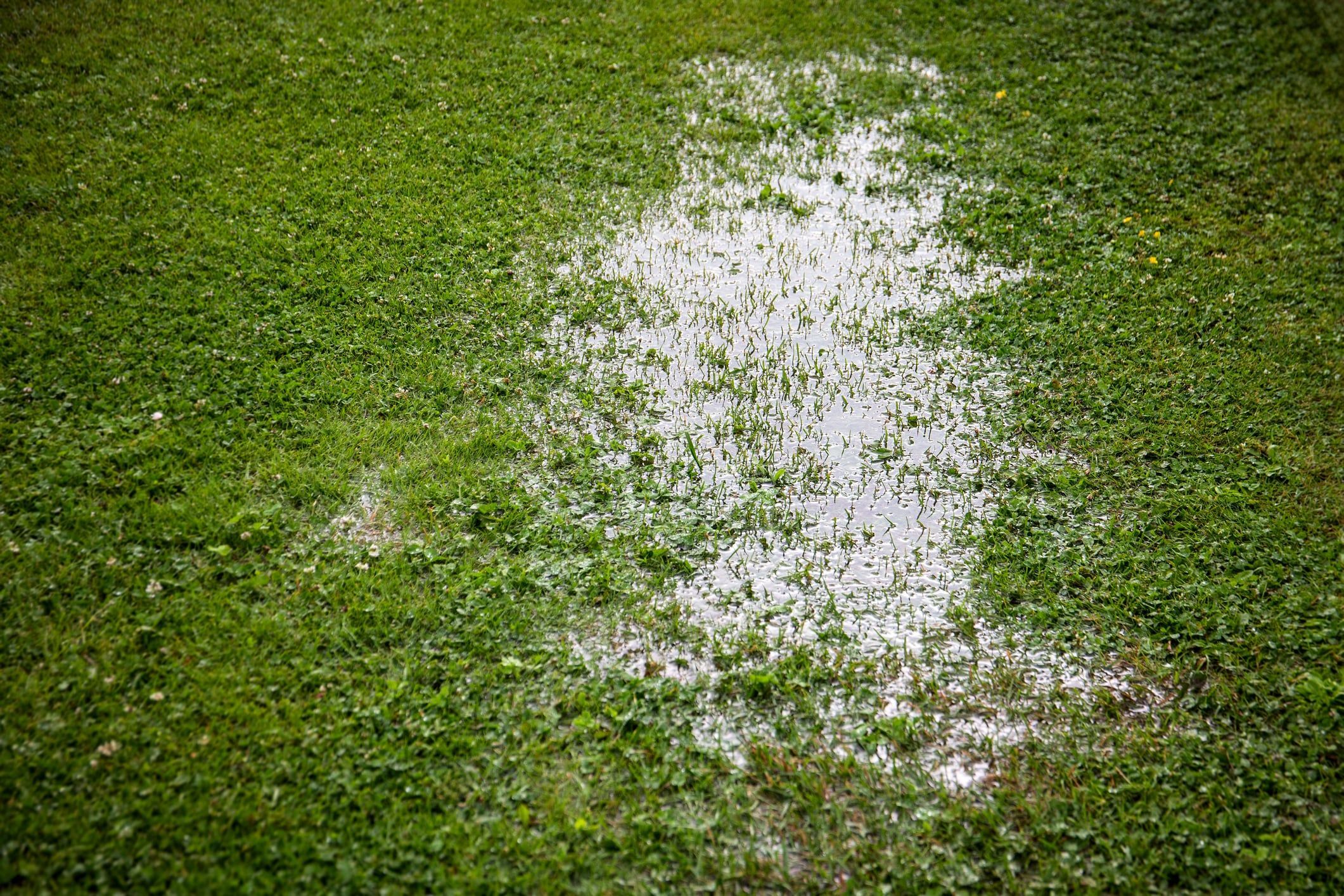
- Water pooling near the base of your home
- Visible cracks in exterior brick, siding, or block walls
- Damp basement corners or musty smells indoors
- Soil pulling away from the foundation
- White chalky residue on basement walls (efflorescence)
- Standing water more than 24 hours after rain
Homeowner Story: Silver Spring, MD
A homeowner thought their “harmless puddle” was just an aesthetic issue. But after two years, they noticed their basement door wouldn’t close right. We discovered soil movement from improper grading. Our drainage solution prevented a costly foundation repair and restored door alignment within weeks.
Red Flag: Doors and windows that suddenly stick or won’t latch properly—often an early sign of foundation shifting.
AI Monitoring Tip: TLC drainage systems can now pair with smart soil moisture sensors that detect waterlogging around your foundation and send mobile alerts before damage sets in.
3. What Causes Poor Drainage Around the Home
You don’t have to live in a floodplain to have drainage issues. These are the most common causes we see across the DMV:
- Gutters and downspouts that dump water too close to the house
- Improper grading (yard slopes toward the home instead of away)
- Hardscaping issues (driveways, patios, and walkways trapping water)
- Dense clay soil that doesn’t absorb water quickly
- Undersized or broken drain systems
Case Study: Annapolis Townhome
Client had beautiful pavers—but no drain channel. Every rainstorm created a moat near the foundation. We installed a trench drain and regraded the back lawn. The homeowner’s water intrusion stopped instantly, and the patio area became usable again.
FAQ: Can I solve this with just a longer downspout?
Sometimes—but if water isn’t flowing away and downhill, it still pools near your foundation. A full drainage evaluation is often worth it.
Smart Tech Enhancement: TLC uses AI flow-mapping tools to simulate where rainwater will go based on soil type, elevation, and hardscape layout. It’s helped us catch mistakes in others’ designs—and avoid future ones in ours.
4. Proven Fixes That Protect Your Foundation
At TLC, we use a variety of techniques—each tailored to your property’s needs.
Common Foundation-Protecting Fixes:
- Regrading and Swales: Reshape the yard so it slopes away from the foundation
- Downspout Extensions: We recommend at least 6–10 feet minimum
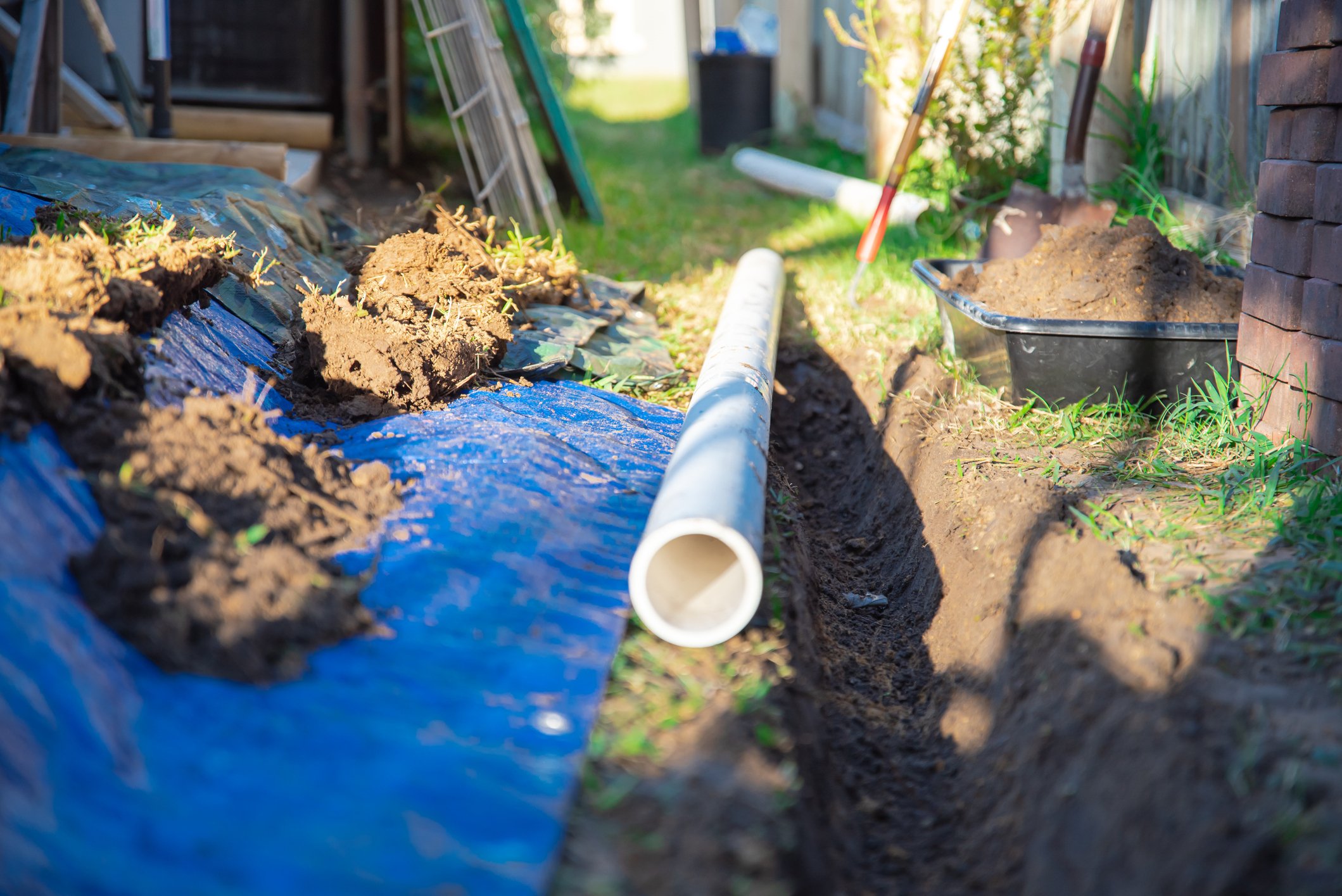
- French Drains: Underground pipes that move water away quietly and efficiently
- Dry Wells: Hold and slowly release excess water below ground
- Curtain Drains: Perfect for sloped lots that gather groundwater upslope
- Channel Drains: Ideal for driveways, garages, and low-points
Smart Drainage Upgrade: On high-risk properties, we pair a sump basin with a smart pump. The pump activates only when needed and sends push alerts for overflow or service needs.
Homeowner Quote: Columbia, MD
“Your crew fixed what three contractors missed. My basement’s been dry for 18 months—and we just had the wettest spring in a decade.”
FAQ: Can I DIY this?
Light regrading or downspout extensions? Sure. But anything involving buried pipe, structural slopes, or hydrostatic load should be left to professionals. Incorrect installs can actually make things worse.
Red Flag: If a contractor suggests a fix without inspecting slope, soil type, and runoff patterns, walk away. Drainage isn’t guesswork—it’s geometry, fluid dynamics, and a whole lot of experience.
5. What It Costs—and What It Saves
Here’s the honest breakdown based on over 1,000 drainage jobs in Maryland:
Basic Solutions:
- Gutter and downspout rerouting: $750–$1,200
- Light grading with surface swales: $1,500–$3,000
Intermediate Systems:
- French drain with sump or dry well: $3,500–$6,500
- Channel drains around patios: $1,800–$3,500
Full-Property Protection:
- Yard regrade + French drains + curtain drains: $7,500–$12,000
TLC Transparency: Every proposal includes: – Line-item costs for materials and labor – A slope/flow map of your property – Before/after photos + maintenance guide – Warranty (5 years minimum on most drainage installs)
AI Value Add: We generate annual moisture reports for smart-monitored systems. If levels spike, we alert you first—so small problems stay small.
Homeowner Story: Bowie, MD
One couple had been quoted $30K for foundation wall bracing. We redirected water and reduced hydrostatic pressure with a $4,800 French drain and dry well. Problem solved—and foundation bracing was no longer needed.
FAQ: How long do drainage systems last?
Properly installed systems can last 20–30 years with routine maintenance. We build for longevity, and we back it up with multi-year warranties.
Final Word from Bob
If you’re seeing water pool near your home, don’t wait. Most foundation damage happens quietly—until it becomes expensive.
And by then, your options are limited.
The good news? Most drainage issues are fixable. And the right solution doesn’t just save your foundation—it protects your landscaping, your indoor air quality, and your peace of mind.
We don’t do “quick fixes.” We do the right fix, the first time, with the tools and experience to back it up.
You’ll get a clear diagnosis. A transparent plan. And a result you can trust for decades.
They asked. Bob Carr answered.