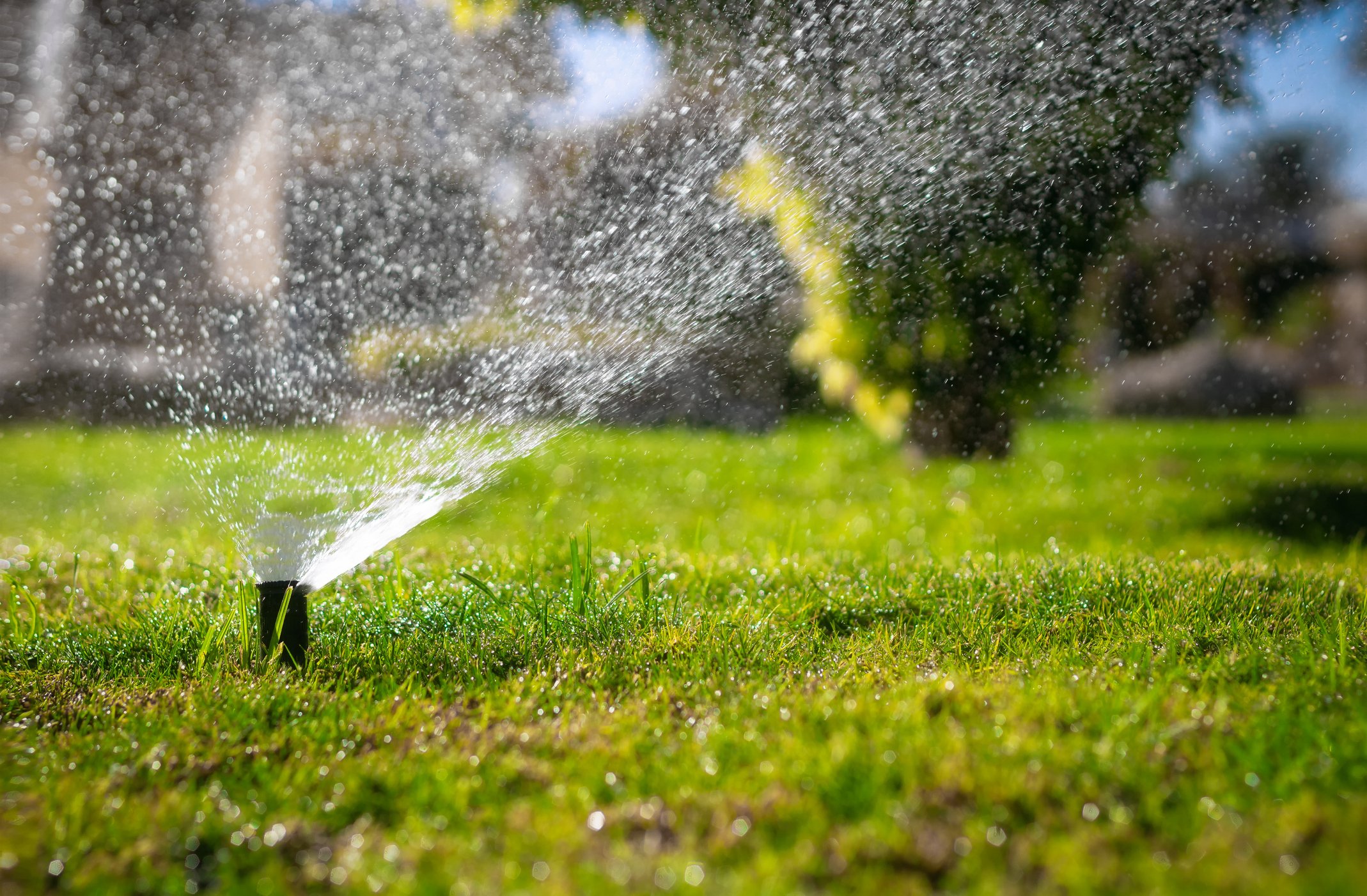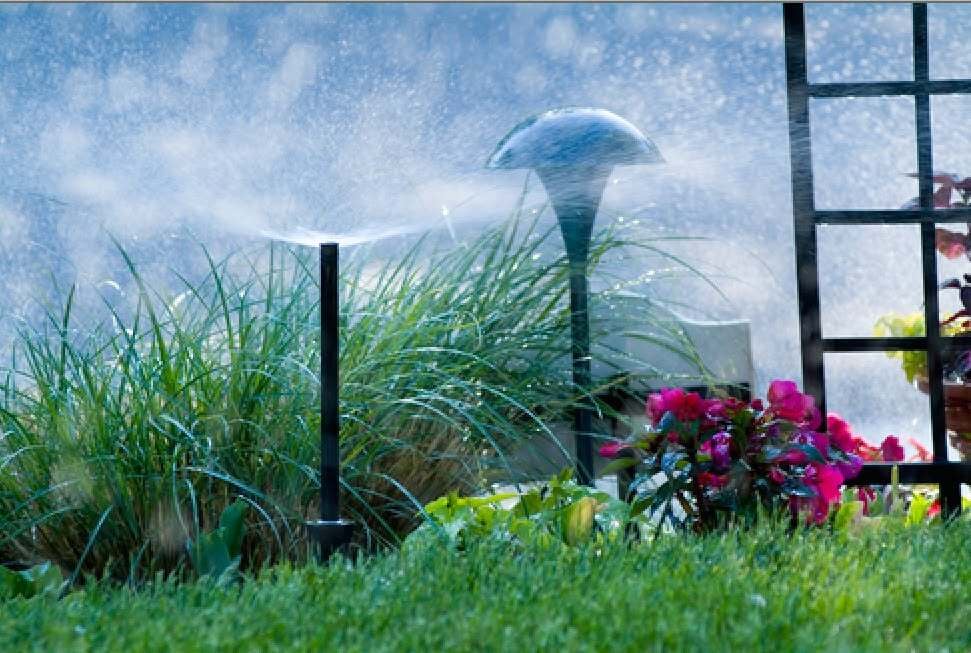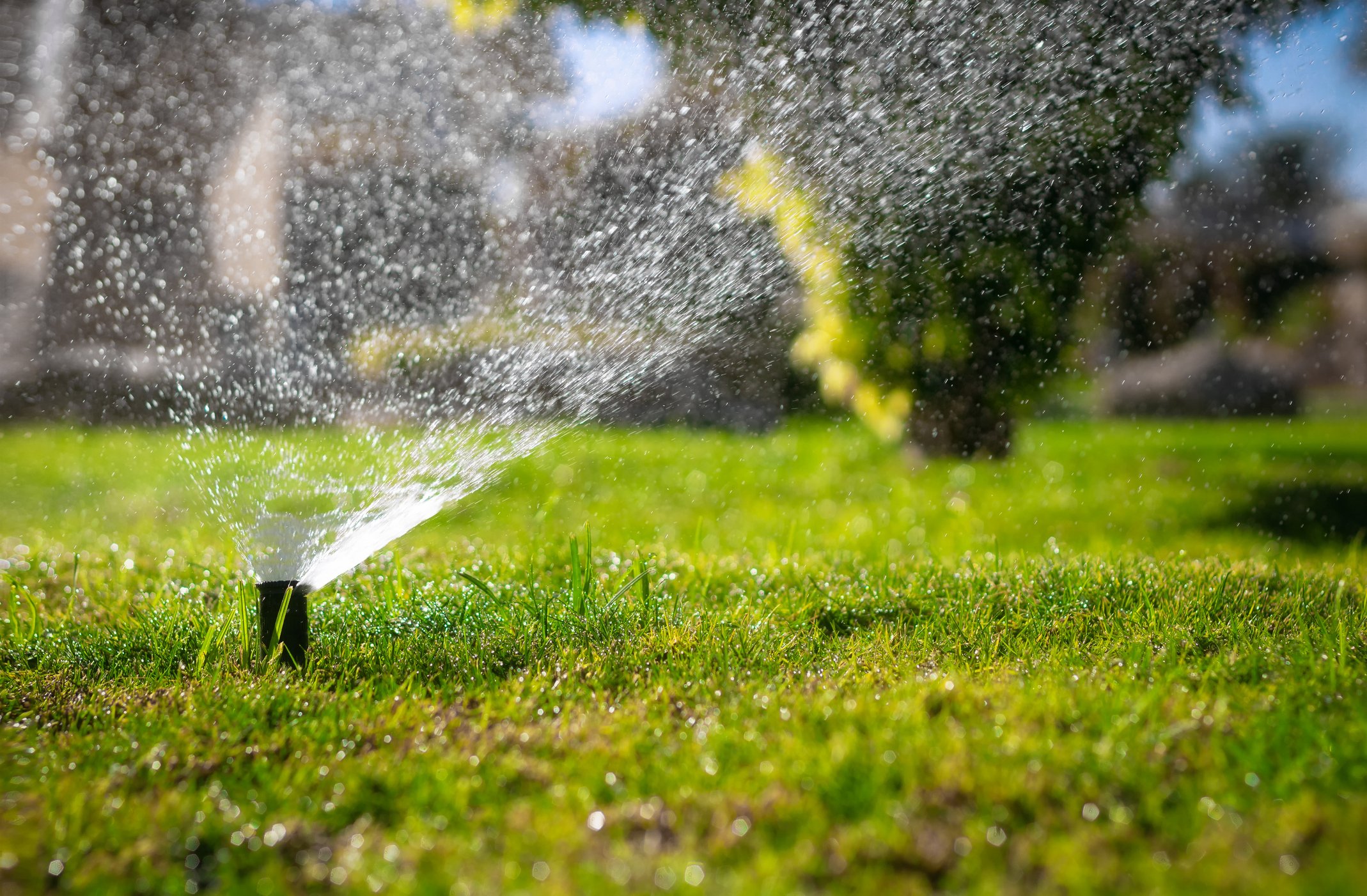

Watering a lawn in Maryland isn’t about guessing. It’s about timing, depth, zone control, and using tech that works for your yard.
If you live in Maryland, you already know that watering your lawn here is different than in other parts of the country. Between humidity, clay soil, heavy tree cover, and temperature swings, proper watering can feel like guesswork.
But after helping thousands of homeowners across the DMV—Bowie, Rockville, Annapolis, Silver Spring, and beyond—I can tell you this: effective watering isn’t about using more water. It’s about watering smarter.
If you’re wondering how to improve your lawn’s health while reducing water waste, here are the watering best practices we recommend.
1. Water Early in the Morning
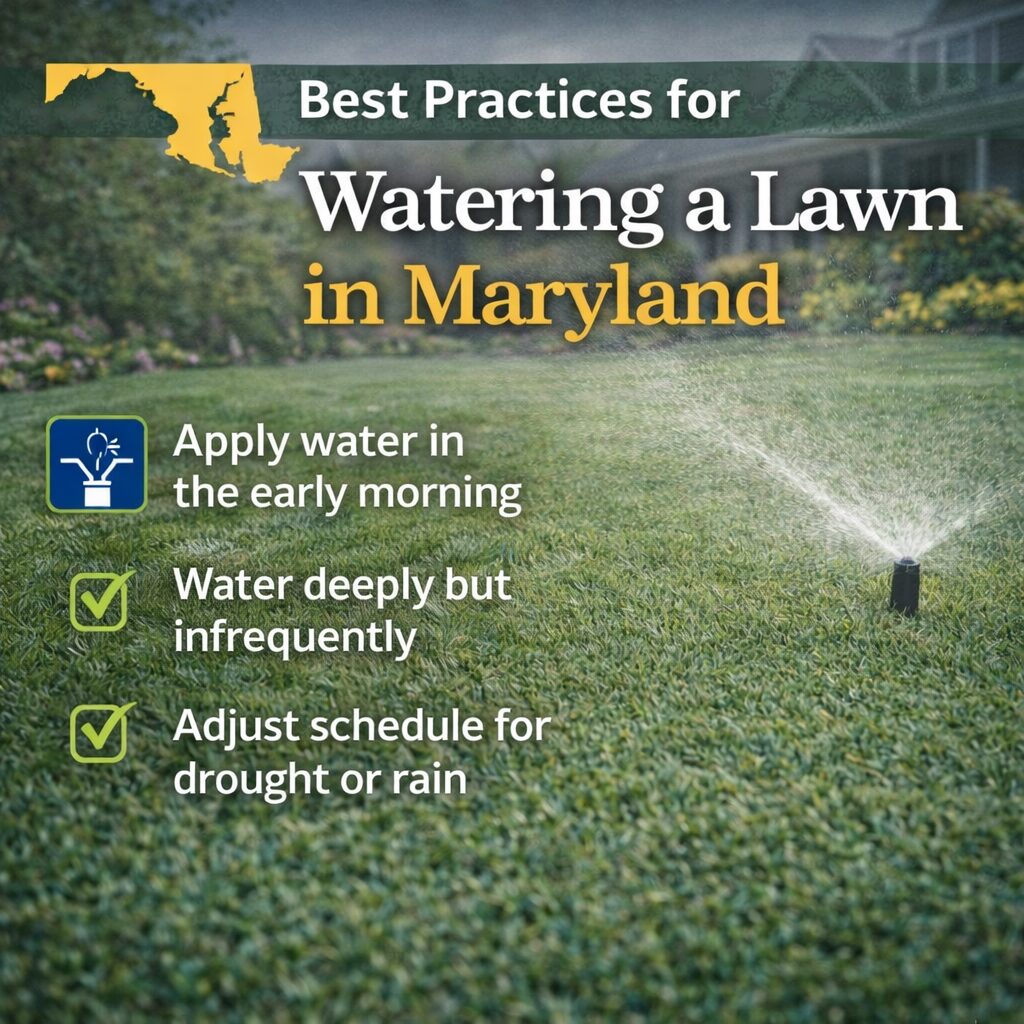
The best time for lawn watering in Maryland is between 4 AM and 9 AM.
Why early morning watering works:
-
Cooler temperatures reduce evaporation
-
Grass dries before nightfall, reducing fungal risk
-
Soil absorbs water more efficiently
Morning watering gives your lawn moisture when it needs it most—without wasting water to heat and wind.
Bob’s Tip: Water early, sleep better. Proper watering timing alone can improve lawn health dramatically.
2. Water Deeply, Not Daily
One of the biggest watering mistakes we see is frequent, shallow watering.
In Maryland, most lawns need:
-
1 to 1.5 inches of water per week
-
Two to three watering cycles per week (not daily)
-
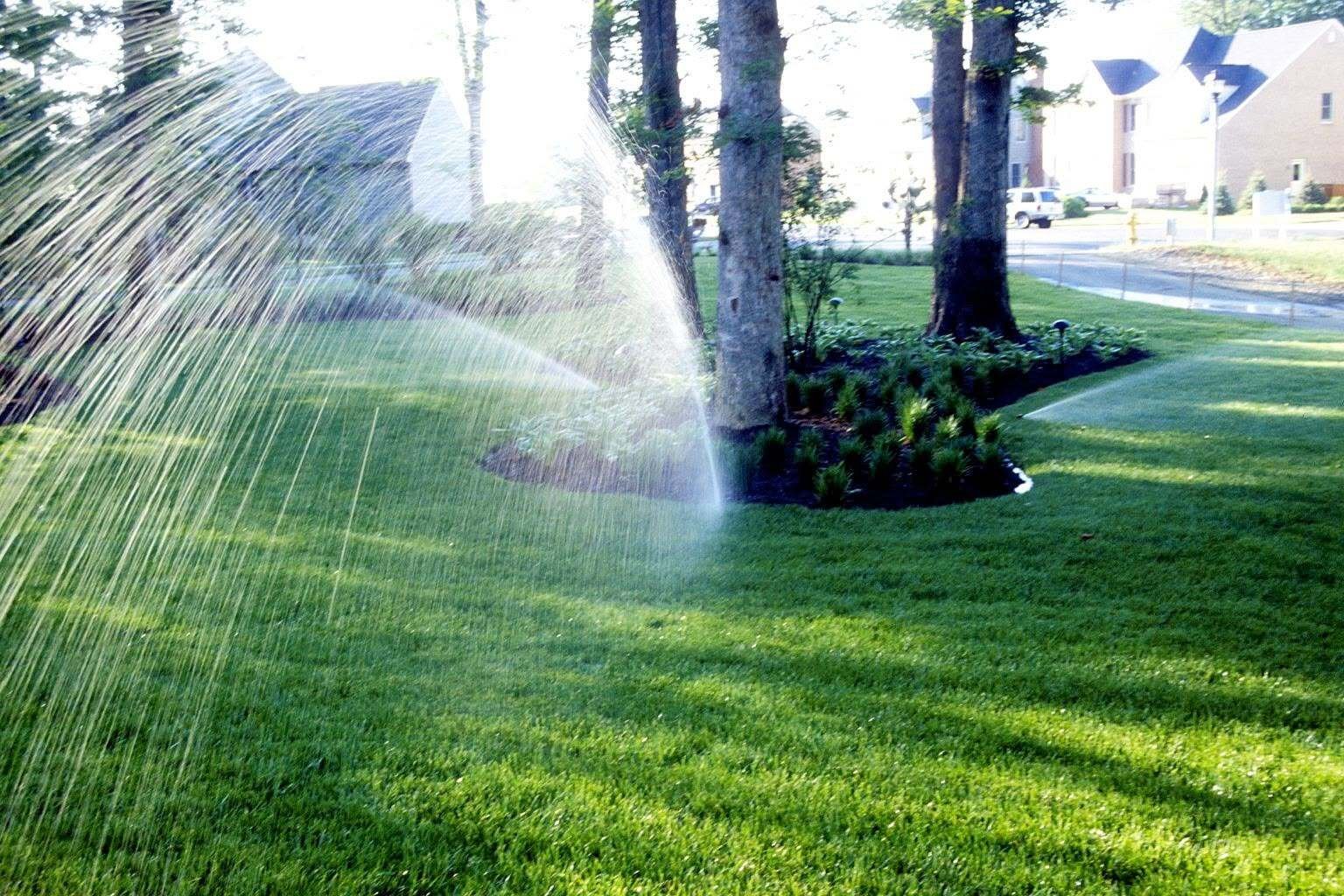
20–30 minutes per rotor zone
-
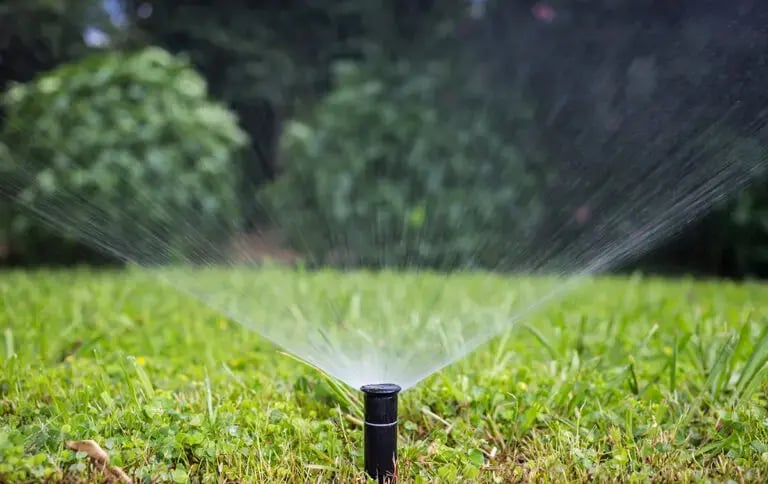
10–15 minutes per spray zone
Deep watering encourages deeper root growth. Deeper roots mean stronger turf, better drought tolerance, and less reliance on constant watering.
💬 “We used to water daily. Bob’s team adjusted our watering schedule, and now the grass is greener—and our bill is lower.” — Laurel, MD
3. Adjust Watering for Slope, Sun, and Soil
Not every zone should follow the same watering schedule.
Effective watering in Maryland depends on:
-
Sun exposure
-
Slope and runoff
-
Soil composition
Shaded areas require less watering. Sloped areas benefit from shorter, repeated cycles to prevent runoff. Clay-heavy soil holds moisture longer than sandy soil and requires careful watering management.
Most yards contain multiple microclimates. Smart watering accounts for all of them.
4. Use a Smart Controller for Smarter Watering
If you’re still manually adjusting watering schedules, you’re likely overwatering or underwatering at certain times of year.
Smart watering controllers:
-
Adjust watering based on weather
-
Pause watering before and after rain
-
Monitor system health
-
Allow remote watering adjustments
Modern watering systems use evapotranspiration (ET) data—factoring sunlight, temperature, humidity, and wind—to calculate how much watering your lawn actually needs.
That’s science-driven watering, not guesswork.
5. Use Drip Irrigation for Targeted Watering
Watering turf and watering landscape beds require different strategies.
Drip irrigation improves watering efficiency by:
-
Delivering water directly to roots
-
Preventing runoff and overspray
-
Reducing evaporation
-
Keeping mulch and soil in place
Targeted watering reduces overall water usage while improving plant health.
💬 “Our hydrangeas always wilted. Once Bob improved the watering with drip irrigation, they came back beautifully.” — Crofton, MD
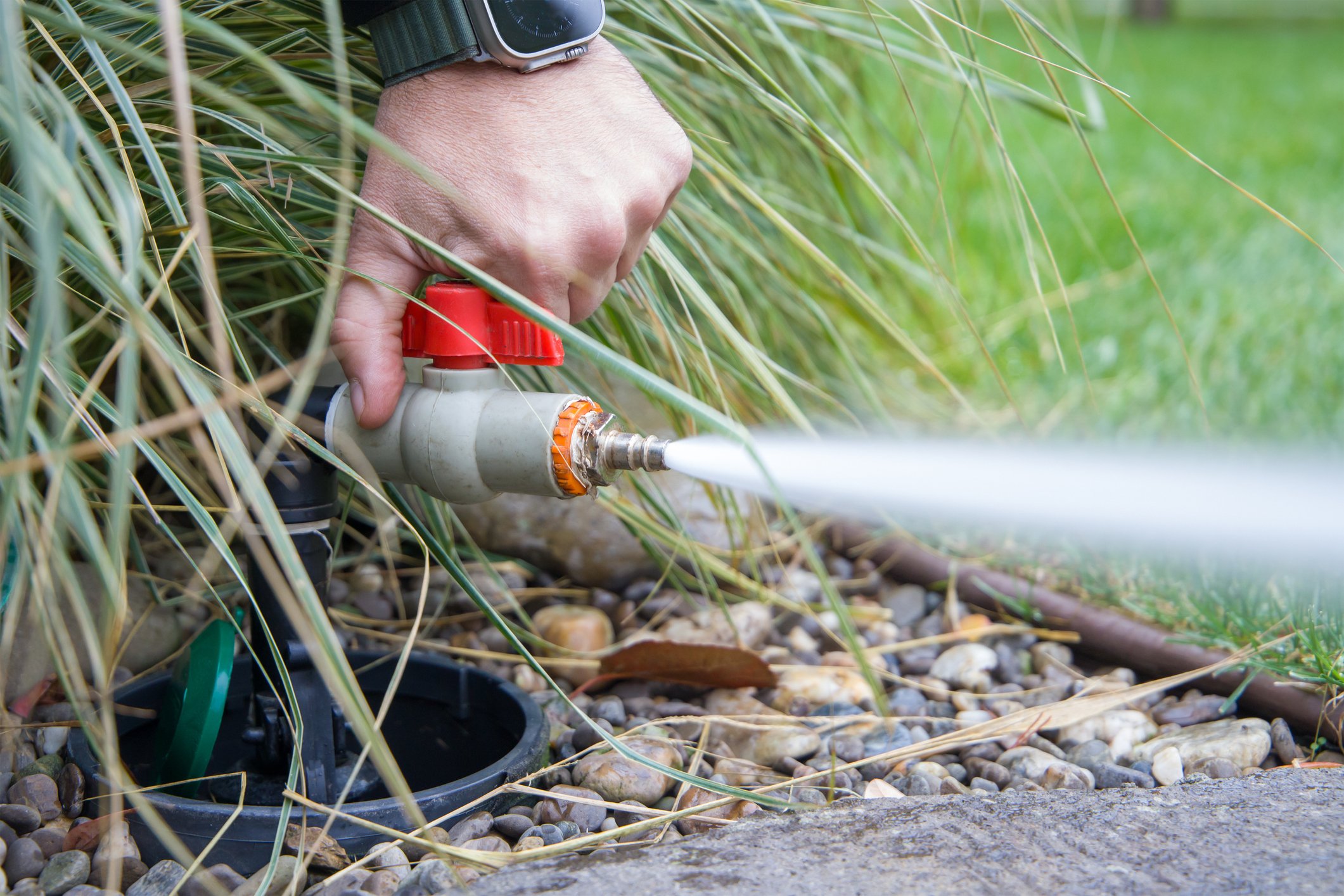
6. Tune Up Your Watering System Seasonally
Proper watering depends on a properly functioning system.
At least once per season, check:
-
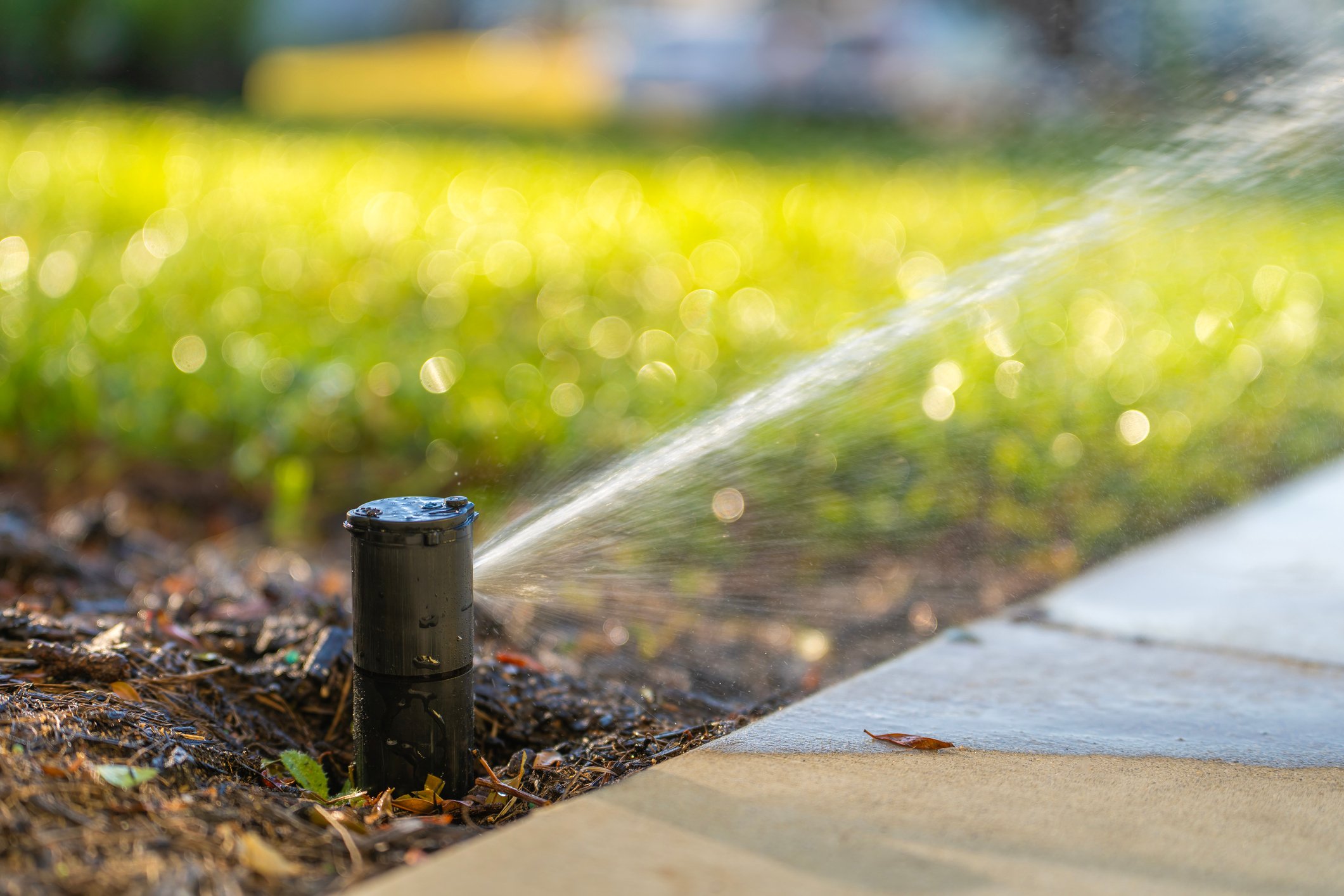
Clogged or broken heads
-
Spray misalignment
-
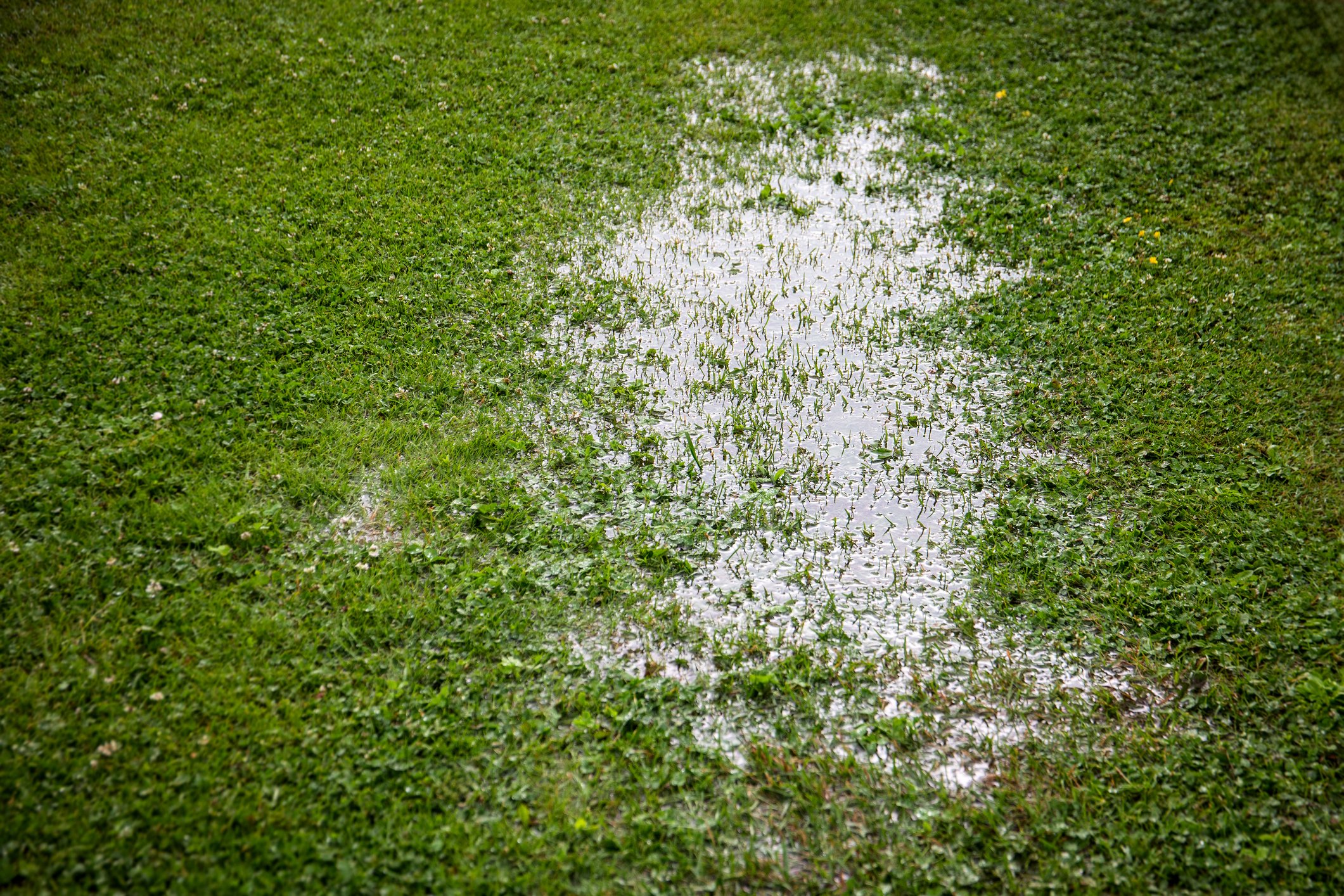
Leaks or pooling
-
Zones not watering evenly
Many watering problems aren’t visible until turf starts declining. A quick inspection can prevent thousands of gallons of water waste annually.
We offer seasonal watering system startups and winterizations because preventative care protects your investment.
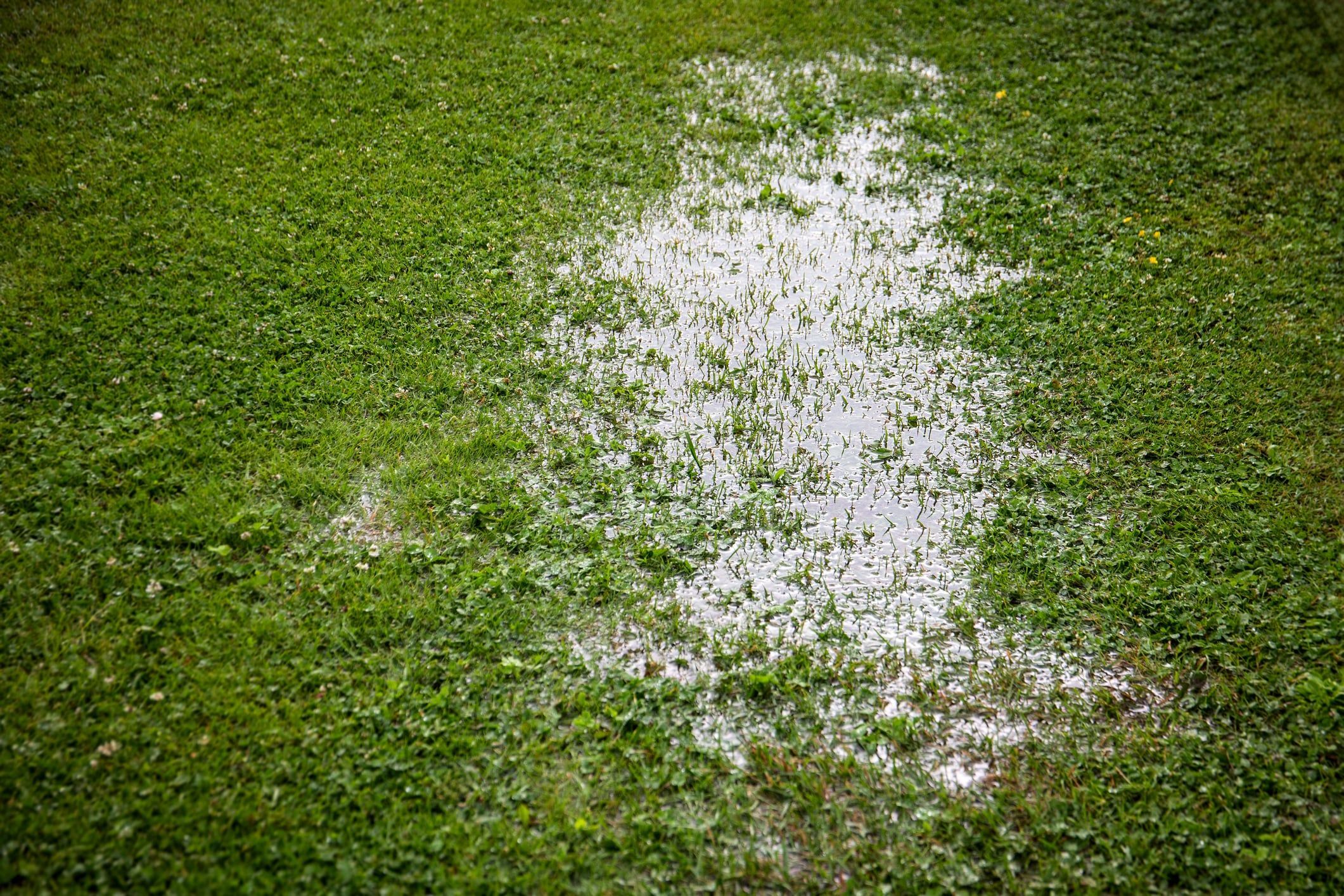
7. Watch for Signs of Overwatering
More watering isn’t better watering.
Signs of excessive watering include:
-
Mushrooms or fungal growth
-
Soggy or spongy soil
-
Grass that appears stressed despite watering
-
High water bills
Proper watering balances moisture without saturating soil. Overwatering weakens roots and encourages disease.
Flow sensors and monitoring tools help detect abnormal watering usage before damage occurs.
8. Follow Seasonal Watering Trends in Maryland
Watering needs shift throughout the year.
Spring:
Natural rainfall is common. Avoid unnecessary watering early in the season.
Summer:
High heat increases watering needs. Deep, consistent watering becomes essential.
Fall:
Gradually taper watering to prepare turf for dormancy.
Winter:
Stop watering and winterize your system to prevent freeze damage.
💬 “Before TLC, we were watering like it was July in April. They helped us adjust our watering schedule for each season.” — Bethesda, MD
9. Don’t Rely on National Watering Advice
Watering recommendations from national blogs often don’t apply to Maryland.
We’ve helped homeowners manage watering challenges like:
-
Runoff-prone hills in Annapolis
-
Compacted clay in Bowie
-
Shaded lawns in Silver Spring
-
Thin topsoil in Rockville
Local experience matters. Watering in Maryland requires understanding regional soil and climate patterns.
10. Start With a Watering Walkthrough, Not Just a Quote
The best watering strategy starts with conversation.
We ask:
-
Where does water collect after storms?
-
Which areas struggle most?
-
How do you use your yard?
Then we walk the property and evaluate pressure, coverage, and watering patterns.
We design watering systems as if we’re going to own them ourselves.
Watering FAQs
Can I use the same watering schedule all year?
No. Watering needs shift monthly. Smart systems adjust automatically.
How do I know if my watering system is wasting water?
Look for runoff, soggy areas, or rising bills. Monitoring tools help detect excessive watering.
Do I need a rain sensor?
Yes. It prevents unnecessary watering and pays for itself quickly.
How many zones do I need for proper watering?
Most Maryland homes use 4–8 zones. Turf and beds should never share watering zones.
Can I upgrade just my watering controller?
Yes. Upgrading improves watering efficiency without full system replacement if the infrastructure is sound.
Final Word From Bob
Watering a lawn in Maryland isn’t about guessing. It’s about timing, depth, zone control, and using technology that supports smarter watering.
If your lawn is patchy, your water bill is high, or your watering schedule feels confusing, let’s simplify it.
We’ll walk your yard, evaluate your watering setup, and design a plan that gives your lawn exactly what it needs—no more, no less.
Because when you ask, Bob Carr answers.
Bob Carr
Founder, TLC Incorporated
Helping homeowners across the DMV since 1983
Topics: