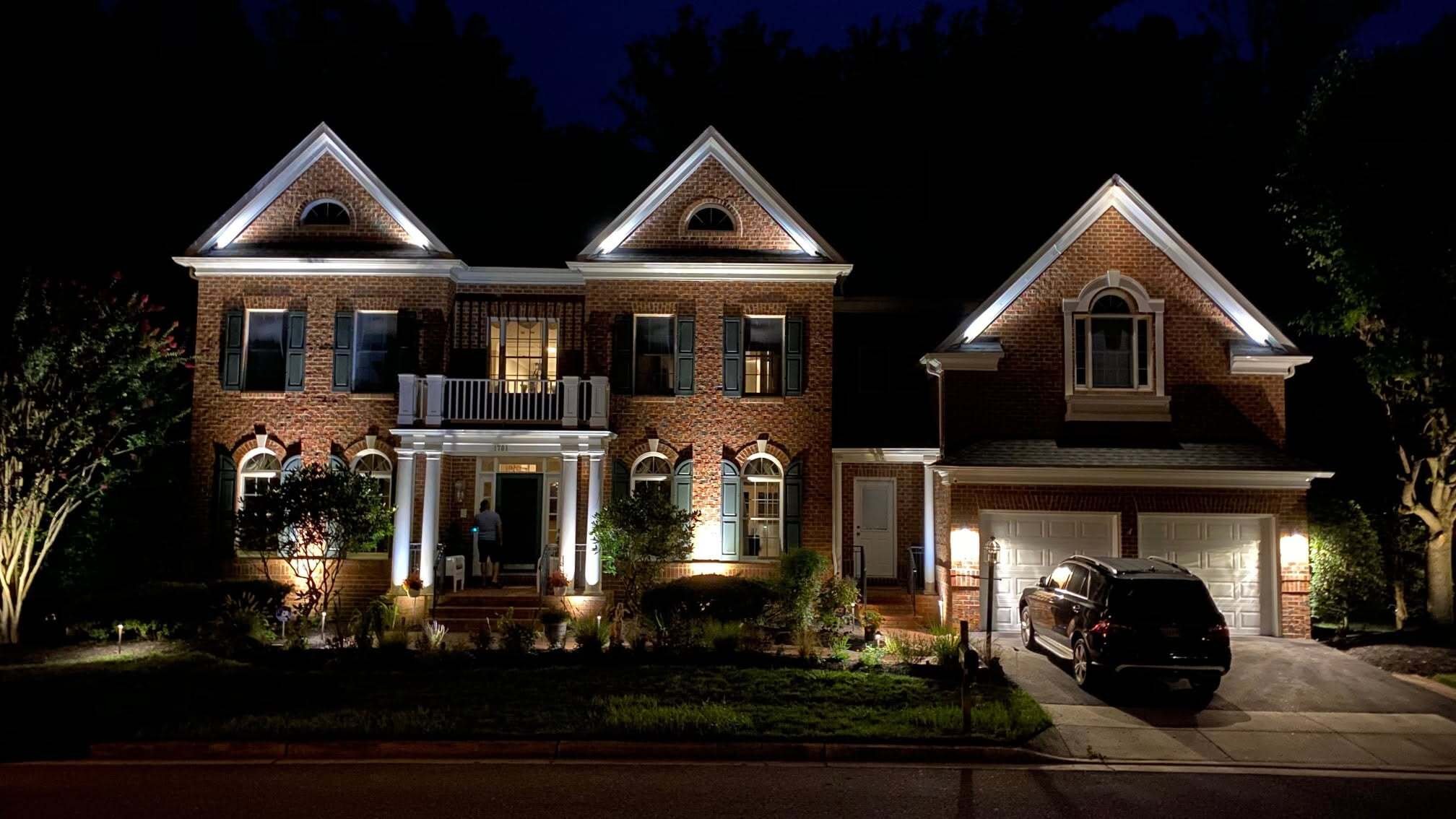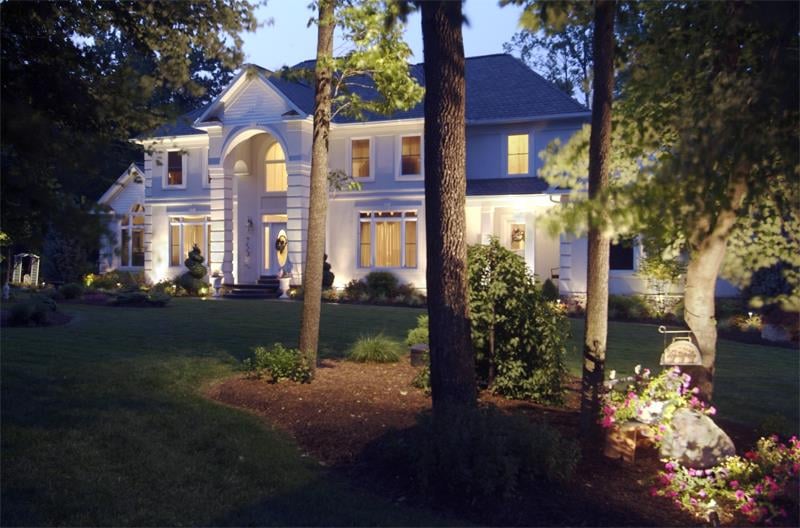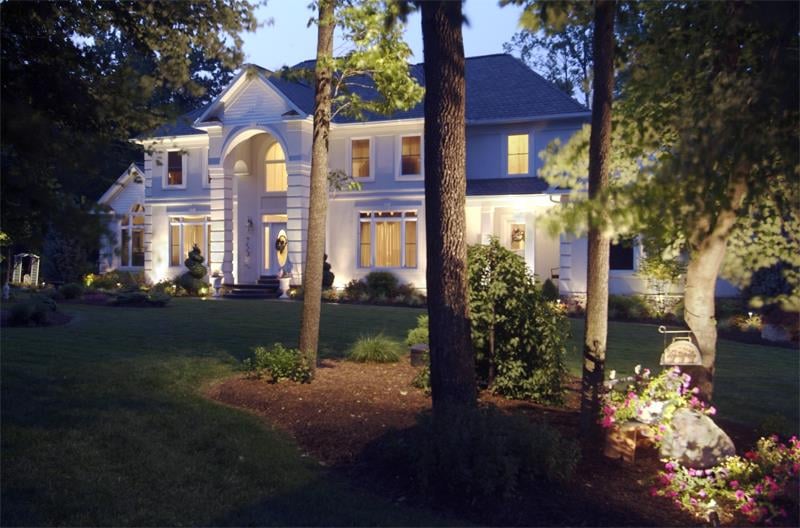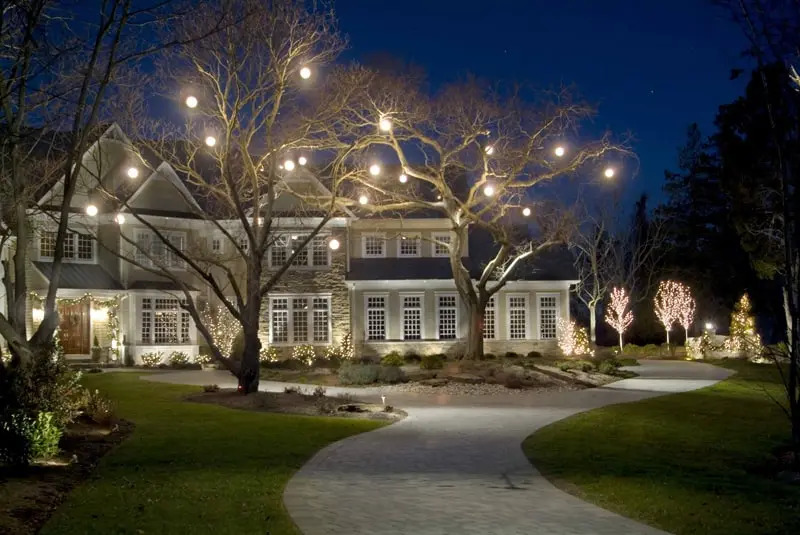
Most people think of outdoor lighting as something for curb appeal. And yes—it makes your house look great at night. But after 42 years of helping homeowners throughout Maryland and the D.C. area, I can tell you: smart lighting does a whole lot more than make your yard pretty. It makes your home safer.
At tlcincorporated.com, we’ve installed and serviced thousands of lighting systems. I’ve seen firsthand how well-planned lighting protects families, prevents accidents, and gives people peace of mind. And I’ve seen how poor lighting—or no lighting—can lead to slips, break-ins, and lost visibility right when you need it most.
In this article, I’ll explain how professional outdoor lighting improves safety, how we design systems that serve both function and beauty, and how our AI-powered tracking system helps homeowners stay protected season after season. You’ll also read real case studies from Maryland homeowners, practical advice, and a safety-focused checklist for your property.
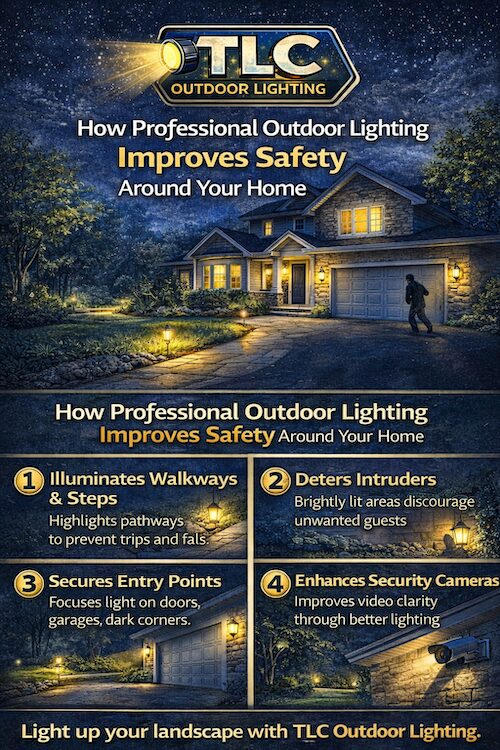
Why Safety Should Be the First Priority
1. Prevent Trips and Falls
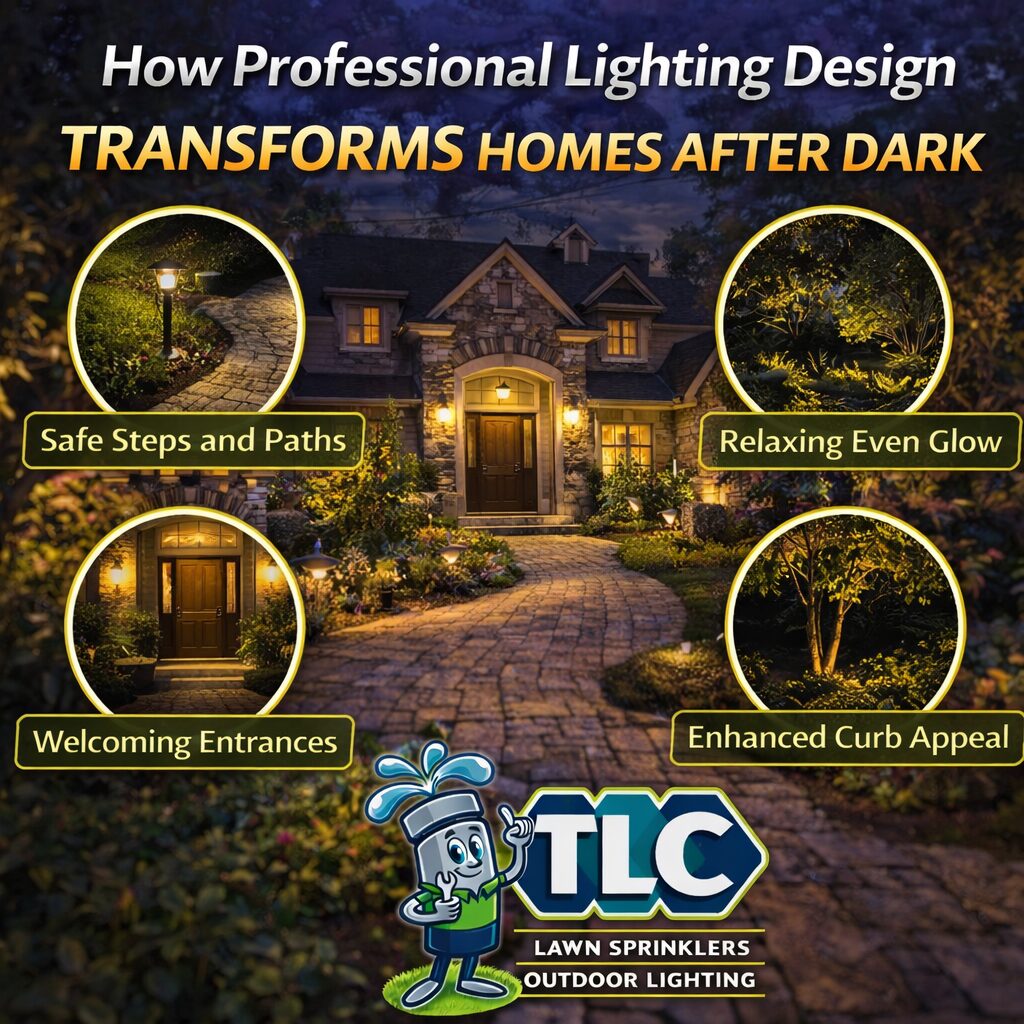
One of the biggest risks around any home is the simple stuff: uneven paths, wet steps, or toys left in walkways. Proper path lighting helps everyone see where they’re going—especially guests unfamiliar with the yard.
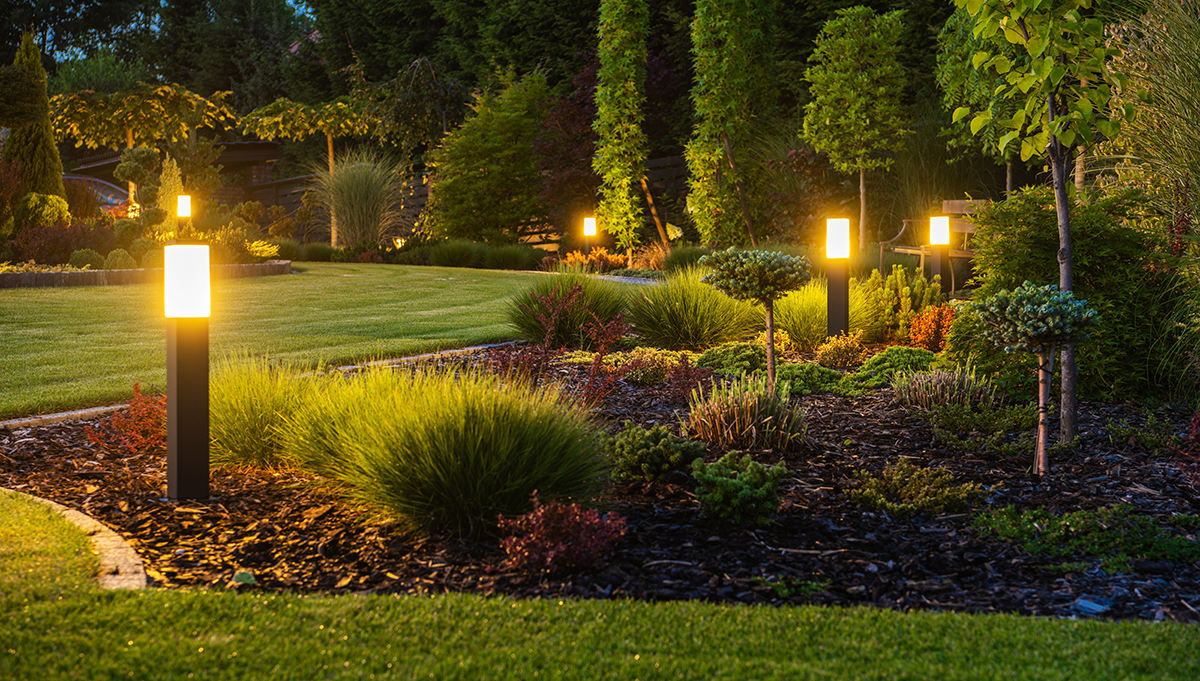
Case Study: The Martins (Silver Spring, MD) After Mrs. Martin slipped on a dark step, we installed low-glare path lights with warm LEDs along their front walkway and porch stairs. The fixtures blend into the landscape but make every edge visible at night. We also logged the fixture angles and lumen settings into their tlcincorporated.com dashboard for seasonal checks.
2. Illuminate Entry Points
Doors, garages, and gates are safer when properly lit. Good lighting discourages prowlers and makes it easier for homeowners to spot activity or welcome visitors. Well-lit entry points also reduce the chance of fumbling with keys or tripping while unlocking doors at night.
3. Help First Responders Navigate
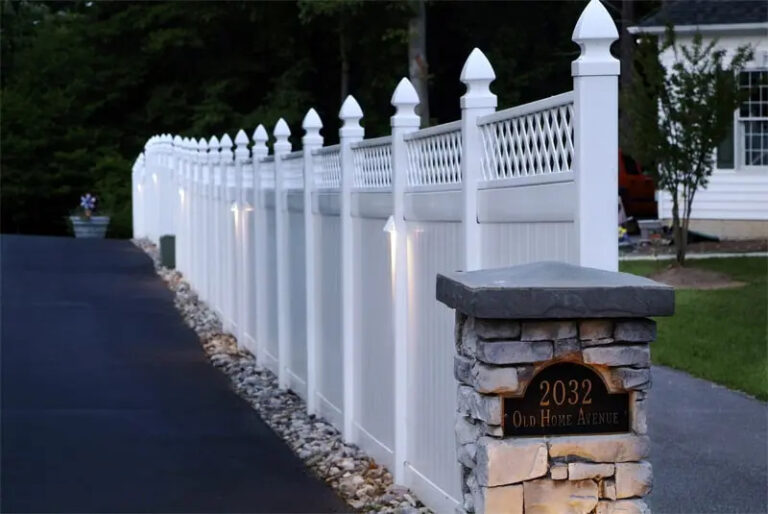
We light up house numbers, driveway edges, and key turn-ins. That way, emergency crews can find you faster in the dark. In one case, a homeowner told us their paramedic was able to reach the back patio faster thanks to clearly lit steps we had installed six months earlier.
Where Most Homeowners Go Wrong
1. Relying Only on Porch Lights
Front porch lights often cast more shadows than coverage. And they rarely illuminate the path from the driveway to the door—especially if the entrance is offset.
2. Installing Harsh or Overly Bright Fixtures
Too much light causes glare, which makes it harder to see. It also disrupts your night vision and can annoy neighbors.
3. Forgetting Side Yards and Basement Entrances
These “forgotten” zones are often the most vulnerable—both to injury and intrusion.
4. Skipping Light Direction Testing
Lights should be aimed for the way you walk—not just the way the house looks from the street. We walk the yard with you at night to make sure the light goes where it’s needed.
Bob’s Tip: “Good lighting doesn’t just light up a yard. It leads the way—and keeps you from missing a step.”
Smart Maintenance
At tlcincorporated.com, every lighting system includes:
- Fixture Specs Log: Each light is tagged with its model, beam spread, color temperature, and lumen output
- Nighttime Photo Walkthrough: Before-and-after images from installation night
- Seasonal Adjustment Logs: We revisit lighting each spring and fall to adjust for plant growth, time changes, and weather wear
- Maintenance Reminders: Homeowners get alerts when it’s time to clean lenses, check transformer loads, or rebalance glare angles
Case Study: The Andersons (Annapolis, MD) Their rear steps were always in shadow. We added targeted step lights and included them in their annual lighting audit. Now they’re checked each spring to ensure they’re clean, aligned, and operating at full brightness.
More Real Homeowner Stories
The Dunns (Columbia, MD)
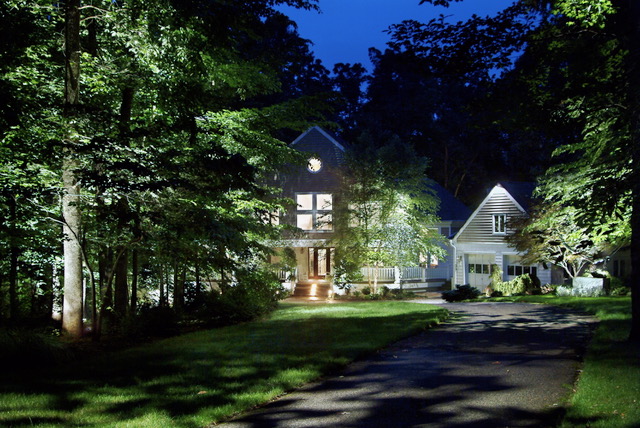
Their driveway had a sharp curve that was hard to navigate at night. We added downlighting in the trees and gentle marker lights along the border. Not only did it make pulling in easier, it also helped their elderly parents avoid curbing the car.
The Harris Family (Bethesda, MD)
Their detached garage had no lighting between the house and the door. We installed downcast shielded lighting with motion sensors for security—but also built in constant low-level lighting for safety when the kids come home late.
The Welches (Chevy Chase, MD)
They had a backyard path that was mostly for guests to reach the patio. We added low-voltage LED step markers and soft up-lighting on trees nearby. Now, guests walk confidently—and the whole backyard feels more inviting.
Bob’s Field Reminder: “If you can’t walk the yard at night without a flashlight, your lighting isn’t finished.”
Our Design Process for Safer Homes
1. Walk the Yard at Night
We always schedule at least one visit after dark. That’s when you find the blind spots.
2. Map Hazard Points
We look for: – Elevation changes – Steps – Side yard transitions – Pathway width and surface type
3. Balance Aesthetics with Safety
Lighting should be subtle, not sterile. We choose beam shapes and wattage that improve visibility without harsh glare.
4. Tag and Track Fixtures
All lights are photographed and logged to your tlcincorporated.com account. If one fails, shifts, or dims, we know exactly what needs replacing.
FAQs
Q: Can I add safety lighting without lighting the whole yard?
Absolutely. We often start with critical paths and entry zones—then build from there if needed.
Q: Are motion lights enough?
They help, especially for security. But constant low-level lighting is better for safe movement and visual comfort.
Q: What if I don’t want the lights too bright?
We specialize in soft, warm lighting (2700K) that highlights without overwhelming.
Q: Can lighting help with security, too?
Yes. Well-lit homes are proven to be less attractive to intruders. And visible lighting makes it easier to monitor activity.
Q: How long do these lights last?
LEDs last 10–15 years. Brass and copper fixtures even longer. But regular cleaning and beam adjustment keep them looking sharp.
A Safety Lighting Checklist for Homeowners
- Are your front and rear entries well-lit?
- Can guests clearly see the path from the driveway?
- Are all steps and elevation changes illuminated?
- Do your house numbers glow at night?
- Is the lighting soft enough to see—without blinding anyone?
- Have you tested the system in all four seasons?
If you answered “no” to two or more, your lighting may not be doing its full job.
Final Thoughts: Lighting That Protects
Outdoor lighting can be beautiful. But if it doesn’t help you feel safer walking around your home at night, it’s not doing enough.
At TLC, we design lighting that helps you live confidently outside—even after dark. We think about family, guests, deliveries, pets, and first responders. And we build lighting systems that light the way—year after year.
Bob’s Wrap-Up: “Lighting should help you see, not just be seen. And it should grow with your home—not just show off the plants.”
Need a safety-first lighting plan that works in real life? Call tlcincorporated.com and I’ll walk the yard with you at night, side by side, and show you where the light should go—and why it matters.
Topics: