Repairing a System Installed By Another Contractor — Here’s What We Found
March 12th, 2026
4 min read
By Bob Carr
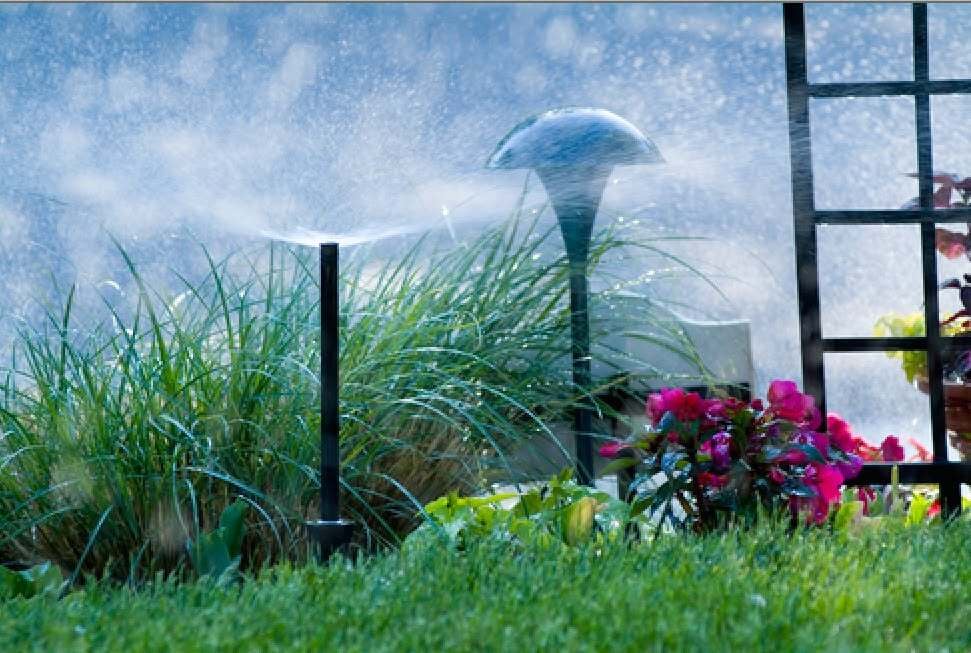
Over the last four decades, I’ve worked on thousands of properties across Maryland, Northern Virginia, and Washington, DC.
Fairfax.
Arlington.
Bethesda.
Rockville.
Annapolis.
Columbia.
McLean.
Potomac.
Beautiful homes. Mature trees. Clay soil. Freeze–thaw winters. Heavy summer storms.
And more often than you might think, I get a phone call that starts like this:
“Bob, we had a system installed a few years ago… and it’s just not working right.”
Sometimes it’s irrigation. Sometimes drainage. Sometimes landscape lighting.
And sometimes, it’s all three.
Let me be clear from the start.
This isn’t about criticizing another contractor.
It’s about understanding what we find when we’re called in to repair or correct a system that was installed by someone else — and what homeowners can learn from it.
Because what’s underground matters more than what you see above it.
The Call That Started It
This particular project was in Northern Virginia — a well-kept home in a mature neighborhood with heavy clay soil and established landscaping.
The homeowner had installed an irrigation and drainage system about five years earlier.
On paper, everything looked fine.
But here’s what they were experiencing:
- Patchy lawn despite regular watering
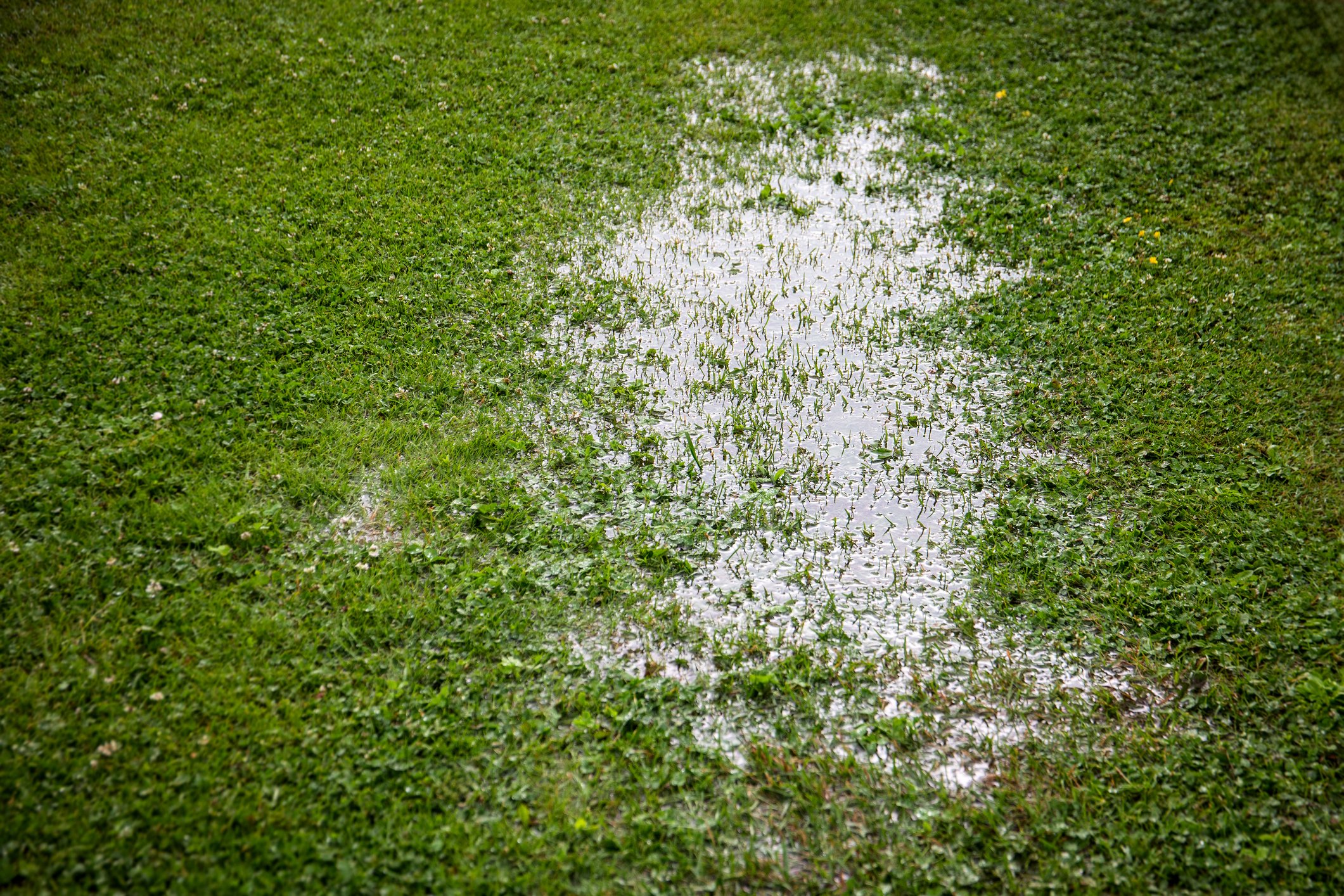
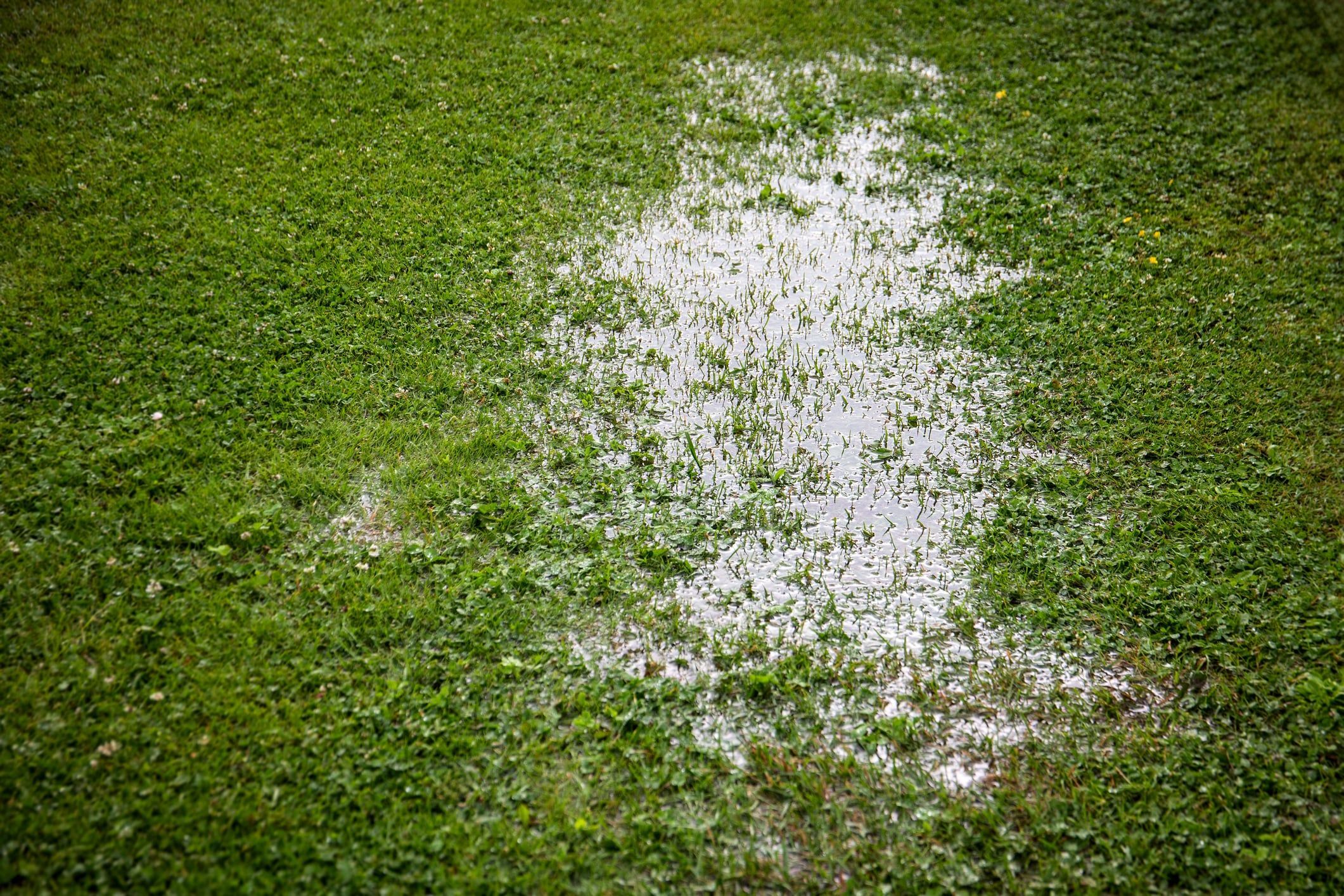
• Standing water along one side yard
• A valve box that repeatedly filled with water
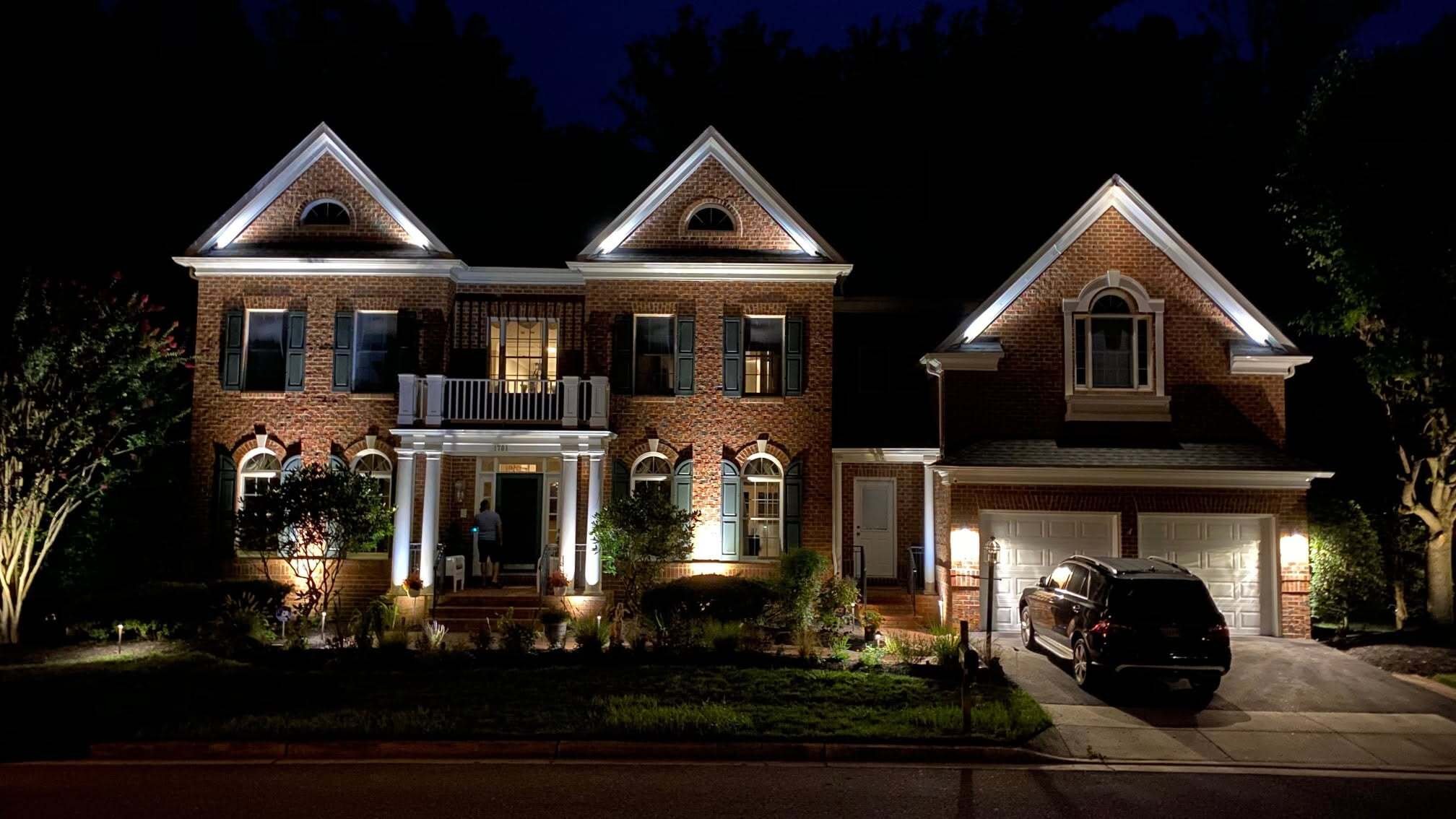
• One lighting zone flickering at night
• Rising water bills
Nothing dramatic.
Just constant, nagging problems.
That’s usually how these stories begin.
What We Found — Step by Step
We don’t show up and start digging blindly.
We diagnose first.
Here’s what we uncovered.
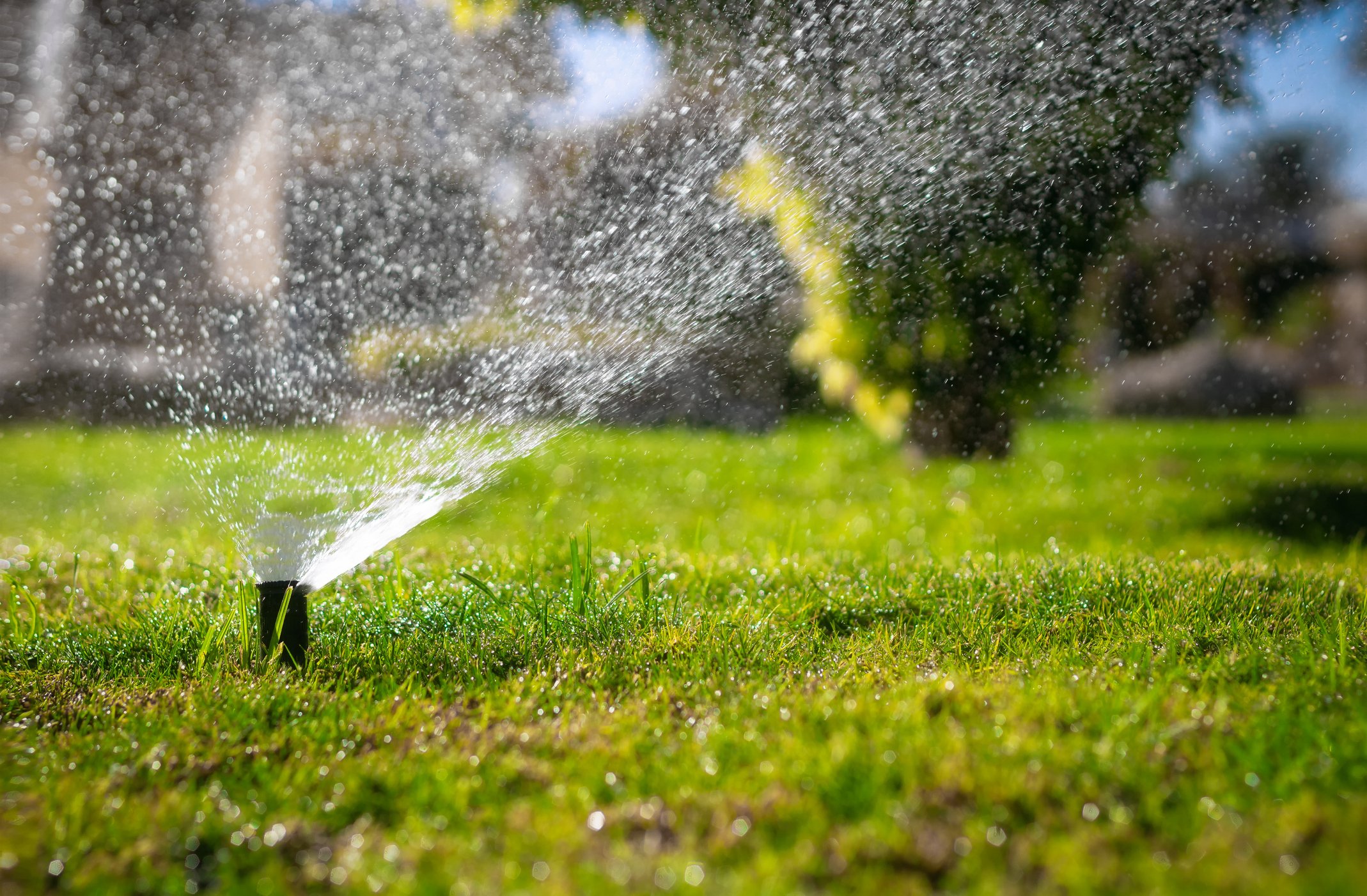
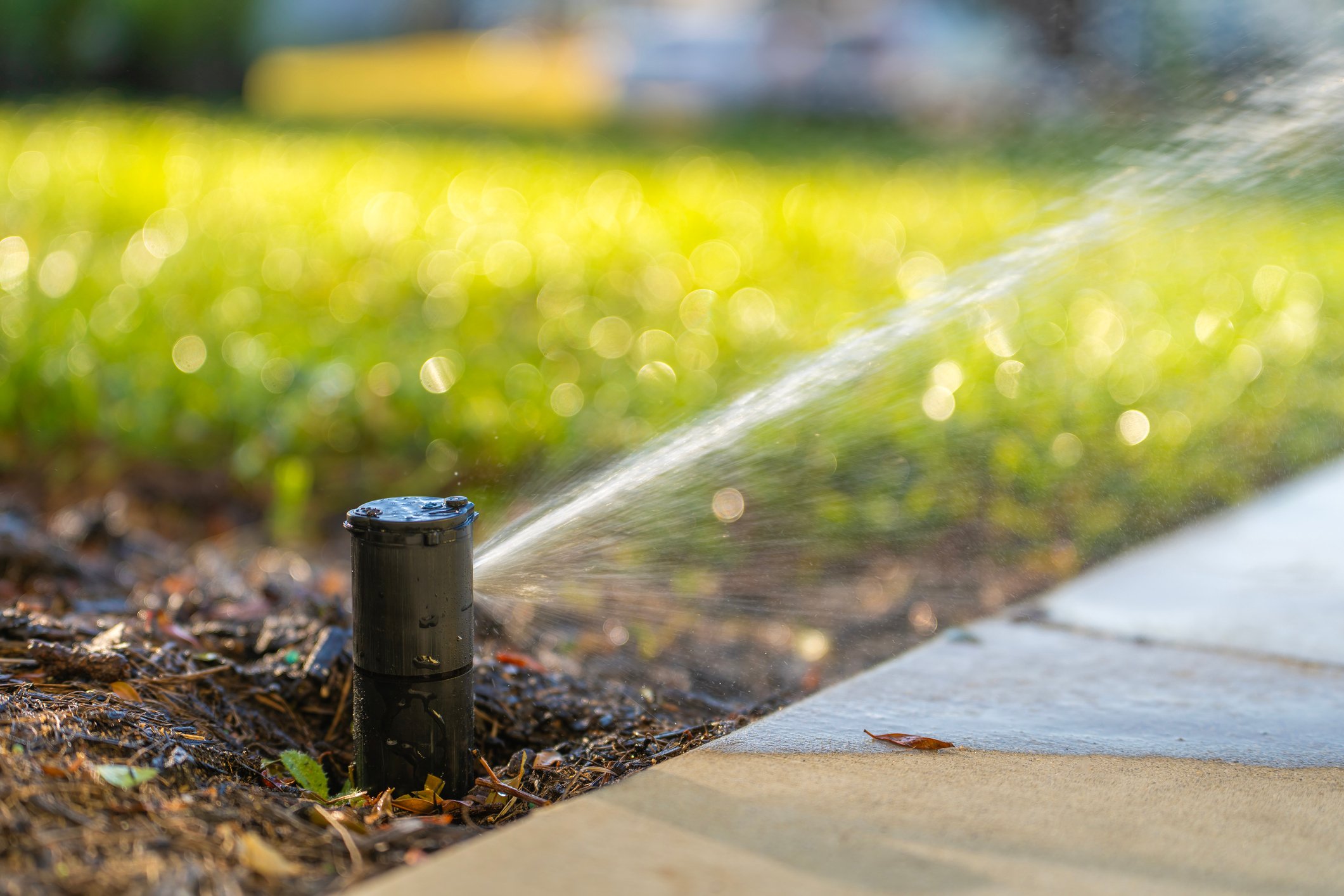
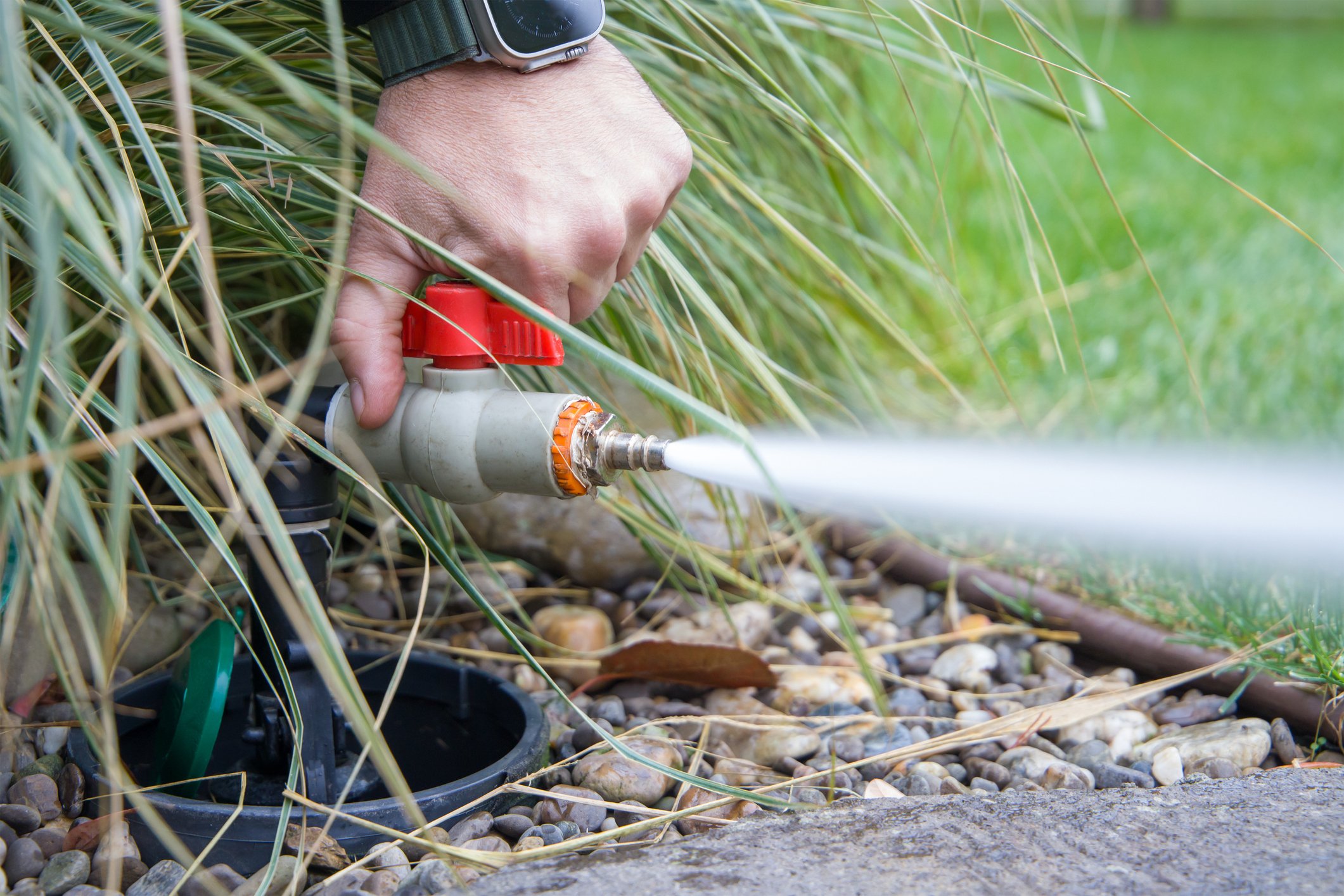
1. No Hydraulic Calculations Were Performed
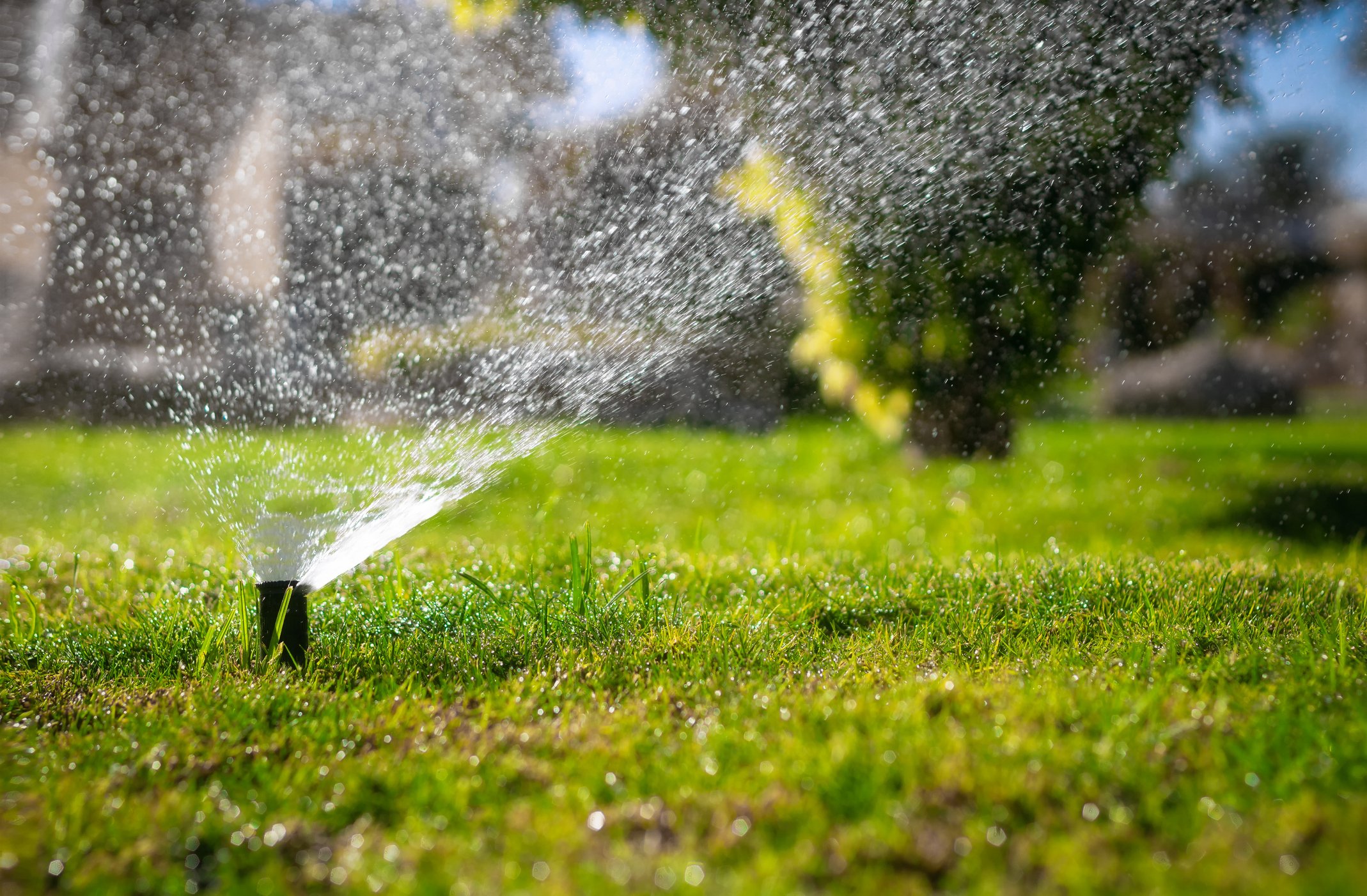
The irrigation zones were uneven.
Some heads sprayed strong and full. Others barely popped up.
Pressure testing revealed overloaded zones.
Too many heads had been placed on individual valves without calculating available GPM (gallons per minute).
In clay-heavy areas like Fairfax and Montgomery County, pressure balance is critical.
When you overload a zone:
- Heads at the end of the line suffer
• Turf becomes uneven
• Homeowners increase runtime to compensate
• Water waste increases
The system wasn’t “broken.”
It was poorly balanced.
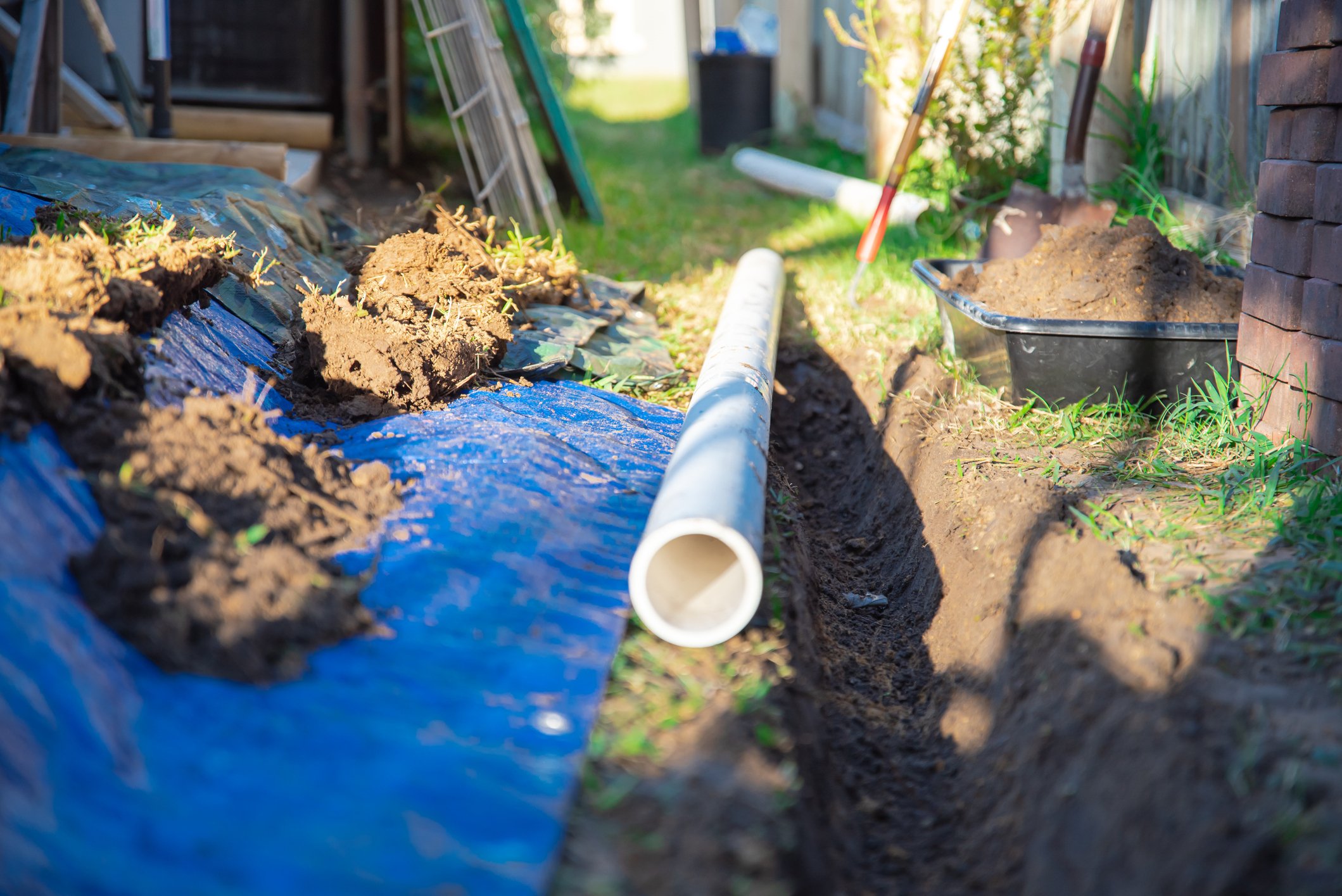
2. Shallow Pipe Installation
In several sections, lateral lines were buried at roughly 5–6 inches.
In the DMV, with freeze–thaw cycles and soil movement, that’s risky.
Shallow burial increases:
- Freeze cracking
• Root pressure
• Lawn aerator punctures
• Soil shift stress
We found two minor fractures that had already been repaired once.
That told me something important.
This system was going to keep needing repairs.
3. Spray and Rotor Heads Mixed in the Same Zone
This is one of the most common shortcuts I see.
Spray heads apply water quickly. Rotors apply water slowly.
When mixed together:
- Sprays overwater
• Rotors underwater
• Lawn becomes inconsistent
It saves time during installation.
But it creates long-term performance problems.
4. Drainage Without Proper Discharge Planning
The drainage system included a short French drain section along the side yard.
But here’s what was missing:
A defined exit point.
Water was being captured — but not moved far enough away.
The perforated pipe transitioned to gravel — not solid carry-out.
In clay soil, gravel alone is not a solution.
Water pooled.
The homeowner thought the drain had “failed.”
It hadn’t failed.
It had never been fully engineered.
5. Lighting Voltage Drop
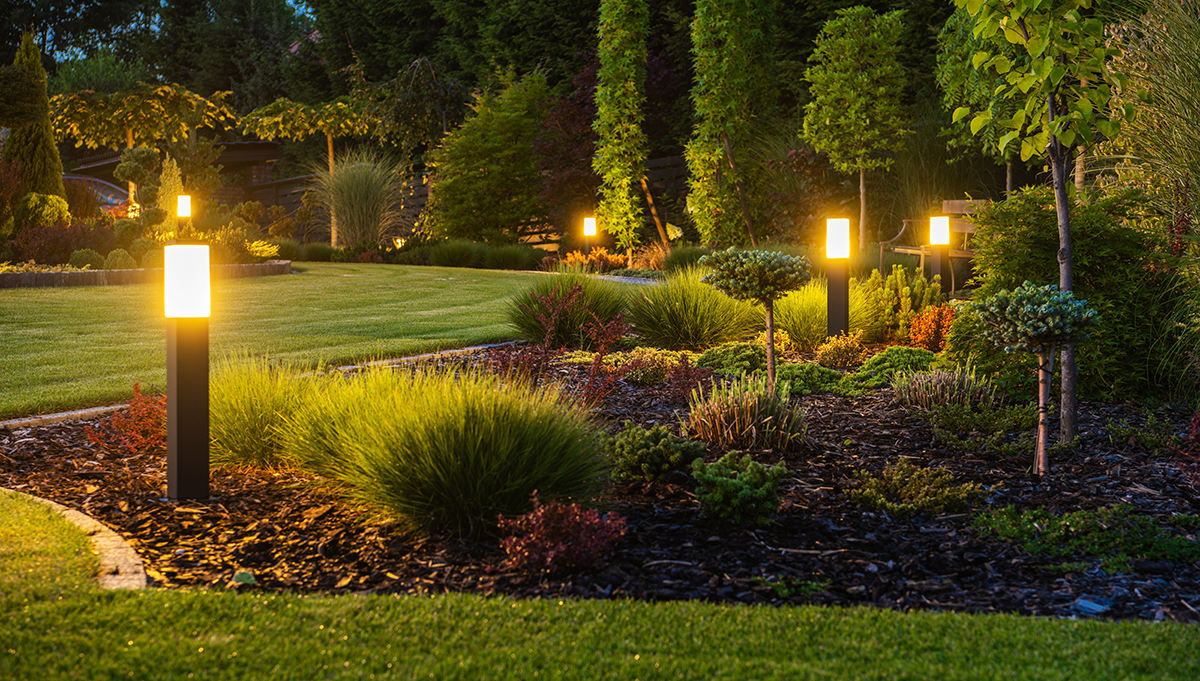
The outdoor lighting system looked fine during the day.
At night, one section flickered.
Voltage testing revealed significant drop at the end of a long run.
The transformer was undersized.
Wire gauge was too small for the distance.
Instead of rebalancing load during install, extra fixtures had simply been added.
That works — for a while.
Until it doesn’t.
The Pattern We See Again and Again
Over 42 years, I’ve noticed something.
When we’re called to repair systems installed by another contractor, the issues usually fall into one of three categories:
- Design shortcuts
- Material shortcuts
- Planning shortcuts
Not always.
But often.
The homeowner doesn’t see these shortcuts during installation.
Everything is underground.
Everything looks clean when finished.
Problems surface later.
What We Did to Correct It
We didn’t rip everything out.
That’s not always necessary.
Instead, we:
- Recalculated hydraulic load and split two overloaded zones
• Increased pipe burial depth where practical
• Separated spray and rotor heads properly
• Installed solid pipe carry-out for drainage
• Regraded the affected side yard
• Upgraded the lighting transformer
• Rebalanced lighting runs to eliminate voltage drop
We preserved what was structurally sound.
We corrected what wasn’t.
The Cost of Correction
Total correction cost:
Approximately $8,900.
That included:
- Excavation and pipe work
• Valve additions
• Drainage redesign
• Lighting upgrade
• Labor and materials
Here’s the part homeowners don’t love to hear.
Had the original installation included proper hydraulic calculations, correct burial depth, and full discharge planning, the difference in upfront cost would likely have been around $3,000–$4,000.
The homeowner ultimately paid more by correcting it later.
That’s not blame.
That’s math.
What Changed After the Repairs
Within one growing season:
- Lawn density improved
• Water bill decreased
• No standing water remained
• No flickering lights
• No mid-season emergency calls
The biggest difference?
Predictability.
The homeowner wasn’t constantly wondering what would fail next.
What Homeowners Should Learn From This
If you’re installing irrigation, drainage, or lighting in the DMV, ask these questions:
- Has hydraulic flow been calculated?
• Are zones separated by head type?
• How deep will pipe be buried?
• Where exactly will water discharge?
• What wire gauge is being used?
• Is voltage drop being measured?
If the answers are vague, pause.
Good contractors welcome detailed questions.
Why This Happens in the DMV
Our region is tough on infrastructure.
- Clay soil expands and contracts
• Freeze–thaw cycles stress joints
• Mature tree roots invade weak points
• Storm intensity is increasing
Systems installed without margin for error reveal their weaknesses faster here than in milder climates.
The Bigger Lesson
When we repair a system installed by someone else, the problem is rarely a single broken part.
It’s usually cumulative stress from small design decisions.
Shortcuts underground don’t show immediately.
But they surface.
After 42 years serving Maryland, DC, and Northern Virginia homeowners, I’ve learned this clearly:
Infrastructure should be built for decades.
Not just for inspection approval.
If a system is engineered properly from the beginning, it performs quietly.
If it’s installed quickly, it eventually asks for attention.
The Bottom Line
Repairing a system installed by another contractor isn’t about pointing fingers.
It’s about restoring balance.
In this case, we didn’t replace everything.
We corrected the underlying design issues.
And once those were addressed, the visible problems disappeared.
Because irrigation, drainage, and lighting systems are not about parts.
They’re about pressure, flow, slope, and electrical balance.
When those fundamentals are right, everything else falls into place.
And when they’re wrong, small issues rarely stay small.
Bob Carr is the founder and president of TLC Incorporated, which he started in 1981 as a small residential lawn sprinkler and irrigation business in Maryland. Over four decades later, he leads a team of specialists serving the Mid-Atlantic region with lawn irrigation, outdoor and holiday lighting, and yard drainage solutions. Bob's approach is built on transparent pricing, quality installation, and treating every customer with respect.