If you’re researching irrigation systems, you’re probably asking some version of this question:
Which irrigation system is actually right for my yard?
Not just what’s available. Not just what’s cheapest. But what truly makes sense for your property, your soil, your landscaping, and your long‑term goals.
This guide is designed to walk you through that decision the way a professional would — clearly, honestly, and without sales pressure.
By the end, you’ll understand:
- The different types of irrigation systems
• The pros and cons of each
• What they typically cost
• Common mistakes homeowners make
• How to know what’s right for your yard
Let’s start with the foundation.
Step 1: Understand Your Yard Before Choosing a System
The biggest mistake homeowners make?
They choose a system before evaluating the property.
Every yard is different.
Key factors include:
- Property size
• Lawn vs landscape bed ratio
• Soil type (clay, loam, sand)
• Sun exposure
• Slope and drainage
• Water pressure
• Plant types
For example:
A flat yard with mostly turf requires a very different system than a property with steep slopes and extensive landscape beds.
Choosing correctly starts with assessment — not equipment.
Step 2: Understand the Main Types of Irrigation Systems
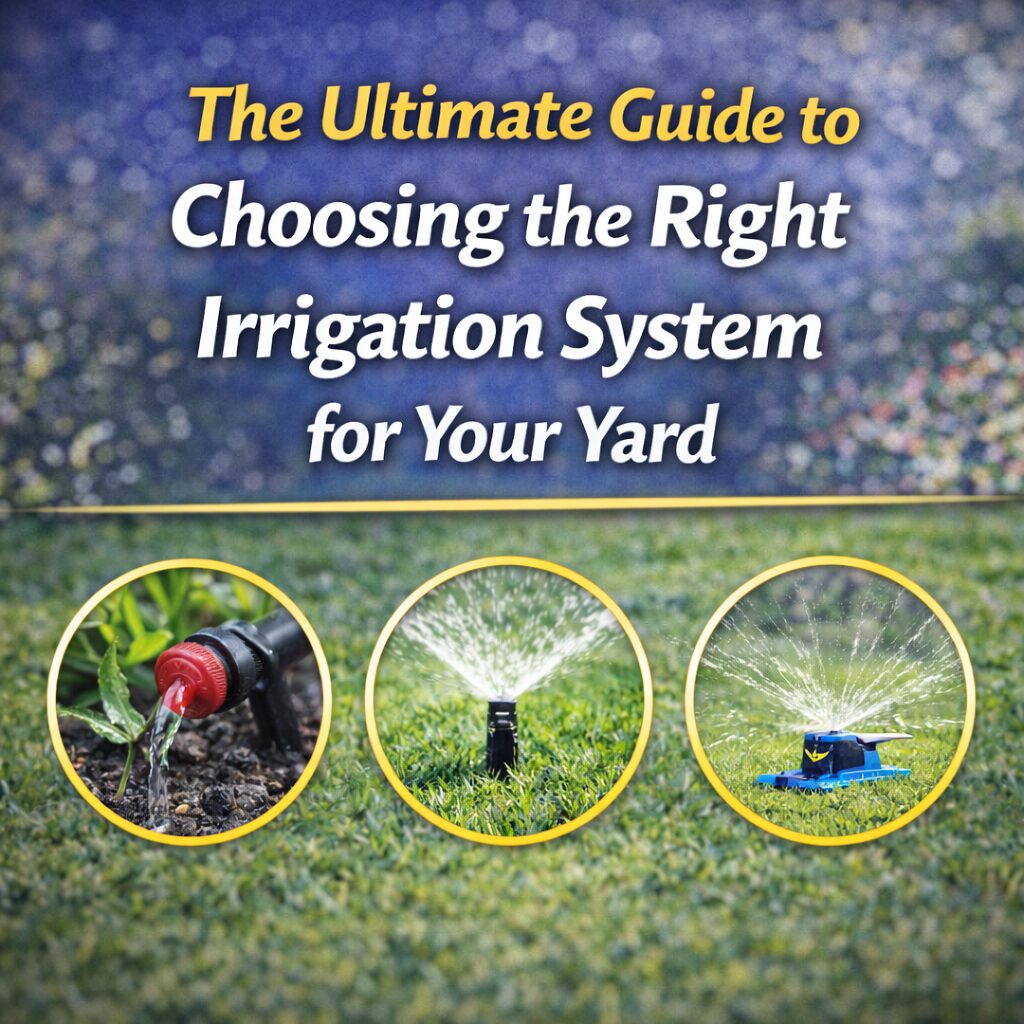
There are three primary irrigation approaches for residential properties.
1. Spray Irrigation Systems
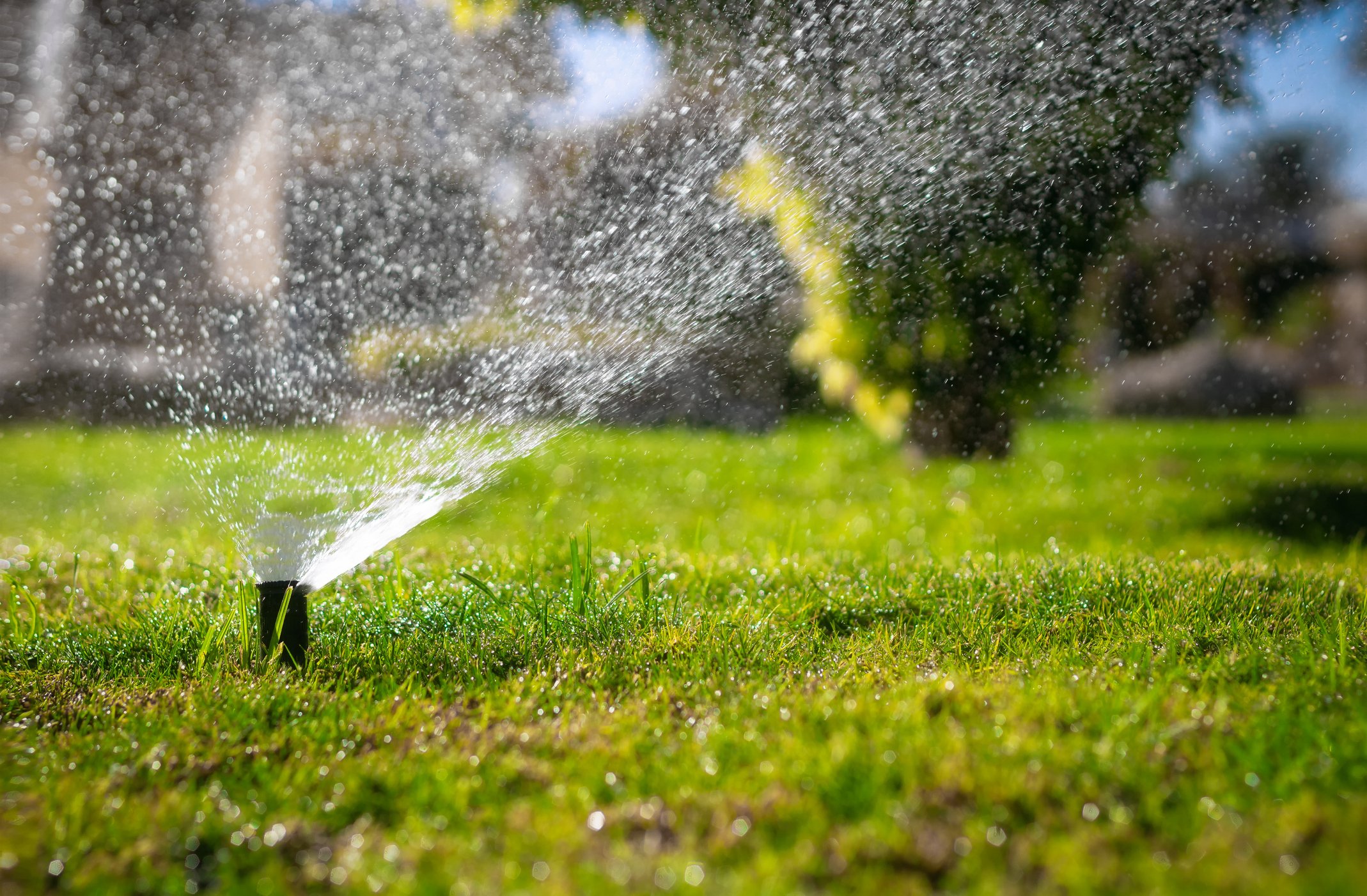
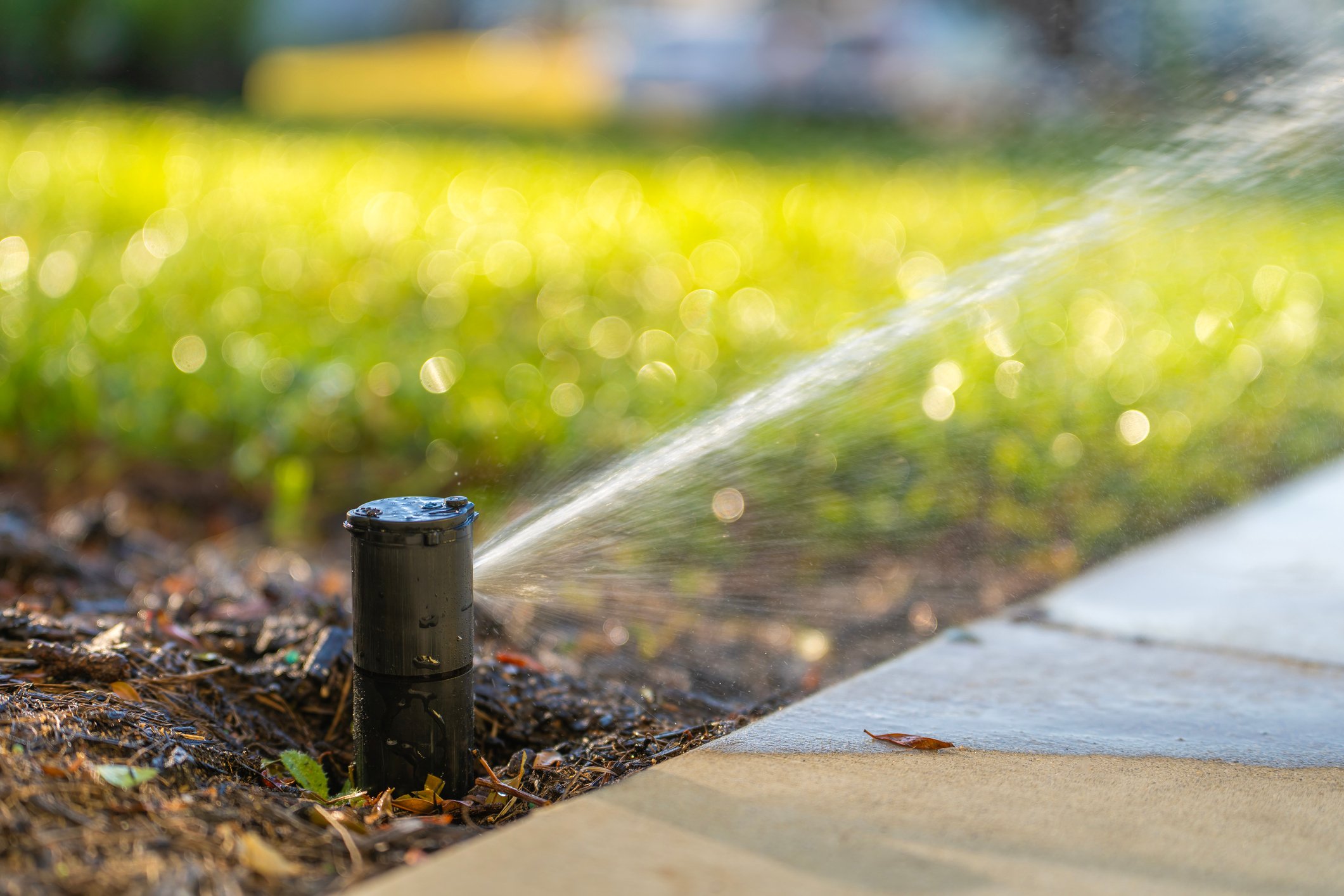
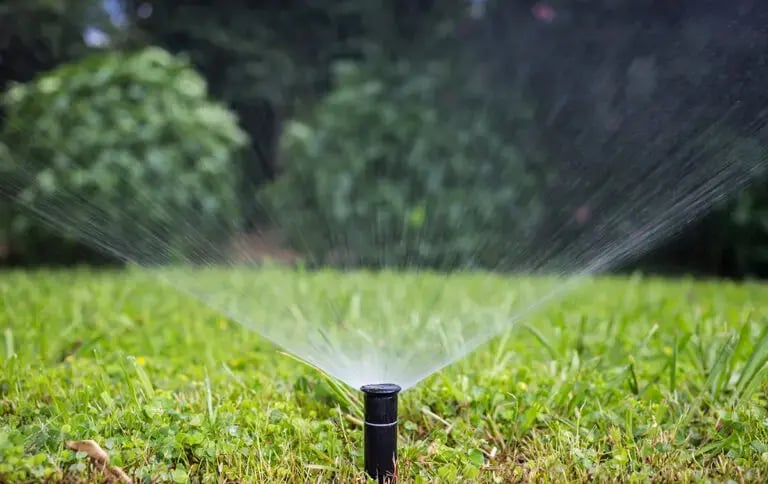
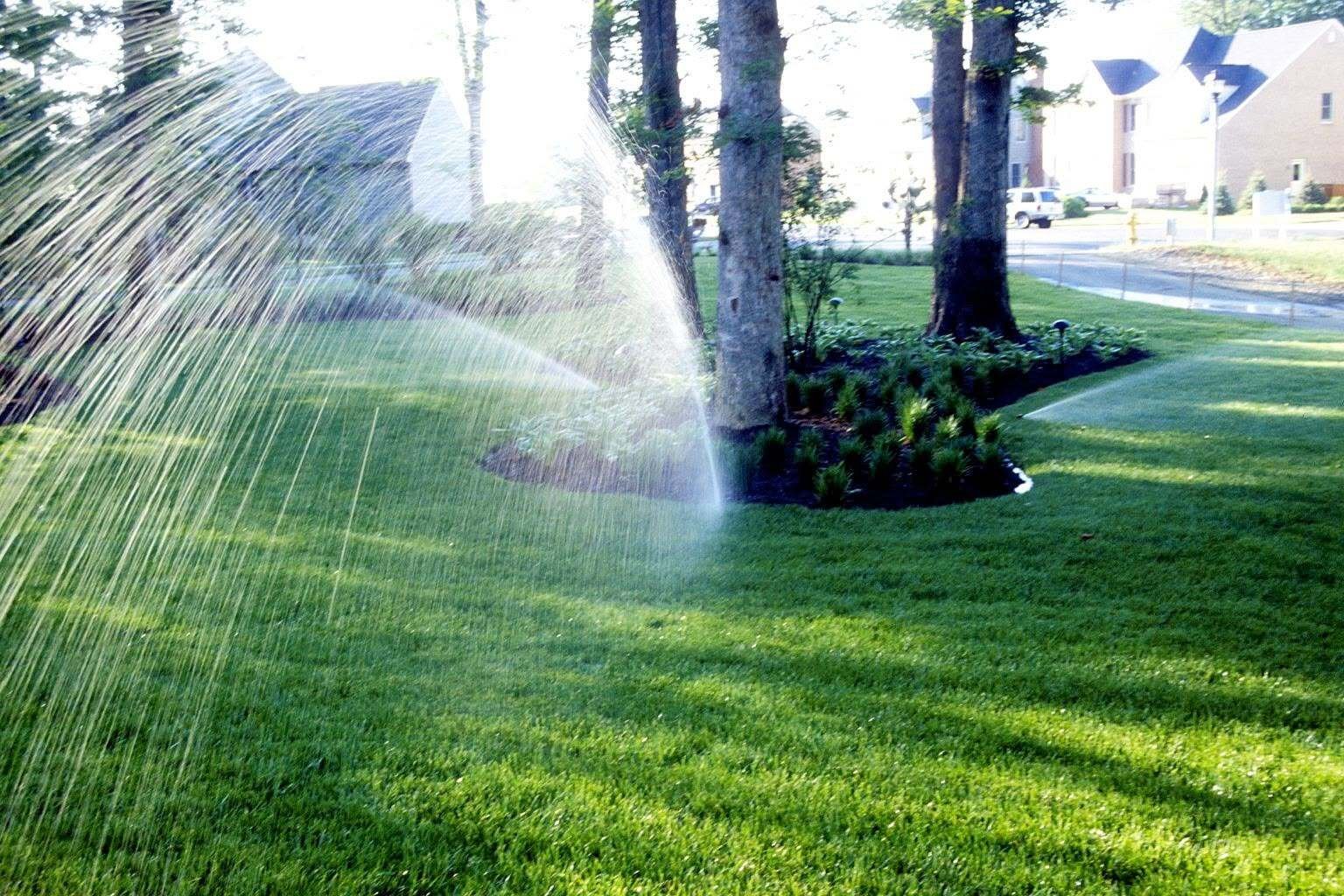
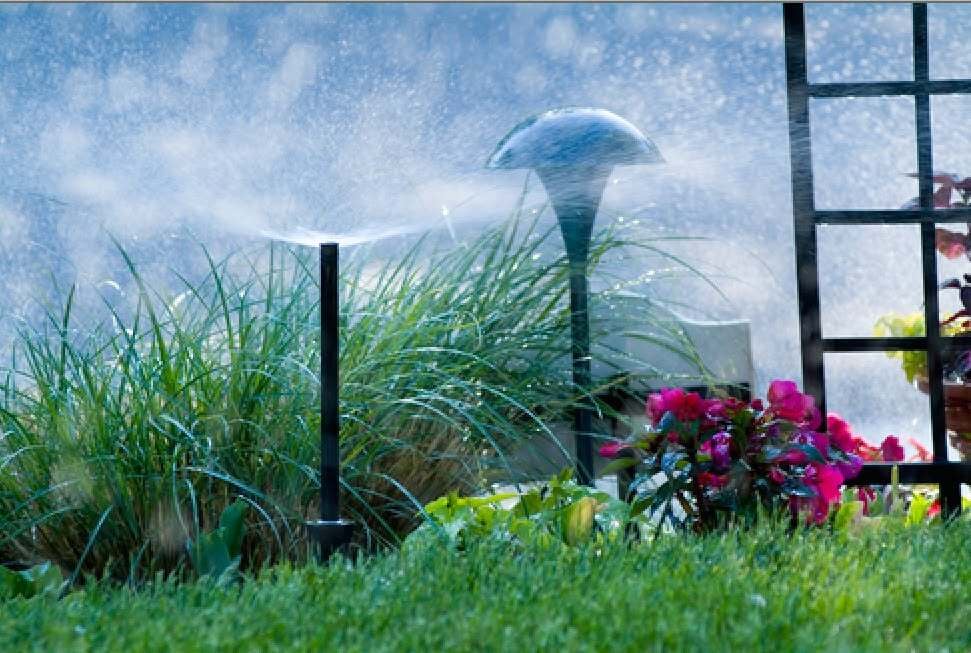
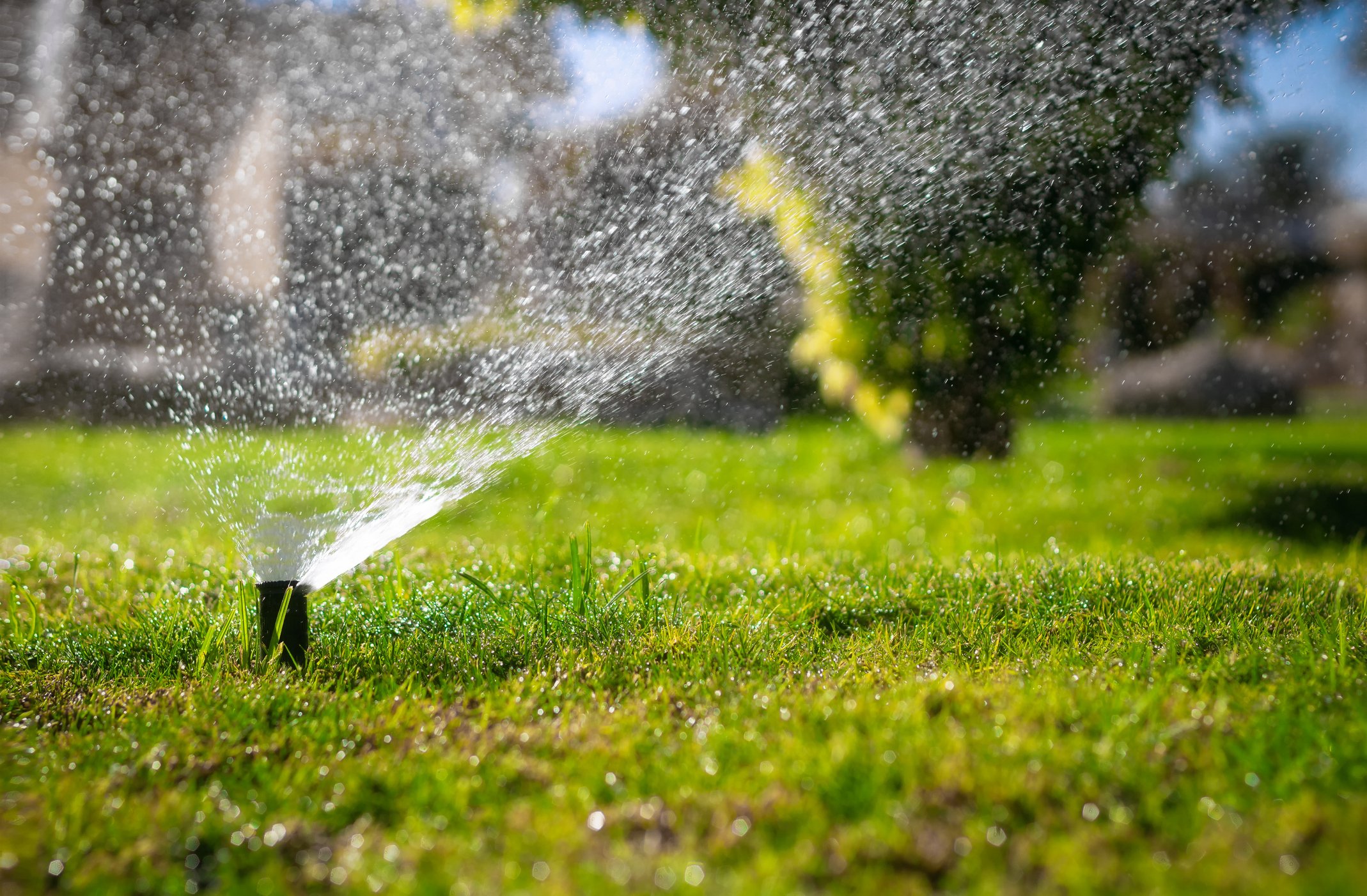
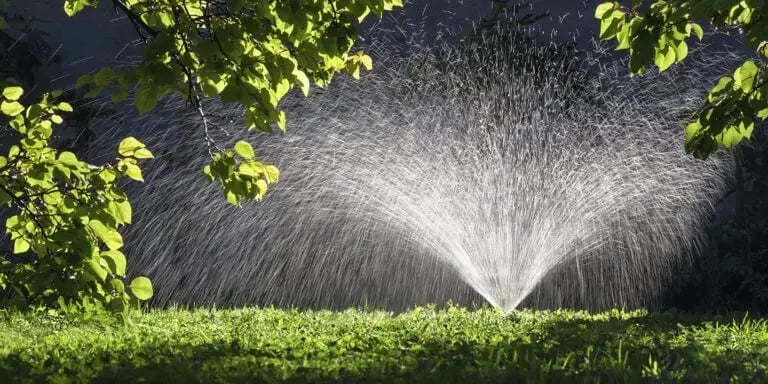
These are the traditional pop‑up sprinkler heads that spray water in a fixed pattern.
Best for:
- Smaller lawns
• Flat areas
• Consistent soil types
Pros:
- Affordable upfront cost
• Good for tight spaces
• Simple installation
Cons:
- Higher evaporation
• Not ideal for windy conditions
• Can waste water if poorly adjusted
Spray systems are common — but not always the most efficient choice for larger properties.
2. Rotor Systems
Rotor heads rotate and distribute water slowly across a larger area.
Best for:
- Medium to large lawns
• Open turf areas
• Higher water pressure properties
Pros:
- Better water efficiency than sprays
• Longer throw distance
• Reduced runoff
Cons:
- Slightly higher installation cost
• Requires proper spacing for coverage
Rotor systems are often ideal for larger, open lawn spaces.
3. Drip Irrigation Systems
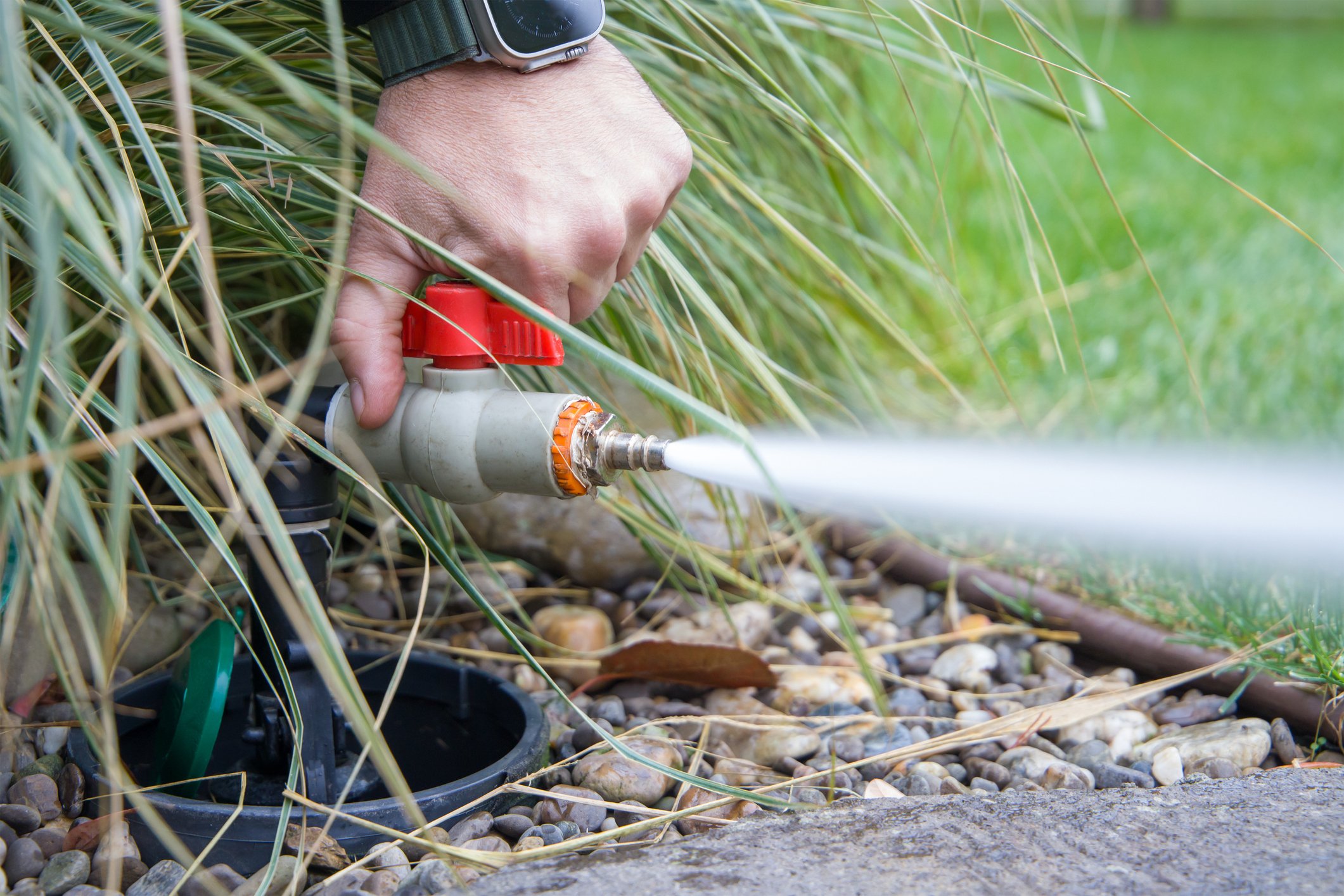
Drip systems deliver water directly to plant roots through emitters and tubing.
Best for:
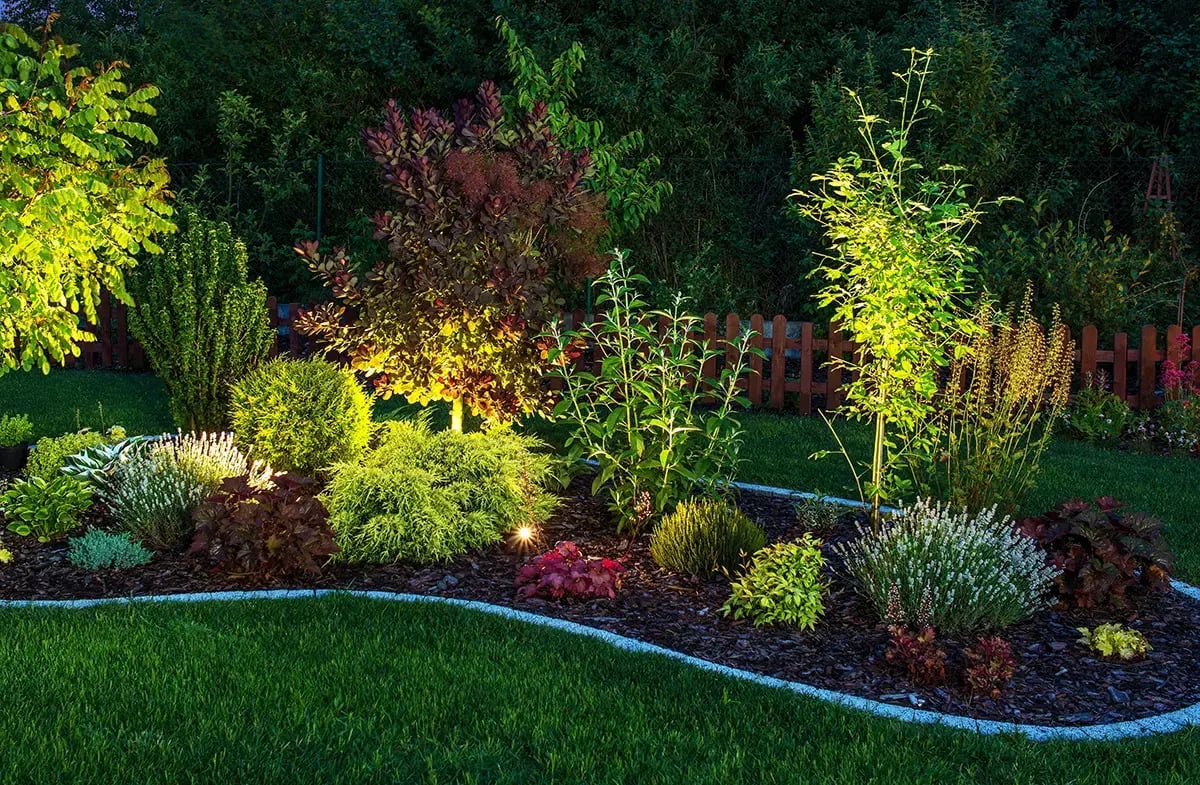
- Landscape beds
• Shrubs and ornamental plants
• Gardens
• Areas with slopes
Pros:
- Extremely water efficient
• Reduces weed growth
• Minimizes evaporation
Cons:
- Requires monitoring for clogs
• Not suitable for large turf areas
In most professionally designed systems, drip and spray/rotor are combined strategically.
Step 3: Match the System to Your Landscape Goals
Ask yourself:
Do I want a perfectly uniform lawn? Do I prioritize water efficiency? Am I protecting expensive plantings? Do I want minimal maintenance?
Your answers shape the system design.
For example:
- Turf‑focused properties often use rotors.
• Garden‑heavy properties rely heavily on drip irrigation.
• Mixed landscapes require zoned systems with multiple delivery methods.
The key word here is zoning.
Different areas of your yard require different watering schedules.
One size does not fit all.
Step 4: Consider Smart Technology
Modern irrigation systems are far more advanced than they were even ten years ago.
Smart controllers now adjust watering based on:
- Rainfall
• Temperature
• Seasonal changes
• Soil moisture levels
Benefits of smart controllers:
- Reduced water waste
• Automatic seasonal adjustments
• Remote access via smartphone
• Data‑driven efficiency
While smart controllers increase upfront cost, they often reduce long‑term water bills.
Step 5: Understand What Irrigation Systems Cost
This is one of the most searched questions.
Costs vary depending on:
- Property size
• Number of zones
• Soil conditions
• System complexity
• Controller type
• Drip vs rotor usage
Typical residential systems often range from several thousand dollars upward depending on scope.
Smaller properties may be lower. Larger or more complex landscapes may be significantly higher.
What drives cost?
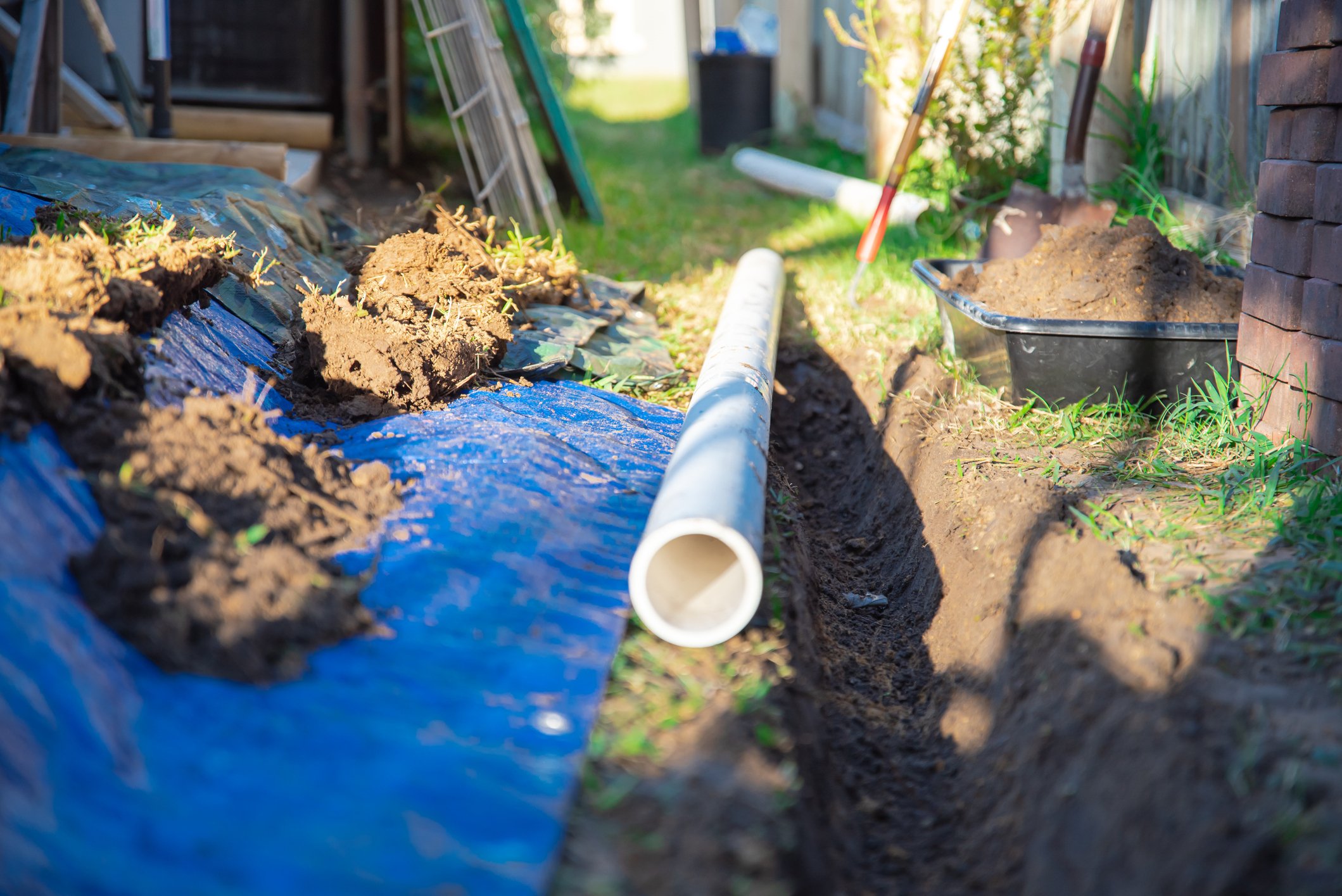
- Trenching length
• Valve count
• Electrical connections
• Backflow prevention requirements
• Smart controller upgrades
The cheapest system upfront is rarely the most efficient long term.
Step 6: Avoid Common Irrigation Mistakes
Even the best equipment fails when poorly designed.
Common mistakes include:
- Mixing spray and rotor heads in the same zone
• Poor spacing leading to dry patches
• Ignoring water pressure limitations
• Failing to account for slope runoff
• Skipping professional startup and winterization
Design matters more than brand.
Step 7: DIY vs Professional Installation
DIY systems may appear less expensive upfront.
But homeowners often encounter:
- Inconsistent coverage
• Poor water pressure balancing
• Leaks from improper fittings
• Overspray onto pavement
• Long‑term inefficiencies
Professional installation includes:
- Property evaluation
• Proper zoning
• Pressure testing
• Backflow compliance
• Clean restoration of turf
DIY can work for small gardens. For whole‑property systems, professional design typically provides better long‑term performance.
Step 8: Think Long Term
An irrigation system protects:
- Sod
• Seeded lawns
• Shrubs
• Ornamental plantings
• Landscaping investments
Without consistent watering, those investments decline.
Without proper maintenance, irrigation systems decline.
Choosing the right system means choosing something that works season after season.
How to Know You’re Choosing the Right System
You’ll know you’re on the right path if:
- Zones are clearly defined
• Turf and beds are separated
• Controller settings are explained clearly
• Maintenance requirements are discussed upfront
• You understand exactly what you’re paying for
If any of those are missing, pause and ask more questions.
Final Thoughts
Choosing the right irrigation system isn’t about picking a product.
It’s about designing a solution.
The right system:
- Matches your landscape
• Uses water efficiently
• Protects your investment
• Reduces manual labor
• Performs reliably year after year
When designed correctly, irrigation becomes invisible.
It simply works.
And when your lawn stays healthy, your plants thrive, and your time is freed up — you’ll know you made the right decision.
Topics: