If you ask most homeowners what they want from their sprinkler system, the answer is simple:
They want it to work.
They don’t want dry patches. They don’t want skyrocketing water bills. They don’t want to babysit timers. And they definitely don’t want to replace half the yard because of poor coverage.
Over the past season, we’ve installed and upgraded dozens of irrigation systems. Some were basic replacements. Others were full redesigns that completely changed how efficiently a property was watered.
Certain sprinkler setups consistently stand out — not because they’re flashy, but because homeowners genuinely love how they perform.
Below are the Top 5 sprinkler system setups homeowners love, why they work, what problems they solve, and what you should consider if you’re thinking about upgrading yours.
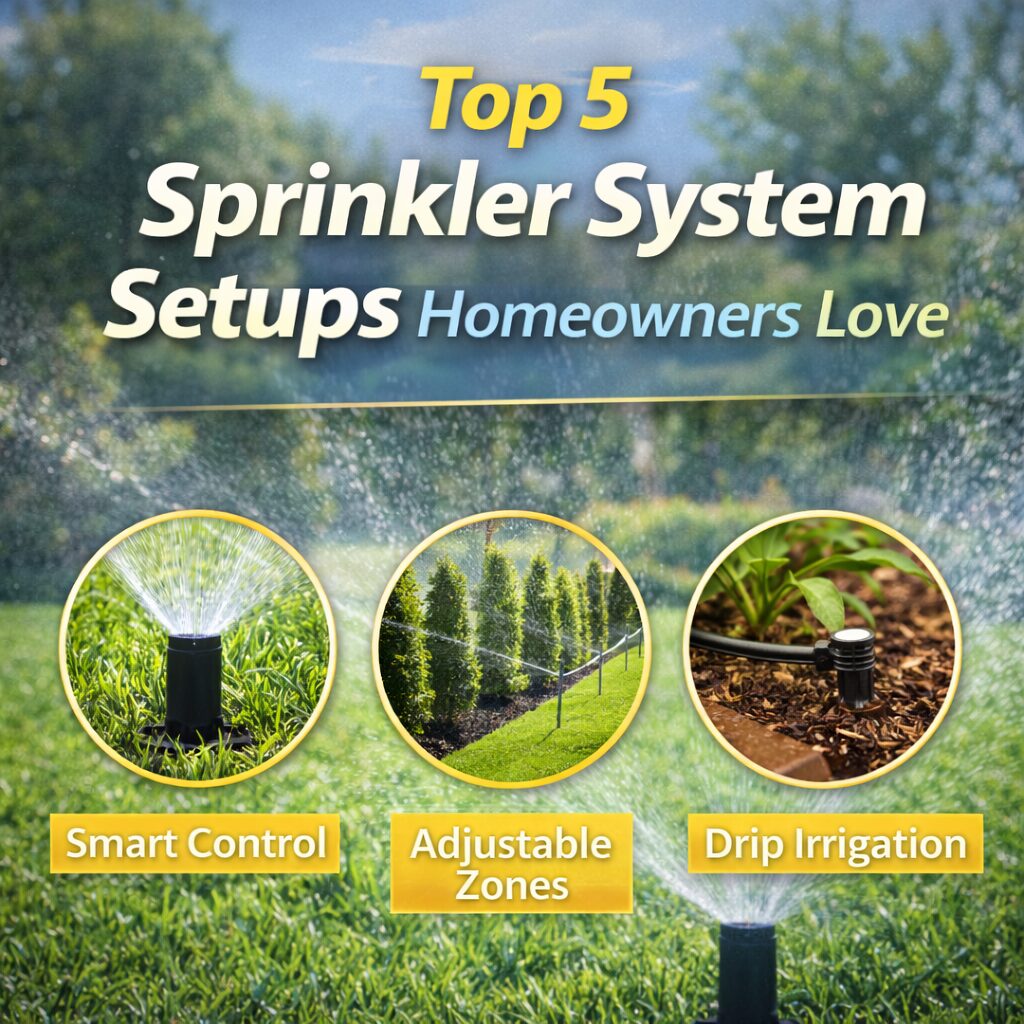
1. The Smart Controller Upgrade (Set It and Forget It)
Why Homeowners Love It
This is hands down one of the most appreciated upgrades we install.
Smart irrigation controllers automatically adjust watering schedules based on:
- Weather forecasts
• Rainfall totals
• Temperature
• Seasonal changes
• Soil moisture trends
Instead of manually adjusting timers throughout the year, the system does it for you.
The Problem It Solves
Traditional timers run on fixed schedules.
That means:
- Watering during rain
• Overwatering in cool weather
• Underwatering during heat waves
• Wasted water and inflated utility bills
Homeowners often don’t realize how inefficient their current schedule is until they see the difference.
What Changes After Installation
- More consistent turf color
• Reduced runoff
• Lower water bills
• Less manual adjusting
Many homeowners tell us:
“I didn’t know irrigation could be this low maintenance.”
Cost Consideration
Smart controller upgrades typically range from $400–$900 depending on the brand and system size.
For many homes, this upgrade pays for itself in water savings over time.
2. Matched Precipitation Nozzles (Goodbye Dry Spots)
Why Homeowners Love It
Dry patches are one of the most common complaints we hear.
Often, the issue isn’t the entire system — it’s mismatched spray heads and nozzles delivering inconsistent water volumes.
Matched precipitation nozzles ensure that all zones apply water evenly, even when head patterns vary.
The Problem It Solves
When nozzles don’t match properly:
- Some areas flood
• Other areas starve
• Water pressure becomes inconsistent
• Grass health declines unevenly
This creates frustration and unnecessary overseeding or sod replacement.
What Changes After Installation
- Uniform coverage
• Healthier turf consistency
• Fewer brown spots
• More efficient watering cycles
Homeowners frequently say:
“We thought we needed new sod. Turns out we just needed better distribution.”
Cost Consideration
Nozzle upgrades often range between $300–$1,200 depending on yard size and head count.
Compared to replacing sections of lawn, this is a small investment.
3. Separate Zones for Turf and Plant Beds
Why Homeowners Love It
Grass and shrubs don’t need the same amount of water.
Yet many older systems combine them into one zone.
That leads to either:
- Overwatered beds
• Underwatered turf
• Root rot in shrubs
• Poor lawn density
Separating zones allows precision watering.
The Problem It Solves
Different plant types have different root depths and water needs.
Without zoning separation:
- You waste water
• Plants struggle
• Fungal disease risk increases
What Changes After Installation
- Turf gets proper rotational coverage
• Shrubs receive slower, deeper watering
• Water efficiency improves
• Plant health stabilizes
Homeowners often say:
“Our beds finally look healthy without drowning the lawn.”
Cost Consideration
Adding or modifying zones can range from $800–$3,000 depending on pipe layout and accessibility.
But the long-term plant health improvements are significant.
4. Drip Irrigation for Beds and Gardens
Why Homeowners Love It
Drip irrigation is one of the most water-efficient setups available.
Instead of spraying water into the air, drip systems deliver moisture directly to the root zone.
The Problem It Solves
Traditional spray heads in garden beds often:
- Create runoff
• Promote weed growth
• Waste water
• Increase evaporation loss
Drip systems minimize those issues.
What Changes After Installation
- Reduced water waste
• Healthier root systems
• Cleaner bed surfaces
• Fewer weeds
• Improved plant longevity
Drip irrigation is especially loved by homeowners who value landscaping investment.
Cost Consideration
Drip conversions vary widely, typically $1,000–$4,000 depending on bed size and complexity.
However, the efficiency gains are measurable.
5. Pressure-Regulated Rotors for Larger Lawns
Why Homeowners Love It
On larger properties, pressure issues become more noticeable.
Without pressure regulation:
- Rotors mist
• Water blows off target
• Coverage becomes inconsistent
• Water bills increase
Pressure-regulated rotors maintain optimal PSI across zones.
The Problem It Solves
High pressure damages distribution. Low pressure reduces reach.
Regulated systems balance both.
What Changes After Installation
- Stronger throw consistency
• Reduced overspray
• Better long-term component life
• Cleaner watering arcs
Homeowners with larger yards especially appreciate the improved performance.
Cost Consideration
Upgrading rotors may range from $600–$2,500 depending on yard size.
For larger lawns, this dramatically improves system performance.
What Makes a Sprinkler Setup “Loved”
The sprinkler systems homeowners love share three traits:
- Efficiency
- Simplicity
- Reliability
They don’t require constant adjusting. They don’t waste water. They don’t create landscaping problems.
They just work.
Is It Time to Upgrade Your Sprinkler System?
If you’re noticing:
- Uneven lawn color
• High water bills
• Constant manual timer adjustments
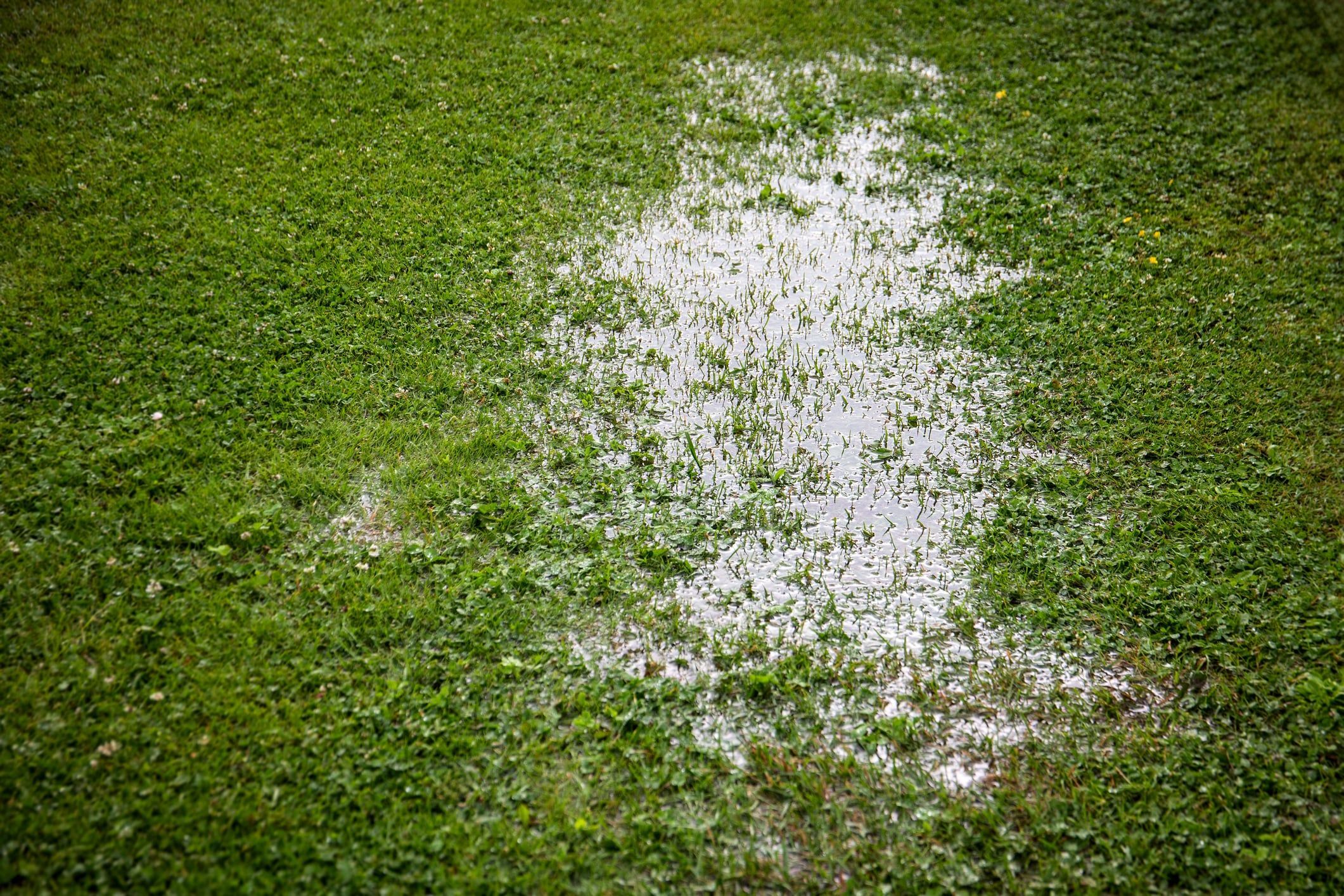
• Standing water or runoff
• Shrub stress
It may not require a full replacement.
Often, targeted upgrades create dramatic improvements.
Final Thoughts
The best sprinkler setups aren’t necessarily the most expensive.
They’re the most intentional.
When systems are designed properly — with zoning, pressure control, smart automation, and plant-specific delivery — the result is:
- Healthier landscapes
• Lower water usage
• Less homeowner stress
• Longer system lifespan
If you’re considering irrigation upgrades, the key isn’t just installing new parts.
It’s designing the system your property actually needs.
Because the sprinkler systems homeowners love most?
They’re the ones they never have to think about.
Topics: