What It Costs to Fix a Sprinkler System Installed Incorrectly
March 7th, 2026
4 min read
By Bob Carr
If you suspect your sprinkler system was installed incorrectly, you’re probably asking one direct question:
How much is this going to cost me to fix?
After 42 years working on irrigation systems across Maryland, Northern Virginia, and Washington, DC — from Fairfax and Arlington to Bethesda, Rockville, Annapolis, and Severna Park — I can tell you this clearly:
Fixing a poorly installed sprinkler system is almost always more expensive than installing it correctly the first time.
But the total cost depends on one critical factor:
How wrong was the original installation?
In this article, I’m going to break down:
- The most common sprinkler installation mistakes we see in the DMV
• How much each type of correction typically costs
• When repairs are possible vs. when full redesign is necessary
• Real local case examples
• How to avoid paying twice
Because transparency builds trust — and this is one of the most common problems homeowners face after hiring inexperienced installers.
The Most Common Signs a Sprinkler System Was Installed Incorrectly
Before we talk about cost, let’s identify the warning signs.
Across Fairfax County, Montgomery County, Anne Arundel County, and beyond, we routinely see systems that were installed quickly but not engineered properly.
Here are the most common red flags:
- Brown patches despite regular watering
• Overspray hitting sidewalks or driveways
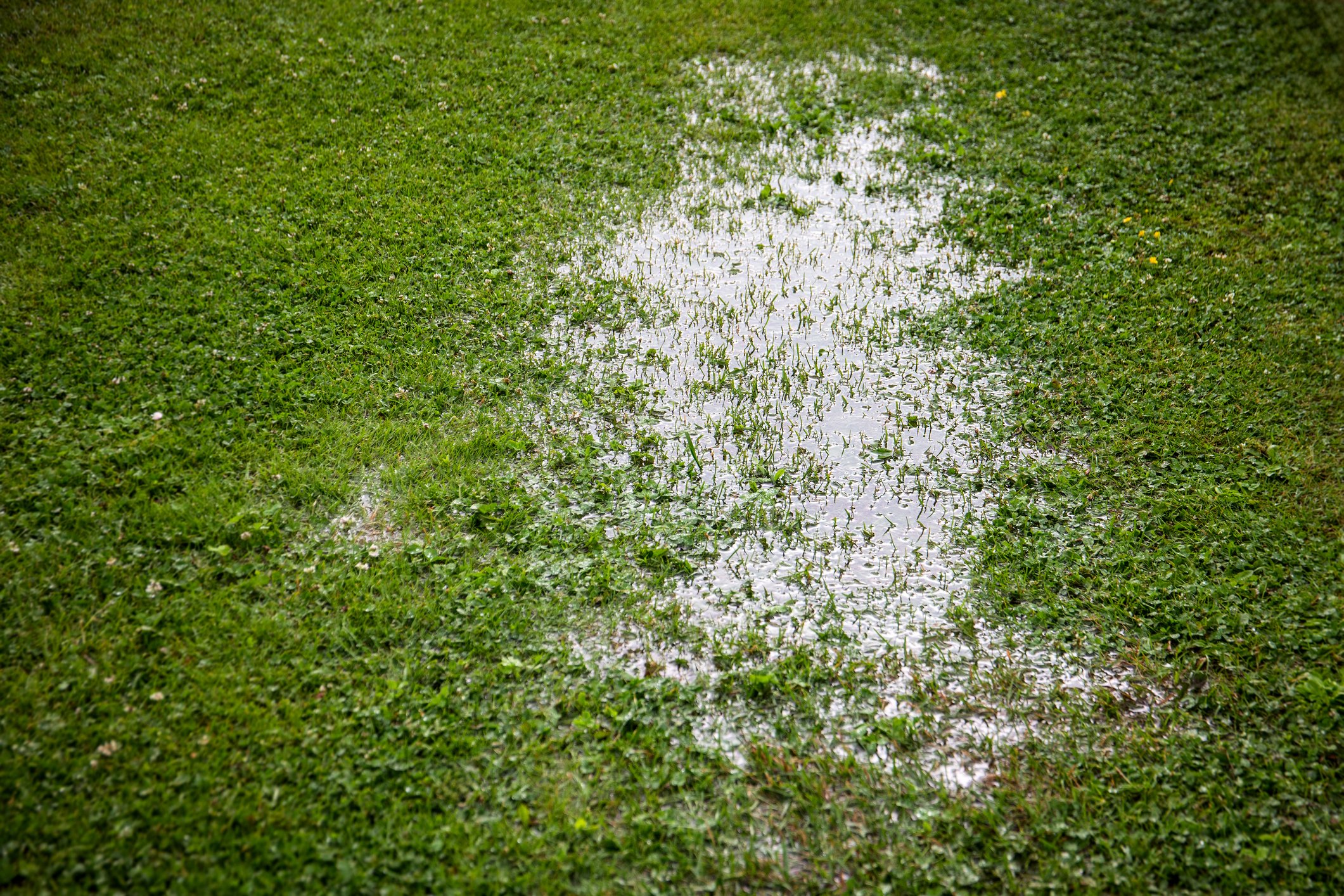
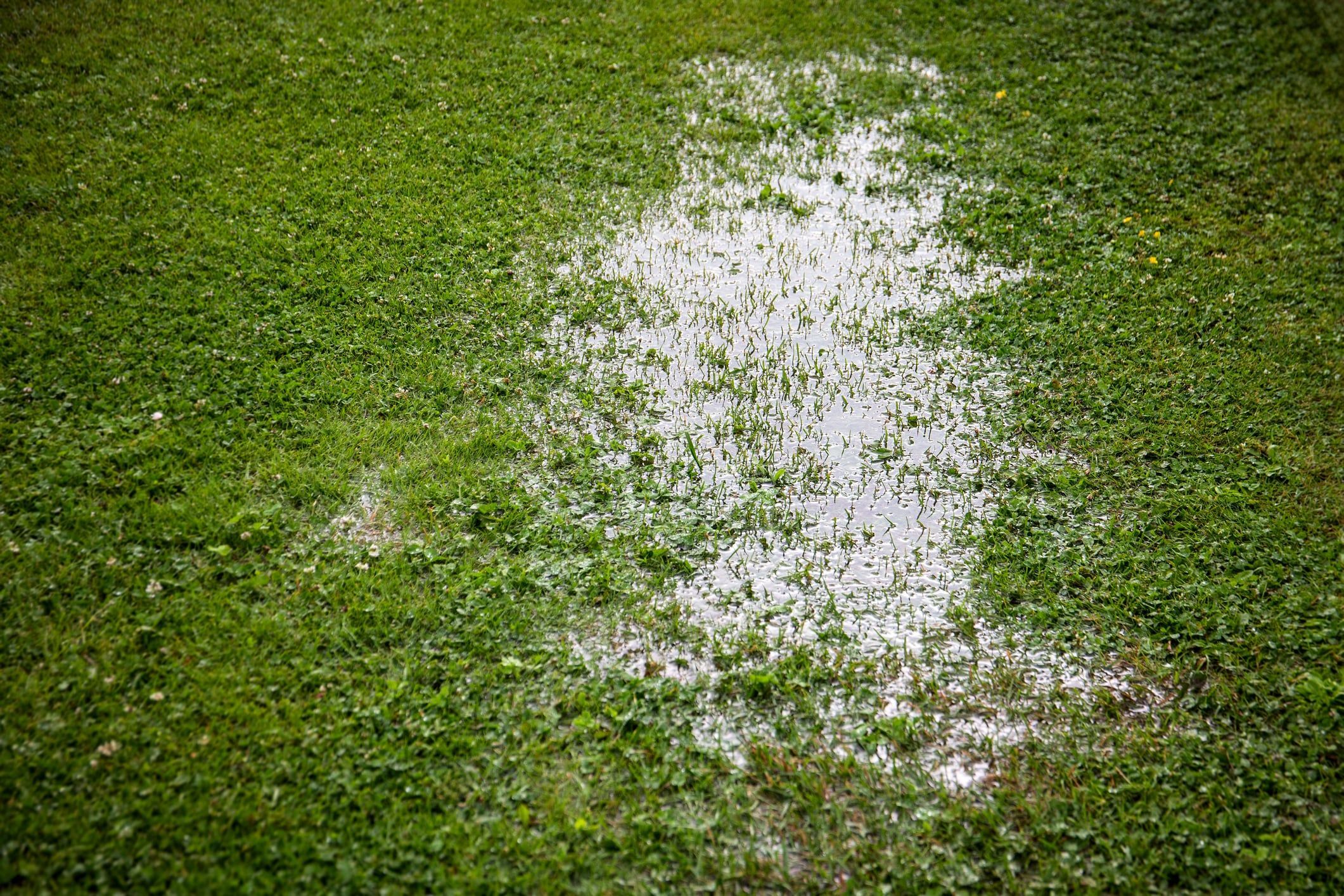
• Soggy areas near the foundation
• Heads that don’t pop up fully
• Spray and rotor heads mixed in the same zone
• Water pressure fluctuations
• Excessively high water bills
• Controller settings that make no sense
• Drainage issues caused by irrigation runoff
If two or more of these are happening, there’s a strong chance the system wasn’t designed correctly.
And design matters far more than most homeowners realize.
Why Incorrect Installation Happens
In the DMV, we often see incorrectly installed systems for three main reasons:
1. Template Layouts Instead of Site-Specific Design
Some installers follow standard spacing patterns without calculating:
- Gallons per minute (GPM) flow rate
• PSI pressure readings
• Clay soil absorption rates
• Slope conditions
• Sun exposure differences
No two yards in Arlington or Annapolis behave the same.
2. Mixing Head Types in the Same Zone
Spray heads release water faster. Rotor heads release water slower.
When they’re installed in the same zone, one area floods while another stays dry.
This is one of the most common design errors we correct.
3. No Hydraulic Calculations
Irrigation systems are pressurized systems.
If the installer never measured available pressure or flow, zones may be overloaded.
Overloaded zones cause:
- Weak spray patterns
• Inconsistent coverage
• Head failure
This is common in older homes across Fairfax and Montgomery Counties where water service lines vary significantly.
What It Costs to Fix Common Sprinkler Installation Errors
Let’s talk numbers.
Here are realistic DMV cost ranges depending on the severity of the issue.
Minor Corrections: $500–$2,500
If the original layout is mostly correct but needs adjustments, repairs may include:
- Replacing incorrect nozzles
• Adjusting head spacing
• Separating one improperly grouped zone
• Reprogramming controller settings
• Fixing pressure regulation issues
Example:
A homeowner in Severna Park had minor brown patches due to incorrect nozzle selection. Replacing heads and recalibrating zones solved the issue for under $1,200.
These are the best-case scenarios.
Moderate Redesign: $2,500–$6,500
When larger zoning errors exist, corrections may require:
- Splitting multiple zones
• Adding new valves
• Running additional lateral lines
• Replacing mismatched head types
• Installing pressure regulators
• Upgrading to a smart controller
Example:
A Fairfax homeowner had spray and rotor heads mixed throughout the yard. We redesigned the turf zones and installed proper separation.
Correction cost: ~$4,800.
Original install cost: ~$6,000.
Total investment: nearly $11,000.
This is where homeowners realize design matters.
Major System Redesign: $6,500–$15,000+
In more serious cases, we discover:
- No proper mainline sizing
• Overloaded valves
• Poor pipe burial depth
• Inadequate drainage around heads
• Chronic runoff due to slope mismanagement
In these situations, partial removal is required.
We essentially redesign the system while salvaging usable components.
Example:
A Rockville homeowner hired a low-cost installer who never performed hydraulic calculations. The system had 14 overloaded heads on a single zone.
Correction required:
- New zoning layout
• Additional valve manifold
• Pipe rerouting
• Smart controller integration
Final correction cost: ~$9,500.
Original install: ~$7,200.
Again — paying twice is common when the first install lacks engineering.
What Drives Correction Costs Higher
Several factors increase the price of fixing a bad install.
1. Clay Soil Excavation
In Fairfax and Montgomery Counties, dense clay makes trenching more labor-intensive.
Reopening poorly installed lines in saturated clay costs more than working in dry, properly compacted soil.
2. Hardscape Interference
If irrigation lines were installed beneath:
- Walkways
• Driveways
• Patios
• Retaining walls
Corrections require cutting and resetting hardscape.
That significantly increases labor.
3. Landscaping Maturity
Correcting systems in newly sodded yards is easier.
Correcting systems in mature landscapes with established beds, trees, and lighting increases complexity.
4. Water Pressure Limitations
Some homes in older DC neighborhoods simply lack adequate pressure for large-zone systems.
In rare cases, booster pumps may be required.
That adds thousands to project cost.
When Is Full Replacement the Better Option?
Sometimes homeowners ask:
“Should we just rip it out and start over?”
Full replacement is often more cost-effective when:
- 50%+ of the system is incorrectly zoned
• Mainline sizing is wrong
• Pipe depth is insufficient
• Materials are low quality
• The controller is outdated and incompatible
Full replacement in the DMV typically ranges from:
$6,000–$12,000 for average residential properties.
If corrective costs approach that number, replacement may make more sense.
The Hidden Cost: Water Waste
An improperly installed system wastes water.
Across Arlington and Bethesda, we’ve seen systems overwater by 25–40% due to poor calibration.
Over 5–10 years, that waste can exceed the cost of correction.
Fixing a system isn’t just about turf health.
It’s about long-term efficiency.
Real DMV Case Study: Arlington Narrow Lot
An Arlington homeowner installed irrigation through a national retailer.
Problems included:
- Overspray hitting rowhouse foundations
• Soggy side yard runoff
• Weak head pressure
The system was not designed for a narrow urban lot.
We redesigned the layout with:
- High-efficiency rotary nozzles
• Pressure regulation
• Zone separation by slope
Correction cost: ~$5,200.
The homeowner told us:
“We didn’t realize narrow lots require different head selection.”
They do.
Frequently Asked Questions
Can you fix someone else’s sprinkler system?
In most cases, yes — but severity determines scope.
Is it cheaper to just adjust the controller?
If the issue is programming only, yes. But most incorrect installs are structural, not digital.
How long does correction take?
Minor fixes: 1 day.
Major redesign: 2–5 days.
Does insurance cover bad installation?
Generally no. Installation error is not an insurable event.
Will fixing it damage my lawn?
Temporary disturbance occurs, but professional restoration is part of correction.
How to Avoid Paying Twice
Before hiring any irrigation installer, ask:
- Will hydraulic calculations be performed?
• Are zones separated by head type?
• Is clay soil absorption being factored in?
• Will pressure be tested?
• Is the design site-specific?
If the answer to any of those is unclear, pause.
Design prevents expensive corrections.
The Bottom Line
Fixing a sprinkler system installed incorrectly typically costs between:
$500–$15,000+ depending on severity.
The final number depends on:
- Zoning errors
• Hydraulic calculations
• Soil conditions
• Hardscape interference
• Material quality
After 42 years serving homeowners across the DMV, I’ve seen this repeatedly:
Most irrigation problems aren’t caused by bad equipment.
They’re caused by poor design.
And when design is corrected, performance improves immediately.
Uniform turf. Lower water bills. No foundation overspray. Consistent pressure.
If you suspect your sprinkler system wasn’t installed properly, don’t wait until turf damage spreads.
Because the longer an incorrect system runs, the more expensive it becomes to fix.
Bob Carr is the founder and president of TLC Incorporated, which he started in 1981 as a small residential lawn sprinkler and irrigation business in Maryland. Over four decades later, he leads a team of specialists serving the Mid-Atlantic region with lawn irrigation, outdoor and holiday lighting, and yard drainage solutions. Bob's approach is built on transparent pricing, quality installation, and treating every customer with respect.
Topics: