What’s the Real Cost of Ignoring Irrigation Maintenance for 5 Years?
March 23rd, 2026
3 min read
By Bob Carr
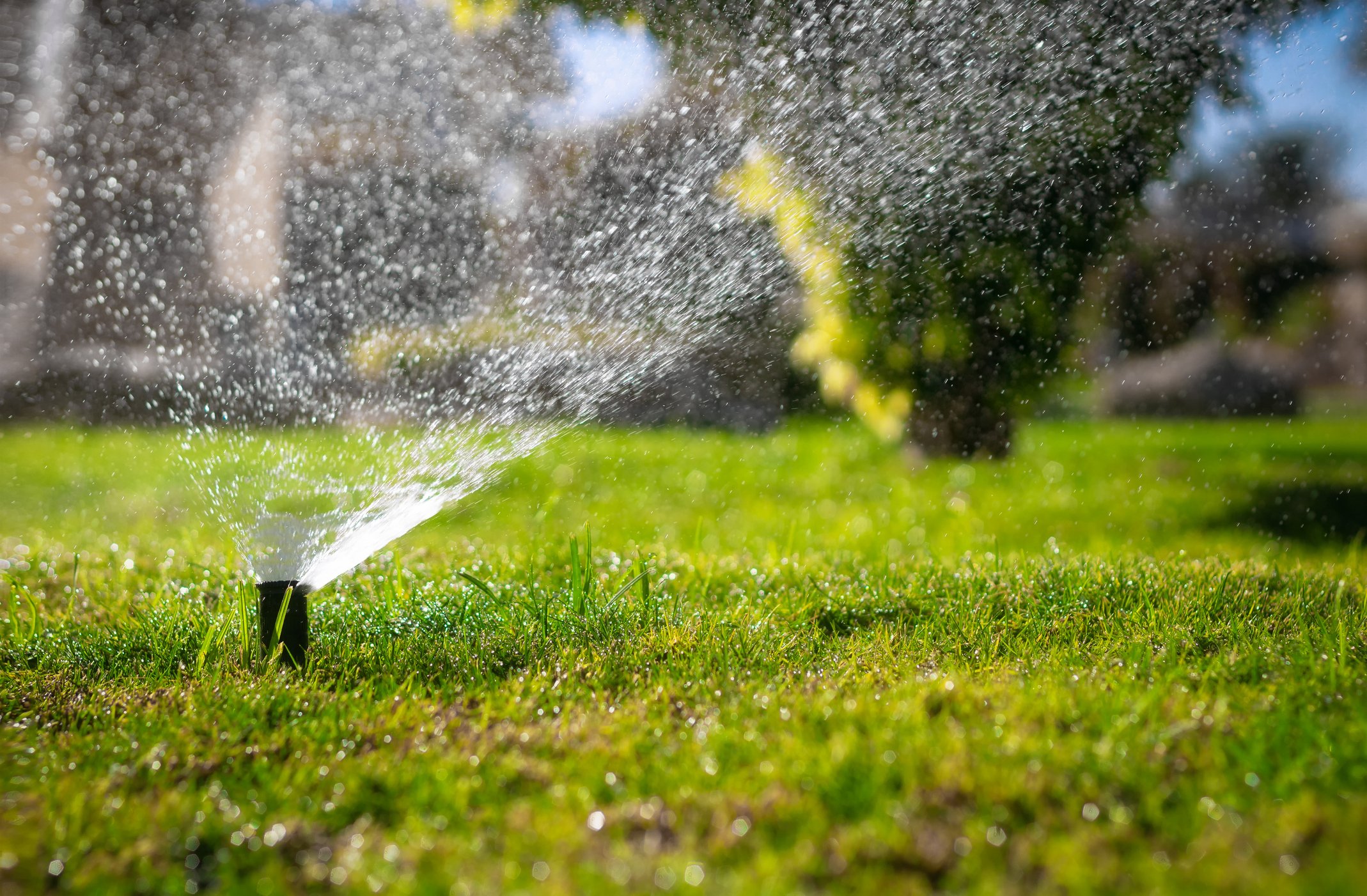
If you have a sprinkler system installed at your home, chances are you don’t think about it very often. Most of the time, it quietly does its job in the background—watering the lawn, helping plants grow, and keeping the landscape healthy.
But what happens when that irrigation system goes five years without any real maintenance?
This is something we see more often than you might think here in the DMV (Maryland, DC, and Northern Virginia). A system gets installed, everything works great for a while, and then life gets busy. Seasons come and go. Maybe a sprinkler head breaks here or there. Maybe nothing obvious happens at all.
Then one day the homeowner calls and says something like:
“Bob, parts of the lawn are dying, but the sprinklers are still running. What’s going on?”
After more than 42 years working with homeowners across the DMV, I can tell you that irrigation systems rarely fail all at once. Instead, they slowly drift out of alignment—until small issues quietly add up to bigger and more expensive problems.
So let’s talk about the real question homeowners should be asking:
What does it actually cost to ignore irrigation maintenance for five years?
In this article, I’ll walk you through:
- What normally happens to irrigation systems over time
- The hidden costs homeowners don’t expect
- Real problems we see when systems go unmaintained
- What preventative maintenance usually costs
- Why regular service saves money in the long run
Because the truth is simple: the cost of ignoring irrigation maintenance is almost always higher than maintaining it.
First, What Does Irrigation Maintenance Actually Mean?
Before we talk about costs, it helps to understand what regular irrigation maintenance usually includes.
A healthy irrigation system typically needs seasonal attention, especially in our region where winters freeze and summers can be hot and dry.
Typical maintenance services include:
- Spring system startup
- Inspecting sprinkler heads
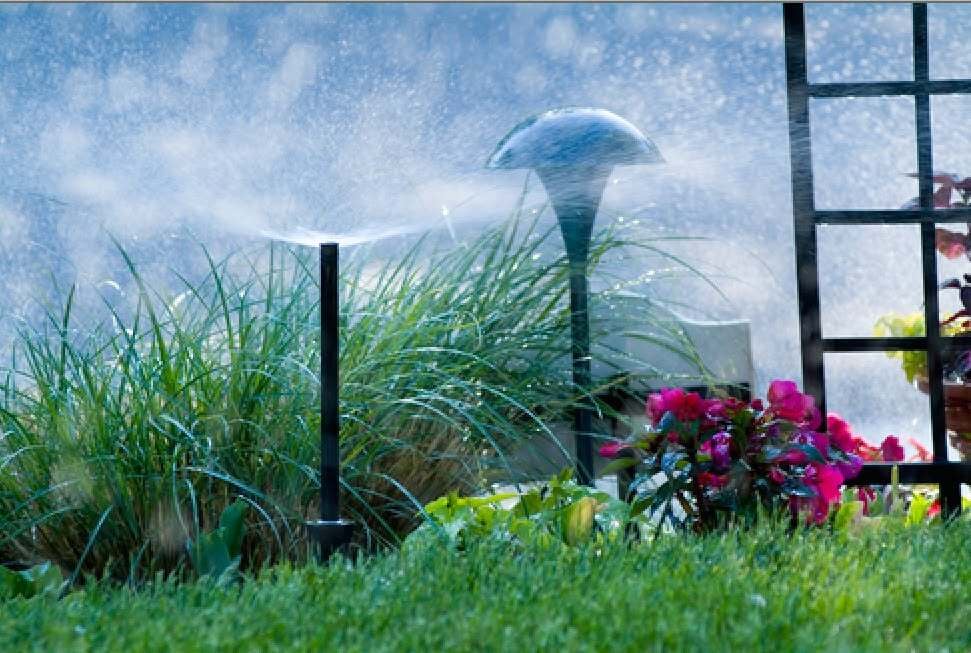
- Adjusting spray patterns
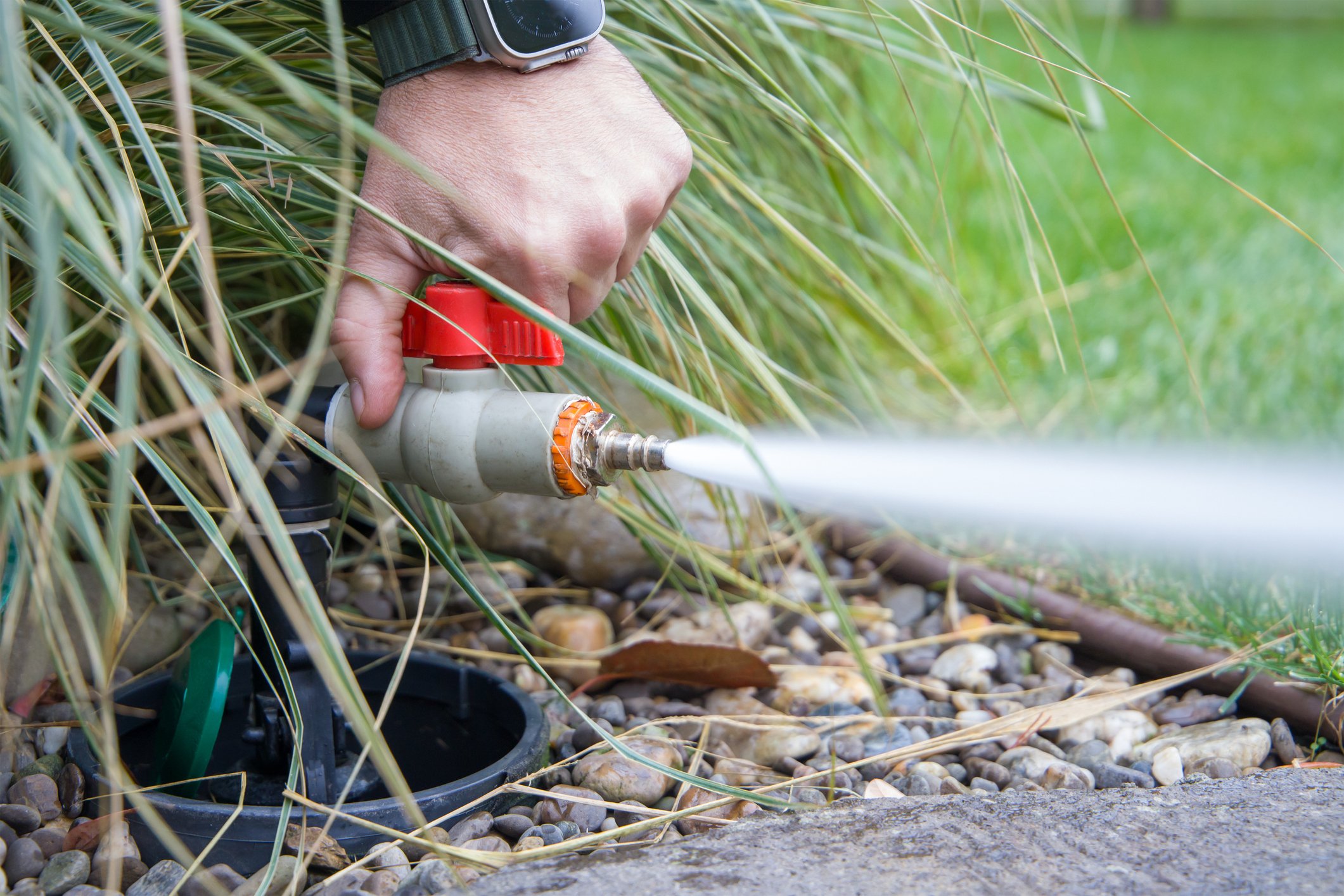
- Checking valves and solenoids
- Testing water pressure
- Identifying underground leaks
- Ensuring proper zone coverage
- Winterizing the system before freezing temperatures
These steps keep the system running efficiently and prevent small issues from becoming major repairs.
But when maintenance is skipped for several years, systems begin to drift out of calibration.
What Actually Happens When Maintenance Is Ignored
Irrigation systems are mechanical systems. They contain valves, pipes, electrical components, and moving sprinkler heads.
When they run season after season without inspection, certain problems begin to appear.
Sprinkler Heads Slowly Go Out of Alignment
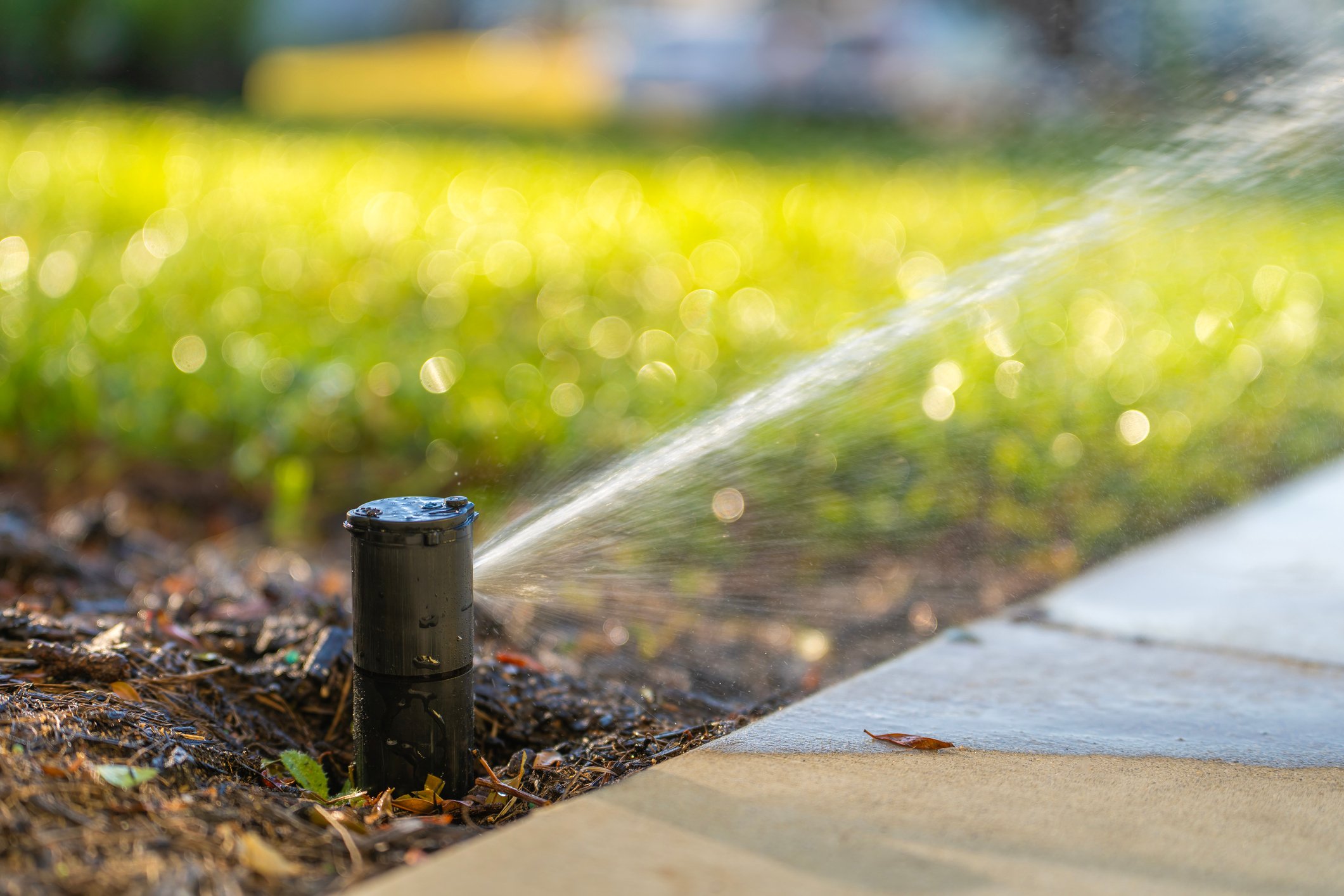
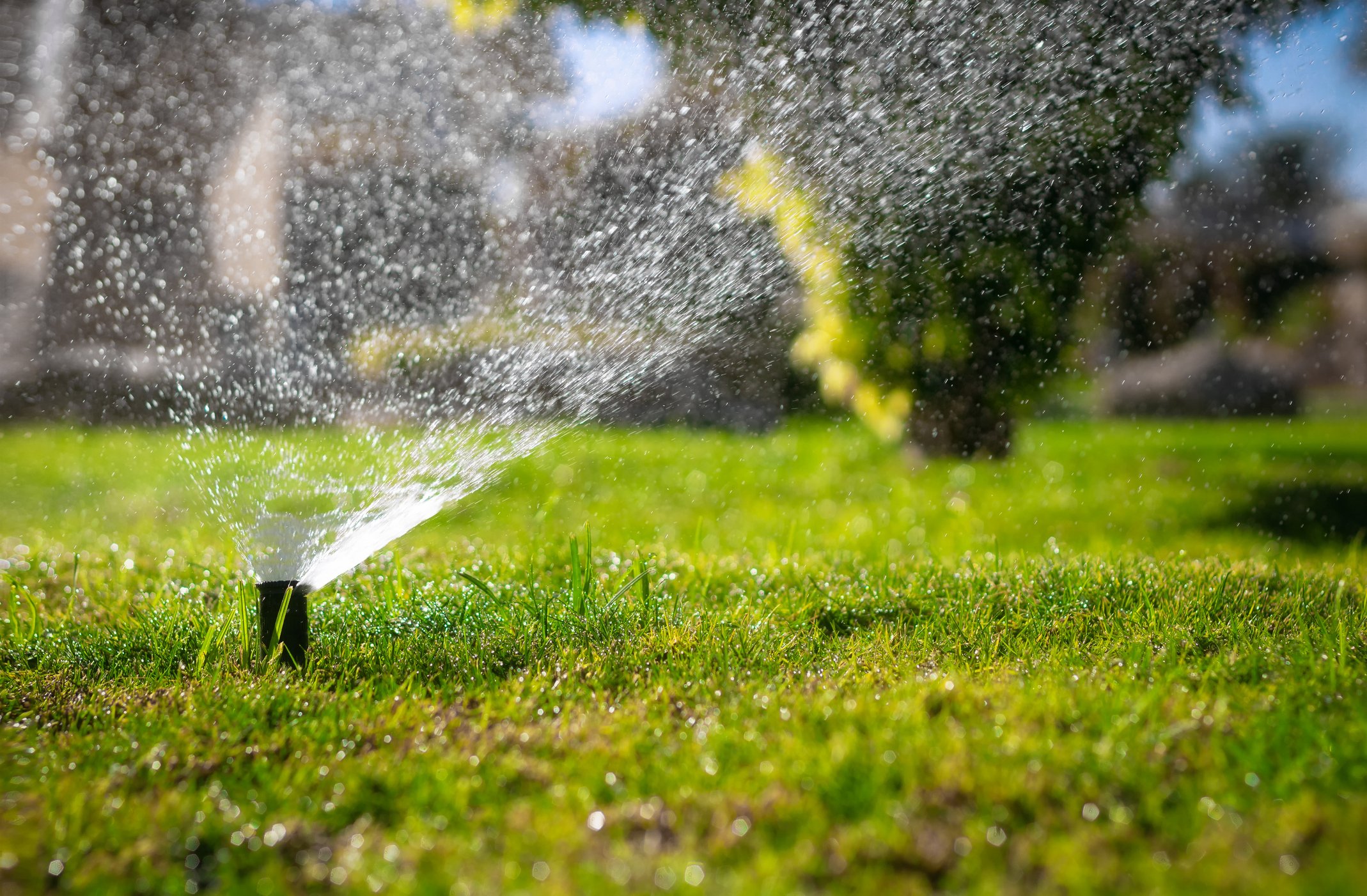
Over time, sprinkler heads get bumped by lawn mowers, foot traffic, pets, and shifting soil. Heads may tilt, sink, or clog with dirt.
When this happens, water no longer lands where it should. Instead of watering the lawn, the system might spray sidewalks, fences, driveways, or the side of the house.
Meanwhile, parts of the lawn receive too little water.
Underground Leaks Waste Water
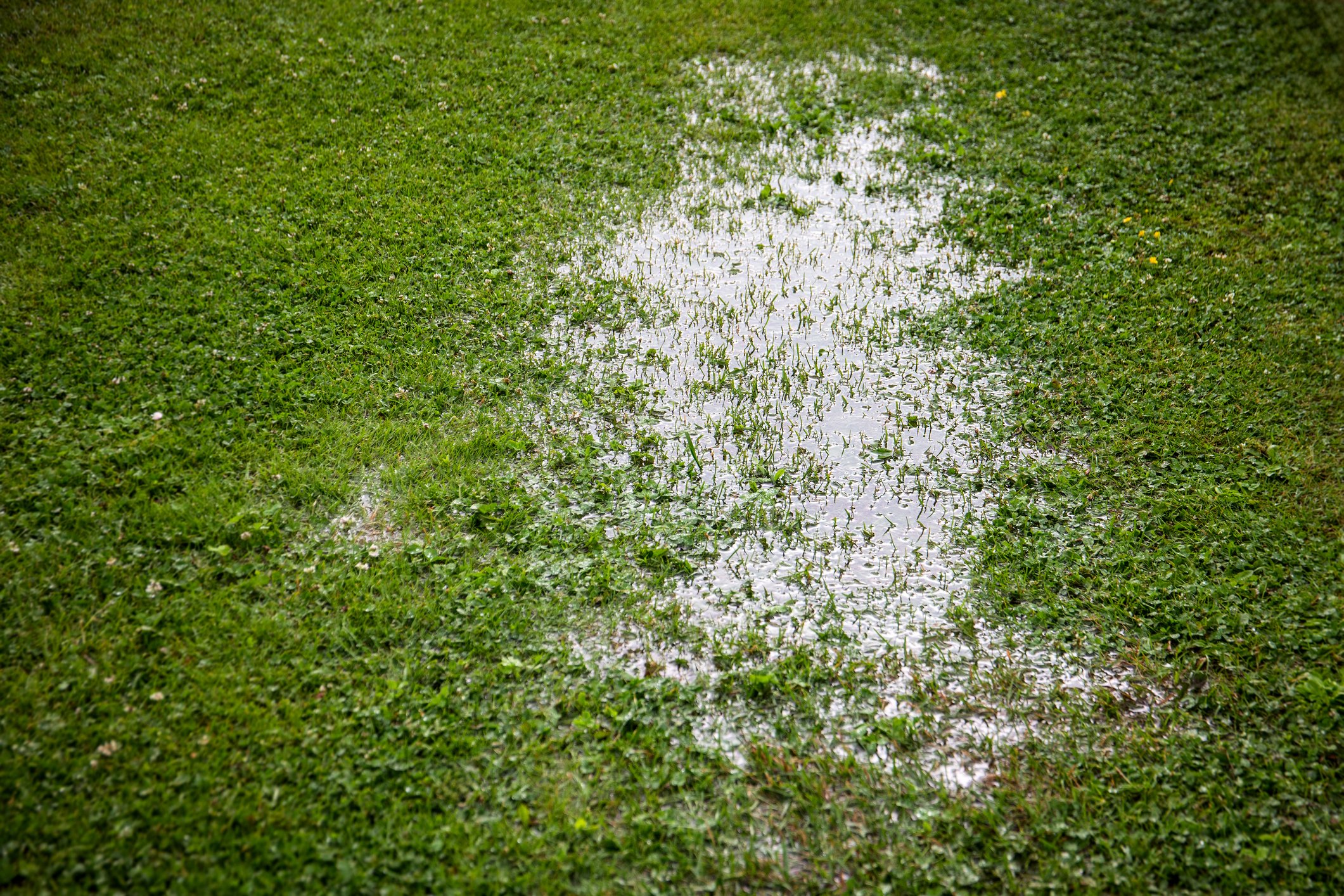
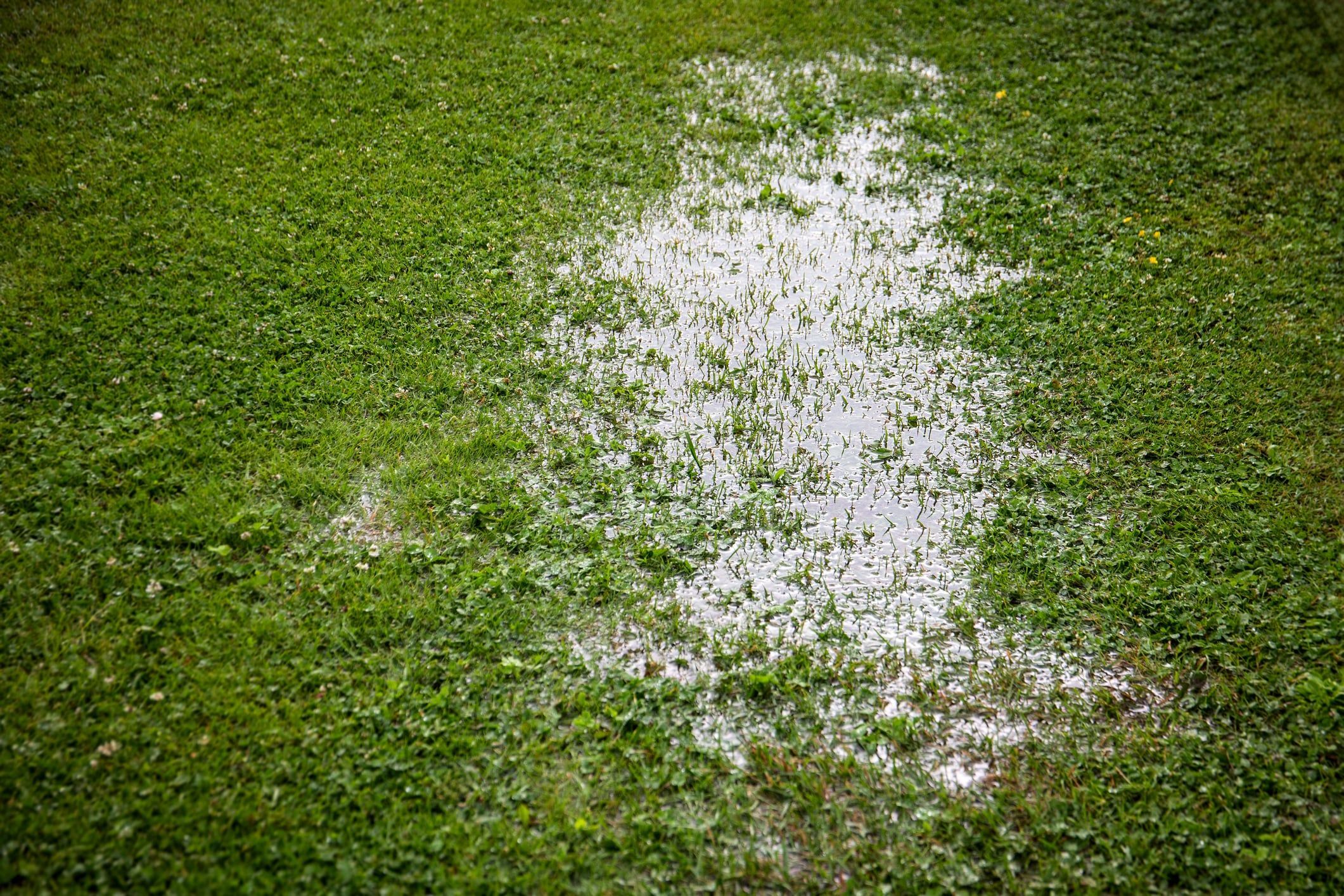
Small irrigation leaks often go unnoticed because they occur underground. But even a small leak can waste thousands of gallons of water over a season.
Signs of hidden leaks include soggy soil, wet spots in the yard, and higher water bills.
Valves Begin to Wear Out
Valves control when each irrigation zone turns on and off. After years of operation, valve components can wear down.
When valves begin to fail, zones may not activate properly or they may run continuously.
Coverage Becomes Uneven
As sprinkler heads clog or shift position, water coverage becomes inconsistent. Over time, dry patches and stressed plants begin to appear.
The Hidden Cost Most Homeowners Don’t Expect
When irrigation systems aren’t maintained, the biggest costs often come from landscape damage.
Poor watering patterns can cause dead turf, stressed trees, and failing garden beds. Replacing landscaping can cost thousands of dollars depending on the size of the yard.
A Real Example From a Maryland Property
Not long ago we inspected a property where the irrigation system had not been serviced for about five years.
The homeowner called because large sections of the lawn were turning brown even though the system was running regularly.
After evaluating the system we discovered several issues:
- Multiple clogged sprinkler heads
- One failing valve
- A small underground pipe leak
Once the system was repaired and adjusted, water coverage returned to normal and the lawn recovered quickly.
The Cost of Fixing Problems After 5 Years
When several irrigation problems occur at once, repair costs can add up quickly.
Typical repair ranges may include:
- Replacing sprinkler heads: $75–$200 each
- Pipe leak repair: $200–$800
- Valve replacement: $250–$600
If several issues appear at the same time, total repairs can reach $800 to $2,000 or more.
What Preventative Maintenance Usually Costs
Most homeowners in the DMV region spend roughly:
- $150–$250 for spring irrigation startup
- $150–$250 for winterization
Even with yearly service, maintenance often averages $300–$400 per year, which helps prevent major repairs and landscape damage.
Signs Your Irrigation System Needs Attention
If your system hasn’t been inspected in several years, watch for these warning signs:
- Uneven lawn growth
- Sprinklers spraying sidewalks
- Wet spots in the yard
- Higher water bills
- Zones failing to activate
These symptoms usually indicate the system needs adjustment or repair.
Final Thoughts From Bob Carr
After more than four decades helping homeowners throughout the DMV, I’ve seen how small irrigation issues can quietly grow into expensive problems when systems go unmaintained.
The good news is that most of these issues are preventable with simple seasonal inspections.
A little maintenance each year helps ensure your irrigation system continues delivering water efficiently while protecting your lawn and landscape investment.
Need Help Evaluating Your Irrigation System?
If your irrigation system hasn’t been inspected in several years, or if you’re noticing uneven watering in your yard, a professional irrigation evaluation can identify problems before they become costly repairs.
Visit TLCincorporated.com to learn more about irrigation services, drainage solutions, and landscape system maintenance for homeowners across Maryland, DC, and Northern Virginia.
Bob Carr is the founder and president of TLC Incorporated, which he started in 1981 as a small residential lawn sprinkler and irrigation business in Maryland. Over four decades later, he leads a team of specialists serving the Mid-Atlantic region with lawn irrigation, outdoor and holiday lighting, and yard drainage solutions. Bob's approach is built on transparent pricing, quality installation, and treating every customer with respect.